
To switch camera brands smoothly, test new models hands-on first, holding different cameras to see how they feel and fit in your grip. Check lens compatibility and use adapters carefully to maintain autofocus and image quality. Customize menus to match your workflow, and guarantee your accessories and software work seamlessly with the new system. Staying informed about features and updates will help you stay productive. Keep going, and you’ll discover how to make the transition even more effortless.

Get sports gear delivered free with Prime
- Fast, free delivery on millions of items
- Prime Video, Amazon Music and more included
- Member-only deals all year
Key Takeaways
- Test new camera models hands-on to assess ergonomics and control feel before making a switch.
- Research lens compatibility and consider adapters carefully to maintain image quality and autofocus performance.
- Explore and customize menu systems to streamline workflow and adapt to new control layouts quickly.
- Verify software and accessory compatibility to prevent workflow disruptions and integrate seamlessly into your ecosystem.
- Leverage brand-specific features and ecosystems to maximize capabilities and ensure smooth transition and ongoing productivity.
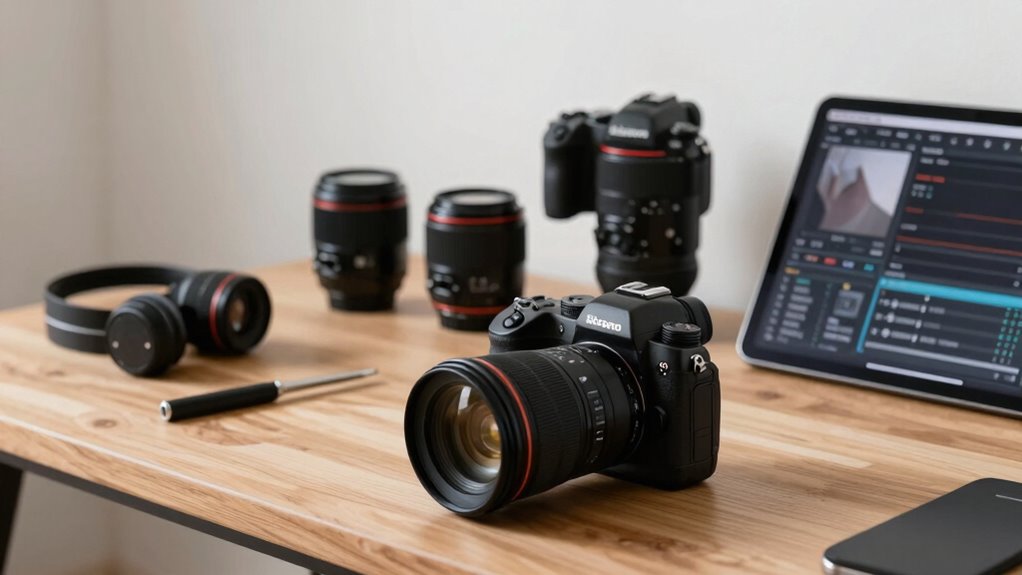
Ever wondered how to switch camera brands without losing your creative momentum? Making a change between camera systems can feel intimidating, especially when you’re used to certain ergonomics and lens setups. The key is to approach the switch strategically, guaranteeing your workflow remains smooth and your creative energy stays high. First, focus on understanding camera ergonomics. Your comfort during shoots directly impacts your productivity, so test out new models before committing. Hold different cameras in your hand, take sample shots, and see how natural the controls feel. If a camera’s layout feels awkward or cumbersome, it might slow you down when you’re in the middle of a shoot. By choosing a camera that fits well in your grip and offers intuitive controls, you’ll preserve your speed and creativity, even as you adapt to new gear.
Test new cameras hands-on to ensure comfort and intuitive controls, keeping your creative flow uninterrupted.
Lens compatibility is another critical factor. If you’re switching brands, you’ll want to consider how your existing lenses will work with the new system. Some brands offer adapters that allow you to use your current lenses, but these can sometimes impact autofocus speed or image quality. Before making a purchase, research whether your favorite lenses are compatible or if you’ll need to acquire new glass. If you’re heavily invested in a specific focal length or aperture range, guarantee the new system can support that, either natively or through reliable adapters. Planning ahead minimizes disruptions, so you’re not scrambling to replace or upgrade your lenses later.
Additionally, familiarize yourself with the new camera’s menu system and workflow. Even if the controls are ergonomically friendly, different brands often have unique menu structures. Spend time exploring and customizing settings so your most-used functions are easily accessible. This proactive approach helps you maintain your shooting speed and keeps frustrations at bay. Remember, changing systems isn’t just about the gear; it’s about adapting your habits without losing focus on your creative goals. Embracing the ecosystem compatibility around your new camera ensures all aspects of your workflow are aligned, preventing interruptions caused by incompatible software or accessories. Being aware of system interoperability can help you seamlessly integrate your gear and software, ensuring a smoother transition. Additionally, staying informed about brand-specific features can help you leverage your new camera’s unique capabilities effectively, speeding up your adaptation process.
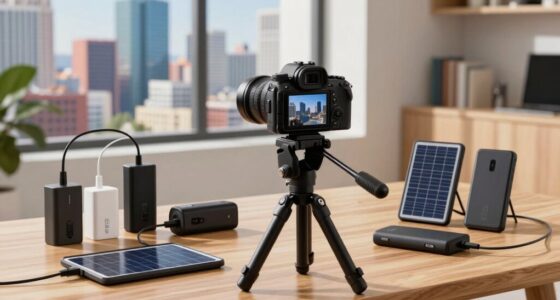
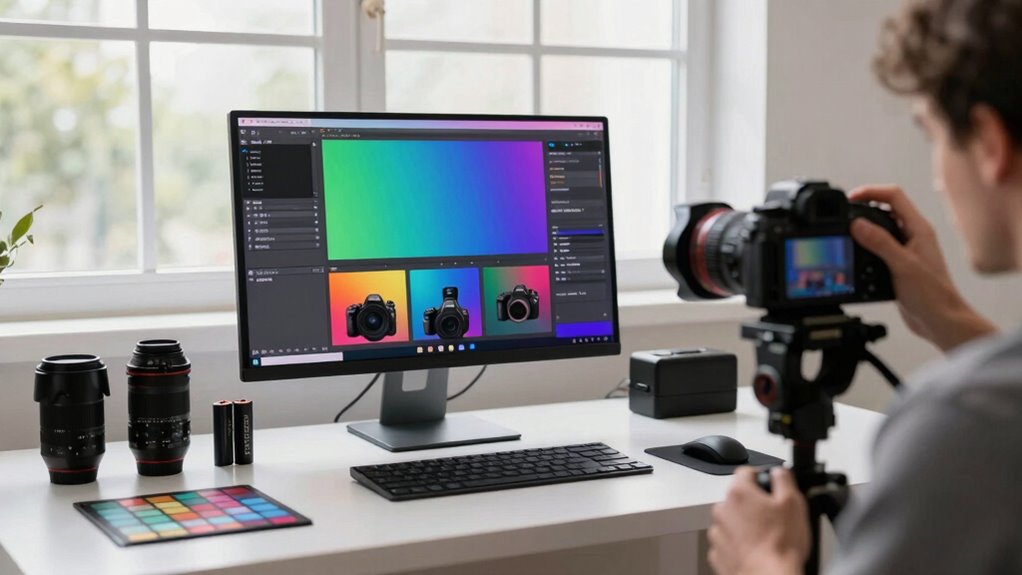
Finally, consider the ecosystem around your new camera—software, storage solutions, and accessories. Compatibility extends beyond the camera body and lenses. Make sure your editing software supports the new file formats, and check if your existing accessories like tripods, straps, or external monitors work seamlessly. Taking these small but essential steps ensures your workflow remains uninterrupted. By paying attention to camera ergonomics, lens compatibility, and the broader ecosystem, you set yourself up for a successful changeover. You can embrace new gear confidently, knowing your momentum will carry forward, not slow down. It’s also helpful to stay informed about software updates that can improve compatibility and performance with your new system.
As an affiliate, we earn on qualifying purchases.
Frequently Asked Questions
How Do I Transfer My Existing Camera Settings to a New Brand?
To transfer your camera settings to a new brand, start by manually noting your preferred settings, since automatic transfer isn’t usually possible. Use lens adaptation to fit your current lenses if needed, and check battery compatibility to make sure your gear works smoothly. Adjust settings on your new camera based on your notes, and test your lens and battery to confirm everything functions properly. This way, you keep your shooting style intact.
What Are Common Compatibility Issues When Switching Camera Brands?
When switching camera brands, lens compatibility becomes a key issue—you might need new lenses or adapters, as mounts often differ. Battery differences can also pose challenges; your existing batteries may not work with the new camera, affecting your shooting time. Be prepared for these compatibility issues by researching lens mounts and battery types beforehand. This way, you avoid disruptions and maintain your workflow seamlessly.
How Can I Ensure My Accessories Work With My New Camera?
To guarantee your accessories work with your new camera, check accessory compatibility beforehand. Look for lens adapters if your current lenses aren’t compatible, allowing you to use them with your new camera. Verify that your external flashes, microphones, and other gear are compatible or can be adapted. Research your camera’s port options and supported accessories to avoid surprises, making the shift smoother and keeping your workflow uninterrupted.
Is There a Way to Migrate My Photo Library Seamlessly?
You can seamlessly migrate your photo library by using dedicated photo management software that preserves metadata and color profiles. Before transferring, back up your files and guarantee the software supports your old and new formats. This way, your images retain their details and color accuracy, making the transition smooth. Take your time, double-check settings, and your library will remain organized and vibrant, ready for your next creative chapter.
How Do I Adapt My Shooting Techniques to a Different Camera System?
To adapt your shooting techniques, start by calibrating your lenses for ideal focus and image quality. Spend time exploring your new camera’s ergonomics, adjusting grips and button layouts for comfort and efficiency. Practice familiar shots to get comfortable with different controls and settings. Over time, you’ll develop a new rhythm, allowing you to maintain your style while leveraging the unique features of your new camera system.
camera lens adapters for Sony Canon Nikon
As an affiliate, we earn on qualifying purchases.
As an affiliate, we earn on qualifying purchases.
Conclusion
Switching camera brands doesn’t have to slow you down. Embrace the change with patience and a willingness to learn, knowing that “a journey of a thousand miles begins with a single step.” Keep practicing, stay curious, and leverage your existing skills to adapt quickly. By staying flexible and open-minded, you’ll find your rhythm again and continue capturing stunning shots. Remember, every new beginning is an opportunity to grow and refine your craft.
As an affiliate, we earn on qualifying purchases.
camera accessory compatibility check
As an affiliate, we earn on qualifying purchases.
As an affiliate, we earn on qualifying purchases.
Fall Picks
fall essentials
As an affiliate, we earn on qualifying purchases.