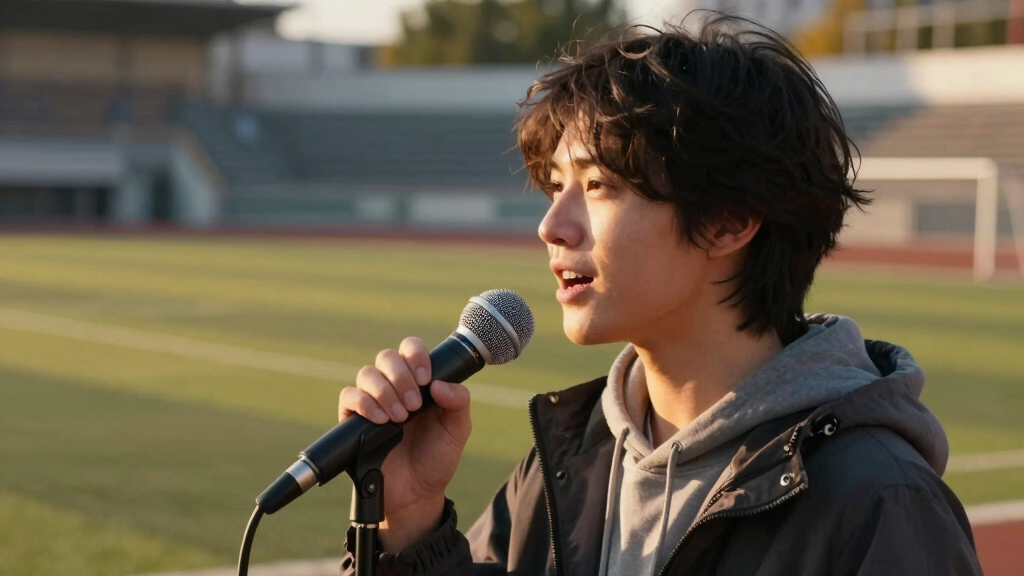
Choosing the best microphone for sports podcasts involves balancing sound quality, ease of use, and budget. The Shure MV7+ stands out as the overall top pick, offering both USB and XLR connectivity for versatile setups. The RØDE PodMic is a favorite for broadcast-quality sound, ideal for serious podcasters, while the Zoom ZDM-1 provides a convenient all-in-one pack for beginners. Most options trade off between affordability and professional features, so understanding your setup and needs will help you pick the right mic. Continue reading for a detailed comparison that will help you make an informed choice.
Complete the kit

Key Takeaways
- Microphones with both USB and XLR options give flexibility for different recording environments.
- Broadcast-quality dynamic mics like the RØDE PodMic excel in noisy environments common during sports discussions.
- Wireless microphones, such as DJI Mic, are ideal for mobility but may introduce latency or interference issues.
- Build quality and durability are critical for mics used in active or on-the-go settings.
- Price ranges vary widely; investing in a higher-quality mic can significantly improve sound clarity and listener engagement.
| Shure MV7+ USB-C & XLR Podcast Dynamic Microphone – Black |  | Best Overall for Versatile, Professional-Quality Podcasting | Connectivity: USB-C & XLR | Color: Black | Features: Customizable LED touch panel, auto level, real-time denoising, built-in reverb effects | VIEW LATEST PRICE | See Our Full Breakdown |
| RØDE PodMic Cardioid Dynamic Broadcast Microphone, XLR | 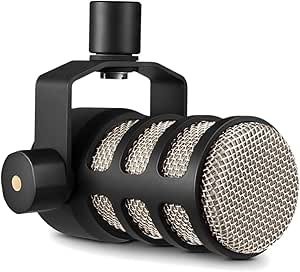 | Best for Broadcast-Quality Sound in Fixed Studio Setups | Connectivity: XLR | Color: PodMic Black | Polar Pattern: Unidirectional | VIEW LATEST PRICE | See Our Full Breakdown |
| MAONO PD200W Hybrid Wireless Podcast Microphone for PC, Dynamic XLR USB Mic |  | Best for Versatile Connection Options and On-the-Go Use | Connectivity: USB, Wireless, XLR | Color: Black | Signal-to-Noise Ratio: 82 dB | VIEW LATEST PRICE | See Our Full Breakdown |
| Zoom ZDM-1 Podcast Mic Pack for Podcasters with Dynamic Microphone & Headphones |  | Best All-in-One Starter Kit for Home and Portable Podcasting | Connectivity: XLR | Polar Pattern: Super Cardioid | Included Accessories: Headphones, stand, windscreen, XLR cable | VIEW LATEST PRICE | See Our Full Breakdown |
| Audio-Technica AT2040 Hypercardioid Dynamic Podcast Microphone |  | Best for Focused, Broadcast-Quality Voice Recording | Connectivity: XLR | Polar Pattern: Hypercardioid | Includes: Stand mount, protective pouch | VIEW LATEST PRICE | See Our Full Breakdown |
| Rode Lavalier GO Professional Wearable Microphone, Black |  | Best for Discreet, Professional-Quality Audio in Dynamic Environments | Microphone Type: Lavalier / Wearable | Polar Pattern: Omnidirectional | Capsule Size: 4.0mm | VIEW LATEST PRICE | See Our Full Breakdown |
| FIFINE AmpliTank K688CT Podcast Microphone Kit, USB/XLR Dynamic Vocal Mic |  | Best Versatile Microphone for Beginners and Intermediate Podcasters | Connectivity Technology: USB, XLR | Polar Pattern: Unidirectional | Frequency Response: 16 KHz | VIEW LATEST PRICE | See Our Full Breakdown |
| DJI Mic (2 TX + 1 RX + Charging Case), Wireless Lavalier Microphone, 250m Range, 15-Hour Battery |  | Best for Outdoor and Mobile Sports Podcasting with Long-Range Wireless Freedom | Range: 250 meters (820 feet) | Battery Life: 15 hours (with charging case) | Transmitter Battery: 5.5 hours each | VIEW LATEST PRICE | See Our Full Breakdown |
| microphones for sports podcast | Connectivity | Polar Pattern | Color | Frequency Response |
|---|---|---|---|---|
| Shure MV7+ USB-C & XLR Podcast | USB-C & XLR | — | Black | — |
| RØDE PodMic Cardioid Dynamic B | XLR | Unidirectional | PodMic Black | 20Hz – 20kHz |
| MAONO PD200W Hybrid Wireless P | USB, Wireless, XLR | — | Black | 16 KHz |
| Zoom ZDM-1 Podcast Mic Pack fo | XLR | Super Cardioid | Black | — |
| Audio-Technica AT2040 Hypercar | XLR | Hypercardioid | — | Full-range |
| Rode Lavalier GO Professional | — | Omnidirectional | — | — |
| FIFINE AmpliTank K688CT Podcas | — | Unidirectional | — | 16 KHz |
| DJI Mic | Compatible with smartphones, cameras | — | — | — |
More Details on Our Top Picks
Shure MV7+ USB-C & XLR Podcast Dynamic Microphone – Black
The Shure MV7+ stands out for its dual connectivity options—USB-C and XLR—making it ideal for both beginner and seasoned podcasters who want flexibility. Compared to the Zoom ZDM-1, it offers more advanced features like real-time denoising and customizable LED controls, which elevate the production quality. However, its feature set introduces a learning curve that might challenge newcomers, and its higher price tag may deter casual users. The built-in reverb and auto level adjustment help produce polished sound with minimal external gear, but this complexity could be overwhelming for those seeking simplicity. This mic makes the most sense for creators needing adaptable, studio-quality audio without sacrificing convenience.
Pros:- Dual USB-C and XLR connectivity for maximum versatility
- Advanced features like auto level and real-time denoising improve sound quality
- Customizable LED touch panel for personalized control
- Built-in reverb effects for enhanced audio presentation
Cons:- Complex feature set may require time to learn and master
- Higher cost compared to simpler USB microphones
Best for: Podcasters who want a flexible, professional-grade microphone suitable for studio and streaming environments
Not ideal for: Beginners or casual users seeking a straightforward, plug-and-play setup without complex controls
- Connectivity:USB-C & XLR
- Color:Black
- Features:Customizable LED touch panel, auto level, real-time denoising, built-in reverb effects
- Ideal for:Podcasting, streaming, voiceover, recording, content creation
Our verdict“This mic is perfect for experienced creators who need adaptable, high-quality audio for various recording setups.”
RØDE PodMic Cardioid Dynamic Broadcast Microphone, XLR
The RØDE PodMic excels in delivering broadcast-grade audio with its internal pop filter and shock mounting, making it ideal for stationary podcast studios. Compared to the Audio-Technica AT2040, it offers a more durable all-metal build and is optimized specifically for speech and vocals. Its unidirectional polar pattern effectively isolates voice from room noise, but it requires an external audio interface, which adds to setup complexity and cost. Its bulkier, all-metal design ensures durability but can be less portable for mobile podcasters. This microphone is well-suited for those who prioritize sound clarity and durability over portability or USB convenience.
Pros:- Excellent sound quality optimized for voice and speech
- Built-in pop filter and shock mount minimize noise and plosives
- Robust all-metal construction for longevity
- Compatible with any XLR interface or mixer
Cons:- Requires an external audio interface or mixer
- Less portable due to size and weight
- No built-in digital connectivity options
Best for: Podcasters with a dedicated studio setup who want reliable, professional broadcast sound
Not ideal for: Podcasters on the move or those new to audio interfaces who need a simple plug-and-play solution
- Connectivity:XLR
- Color:PodMic Black
- Polar Pattern:Unidirectional
- Frequency Response:20Hz – 20kHz
Our verdict“This mic is best for users who have a dedicated studio space and prioritize sound quality and durability.”
MAONO PD200W Hybrid Wireless Podcast Microphone for PC, Dynamic XLR USB Mic
The MAONO PD200W offers a flexible hybrid design supporting wireless, USB, and XLR connections, making it suitable for podcasters who need mobility and multiple device compatibility. Unlike the RØDE PodMic, which requires an XLR connection, the MAONO can connect directly to a computer via USB or wirelessly, simplifying setup for mobile recording. Its studio-quality sound and noise cancellation features are impressive, but needing batteries for wireless operation introduces additional maintenance. Setup can be complex for some, given the multiple connection modes, and accessories like cameras or lighting are sold separately. This model makes sense for podcasters who value versatility and mobility over absolute simplicity.
Pros:- Supports wireless, USB, and XLR for maximum flexibility
- Studio-quality sound with noise reduction and high signal-to-noise ratio
- Supports dual microphones for interviews or duo podcasts
- Customizable sound profiles via MaonoLink app
Cons:- Requires batteries for wireless mode, adding maintenance
- Setup may be complicated due to multiple connection options
- Additional accessories like cameras and lighting sold separately
Best for: Content creators who need a multi-mode microphone for streaming, interviews, or portable podcasting
Not ideal for: Users seeking a straightforward plug-and-play microphone with no need for batteries or complex setup
- Connectivity:USB, Wireless, XLR
- Color:Black
- Signal-to-Noise Ratio:82 dB
- Frequency Response:16 KHz
Our verdict“This mic suits versatile podcasters who need mobility and multiple connection options but are comfortable with some setup complexity.”
Zoom ZDM-1 Podcast Mic Pack for Podcasters with Dynamic Microphone & Headphones
The Zoom ZDM-1 Podcast Mic Pack combines a dynamic microphone, professional headphones, and accessories into a complete setup, ideal for newcomers or those wanting a portable solution. Its super cardioid pattern helps isolate vocals from background noise, and the included headphones allow for immediate monitoring. Unlike the Shure MV7+, which offers advanced features and connectivity, this kit prioritizes simplicity and all-in-one convenience. The bulkier setup and XLR-only connection limit portability and device compatibility, but it provides everything needed for quality podcasting right out of the box. This makes it a smart choice for beginners or mobile creators who want a comprehensive starter package.
Pros:- Complete package with microphone, headphones, stand, and accessories
- Optimized for voice with high sound isolation
- Portable and easy to set up for various environments
- Effective internal windscreen reduces pops and noise
Cons:- Limited to XLR connection, reducing device compatibility
- Bulkier setup with multiple components
- No wireless or USB options included
Best for: Beginners or hobbyists seeking an easy-to-use, portable podcasting kit with monitoring capabilities
Not ideal for: Advanced users or those wanting wireless or USB connectivity for quick setup and minimal equipment
- Connectivity:XLR
- Polar Pattern:Super Cardioid
- Included Accessories:Headphones, stand, windscreen, XLR cable
- Color:Black
Our verdict“This kit is great for newcomers or mobile podcasters seeking a straightforward, all-in-one solution with monitoring features.”
Audio-Technica AT2040 Hypercardioid Dynamic Podcast Microphone
The Audio-Technica AT2040 offers a large diaphragm and hypercardioid pattern, making it well-suited for podcasters who want focused, natural sound with minimal background interference. Compared with the RØDE PodMic, it provides a slightly more versatile accessory package, including a stand mount and pouch, but it shares the requirement for an external XLR interface. Its internal windscreen reduces pops, though it may need additional arm or stand support for optimal positioning. This microphone is ideal for those who seek broadcast-level clarity and are willing to handle a more professional setup.
Pros:- Delivers warm, natural broadcast-quality sound
- Effective internal windscreen reduces pops and noise
- Hypercardioid pattern offers excellent vocal isolation
- Includes versatile accessories like stand mount and pouch
Cons:- Requires XLR connection, no USB option
- May need additional interface for connection to some devices
- Designed primarily for professional use, not plug-and-play
Best for: Podcasters and streamers who prioritize natural sound and vocal isolation in a professional setting
Not ideal for: Beginners or casual users who prefer USB microphones or portable solutions
- Connectivity:XLR
- Polar Pattern:Hypercardioid
- Includes:Stand mount, protective pouch
- Frequency Response:Full-range
Our verdict“This mic is best for experienced podcasters seeking high-fidelity, focused vocal capture in a professional setup.”
Rode Lavalier GO Professional Wearable Microphone, Black
The Rode Lavalier GO stands out for delivering broadcast-quality audio in a small, discreet package, making it ideal for sports podcasts where mobility and unobtrusiveness are key. Compared with the DJI Mic, which offers wireless convenience, the Lavalier GO’s wired setup limits flexibility but ensures consistent, interference-free sound. Its omnidirectional capsule provides forgiving pickup in active settings, yet the small capsule size might not suit those needing a more robust microphone for loud or complex environments. The Kevlar-reinforced cable adds durability, but the need for a compatible 3.5mm input can be a barrier for some devices. This mic makes the most sense for hosts recording in controlled or semi-controlled settings who prioritize clarity and durability over wireless freedom.
Pros:- Excellent broadcast-quality sound in a compact form
- Flexible placement with forgiving omnidirectional polar pattern
- Kevlar-reinforced cable enhances longevity
- Discreet and unobtrusive for on-camera use
Cons:- Requires devices with 3.5mm input, limiting compatibility
- No wireless option, reducing mobility in dynamic settings
- Capsule size may be too small for some users or louder environments
Best for: Podcasters who need a discreet, high-quality microphone that can be easily clipped onto clothing during active recordings or outdoor shoots.
Not ideal for: Podcasters using cameras or smartphones that lack a 3.5mm input, as this mic is wired and incompatible without adapters.
- Microphone Type:Lavalier / Wearable
- Polar Pattern:Omnidirectional
- Capsule Size:4.0mm
- Connector:3.5mm TRS
- Cable Length:1.2m (4ft)
- Cable Material:Kevlar reinforced
Our verdict“This lavalier is ideal for podcast hosts who prioritize sound quality and discreetness over wireless convenience.”
FIFINE AmpliTank K688CT Podcast Microphone Kit, USB/XLR Dynamic Vocal Mic
The FIFINE AmpliTank K688CT appeals to those seeking a flexible, all-in-one setup. It offers both USB and XLR connections, making it suitable for newcomers who want simple plug-and-play operation or more advanced setups with audio interfaces—something the Shure MV7+ lacks, as it is primarily USB. The included boom arm, shock mount, and windscreen support professional-quality recordings, but the fact that controls are disabled when using XLR can be frustrating for those who want quick adjustments on the fly. Its unidirectional polar pattern helps reduce background noise, which is advantageous in noisy environments like sports venues or outdoor locations. This kit makes the most sense for those starting out or upgrading from basic mics, who need versatility without sacrificing sound quality.
Pros:- Dual USB and XLR connectivity for versatile use
- Includes essential accessories like boom arm and shock mount
- Good noise reduction with unidirectional polar pattern
- Intuitive controls like mute and gain knobs
Cons:- Control functions are disabled when using XLR, limiting quick adjustments
- Setup and configuration may be complex for complete beginners
- Some users find the build quality could be more premium
Best for: Beginners or intermediate podcasters who want a flexible, all-in-one microphone setup that can grow with their skills.
Not ideal for: Advanced users seeking a dedicated high-end broadcast microphone or those who prefer a purely wireless setup, as the controls can be limited depending on connection.
- Connectivity Technology:USB, XLR
- Polar Pattern:Unidirectional
- Frequency Response:16 KHz
- Signal-to-Noise Ratio:80 dB
- Hardware Platform:Laptop, Mixer/Audio Interface, PC
- Included Accessories:Boom arm, windscreen, shock mount
Our verdict“This microphone kit is a strong choice for podcasters starting out or seeking a flexible setup that balances ease of use with professional features.”
DJI Mic (2 TX + 1 RX + Charging Case), Wireless Lavalier Microphone, 250m Range, 15-Hour Battery
The DJI Mic offers remarkable wireless flexibility, making it a prime choice for outdoor sports podcasters or those recording on the move. Its 250-meter range surpasses the wired options and even the Rode Lavalier GO, providing freedom to move around large venues or outdoor spaces without losing audio quality. The inclusion of two transmitters and a receiver with a compact charging case simplifies multi-person interviews and outdoor recording sessions. However, the setup can be complex, especially for users unfamiliar with wireless systems, and the limited info on weight and dimensions means potential portability issues. The battery life of 15 hours is impressive, but unobstructed environments are necessary for maximum range. This pick is perfect for podcasters who prioritize mobility and outdoor recording capabilities above all else.
Pros:- Exceptional 250-meter wireless range for maximum mobility
- Long battery life with 15 hours total runtime
- Portable charging case enhances convenience
- High-quality dual-channel audio recording
Cons:- Setup can be complex for users unfamiliar with wireless systems
- Limited specific details on device size and weight
- Unobstructed environment needed for optimal range
Best for: Outdoor sports podcasters or those conducting interviews in large, open spaces needing long-range wireless audio.
Not ideal for: Podcasters recording primarily indoors or in environments with lots of obstacles, where range and signal stability might be compromised.
- Range:250 meters (820 feet)
- Battery Life:15 hours (with charging case)
- Transmitter Battery:5.5 hours each
- Internal Storage:8GB (up to 14 hours of recording)
- Connectivity:Compatible with smartphones, cameras
- Weight:Not specified
Our verdict“This wireless microphone system is ideal for outdoor and mobile sports podcasts where distance and freedom of movement are priorities.”
How We Picked
I evaluated each microphone based on performance, ease of use, build quality, and versatility. Preference was given to options that provided clear, professional sound suited for spoken word, especially in dynamic, potentially noisy environments typical of sports podcasts. I also considered the connectivity options—USB, XLR, or wireless—since different setups require different features. Additional factors such as durability, user reviews, and value for money played a role in ranking these microphones, ensuring that both beginners and seasoned podcasters find suitable options.| microphones for sports podcast | Connectivity | Color | Polar Pattern |
|---|---|---|---|
| Shure MV7+ USB-C & XLR Podcast | USB-C & XLR | Black | — |
| RØDE PodMic Cardioid Dynamic B | XLR | PodMic Black | Unidirectional |
| MAONO PD200W Hybrid Wireless P | USB, Wireless, XLR | Black | — |
| Zoom ZDM-1 Podcast Mic Pack fo | XLR | Black | Super Cardioid |
| Audio-Technica AT2040 Hypercar | XLR | — | Hypercardioid |
| Rode Lavalier GO Professional | — | — | Omnidirectional |
| FIFINE AmpliTank K688CT Podcas | — | — | Unidirectional |
| DJI Mic | Compatible with smartphones, cameras | — | — |
Factors to Consider When Choosing Best Microphones For Sports Podcasts
When selecting a microphone for sports podcasts, consider how the microphone’s features align with your recording environment, setup, and budget. The right mic can dramatically improve your audio quality, making your content more engaging and professional. Keep in mind that a good microphone is an investment that can last for years if chosen thoughtfully. Here are key factors to help you make the best choice:Type of Microphone
Dynamic microphones are generally preferred for sports podcasts because they reject background noise better than condenser mics, making them suitable for less controlled environments. Condenser mics, while more sensitive and offering richer sound, pick up more room noise and are better suited for studio settings. Consider whether you need a wired or wireless setup; wireless mics offer mobility but require batteries and may experience interference, while wired mics provide consistent quality and simplicity.
Connectivity Options
Decide if you want a USB mic for plug-and-play simplicity or an XLR mic for professional-grade audio and future expandability. Some models, like the Shure MV7+, offer both options, giving you flexibility as your setup evolves. For on-the-go recording or interviews, wireless mics like the DJI Mic can be highly effective but come with additional considerations around battery life and potential connectivity issues.
Sound Quality & Directionality
Look for microphones with cardioid or hypercardioid pickup patterns, which focus on your voice and reduce ambient noise—vital during sports discussions often held in noisy environments. The quality of the capsule and internal components directly impacts clarity and warmth. Remember, investing in a mic with better sound rejection features can noticeably improve the listening experience for your audience.
Durability & Portability
If you plan to record at live events or on the move, consider models that are built to withstand transport and handling. Portable microphones with robust construction and lightweight design make setup easier and reduce the risk of damage. Conversely, if your studio setup is fixed, durability may be less critical than sound fidelity.
Budget & Value
Prices vary from budget-friendly options under $100 to premium professional microphones costing several hundred dollars. While it can be tempting to choose the cheapest, investing a bit more often yields better sound quality and durability—crucial for maintaining professional standards in your podcast. Balance your budget with your needs, and consider whether investing in a higher-grade mic will pay off in listener engagement and growth.
Frequently Asked Questions
Is a dynamic microphone better for sports podcasts than a condenser?
Yes, dynamic microphones are generally better suited for sports podcasts because they are less sensitive to background noise, which is common in lively or outdoor environments. They focus on capturing your voice clearly, even when there’s ambient noise or less controlled settings. Condenser mics, while offering richer sound, tend to pick up more room echo and environmental sounds, making them less ideal for such scenarios unless you have a dedicated studio space.
Should I choose a USB or XLR microphone for my sports podcast?
Choosing between USB and XLR depends on your current setup and future plans. USB microphones are ideal for beginners because they are simple to use and require no additional equipment. XLR mics, on the other hand, provide higher audio quality and are better for expanding your setup later, such as integrating with mixers or audio interfaces. If you aim for professional sound and flexibility, investing in an XLR mic makes sense, but for ease and immediate use, a USB mic can suffice.
Can wireless microphones provide broadcast-quality sound?
Wireless microphones like the DJI Mic can deliver surprisingly good sound quality, especially for dynamic spoken word content. However, they are more prone to interference, latency, and battery limitations compared to wired options. For live recordings or mobile setups, they offer unmatched convenience, but for studio-quality sound, a wired microphone still holds an edge. Proper placement and quality components are essential in ensuring wireless mics meet your expectations.
How important is the microphone’s pickup pattern for sports podcasts?
The pickup pattern determines how well a microphone captures sound from different directions. For sports podcasts, a cardioid or hypercardioid pattern is usually best because it focuses on your voice while rejecting noise from the sides and rear. This focus helps reduce unwanted background noise, making your audio clearer, especially in lively or outdoor environments. Choosing a microphone with the right pattern is a key step in achieving professional-sounding recordings.
What budget should I allocate for a good sports podcast microphone?
Many effective microphones for sports podcasts fall into the $100–$300 range. Spending within this bracket usually provides a significant upgrade over entry-level models, offering better clarity, durability, and noise rejection. If your budget is tight, you can still find decent options, but investing more often results in clearer, more engaging audio that can grow your audience. Consider your needs carefully and whether an upgrade will improve your production quality.
Conclusion
For those just starting out or recording in casual settings, a budget-friendly USB microphone like the FIFINE AmpliTank offers simplicity and decent sound quality. Serious podcasters looking for broadcast-grade sound should consider the RØDE PodMic paired with an audio interface, which provides excellent clarity. For mobile or on-the-go recording, the DJI Mic delivers convenience with solid performance. The Shure MV7+ stands out as the best overall choice, combining flexibility, durability, and professional sound, making it ideal for most podcasters aiming for high-quality broadcasts in 2026.