
TL;DR
This article examines how various ancient cultures harnessed hand tools, animal power, and water wheels for energy and construction, offering lessons for modern homesteading and sustainability. Confirmed examples include Roman passive solar design and water wheel use; claims about rediscovery and potential applications remain speculative.
Ancient cultures worldwide relied on hand tools, animal power, and water wheels to produce energy and build infrastructure, practices that remain relevant for sustainable living today.
Throughout history, civilizations such as the Romans, Egyptians, and Chinese developed technologies like hand tools, water wheels, and passive solar architecture that enabled them to generate power and construct durable structures. Modern homesteads can adapt these methods, such as using water wheels for milling or passive solar principles for heating, as alternatives to fossil fuels.
Roman innovations, including advanced concrete and passive solar design, demonstrate long-lasting construction techniques, some of which are still observable in archaeological sites like Conímbriga in Portugal. Animal power was extensively used for transportation, agriculture, and construction, with some remote regions still relying on it today. Water wheels, dating back to at least the 4th century BCE, continue to be a viable energy source for small-scale applications where water flow is available.
Why Ancient Power Methods Matter Today
These historical techniques highlight sustainable, off-grid options that can reduce reliance on modern energy infrastructure. They demonstrate resilience and durability, offering valuable lessons for current efforts in homesteading, disaster preparedness, and renewable energy, especially in remote or resource-limited settings.

100W Max Micro Hydro Generator 1-36V DC Disc Ironless Permanent Magnet Water Turbine 50-2000RPM Low Starting Pressure for Tap Water Creek River Outdoor Camping
【High Efficiency Power Generation】: Driven by water pressure, higher water pressure/flow brings greater output power. Ideal for tap…
As an affiliate, we earn on qualifying purchases.
As an affiliate, we earn on qualifying purchases.
Historical Use and Modern Relevance of Traditional Power Sources
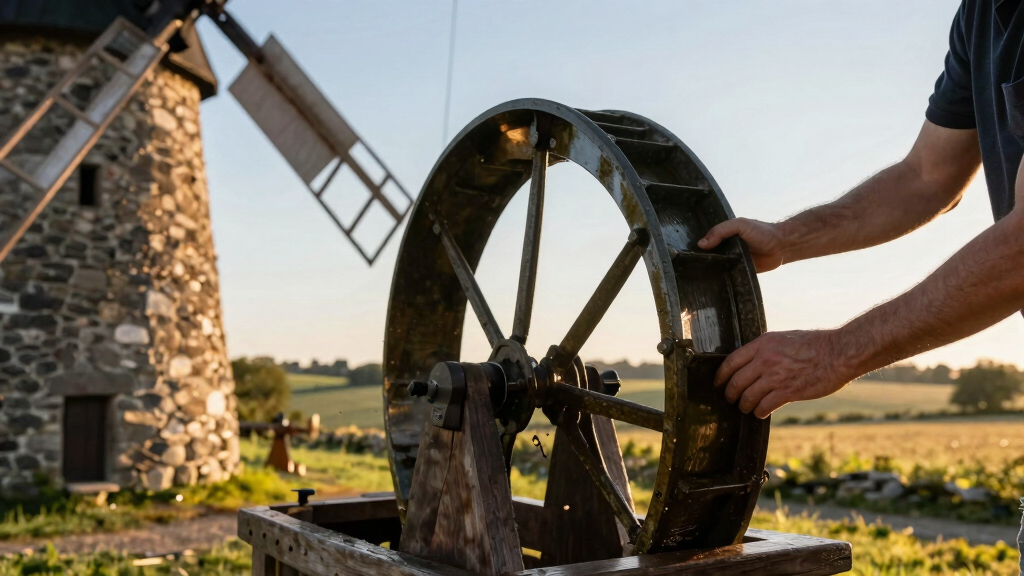
Many ancient civilizations, including the Romans, Egyptians, and Chinese, developed technologies that allowed them to harness natural forces for energy and construction. Roman passive solar building practices, such as regulating eaves and sunlight, exemplify sustainable design principles. Water wheels, used since at least 400 BCE, provided mechanical power for milling and manufacturing. Animal power was essential for transportation and heavy labor, with some remote communities still relying on it today. These methods persisted through history, with many innovations rediscovered multiple times.
“Many cultures have used hand tools, water wheels, and animal power for thousands of years, with some techniques still applicable today in sustainable homesteading.”
— Survivopedia

The Solar House: Passive Heating and Cooling
Used Book in Good Condition
As an affiliate, we earn on qualifying purchases.
As an affiliate, we earn on qualifying purchases.
Uncertainties About Reintegrating Ancient Techniques
While many ancient methods are well-documented, their practical application today depends on local conditions, available materials, and modern regulations. The extent to which these methods can replace or supplement contemporary energy systems remains to be fully evaluated.

The New Horse-Powered Farm: Tools and Systems for the Small-Scale, Sustainable Market Grower
Used Book in Good Condition
As an affiliate, we earn on qualifying purchases.
As an affiliate, we earn on qualifying purchases.
Next Steps for Exploring Ancient Power Techniques
Further research and pilot projects could demonstrate the feasibility of integrating these methods into modern homesteads. Increased awareness and experimentation may lead to broader adoption of sustainable, off-grid power sources based on historical practices.

Sucrain Pocket Chainsaw with Paracord Handle, Folding Chain Hand Saw, Emergency Outdoor Survival Gear for Camping, Hunting, Hiking, Cutting Wood & Tree (Army Green, 11 Teeth, 24'' Long)
【Sharp & Quick】This portable chain saw is about 24 inches long, enough to do a flexible bidirectional motion…
As an affiliate, we earn on qualifying purchases.
As an affiliate, we earn on qualifying purchases.
Key Questions
Can water wheels still be used for energy today?
Yes, water wheels are still used in some small-scale applications where water flow is suitable, such as milling or mechanical power for workshops.
Are ancient passive solar designs effective today?
Many principles of passive solar design, like regulating eaves and building orientation, remain effective and can significantly reduce energy needs.
Is animal power a viable option for modern homesteads?
While less common, animal power is still used in remote areas and for specific purposes, offering a sustainable alternative to machinery.
What are the limitations of adopting ancient energy methods now?
Limitations include local environmental conditions, modern building codes, and the scale of energy needs, which may require combining traditional and modern solutions.
Source: Survivopedia