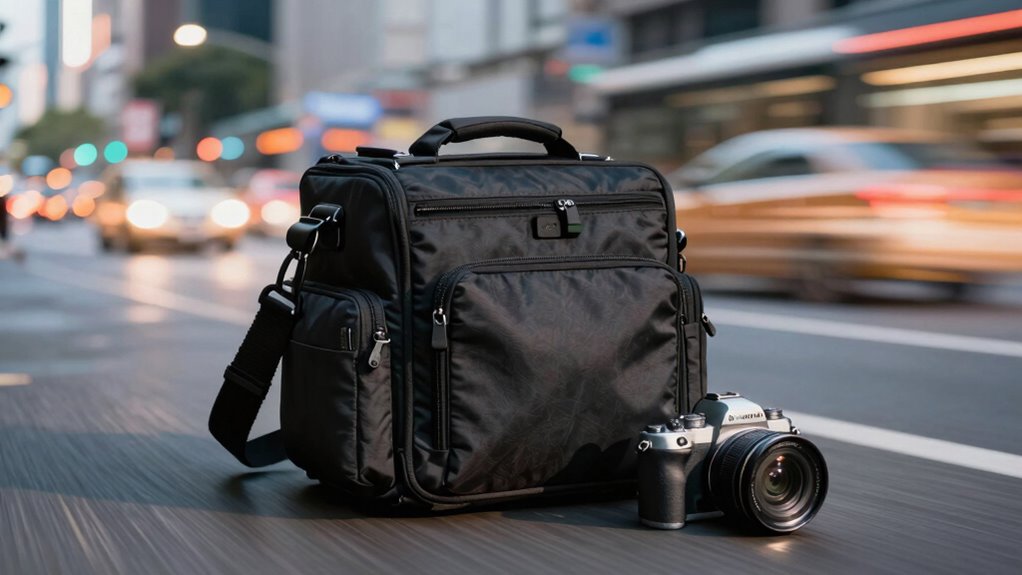

To fly with camera gear quickly, pack a sturdy, padded bag with easy access compartments for your camera, lenses, batteries, and memory cards. Keep all electronics and accessories organized in carry-on luggage, and wear clothing with pockets for smaller items. Prepare your travel documents and permits in advance, and stay informed about airport procedures. Avoid overpacking and keep security checks smooth by organizing your gear efficiently—continue exploring for more tips to keep your journey seamless.
Listen free for 30 days with Audible
Thousands of audiobooks and originals — cancel anytime.
As an affiliate, we earn on qualifying purchases.
Key Takeaways
- Use a padded, quick-access camera bag with organized compartments for easy security clearance.
- Pack only essential gear to reduce weight and streamline the screening process.
- Prepare electronics, batteries, and drone equipment separately for faster inspection.
- Keep travel documents, permits, and important items easily accessible for quick retrieval.
- Familiarize yourself with airport and airline procedures to navigate security efficiently.
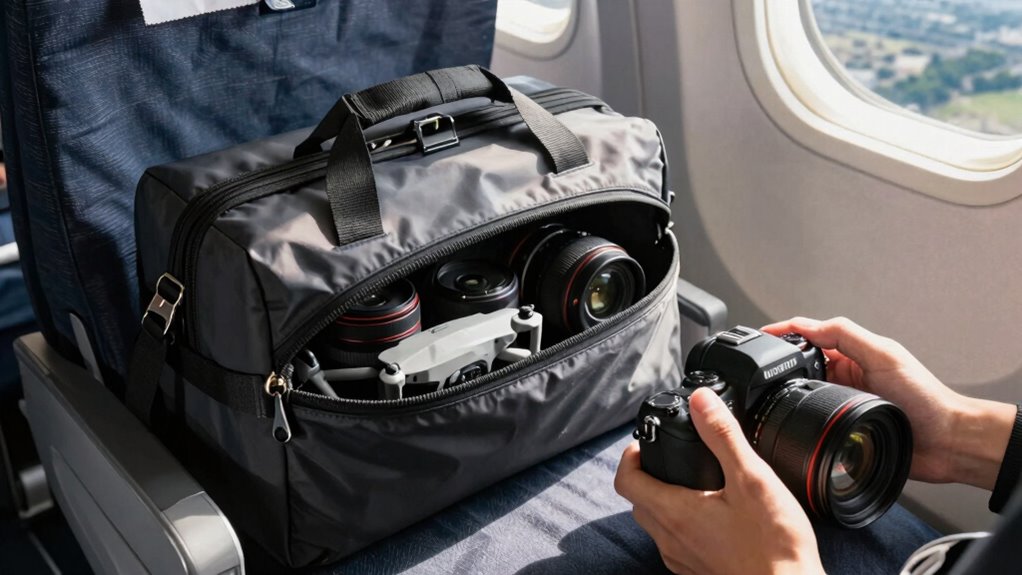
Are you wondering how to travel safely and efficiently with your camera gear? When speed is essential, every second counts, so planning ahead becomes necessary. The first step is understanding drone regulations if you’re bringing a drone along. Different countries and airports have specific rules about flying drones, so check the local laws beforehand. Some airports require you to declare your drone at security, and in certain areas, drone use might be prohibited entirely. Failing to adhere to these regulations can cause delays or confiscation, so familiarize yourself with the rules to avoid surprises. Knowing what’s allowed will help you pack accordingly and prevent last-minute issues.
Understand drone regulations before traveling to avoid delays and ensure smooth security checks.
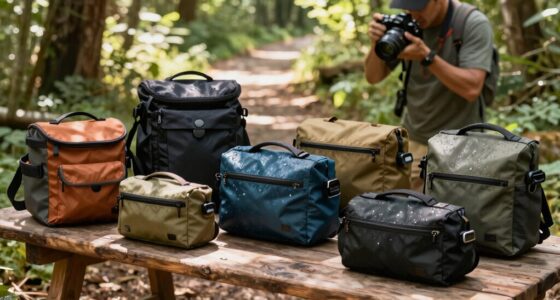
Packing tips are equally important when you’re pressed for time. First, organize your gear efficiently. Use a sturdy, padded camera bag designed for quick access, so you can grab your essentials without rummaging through layers of equipment. Keep your camera, lenses, batteries, and memory cards in separate, easily accessible compartments. This way, you won’t waste precious minutes searching for specific items. Also, carry spare batteries and memory cards in a dedicated, easily reachable pocket or compartment. When you’re rushing, the last thing you want is to scramble through your bag or risk forgetting important accessories.
To speed things up at security, pack your gear strategically. Wear your bulkier items, like a jacket with multiple pockets, to hold smaller accessories like filters and cables. Keep your camera and lenses in a carry-on that meets airline size restrictions, and avoid overpacking—less weight means quicker security checks and easier handling through crowded airports. When passing through security, have your drone’s remote controller, batteries, and other electronics ready to be screened separately to expedite the process. Remember, security staff appreciate when you’re organized, so having everything in order can shave off valuable minutes in the checkpoint line. Additionally, being aware of local airport procedures can help you navigate security more smoothly and avoid unnecessary delays. Knowing the specific airport procedures can also help you prepare for unexpected requirements or restrictions. Staying informed about airline policies related to carrying camera gear can further streamline your travel experience.
When you’re rushing, it’s tempting to throw everything into your bag, but this can lead to fumbling and lost equipment. Instead, prepare a checklist beforehand to guarantee you pack only what you need, avoiding unnecessary weight and complexity. Keep your travel documents, such as permits or flight tickets, in an easily accessible spot. Being well-prepared and respecting drone regulations will help you get through the airport faster and start your journey with minimal stress. Additionally, understanding the importance of regulations can help you avoid legal issues and ensure smooth travel. The key is to stay organized, know the rules, and pack smart—so when speed matters, you’re ready to fly seamlessly with your camera gear.
padded camera bag with quick access compartments
As an affiliate, we earn on qualifying purchases.
As an affiliate, we earn on qualifying purchases.
Frequently Asked Questions
Can I Carry Onboard Drone Batteries Safely?
Yes, you can carry onboard drone batteries safely if you follow battery safety and lithium regulations. Make certain your batteries are in their original packaging or a fireproof container, and keep them easily accessible for security checks. Always check airline policies, as some have specific restrictions on lithium batteries. By adhering to lithium regulations, you guarantee a safe journey and avoid delays or confiscation of your drone batteries.
What Are the Best Packing Tips for Quick Security Checks?
To speed through security, use packaging hacks like compact, organized cases for your camera gear. Pack essentials on top for quick inspection, and utilize lightweight, padded containers to optimize weight and protect your gear. Keep batteries and wires separate in clear, resealable bags to meet regulations. By minimizing bulk and ensuring quick access, you’ll streamline the process, saving time and reducing stress during security checks.
How Do I Handle Customs With High-End Camera Equipment?
When handling customs with high-end camera equipment, you should declare your gear accurately on customs declarations forms. Clearly specify that the equipment is for personal use to avoid unnecessary delays. Carry insurance coverage details to prove its value and safeguard against loss or damage. Keep receipts and documentation handy, as customs may request proof of ownership or value. Staying transparent and prepared helps facilitate the process and ensures your gear’s safety.
Are There Specific Airline Restrictions for Professional Gear?
Think of airline restrictions like a tightrope walk—you need balance. Most airlines have specific baggage policies for professional gear, including size and weight limits, so check beforehand. Some airlines allow camera equipment as carry-on, but others might treat it as checked luggage. Always review travel insurance coverage for your gear, and confirm airline policies to avoid surprises. Staying informed helps you navigate this delicate balancing act smoothly.
What’s the Best Way to Secure Fragile Camera Lenses During Travel?
To secure fragile camera lenses during travel, you should prioritize lens protection and shock absorption. Use padded, dedicated camera cases with foam inserts to cushion your lenses from impacts. Wrap lenses in soft microfiber cloths for extra protection, and consider using lens caps at all times. Always handle your gear carefully, and store it in carry-on luggage to minimize rough handling and guarantee you’re around to monitor its safety.
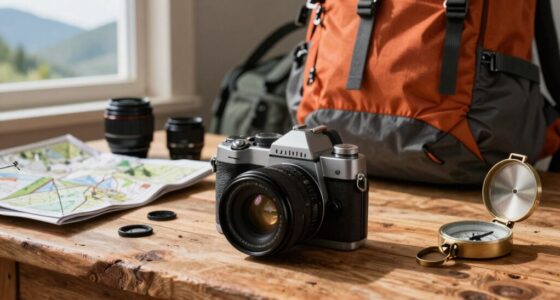
carry-on luggage for camera gear
As an affiliate, we earn on qualifying purchases.
As an affiliate, we earn on qualifying purchases.
Conclusion
So, next time you’re jetting off with your camera gear, remember—you’re not just packing equipment; you’re wielding the power to freeze moments in time or capture a slice of eternity. Treat your gear like precious treasure, and you’ll be unstoppable. With these tips, you’re not just flying—you’re soaring through the skies with the speed of lightning, ready to capture history before it slips away. Your camera gear isn’t just luggage—it’s your passport to immortality!
organized camera accessories case
As an affiliate, we earn on qualifying purchases.
As an affiliate, we earn on qualifying purchases.
As an affiliate, we earn on qualifying purchases.
NFL season / tailgating Picks
team gear
As an affiliate, we earn on qualifying purchases.