TL;DR

Get sports gear delivered free with Prime
- Fast, free delivery on millions of items
- Prime Video, Amazon Music and more included
- Member-only deals all year
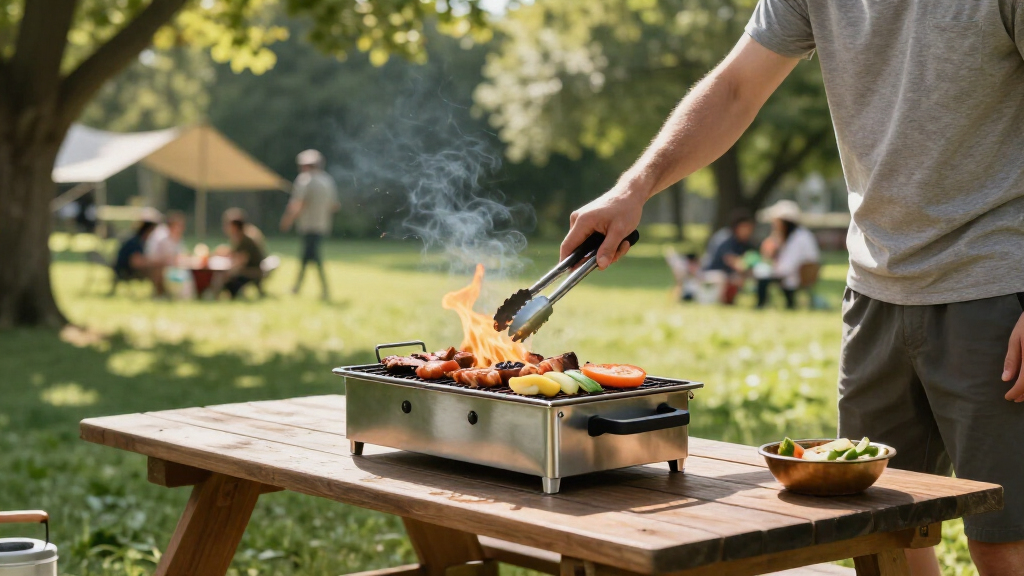
Portable outdoor grills come in various styles, fuel types, and sizes. Picking the best one involves understanding your cooking needs, transportation limits, and safety considerations. This guide helps you choose confidently for camping, tailgating, or balcony grilling.
Imagine the aroma of sizzling burgers on a warm summer evening, the crackle of a campfire, or the scent of grilled vegetables by the beach. Portable outdoor grills turn these scenes into reality, fitting into your car trunk or balcony with ease. But with so many options, how do you pick the right one? Whether you’re a weekend camper, a tailgate enthusiast, or someone who loves balcony barbecues, understanding what makes a portable grill truly functional matters. This isn’t just about size or weight — it’s about safety, fuel, capacity, and ease of use. This guide walks you through the essentials, helping you find the perfect fit for your outdoor cooking adventures.
Let’s explore the key features, recent innovations, and practical tips to make your choice simple and confident. By the end, you’ll know exactly what to look for and how to get the most out of your portable grill, no matter where you cook.
Fuel choice impacts not just flavor but convenience and safety—propane offers quick, clean heat; charcoal provides smoky richness; electric is perfect for balc…
Size and weight aren’t everything. Match your grill’s portability features—handles, wheels, foldability—to your activity and transport method.
Safety is critical: stable setup, proper fuel handling, and outdoor use are non-negotiable for enjoyable, accident-free grilling.
Latest innovations like wind-resistant burners, Bluetooth controls, and interchangeable accessories make portable grilling more versatile and fun.
Regular maintenance—cleaning, inspecting, and proper storage—extends your grill’s lifespan and ensures safe operation.
What Fuel Type Works Best for Your Outdoor Grill Needs?
Choosing the right fuel type is the first step in selecting a portable grill. Propane is the most popular, offering quick start-up, easy temperature control, and clean-burning operation. It’s perfect for tailgating or backyard balcony setups, especially with refillable tanks that last longer and are more economical. Charcoal grills, on the other hand, deliver that smoky, rich flavor many grillmasters crave. They take longer to heat and cool but excel at high-temperature searing. Electric grills provide a smoke-free experience—ideal for apartment balconies or places with strict fire rules—though performance depends heavily on available power outlets. Pellet grills combine the wood-smoke flavor with precise temp control, but they’re heavier and often need electricity. Multi-fuel options suit rustic settings or remote spots where different fuels are accessible.
Understanding the implications of each fuel type is crucial because it affects your outdoor experience. For instance, propane offers convenience and quick setup, making it ideal for impromptu grilling sessions or when you need reliable heat in a short time. Charcoal, while requiring more effort, provides a flavor profile that many consider unmatched, but it demands more time for ignition and cleanup, which can be inconvenient on busy days. Electric grills eliminate fire hazards and mess but are limited by the availability of power sources, restricting where you can use them. Pellet grills, offering a hybrid of flavor and control, are excellent for dedicated outdoor cooks but less practical for quick, on-the-go grilling due to their weight and power needs. Tradeoffs like these influence your choice based on how much effort you’re willing to invest, the flavor you desire, and the convenience you require.
For example, if you’re headed for a weekend camping trip in a state park with fire restrictions, a propane or electric model could be your best bet because they balance safety and ease of use. Conversely, if you’re hosting a backyard barbecue and want that authentic smoky flavor, charcoal might be worth the extra effort despite its longer setup time. Recognizing these tradeoffs ensures you select a fuel type that aligns with your outdoor lifestyle, safety considerations, and flavor preferences, ultimately enhancing your overall grilling experience.
portable propane grill for camping
As an affiliate, we earn on qualifying purchases.
As an affiliate, we earn on qualifying purchases.
How to Pick a Portable Grill That Fits Your Adventure
Picking a portable grill isn’t just about size; it’s about how well it integrates into your outdoor routine. Here’s a simple step-by-step process:
- Assess your typical outings: Do you camp solo or with a group? Will you need to cook for four or twenty? Your cooking capacity should match your crew.
- Determine your transport method: Will it go in a car trunk, RV, or be carried by hand? Lighter, foldable models suit car camping, while rugged, wheeled units work better for tailgating.
- Consider fuel logistics: Is propane readily available? Do you prefer the simplicity of electric, or do you want the smoky flavor of charcoal?
- Match size and weight: For backpacking, a small tabletop model under 10 pounds works. For car camping or tailgating, look for something that packs flat but still offers ample cooking space.
- Check safety features: Stability on uneven ground, secure lid locks, and heat-resistant handles prevent accidents during transport or setup.
Understanding these factors deeply matters because it ensures you choose a grill that not only fits your current needs but also adapts to different outdoor scenarios. For example, selecting a lightweight, easily ignitable propane grill for a weekend lakeside trip means you can set up quickly without fuss, leaving more time to enjoy your outing. On the other hand, opting for a larger, wheeled cart grill for tailgating provides the capacity and stability needed for extended outdoor socializing. Recognizing the implications of each feature helps you avoid common pitfalls—such as choosing a heavy, bulky model that’s hard to transport or a small grill that doesn’t meet your cooking demands—thus ensuring your outdoor cooking is enjoyable, safe, and efficient.
By following this process, you can confidently evaluate your needs and select a portable grill that enhances your outdoor experiences, whether it’s a quick snack at the park or a hearty feast at the campsite.
compact charcoal grill for tailgating
As an affiliate, we earn on qualifying purchases.
As an affiliate, we earn on qualifying purchases.
Comparing Portable Grill Styles: Which One Is Right for You?
| Feature | Tabletop Grill | Cart-Style Grill | Suitcase/Travel Grill |
|---|---|---|---|
| Size & Portability | Compact, fits on a table, lightweight | Bulkier, includes wheels & handles | Small, foldable, suitcase-like design |
| Performance | Good for quick meals, limited space | More cooking area, stable on ground | Best for light, quick grilling |
| Ideal Use | Parks, balconies, small picnics | Tailgating, family trips, beach days | Camping, small outings, hotel rooms |
| Fuel Compatibility | Propane, electric options | Propane, charcoal, electric | Propane, electric |
| Ease of Transport | Very easy, carry with handle | Requires some effort, wheels help | Lightweight, foldable for travel |
Choosing between these styles depends on where and how you’ll cook. For instance, a tabletop grill is perfect for balcony barbecues or quick beach snacks. Meanwhile, a cart-style grill offers more space and stability for longer tailgate sessions. Suitcase models excel when space is tight, like in hotel rooms or small car trunks.
Understanding the differences in these styles is critical because your choice directly impacts convenience, setup time, and the overall outdoor experience. For example, a compact tabletop grill is ideal for spontaneous picnics, but it might lack the capacity needed for a large family feast. Conversely, a cart-style grill provides ample cooking space and stability, making it suitable for social gatherings but less portable for quick trips. Recognizing these tradeoffs allows you to select a style that aligns with your typical outdoor activities and storage options, ensuring you’re prepared and satisfied with your choice.
electric portable grill for balcony
As an affiliate, we earn on qualifying purchases.
As an affiliate, we earn on qualifying purchases.
What Features Make a Portable Grill Safe and Easy to Use?
Safety and simplicity are the backbone of a good portable grill. Look for sturdy legs, secure latches, and heat-resistant handles. A well-built grill won’t wobble on uneven ground or spill fuel during transport. For example, a model with locking lid latches and stable rubber feet will stay put when you’re flipping burgers or checking the heat.
Ease of use means quick ignition, straightforward temperature control, and easy cleanup. Many propane grills now feature push-button igniters that spark with a click, avoiding matches. Removable grease trays and dishwasher-safe grates cut down on post-cook mess. Always inspect hoses and valves for cracks or leaks before each trip — safety first.
Imagine arriving at a remote campsite after a long drive. You want to set up your grill in minutes, with minimal fuss and maximum safety. That’s where features like quick-assembly stands, secure fuel storage, and cool-touch handles shine.
Proper safety practices include operating grills outdoors, away from overhanging branches or dry grass, and never leaving a hot grill unattended. Regularly checking for leaks or damages, and following manufacturer instructions, are critical steps to prevent accidents. Remember, safety isn’t just about avoiding injuries; it’s about ensuring your outdoor cooking remains enjoyable and incident-free. Recognizing the importance of these features and practices helps you create a safe environment for yourself and others while enjoying your outdoor meals.
As an affiliate, we earn on qualifying purchases.
Latest Trends and Innovations in Portable Grilling Technology
The portable grill market is evolving fast, blending convenience with tech. Recent trends include foldable stands, integrated wheels, and suitcase-style designs that pack flat and are easy to stow. Wind-resistant burners and improved heat distribution help maintain steady cooking even in breezy conditions. For example, some models now include wind shields that double as heat reflectors, boosting efficiency.
Battery-powered ignition and electronic temperature controls are becoming common, making lighting and managing heat simpler. Premium models even connect via Bluetooth or Wi-Fi, allowing remote monitoring and adjustments—imagine tweaking your grill’s heat from your phone while lounging in a hammock.
Interchangeable accessories like griddles, pizza stones, and stove-style burners expand cooking options without adding bulk. Flat-top griddles are especially popular for breakfast and group cooking, turning a simple grill into a versatile outdoor kitchen.
Despite these advances, weight and runtime remain challenges for electric and pellet grills. Still, these innovations are shifting what’s possible in portable outdoor cooking, making it more convenient, fun, and flavorful.
How to Maintain Your Portable Grill for Long-Lasting Performance
Keeping your portable grill in top shape isn’t complicated, but it’s essential for safety and durability. After each use, unplug and cool the grill completely. Remove and clean the grease tray, making sure to dispose of fats properly to prevent flare-ups during your next cookout. Use a wire brush to scrub the grates, especially if you cooked oily or sticky foods.
For propane models, check hoses and connections for cracks or leaks—spraying a soap solution can reveal leaks with bubbles. Store tanks upright in a cool, ventilated area, away from direct sunlight or heat sources. If you’re headed to the beach, rinse saltwater off the grill’s exterior and dry thoroughly to prevent corrosion.
Periodically inspect the burners, valves, and regulators for wear. Replacing parts like grates or grease trays can extend your grill’s lifespan. When not in use for a while, cover the grill with a weatherproof cover, but ensure it’s dry underneath to prevent rust.
A well-maintained grill will serve you reliably for years, whether you’re flipping burgers in the backyard or grilling fish on a mountain lake.
Safety First: Tips for Using Your Portable Grill Responsibly
Safety isn’t just a rule—it’s a mindset. Always operate your grill outdoors in open, well-ventilated spaces. Never use charcoal or gas grills inside tents, vehicles, or enclosed patios. Keep your grill on stable, noncombustible surfaces, away from overhanging branches, dry grass, or wooden decks.
For example, setting up a propane grill on a concrete patio away from the house wall prevents dangerous flare-ups. Use heat-resistant gloves and long-handled tools to avoid burns. Keep a fire extinguisher or a bucket of water nearby in case of flare-ups.
Allow charcoal to cool completely before disposal — even seemingly cold coals can reignite if not handled properly. Store propane cylinders upright, secured, and away from direct sunlight or heat sources. Remember, a small mistake can lead to serious accidents, so double-check connections and follow manufacturer instructions carefully.
In wildfire-prone areas, obey local fire restrictions and consider alternatives like electric grills. Respecting these rules keeps everyone safe and helps preserve outdoor spaces for future adventures.
Recognizing common hazards and following proper procedures ensures your outdoor grilling remains safe and enjoyable, preventing accidents and preserving the natural environment you love to cook in.
Frequently Asked Questions
Which fuel type is safest for portable outdoor grills?
Propane is generally considered safe when used properly, especially with secure tanks and good ventilation. Electric grills eliminate fire risks but require access to power. Charcoal requires careful handling to prevent flare-ups. Always follow manufacturer instructions and safety guidelines.How much cooking space do I need for a family of four?
A grill with around 150–200 square inches of cooking area usually suffices for four people, allowing room for steaks, burgers, and vegetables. For larger groups or frequent entertaining, opt for 250 square inches or more to avoid crowding and uneven cooking.Can I use a portable grill on my balcony?
Yes, if local regulations and building rules permit. Electric grills are often the safest choice for balconies because they produce minimal smoke and no open flame. Always check your building’s rules and keep the grill away from overhangs and combustible materials.How long does a 1-pound propane cylinder last?
On average, a 1-pound propane tank provides about 1 to 1.5 hours of cooking time at moderate heat. Actual runtime depends on the grill’s BTU rating and how high you turn up the heat. For longer cooking sessions, consider larger refillable tanks or multiple cylinders.Are electric portable grills really smokeless?
Most electric grills produce significantly less smoke than gas or charcoal models, but they can still create some grease smoke, especially if cooking fatty foods. They’re ideal for smoke-sensitive environments like apartments but check local rules before use.Conclusion
Your perfect portable grill isn’t just about size or price; it’s about how well it fits your outdoor life. Whether you’re flipping burgers on a beach or searing steaks on a balcony, the right features make all the difference. Think about your needs, safety, and convenience — then choose confidently.
Remember, a great grill turns a simple meal into a memorable moment. So, get out there, fire it up, and savor the outdoor cooking adventure that awaits.
Fall Picks
fall essentials
As an affiliate, we earn on qualifying purchases.