
When you’re capturing sports action, the difference between cheap and premium all-around lenses is huge. Premium lenses give you better image quality, sharper clarity, and wider zoom ranges, letting you adapt quickly to changing scenes. They excel in low-light situations thanks to wider apertures and advanced optics, reducing distortion and glare. With superior build quality, they’re built to last. If you want to know how these factors can elevate your photography, keep exploring the topic.
Key Takeaways
- Premium lenses deliver superior image quality, minimizing distortion and enhancing clarity for capturing fast-paced sports action.
- Cheap lenses often lack necessary zoom versatility, limiting adaptability for quick transitions between wide shots and close-ups during unpredictable moments.
- Premium lenses feature wider apertures for better low-light performance, allowing for fast shutter speeds without compromising image quality.
- The advanced optics in premium lenses reduce glare and chromatic aberration, ensuring crisp and clear images under various lighting conditions.
- Built with durable materials, premium lenses provide long-term reliability and better withstand the demands of sports photography.
When you’re capturing the fast-paced action of sports, choosing the right lens can make all the difference. You want to guarantee that every moment is frozen in time with stunning clarity, and that’s where the real difference between cheap and premium all-around lenses comes into play. While it might be tempting to save a few bucks and go for a lower-cost option, you’ll soon realize that investing in a premium lens pays off, especially for sports photography.
Cheap lenses often lack the zoom versatility you need to adapt to different scenarios. Whether you’re shooting a soccer match from afar or zooming in on a basketball player making a slam dunk, you need a lens that can keep up. A premium lens usually offers a wider zoom range, allowing you to quickly switch between wide shots and close-ups without missing a beat. This flexibility is essential when the action is unfolding rapidly, and you don’t have time to reposition yourself. Additionally, lens adaptability plays a crucial role in capturing dynamic sports moments effectively. A versatile lens enhances your ability to react swiftly to unpredictable moments on the field or court.
Cheap lenses often struggle with zoom versatility, while premium options allow seamless transitions between wide shots and close-ups, essential for fast-paced sports action.
Moreover, the image quality produced by premium lenses is typically superior. You’ll notice that cheap lenses often struggle with distortion and chromatic aberration, especially at the edges of the frame. These imperfections can ruin an otherwise perfect shot, particularly when you’re trying to highlight the intensity of a play. In contrast, higher-end lenses are designed with advanced optics that minimize such issues, resulting in crisp, clear images that truly capture the essence of the moment. Incorporating advanced optical design is key to achieving the best possible image fidelity in sports photography.
Another aspect to reflect upon is low-light performance. Sports events often take place in varying lighting conditions, from bright stadium lights to dimly lit indoor arenas. Premium lenses generally feature wider apertures, which allow more light to hit the sensor. This means you can maintain fast shutter speeds to freeze the action, even in challenging lighting situations, without sacrificing image quality. In contrast, cheap lenses might leave you with blurry shots or high noise levels due to higher ISO settings.
Furthermore, advanced lens technology in premium lenses often includes coatings and improvements that reduce glare and lens flare, ensuring your shots remain sharp and contrast-rich even in challenging lighting conditions. These technological enhancements play a significant role in ensuring your photos retain their clarity and impact.
Lastly, the build quality of premium lenses can’t be overlooked. They’re often constructed with more durable materials, making them better equipped to handle the rigors of sports photography. You want a lens that can endure the hustle and bustle of the field or court, and premium lenses are built for just that. Investing in such quality also means you’re less likely to encounter mechanical issues during critical moments.
In the end, while the upfront cost might be higher, the benefits of investing in a premium all-around lens for sports photography far outweigh the drawbacks. You’ll find that the combination of zoom versatility and exceptional image quality elevates your game, capturing those unforgettable moments with clarity and precision.

Canon EOS Rebel T7 DSLR Camera Double Zoom Lens Kit with EF-S 18-55mm and EF 75-300mm Lenses, 24.1 Megapixel CMOS (APS-C) Sensor, Full HD Videos, Wi-Fi, Beginner Photographers, Digital Camera, Black
Improved Dual Pixel CMOS AF and eye detection AF 24.1 Megapixel CMOS (APS-C) sensor with is 100–6400 (H:…
As an affiliate, we earn on qualifying purchases.
As an affiliate, we earn on qualifying purchases.
Frequently Asked Questions
How Do Weather Conditions Affect Lens Performance?
Weather conditions can greatly affect lens performance. In rain or snow, lens durability is essential; cheaper lenses might fog up or become damaged, while premium ones often resist moisture better. Extreme temperatures can also impact autofocus speed; lenses can struggle to lock focus in cold or hot conditions. So, when shooting in varied environments, invest in high-quality lenses to guarantee you get sharp images and reliable performance, no matter the weather.
Can I Use a Cheap Lens for Professional Sports Photography?
You can use a cheap lens for professional sports photography, but it comes with trade-offs. Affordable options often struggle with image sharpness, especially in low light or fast-moving scenarios. While you might capture some decent shots, you’ll likely miss critical moments due to slower autofocus and lower build quality. Investing in a premium lens usually pays off in better performance and reliability, enhancing your ability to capture those action-packed moments.
What Maintenance Is Required for Premium Lenses?
To maintain your premium lenses, regular lens cleaning is essential. Use a microfiber cloth and lens cleaning solution to avoid scratches. Check for smudges or dust before each shoot. If your lenses have protective coatings, be gentle when cleaning to preserve their integrity. Store your lenses in a dry, dust-free environment, and consider using lens caps or cases when not in use. These simple steps help keep your equipment performing at its best.
How Do Lens Filters Impact Image Quality?
Using a polarizing filter, you can dramatically enhance contrast and reduce glare in your outdoor sports shots. Lens filters can impact image quality considerably, depending on the filter type you choose. For example, a high-quality UV filter maintains optical clarity, while a cheaper version might introduce distortion. Always consider the trade-offs; a good filter can protect your lens without compromising the image quality, whereas a low-quality filter can lead to blurry results.
Are Used Lenses a Good Alternative to New Ones?
Used lenses can be a great alternative to new ones. They often come with significant cost savings, allowing you to invest in higher-quality glass or additional accessories. However, you should consider factors like the lens’s condition, any signs of wear, and the seller’s reputation. Doing your research guarantees you’re making a smart choice. Just remember, a well-maintained used lens can perform nearly as well as a new one, providing excellent value.

Canon EF 75-300mm f/4-5.6 III Telephoto Zoom Lens for Canon SLR Cameras
75-300 millimeter telephoto zoom lens with f 4-5.6 maximum aperture for Canon SLR cameras
As an affiliate, we earn on qualifying purchases.
As an affiliate, we earn on qualifying purchases.
Conclusion
To sum up, the choice between cheap and premium all-around lenses can greatly impact your sports photography. Did you know that over 70% of professional photographers agree that lens quality directly affects image sharpness? Investing in a premium lens not only enhances your shots but also boosts your confidence in capturing those fast-paced moments. So, whether you’re shooting on the sidelines or at the finish line, remember that the right lens can make all the difference!
Canon EF 75-300mm f/4-5.6 III Telephoto Zoom Lens for Canon SLR Cameras
75-300 millimeter telephoto zoom lens with f 4-5.6 maximum aperture for Canon SLR cameras
As an affiliate, we earn on qualifying purchases.
As an affiliate, we earn on qualifying purchases.
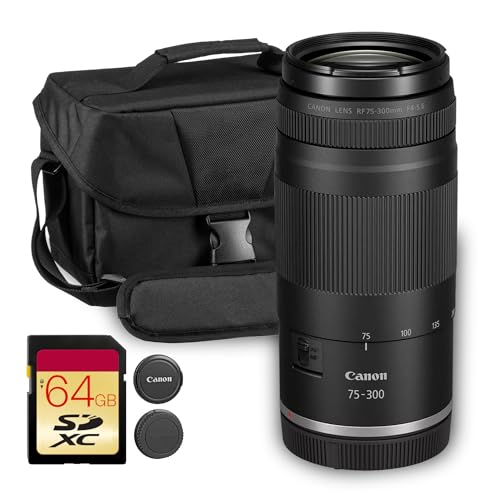
Canon RF 75-300mm f/4-5.6 Lens | Compact Telephoto Zoom with Versatile Focal Range & Smooth Autofocus | Great for Sports, Wildlife, Travel & Everyday Photography (7155C002) + Shoulder Bag + 64GB Card
Canon USA Authorized. Items Include: Canon RF 75-300mm f/4-5.6 Lens (Canon RF), Bag, 64GB UHS-I SDXC Memory Card
As an affiliate, we earn on qualifying purchases.
As an affiliate, we earn on qualifying purchases.