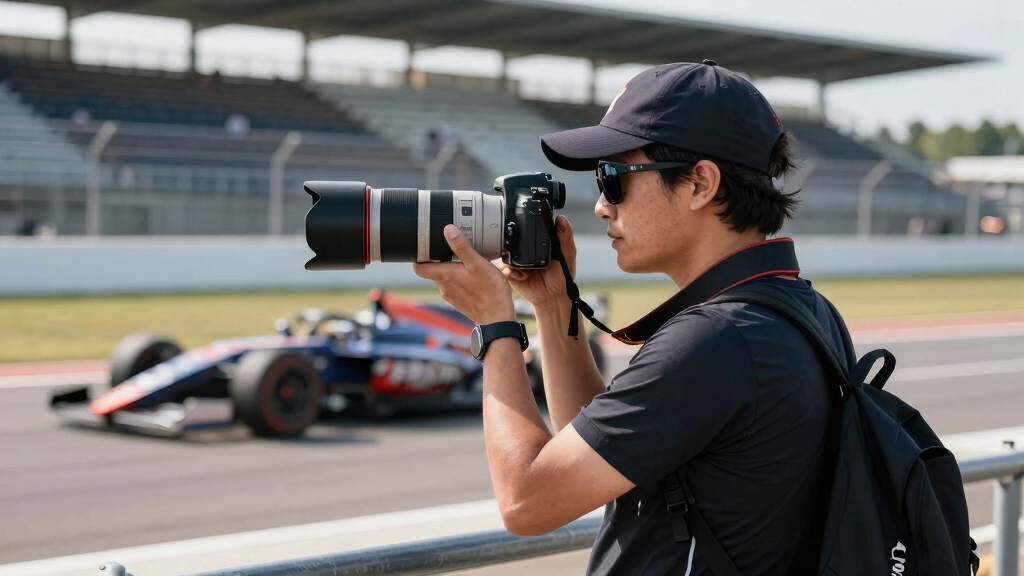

Choosing the best lenses for race track photography involves balancing speed, reach, and image quality. The Sony FE 70-200mm F2.8 GM OSS II stands out as the overall top pick thanks to its fast aperture and sharpness across zoom ranges. The Sony FE 200-600mm f/5.6-6.3 G OSS offers exceptional reach for capturing distant cars, while the Canon RF 70-200mm F2.8 L IS USM provides superb performance for Canon shooters. However, tradeoffs like weight, cost, and autofocus speed mean no single lens is perfect for every scenario. Continue reading for a detailed breakdown to find your perfect match.
Key Takeaways
- Fast aperture lenses like f/2.8 are crucial for freezing motion and low-light conditions on the track.
- Telephoto zooms with long focal lengths provide the necessary reach to capture distant cars clearly.
- Image stabilization becomes essential when shooting at longer focal lengths to prevent motion blur.
- Budget options can deliver decent quality but often lack the speed and sharpness needed for high-speed action.
- Versatile zoom lenses can reduce lens swapping but may compromise on maximum aperture and autofocus speed.
| Sony FE 70-200mm F2.8 GM OSS II Full-Frame Constant-Aperture Telephoto Zoom G Master Lens |  | Best Overall for Versatile Race Track Photography | Focal Length: 70-200mm | Maximum Aperture: f/2.8 | Weight: 2.3 lbs (1045g) | VIEW LATEST PRICE | See Our Full Breakdown |
| Sony FE 200-600mm f/5.6-6.3 G OSS Super Telephoto Zoom Lens |  | Best for Extended Reach and Wildlife-Style Race Action | Focal Length: 200-600mm | Aperture Range: f/5.6-6.3 | Focus Motor: Direct Drive Supersonic Wave Motor (SSM) | VIEW LATEST PRICE | See Our Full Breakdown |
| Canon RF 70-200mm F2.8 L IS USM Lens |  | Best for Low-Light and Compact Performance | Focal Length: 70-200mm | Maximum Aperture: f/2.8 | Image Stabilization: 5 stops | VIEW LATEST PRICE | See Our Full Breakdown |
| Canon RF24-70mm F2.8 L IS USM Lens for EOS R Series Mirrorless Cameras |  | Best for Versatile Trackside Shooting and Close Action | Focal Length: 24-70mm | Maximum Aperture: f/2.8 | Image Stabilization: 5 stops | VIEW LATEST PRICE | See Our Full Breakdown |
| Canon RF200-800mm F6.3-9 IS USM Super-telephoto Zoom Lens |  | Best for Extreme Telephoto Reach and Wildlife-Style Race Shots | Focal Length: 200-800mm | Maximum Aperture: F/6.3-9 | Image Stabilization: 5.5 stops | VIEW LATEST PRICE | See Our Full Breakdown |
| Tamron 17-70mm f/2.8 Di III-A VC RXD Lens for Sony E APS-C Mirrorless Cameras |  | Best Versatile Zoom for Dynamic Race Track Shots | Focal Length Range: 17-70mm (25.5-105mm full-frame equivalent) | Aperture: f/2.8 | Mount Type: Sony E | VIEW LATEST PRICE | See Our Full Breakdown |
| Canon EF 75-300mm f/4-5.6 III Telephoto Zoom Lens |  | Best Budget Telephoto for Distant Race Action | Focal Length: 75-300mm | Maximum Aperture: f/4-5.6 | Lens Construction: 13 elements in 9 groups | VIEW LATEST PRICE | See Our Full Breakdown |
| Canon EF 50mm f/1.8 STM Lens, Black |  | Best Prime for Sharp, Low-Light Action Shots | Focal Length & Maximum Aperture: 50mm f/1.8 | Lens Construction: 6 elements in 5 groups | Diagonal Angle of View: 46° | VIEW LATEST PRICE | See Our Full Breakdown |
| Canon RF50mm F1.8 STM Lens for EOS R Series Mirrorless Cameras |  | Best Compact Prime for Canon R System Race Shots | Focal Length: 50mm | Aperture: f/1.8 | Lens Type: Prime | VIEW LATEST PRICE | See Our Full Breakdown |
| Xenvo Pro Lens Kit for iPhone and Android: Macro & Wide Angle Lenses with LED Light | 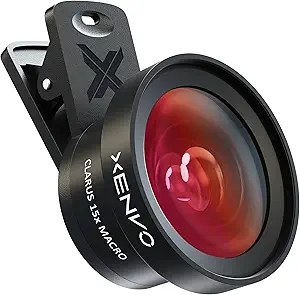 | Best Smartphone Accessory for Close and Wide Shots | Focal Lengths: 0.45x (Wide Angle), 15x (Macro) | Compatible Devices: Universal | Lens Design: Manual Focus | VIEW LATEST PRICE | See Our Full Breakdown |
| EF 85mm f1.8 Manual Focus Portrait Lens for Canon DSLRs |  | Best Manual Prime for Precise Race Track Shots | Focal Length: 85mm | Aperture Range: f/1.8 – f/22 | Lens Mount: Canon EF/EF-S | VIEW LATEST PRICE | See Our Full Breakdown |
| Tamron 70-300mm F/4.5-6.3 Di III RXD for Sony E-Mount |  | Best Lightweight Telephoto for Sony E-mount Race Track Shots | Focal Length: 70-300mm | Aperture Range: F/4.5-6.3 | Weight: 19.2 oz | VIEW LATEST PRICE | See Our Full Breakdown |
More Details on Our Top Picks
Sony FE 70-200mm F2.8 GM OSS II Full-Frame Constant-Aperture Telephoto Zoom G Master Lens
The Sony FE 70-200mm F2.8 GM OSS II stands out for its exceptional optical quality and versatility, making it the top choice for capturing fast-moving race cars at different distances. Compared to the Canon RF 70-200mm F2.8, it offers a lighter design without sacrificing sharpness, but lacks in-body stabilization, which means you need a steady hand or tripod for best results. Its fast autofocus and reduced focus breathing are ideal for both stills and video, though the $1,500+ price tag might deter casual shooters. This lens is perfect for professional photographers who need a reliable, high-quality zoom with excellent image clarity across the entire focal range.
Pros:- Exceptional optical quality with advanced aberration correction
- Lightest 70-200mm F2.8 lens in its class
- Fast, precise autofocus suitable for high-speed subjects
Cons:- Price exceeds $1,500, limiting accessibility for amateurs
- No built-in image stabilization, relying on camera stabilization
Best for: Professional race track photographers seeking a lightweight, versatile zoom for both stills and video
Not ideal for: Casual hobbyists on a tight budget who prefer simpler, less expensive options or those relying solely on in-body stabilization
- Focal Length:70-200mm
- Maximum Aperture:f/2.8
- Weight:2.3 lbs (1045g)
- Autofocus Speed:Up to 4x faster than previous model
- Teleconverter Compatibility:1.4x and 2x (sold separately)
- Optical Elements:Aspherical and ED glass
Bottom line: This lens is best suited for serious professionals who prioritize optical excellence and versatile performance on the race track.
Sony FE 200-600mm f/5.6-6.3 G OSS Super Telephoto Zoom Lens
This Sony FE 200-600mm lens excels at capturing distant fast-action with remarkable resolution, especially compared to shorter zooms like the Canon RF 70-200mm. Its 5x ED glass elements reduce flare and ghosting, which is a significant advantage when shooting in bright, reflective race environments. The variable aperture, however, limits low-light performance, making it less ideal for evening races or low-light conditions. Its large size and weight are tradeoffs for its incredible focal length, but for those needing to photograph distant cars or bikes, this lens offers unmatched reach and autofocus speed. It’s perfect for photographers who want to cover wide track areas without moving closer.
Pros:- Excellent resolution across the entire zoom range
- Advanced optical design reduces flare and aberration
- Fast, quiet autofocus
Cons:- Variable aperture limits low-light use
- Large, heavy design can be cumbersome during long shoots
Best for: Amateur or semi-professional shooters needing extreme zoom reach for distant race angles
Not ideal for: Photographers looking for low-light performance or compact lenses for quick, on-the-move shots
- Focal Length:200-600mm
- Aperture Range:f/5.6-6.3
- Focus Motor:Direct Drive Supersonic Wave Motor (SSM)
- Optical Elements:5x ED glass
- Coating Technology:Nano AR Coating
- Stabilization:Optical SteadyShot (OSS)
Bottom line: Ideal for capturing distant race action, this lens offers unmatched reach at the expense of size and low-light capability.
Canon RF 70-200mm F2.8 L IS USM Lens
The Canon RF 70-200mm F2.8 L IS USM offers a bright aperture and excellent stabilization, making it a strong choice for race track photography in variable lighting conditions. Compared to the Sony 70-200mm F2.8 GM, it delivers up to 5 stops of stabilization, which is vital for handheld shots during fast-paced events. Its compact, weather-resistant build makes it easier to carry around the pit lane or trackside. However, its higher price tag reflects its professional-grade features, limiting accessibility for casual photographers. This lens is best for Canon EOS R users who need a reliable, versatile zoom with excellent low-light performance and stabilization.
Pros:- Bright f/2.8 aperture ideal for variable lighting
- Up to 5 stops of optical stabilization
- Compact and weather-resistant for all-day shooting
Cons:- Premium price limits accessibility
- Limited to Canon RF system
Best for: Canon EOS R shooters wanting a lightweight, fast autofocus lens with stabilization for race day
Not ideal for: Shooters on a tight budget or those using non-R Canon systems, as it’s exclusive to Canon’s RF mount
- Focal Length:70-200mm
- Maximum Aperture:f/2.8
- Image Stabilization:5 stops
- Focus Type:Nano USM
- Weight:3.1 lbs (1430g)
- Weather-Resistance:Yes
Bottom line: A perfect choice for Canon shooters needing a fast, stabilized zoom that performs well in changing race conditions.
Canon RF24-70mm F2.8 L IS USM Lens for EOS R Series Mirrorless Cameras
The Canon RF24-70mm F2.8 lens offers a flexible zoom range perfect for capturing both wide shots of the track and close-up action, making it a good all-rounder. Its constant f/2.8 aperture ensures sharp images even in challenging light, while the optical stabilization up to 5 stops benefits handheld shots. Compared with the 70-200mm, it covers a broader range of compositions, but at the expense of reach, which limits its effectiveness for distant subjects like high-speed cars far down the track. Its weight is also higher, which can cause fatigue during extended shoots. This lens suits photographers who want a versatile, high-quality lens for a variety of race scenarios.
Pros:- Constant f/2.8 aperture for sharp images in low light
- High-quality optical stabilization
- Smooth, quiet autofocus for video
Cons:- Heavier than longer telephoto lenses
- Limited reach for distant subjects
Best for: Semi-professional shooters needing a versatile lens that balances wide and telephoto capabilities
Not ideal for: Photographers focusing exclusively on distant fast-moving cars, as it lacks the long reach of dedicated telephoto lenses
- Focal Length:24-70mm
- Maximum Aperture:f/2.8
- Image Stabilization:5 stops
- Autofocus Technology:Nano USM
- Weight:1.9 lbs (860g)
- Compatibility:Canon EOS R
Bottom line: This lens is ideal for versatile race photography that requires both wide vistas and close action shots, but not for distant high-speed vehicles.
Canon RF200-800mm F6.3-9 IS USM Super-telephoto Zoom Lens
The Canon RF200-800mm lens is a game-changer for capturing distant race cars or bikes, offering a 4:1 zoom ratio and up to 800mm focal length. Its lightweight (for its class) at 4.5 lbs combined with optical stabilization makes it manageable for extended shoots. Compared to the Sony 200-600mm, it provides a broader focal range, but the variable aperture from f/6.3 to f/9 significantly limits low-light performance and depth of field control. This lens is best suited for photographers who need to cover large distances with minimal gear changes and are willing to accept the slower aperture in exchange for reach and portability. It’s a specialized tool for distant shot scenarios rather than fast, close-in action.
Pros:- World’s first AF super-telephoto zoom with 800mm reach
- Lightweight for its focal length range
- Optical image stabilization enhances sharpness
Cons:- Variable aperture limits low-light and background control
- Heavier than typical compact lenses despite being relatively light
Best for: Wildlife or sports photographers needing extreme distant reach with manageable weight
Not ideal for: Event or low-light shooters seeking fast apertures and brighter images
- Focal Length:200-800mm
- Maximum Aperture:F/6.3-9
- Image Stabilization:5.5 stops
- Zoom Ratio:4:1
- Weight:4.5 lbs (2.04 kg)
- Filter Size:77mm
Bottom line: This lens is perfect for distant race shots where reach and weight matter more than aperture speed, but not for fast, indoor, or low-light situations.
Tamron 17-70mm f/2.8 Di III-A VC RXD Lens for Sony E APS-C Mirrorless Cameras
This Tamron lens stands out for its constant f/2.8 aperture, which ensures consistent exposure in fast-paced race track environments. Compared with the Canon RF50mm F1.8 STM, it offers a broader zoom range, making it more adaptable for capturing both close-action shots and wider scenes. Its AI-enhanced vibration compensation is a significant advantage for smooth handheld shots during high-speed action, but the lens’s APS-C exclusivity limits its use on full-frame cameras, which could be a drawback for some shooters. The moisture-resistant build and fluorine coating add durability for outdoor event shooting, though the higher price reflects its advanced features. Overall, this lens makes the most sense for photographers who need flexibility and stability in a lightweight package.Pros:- Constant f/2.8 aperture provides excellent low-light performance and depth of field control
- AI-enhanced VC stabilizes video and handheld shots effectively
- Compact and lightweight for all-day shooting
- Moisture-resistant construction enhances durability in outdoor conditions
Cons:- Limited to APS-C sensors, restricting full-frame compatibility
- Higher price point for a standard zoom with advanced stabilization
Best for: Sony APS-C mirrorless shooters who want a reliable, all-in-one race track lens for both stills and video.
Not ideal for: Full-frame Sony users or those seeking an ultra-wide or super-telephoto option, as this lens is limited to APS-C sensors and a mid-range zoom.
- Focal Length Range:17-70mm (25.5-105mm full-frame equivalent)
- Aperture:f/2.8
- Mount Type:Sony E
- Vibration Compensation:Yes (AI-enhanced)
- Minimum Focusing Distance:7.5″ at 17mm / 15.4″ at 70mm
- Lens Elements:16 elements in 12 groups
- Filter Size:Ø67mm
- Moisture-Resistant:Yes
Bottom line: This lens is ideal for APS-C Sony users needing a versatile, stable zoom for race track photography, balancing speed, stability, and portability.
Canon EF 75-300mm f/4-5.6 III Telephoto Zoom Lens
This Canon EF 75-300mm lens offers a broad zoom range ideal for capturing distant vehicles streaking across the track. Unlike the Canon RF50mm F1.8 STM or Tamron 17-70mm, it provides a much longer reach, making it suitable for capturing fast-moving cars from a distance. However, its variable aperture of f/4-5.6 limits low-light performance, especially in overcast conditions or late evening races. The absence of image stabilization means you’re relying heavily on fast shutter speeds to prevent motion blur, which can be challenging. Its lightweight and compact design make it easy to carry around, but the older third-generation design lacks some modern autofocus and durability features. It’s a practical choice for those on a budget who prioritize reach over advanced features.Pros:- Extensive 75-300mm zoom range captures distant action effectively
- Lightweight and portable for extended shooting sessions
- Compatible with Canon EF-mount cameras, widely available
Cons:- Variable aperture reduces low-light capability
- No image stabilization, increasing reliance on shutter speed
- Older design lacks modern autofocus improvements
Best for: Beginner or budget-conscious photographers wanting a long-range telephoto for race events without breaking the bank.
Not ideal for: Serious sports or professional photographers needing stabilized images or fast aperture performance in variable lighting.
- Focal Length:75-300mm
- Maximum Aperture:f/4-5.6
- Lens Construction:13 elements in 9 groups
- Angle of View:32° 11′ – 8° 15′
- Focus System:Front group rotating extension
- Closest Focusing Distance:1.5m
Bottom line: This lens suits beginners seeking long-range coverage on a budget, accepting some limitations in low-light and stabilization.
Canon EF 50mm f/1.8 STM Lens, Black
This Canon EF 50mm f/1.8 STM is a compact prime lens that excels in capturing sharp images with a bright f/1.8 aperture, making it a good option for low-light conditions typical of evening races. Compared with zooms like the Tamron 17-70mm, its fixed focal length offers superior sharpness and a more natural perspective, suitable for isolating fast-moving subjects with beautiful background blur. The near-silent STM autofocus is a plus for discreet action shots or videography, but its fixed 50mm focal length limits versatility for wider or tighter framing. The absence of stabilization means you’ll need to rely on fast shutter speeds, which can be tricky in changing lighting. Overall, it’s a solid choice for shooters who prioritize sharpness and low-light capability in a small package.Pros:- Bright f/1.8 aperture ensures excellent low-light performance
- Compact, lightweight, and easy to carry
- Near-silent STM autofocus suitable for videos
Cons:- Fixed focal length limits framing options
- No image stabilization may cause issues in low-light, handheld shots
- Limited versatility compared to zoom lenses
Best for: Amateur or hobbyist photographers needing a lightweight, sharp lens for capturing race cars in action, especially in low light.
Not ideal for: Event photographers requiring flexible framing or those needing stabilization for handheld shots in variable lighting.
- Focal Length & Maximum Aperture:50mm f/1.8
- Lens Construction:6 elements in 5 groups
- Diagonal Angle of View:46°
- Minimum Focusing Distance:1.15 ft (0.35m)
- STM Motor Type:Stepping motor
- Weight:5.6 oz (159g)
Bottom line: This lens is perfect for low-light, close-up action shots where sharpness and portability outweigh zoom flexibility.
Canon RF50mm F1.8 STM Lens for EOS R Series Mirrorless Cameras
This RF50mm F1.8 STM lens makes a strong case for Canon EOS R shooters who need a lightweight, fast prime for race track photography. Its bright f/1.8 aperture enables excellent low-light shots and creates a pleasing background blur to isolate fast cars. The quiet STM autofocus system is ideal for capturing action without disruption, especially during video recording. Compared to the Canon EF 50mm f/1.8, it benefits from being more compact and better suited to mirrorless systems, though both share similar fast apertures. The lack of built-in stabilization means you’ll need to ensure proper shutter speeds, but overall, it offers an excellent balance of image quality and portability. This lens is perfect for those already invested in the Canon R system who want a versatile, high-performance prime.Pros:- Fast f/1.8 aperture excels in low-light conditions
- Compact and lightweight for easy handling
- Quiet STM autofocus suitable for video and stills
- Ideal for portraits and isolating fast-moving subjects
Cons:- No image stabilization, relying on camera body stabilization
- Fixed focal length limits framing versatility
- Limited to Canon R system compatibility
Best for: Canon EOS R series users seeking a versatile, low-light prime for race action and portrait shots.
Not ideal for: Photographers using crop-sensor cameras or those needing zoom flexibility, as this is a fixed focal length lens with no stabilization.
- Focal Length:50mm
- Aperture:f/1.8
- Lens Type:Prime
- Focus Type:Auto Focus (STM)
- Coating Technology:Super Spectra
- Angle of View:46°
Bottom line: This lens is a prime choice for Canon R system shooters who prioritize speed, low-light capability, and portability in race track photography.
Xenvo Pro Lens Kit for iPhone and Android: Macro & Wide Angle Lenses with LED Light
While this Xenvo lens kit isn’t intended for traditional camera rigs, it offers a handy option for capturing behind-the-scenes, detail shots, or quick wide-angle captures at race events. The 0.45x wide-angle lens allows for dramatic scenes of the track, while the macro lens can focus on tire details or sponsor logos. Its rechargeable LED light enhances lighting in less ideal conditions, a useful feature for capturing sharp images in overcast or shaded areas. Compared to dedicated camera lenses like the Canon EF 50mm or Tamron 17-70mm, it’s less suitable for high-speed action but valuable for supplemental shots or social media content. The manual focus design requires care but offers creative flexibility. This kit is best suited for casual shooters or content creators wanting portable, versatile smartphone lenses.Pros:- Includes both wide-angle and macro lenses for versatility
- Rechargeable LED light improves low-light detail capture
- Durable aluminum construction and compact design
Cons:- Manual focus can be slow and tricky for fast-moving subjects
- Not water-resistant, limiting outdoor use in rain
- Macro lens not suitable for distant subjects
Best for: Social media enthusiasts and casual race fans who want quick, portable options for capturing event highlights and details.
Not ideal for: Professional or serious race photographers needing fast autofocus and high-speed burst capabilities, as smartphone lenses are limited in speed and precision.
- Focal Lengths:0.45x (Wide Angle), 15x (Macro)
- Compatible Devices:Universal
- Lens Design:Manual Focus
- Coating:Nano Coating
- Lighting:Rechargeable LED
Bottom line: This lens kit offers a portable, flexible way to capture race event details and scenes, though it won’t replace dedicated camera gear for fast-paced action.
EF 85mm f1.8 Manual Focus Portrait Lens for Canon DSLRs
This lens excels at producing exceptional bokeh and sharp foregrounds, making it ideal for isolating fast-moving vehicles against a blurred background. Compared to zoom lenses like the Canon RF 70-200mm, its fixed 85mm focal length offers a narrower field of view, which can be advantageous for tight framing but limits versatility when capturing wider action scenes. Its manual focus design demands skill and patience, which might be a barrier in high-speed race environments, but it rewards precise control and creative focus effects. This lens makes the most sense for photographers who want to craft artistic, sharply focused close-up shots of cars and are comfortable with manual focusing techniques.
Pros:- Sharp image quality with excellent bokeh thanks to wide f/1.8 aperture
- Manual focus encourages deliberate, precise focusing for artistic effects
- Compatible with a broad range of Canon EF/EF-S DSLR cameras
Cons:- No autofocus, requiring manual adjustment which can be challenging in fast-moving scenes
- Learning curve for optimal focus techniques, especially in dynamic environments
- Limited to fixed focal length, less flexible for varied framing
Best for: Experienced race photographers who seek control over focus and want to emphasize details with beautiful background blur.
Not ideal for: Beginners or those needing quick autofocus to keep up with fast-paced track action in changing lighting conditions.
- Focal Length:85mm
- Aperture Range:f/1.8 – f/22
- Lens Mount:Canon EF/EF-S
- Focus Type:Manual
- Aperture Blades:6
- Filter Thread:72mm
Bottom line: This lens appeals most to experienced photographers who prioritize image quality and creative control over speed of autofocus.
Tamron 70-300mm F/4.5-6.3 Di III RXD for Sony E-Mount
This lens makes the most sense for Sony shooters who need a compact, portable telephoto zoom with good image quality. Its lightweight design (just over 19 ounces) and compact dimensions make it easier to handle during quick, handheld shots on the move, especially compared to larger zooms like the Sony FE 70-200mm F2.8. The variable aperture (F/4.5-6.3) may limit low-light performance and depth control compared to faster lenses, but it’s a worthwhile tradeoff for portability and quiet autofocus, thanks to the RXD system. Compared with the Canon EF 75-300mm, it offers better autofocus and modern construction, but the narrower maximum aperture could be a disadvantage in lower-light conditions typical at some race tracks. This lens is best suited for enthusiasts who value size and weight savings without sacrificing high resolution and autofocus silence.
Pros:- Extremely lightweight and compact for easy handling
- High-resolution image quality with advanced aberration correction
- Quiet RXD autofocus system ideal for discreet shooting
Cons:- Variable aperture limits performance in low-light or high-contrast scenes
- No built-in stabilization, requiring steady handling or tripod use in certain conditions
Best for: Sony E-mount users looking for a versatile, lightweight telephoto zoom suitable for fast-paced race track photography.
Not ideal for: Photographers who need superior low-light performance or stabilization, as this lens lacks built-in stabilization and has a limited aperture range.
- Focal Length:70-300mm
- Aperture Range:F/4.5-6.3
- Weight:19.2 oz
- Minimum Focusing Distance:31.5 inches
- Lens Construction:15 elements in 10 groups
- Warranty:6-year limited US warranty
Bottom line: This lens is perfect for Sony enthusiasts prioritizing portability and quiet autofocus over maximum aperture speed or stabilization.
How We Picked
The selection process focused on performance, usability, build quality, and value specific to race track photography. Priority was given to lenses that offer fast, accurate autofocus, wide apertures for motion freezing, and sufficient focal length reach. We also considered durability and ease of handling during fast-paced shoots. Lenses with excellent image stabilization and weather sealing were favored, as race conditions can be unpredictable. Each lens was evaluated against these criteria to ensure it meets the demands of capturing high-speed, high-detail race track images.Factors to Consider When Choosing Best Lenses For Race Track Photography
When choosing lenses for race track photography, several key factors influence the quality of your results. Understanding focal length options helps you decide whether to prioritize close-up shots or distant captures. Aperture size impacts your ability to freeze motion effectively and shoot in varying lighting conditions. Autofocus speed and accuracy are critical for tracking fast-moving subjects, while lens durability ensures long-term reliability. Considering versatility and budget constraints can help narrow down the best options tailored to your specific needs.Focal Length and Reach
The primary consideration is how much distance you need to cover. Longer focal lengths, like 200mm or more, allow you to capture distant cars without getting too close, which is vital for safety and composition. However, very long lenses can be heavy and expensive, and may require a sturdy tripod or monopod. Shorter zooms give flexibility to shoot wide or close-up shots but might not provide the necessary reach for distant action. Assess your typical race track setup to determine the ideal focal length range for your style.
Aperture Speed and Light Conditions
A fast aperture, such as f/2.8, is essential for freezing high-speed motion and working in lower light conditions, like overcast days or evening races. Slower apertures, like f/5.6 or f/6.3, may require higher ISO settings, risking image noise or reduced shutter speeds. Keep in mind that lenses with wider apertures tend to cost more but often deliver sharper images with better background separation. Balance your budget with the need for speed to avoid missed shots due to technical limitations.
Autofocus Performance
High-speed autofocus with tracking capability is non-negotiable when photographing racing. Lenses with dedicated focus motors and advanced tracking algorithms keep moving subjects sharp, even at high speeds. Cheaper options might struggle to keep focus or hunt during rapid movement, resulting in blurry images. Investing in lenses with proven autofocus performance ensures you can capture crisp, dynamic shots without frustration.
Build Quality and Weather Resistance
Race tracks are often unpredictable environments with dust, rain, and vibrations. Choosing a lens with sturdy construction and weather sealing can save your gear from damage. While these features add to the cost, they are worth it for the durability and peace of mind during intense shoots. Cheaper lenses may be more fragile and less suited to rough conditions, leading to potential repair costs or missed shots.
Value vs. Cost
While premium lenses offer top-tier performance, they come with higher price tags. Budget models may suffice for casual shooters but often compromise on speed, sharpness, and autofocus accuracy. Identify your primary use case—if you’re serious about race track photography, investing in a high-quality lens can make a significant difference. Consider used or older models as cost-effective alternatives that still meet key performance needs if budget is tight.
Frequently Asked Questions
Is a zoom lens better than a prime for race track photography?
Zoom lenses offer flexibility, allowing you to adjust framing quickly without changing lenses, which is advantageous for capturing fast-moving cars from different angles. However, primes often deliver superior sharpness and wider apertures, which can help freeze motion more effectively. For most race track settings, a high-quality zoom strikes a good balance between convenience and performance, especially when you need to adapt rapidly to changing scenes.
How important is image stabilization for racing shots?
Image stabilization (IS or OSS) reduces camera shake, especially at longer focal lengths, making it easier to shoot handheld without motion blur. Since race track photography often involves telephoto lenses at high speeds, stabilization can be the difference between a sharp shot and a blurry one. While not a substitute for proper technique, it provides a helpful safety net, particularly in lower light conditions or when using slower shutter speeds.
Should I prioritize aperture or focal length?
Both matter, but for race track photography, a wide aperture (like f/2.8) is often more critical because it allows faster shutter speeds to freeze motion. Focal length determines how close your subject appears, so longer reach is essential for distant cars. Ideally, choose a lens that offers a good balance—such as a 70-200mm f/2.8—providing both speed and versatility for various track distances and lighting conditions.
Are third-party lenses a good option for race track photography?
Third-party lenses, like those from Tamron or Sigma, can deliver excellent performance at a more affordable price point. Many have advanced autofocus and stabilization systems comparable to major brands. However, compatibility and build quality vary, so it’s important to read reviews and ensure your camera system supports their features. Choosing reputable brands with proven track records can help you avoid issues during critical moments on the track.
What is the best way to carry multiple lenses for race track photography?
Using a sturdy camera bag with padded compartments helps protect your gear and allows quick access during races. Monopods or lightweight tripods can stabilize long lenses if needed, but portability is key since races often require moving around. Consider lenses with similar mounts to reduce the need for multiple adapters. Planning your lens choices based on your shooting spots can streamline your workflow and prevent missing fleeting moments.
Conclusion
For most enthusiasts, the Sony FE 70-200mm F2.8 GM OSS II offers the best combination of speed, sharpness, and versatility—ideal for those who want top-tier results without sacrificing flexibility. Budget shooters or casual fans might find the Canon EF 75-300mm f/4-5.6 III sufficient, especially if they already own compatible gear. Professionals or serious hobbyists seeking maximum reach and performance should consider the Sony FE 200-600mm or similar super telephoto options. Beginners will benefit from simpler, more affordable zooms with good autofocus, while advanced shooters should look for lenses with faster apertures and robust build quality to match their high-speed, high-stakes environment.