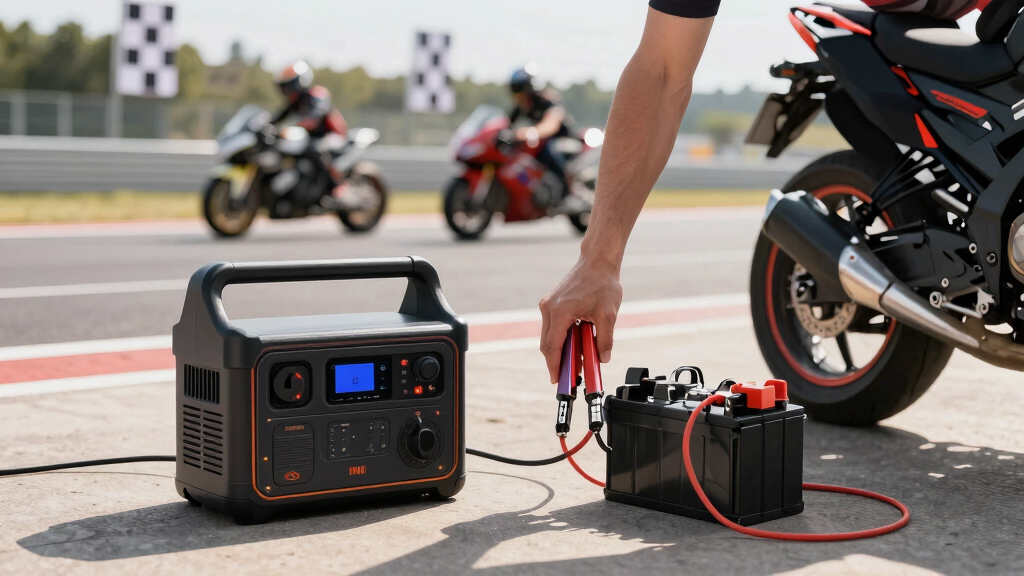
When attending race weekends, reliable portable power is essential for keeping devices charged and managing energy needs on the go. The best portable power stations for race weekends vary based on size, power output, and versatility. The Anker SOLIX C300 stands out for its compact design and fast charging, while the Jackery Explorer 1000 v2 offers ample capacity for longer events. The main tradeoffs involve balancing weight, power, and cost—more power often means bulkier units, and lighter models may lack sufficient capacity. Continue reading for a detailed comparison to find the perfect fit for your race weekend needs.
Key Takeaways
- The top picks balance between high capacity and portability to suit race weekend needs.
- Fast charging capabilities significantly reduce downtime between uses.
- LiFePO4 batteries are favored for their longevity and safety in portable power stations.
- Solar compatibility offers an advantage for extended or off-grid race setups.
- Lighter, more compact units often compromise on total power capacity but excel in portability.



More Details on Our Top Picks
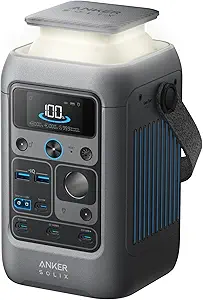
Anker Portable Power Station SOLIX C300, 288Wh LiFePO4 Battery, 300W (600W Surge) Solar Generator, 140W Two-Way Fast Charging, for Outdoor Camping, Traveling, and Emergencies (Solar Panel Optional)
This Anker SOLIX C300 stands out for its impressive combination of portability and power, offering 288Wh and a 300W output wrapped in a design that’s 15% smaller than similar models. Compared to the BLUETTI Elite 100 V2, it’s more travel-friendly but sacrifices some capacity and surge power—making it ideal for quick trips rather than prolonged outages. Its fast 140W USB-C charging ensures quick device recharging, and the impact-resistant shell makes it durable in rugged environments. However, it’s not suitable for powering high-wattage appliances or multiple devices simultaneously for extended periods. Its multiple ports—including AC, USB-C, and car socket—cover most essential needs without the bulk of larger units. This pick makes sense for solo travelers or outdoor enthusiasts who need reliable power on the go without the weight and size of larger options.
Pros:- Compact and lightweight design for easy portability
- Fast 140W two-way USB-C charging
- Impact-resistant, durable shell
Cons:- Limited capacity for prolonged power needs
- Maximum 300W output restricts high-wattage appliances
Best for: Solo campers or outdoor adventurers who prioritize portability and quick recharges.
Not ideal for: Those needing to run multiple high-wattage devices or sustain long outages, as capacity is limited.
- Capacity:288Wh
- Wattage:300W (600W Surge)
- Charging Ports:3x AC, 2x USB-C, 1x USB-A, 1x car socket
- Recharge Speed:80% in 50 minutes
- Battery Chemistry:LiFePO4
- Dimensions:15% smaller than similar designs
- Impact Resistance:Yes
- Warranty:5 years
Bottom line: This power station is perfect for travelers seeking a portable, quick-charge solution for essentials, not for heavy-duty or extended use.
Jackery Portable Power Station Explorer 500, 518Wh Outdoor Solar Generator Mobile Lithium Battery Pack with 110V/500W AC Outlet for Home Use, Emergency Backup, Road Trip Camping (Solar Panel Optional)
The Jackery Explorer 500 offers 518Wh and a 500W continuous output, making it a solid choice for small-scale power backup during short outages or camping trips. Unlike the smaller Anker SOLIX C300, it provides more capacity, suitable for running a mini-fridge or multiple devices for several hours. Its portability is enhanced by a sturdy handle, yet it’s still compact enough for easy transport. While it doesn’t match the massive surge capacity of the BLUETTI Elite 100 V2, it supports pass-through charging and supports multiple ports, including USB-A, DC, and AC. The tradeoff is that its charging speed is slower than larger models, and it might struggle with high-wattage appliances during extended outages. This unit is ideal for homeowners wanting a dependable backup for essential electronics or outdoor enthusiasts needing a reliable power source for extended stays.
Pros:- Reliable 518Wh capacity for short-term backup
- Sturdy, portable handle for easy carrying
- Supports pass-through charging with multiple ports
Cons:- Limited surge power for high-wattage devices
- Slower recharge times compared to larger units
Best for: Homeowners seeking a dependable, portable backup for critical devices or small appliances during outages.
Not ideal for: Users requiring to power large appliances or sustain power for long periods, as capacity and wattage are limited.
- Capacity:518Wh
- Wattage:500W (110V)
- Ports:3x USB-A, 1x DC, 1x AC
- Recharge Time:Approximately 7 hours
- Battery Chemistry:Lithium-ion
- Weight:13.3 lbs
- Size:Compact and portable
- Support:Pass-through charging
Bottom line: This power station fits well for small-scale backup needs, especially for home or outdoor use, but isn’t suited for heavy-duty appliances or prolonged outages.
Jackery Explorer 1000 v2 Portable Power Station, 1070Wh LiFePO4 Battery, 1500W AC/100W USB-C Output, 1 Hr Fast Charge, Solar Generator for Camping, Emergency, RV, Off-Grid Living (Solar Panel Optional)
The Jackery Explorer 1000 v2 combines a substantial 1070Wh capacity with a 1500W continuous AC output, making it ideal for powering multiple appliances during camping or emergencies. Its one-hour fast charging feature—enabled via the Jackery app—sets it apart from smaller models like the Explorer 500, which charges more slowly. The inclusion of LiFePO4 batteries ensures over 4,000 cycles, promising a lifespan of more than a decade. Its versatile ports—including two USB-C and three AC outlets—support simultaneous device charging, and the lightweight design (23.8 lbs) makes portability manageable. However, the high capacity and surge power come at a higher price and weight, which might be inconvenient for casual travelers. This makes it perfect for those who need reliable, long-lasting power for extended adventures or backup at home.
Pros:- High 1070Wh capacity for extended use
- Fast one-hour charging with app support
- Long lifespan with LiFePO4 batteries
Cons:- Heavier and more expensive than smaller units
- Less portable for casual outdoor use
Best for: Outdoor enthusiasts or families needing reliable, long-lasting power for extended trips or backup during outages.
Not ideal for: Lightweight travelers or those with limited storage space, due to its weight and price point.
- Capacity:1070Wh
- Wattage:1500W continuous
- Charging Time:1 hour
- Ports:2x USB-C, 3x AC
- Battery Type:LiFePO4
- Weight:23.8 lbs
- Surge Power:3000W
- Lifespan:Over 4000 cycles
Bottom line: This power station is best suited for users requiring serious capacity and longevity, especially in off-grid or emergency scenarios.
BLUETTI Elite 100 V2 Portable Power Station, 1024Wh LFP Battery Backup w/ 4 1800W AC Ports (3600W Surge), 35% Smaller, Fast Charge and UPS Solar Generator for Camping, Road Trip, Outages, Home Backup
The BLUETTI Elite 100 V2 offers a substantial 1024Wh capacity with 4 AC ports supporting 1800W continuous power and a surge of 3600W, making it a robust choice for emergency backup or serious outdoor use. Compared with the Anker SOLIX C300, it provides more power and multiple AC outlets, suitable for running larger appliances or multiple devices simultaneously. Its compact design—being 35% smaller and 30% lighter than previous models—makes it more portable for its size. The fast 70-minute recharge via solar or AC and its UPS feature further enhance its appeal. Nonetheless, its premium price tag and weight might deter casual users or those who only need minimal backup capacity. It is ideal for professionals, RV owners, or families seeking dependable, high-wattage power in a portable form.
Pros:- High surge capacity of 3600W
- Fast 70-minute recharge from solar or AC
- Supports 11 devices simultaneously
Cons:- Higher cost compared to smaller units
- Heavy for frequent portabilty
Best for: RV owners, families, or small businesses needing reliable, high-wattage portable power during outages or trips.
Not ideal for: Budget-conscious users or those with limited space, due to its premium price and weight.
- Capacity:1024Wh
- Wattage:1800W (supporting 3600W surge)
- Charging Time:70 minutes
- Ports:4x AC, multiple USB
- Battery Type:LiFePO4
- Weight:25 lbs
- Support:UPS backup
- Size:Compact but heavy
Bottom line: This power station offers top-tier power and rapid recharging for users who need serious backup capability on the go.
Anker SOLIX C2000 Gen 2 Portable Power Station, 2,400W (Peak 4,000W) Solar Generator, Full Charge in 58 Min, 2048wh LiFePO4 Battery for Home Backup, Power Outages, and Camping (Optional Solar Panel)
The Anker SOLIX C2000 Gen 2 excels with its massive 2048Wh capacity and 2400W continuous power, making it ideal for handling multiple high-wattage appliances or extended outages. Its ability to fully charge in just 58 minutes via AC or solar is remarkable, and the expandable capacity up to 4kWh offers long-term reliability. While its weight (18.9 kg) and size may challenge portability compared to smaller models like the Explorer 500, this power station is designed for those who need serious power backup for home or remote work. The LiFePO4 batteries ensure over 4000 cycles, promising a lifespan that outlasts most consumers’ needs. The main tradeoff is the unit’s bulk and cost—more suited for those with dedicated storage space or RVs. This makes it perfect for emergency preparedness or demanding outdoor projects.
Pros:- Massive 2048Wh capacity for long-term use
- Fast 58-minute full charge from AC or solar
- Expandable capacity up to 4kWh
Cons:- Heavy and less portable for frequent movement
- Higher price point
Best for: Homeowners, RV users, or off-grid workers requiring large, reliable power for extended periods.
Not ideal for: Casual campers or travelers needing lightweight, portable solutions, due to its weight and size.
- Capacity:2048Wh
- Wattage:2400W continuous
- Charging Time:58 minutes
- Ports:Multiple AC and USB
- Battery Type:LiFePO4
- Weight:18.9 kg
- Cycle Life:Over 4000 cycles
- Expandable Capacity:Up to 4kWh with extension
Bottom line: This power station is best for users who need reliable, high-capacity power for home backup or extended outdoor use, accepting its weight and cost.
Jackery Explorer 240D Power Bank (80,000mAh), LiFePO4 Battery 256Wh Portable Power Station, USB-C Cable Included,200W DC Output, 1-Hour Fast Charging, Compact for Outdoor Camping, Travel, Emergencies
The Jackery Explorer 240D makes the list because it combines impressive longevity with exceptional portability, thanks to its lightweight design and 10-year battery lifespan. Compared to larger, bulkier options like the Anker SOLIX C1000, it sacrifices some power capacity but excels in ease of carry and long-term reliability. Its LiFePO4 chemistry ensures it maintains ≥70% of its energy after thousands of cycles, making it perfect for frequent outdoor use or emergency preparedness. While its 256Wh capacity limits extended use, it’s ideal for powering essential devices on hikes or short trips without adding bulk. The inclusion of a USB-C cable and support for fast charging enhances its convenience for everyday tech needs. However, it’s not suited for high-power appliances or extended outages where larger capacity is required. Best for hikers, travelers, and those prioritizing lightweight, durable power. Pros: ultra-lightweight, long-lasting battery, versatile port options, fast recharging. Cons: limited capacity for heavy devices, not suitable for prolonged outages, no AC outlet. Verdict: This power bank is perfect for users needing reliable, portable power with a focus on long-term durability and ease of transport..
Pros:- Ultra-lightweight and highly portable
- LiFePO4 battery offers over 10,000 charge cycles with minimal capacity loss
- Supports fast charging with included USB-C cable
- Multiple ports for versatile device charging
Cons:- Limited capacity restricts use to small devices and short periods
- No AC outlets, limiting use for larger electronics
- Requires initial external recharge with USB-C charger
Best for: Travelers and outdoor enthusiasts who need dependable power in a compact, lightweight package
Not ideal for: Users requiring to power high-demand appliances or needing longer backup durations
- Battery Capacity:256Wh
- Power Output:200W
- Recharge Time:1 hour
- Battery Type:LiFePO4
- Port Count:4
- Weight:4.85 lbs
Bottom line: This model is best suited for users who need a durable, portable power source for short-term, low-power applications during outdoor activities.
Anker SOLIX C300 DC Power Bank Station, Outdoor 288Wh Portable Power Station, LiFePO4 Battery, 300W Solar Generator, for Camping, Traveling, and Emergencies (No Wall Charger Included)
The Anker SOLIX C300 earns its spot by offering a robust 288Wh capacity with fast, flexible recharging options—supporting both solar and wall charging—making it a strong competitor to the EcoFlow DELTA 2. Its 300W power output and multiple ports, including USB-C and car socket, provide versatility for powering various devices simultaneously. While it doesn’t include a wall charger, it supports quick recharges using USB-C PD chargers, adding to its convenience for outdoor or emergency use. Its impact-resistant design and smart temperature control enhance durability, though the need for an external charger for initial setup might be a hurdle for some. Compared with the EcoFlow DELTA 2, it’s slightly smaller and more rugged but offers similar power and expandability. This pick is ideal for users who prioritize ruggedness and flexible recharging in a compact package.
Pros: rugged, impact-resistant, supports fast recharge via USB-C PD, multiple versatile ports. Cons: no included wall charger, smaller capacity than some alternatives, initial setup slightly more involved. Verdict: Best for outdoor adventurers seeking durable, versatile power that can recharge from multiple sources..Pros:- Impact-resistant, rugged design
- Supports fast recharge via USB-C PD
- Multiple ports for diverse device charging
- Expandable with solar panels
Cons:- No included wall charger complicates initial setup
- Slightly lower capacity compared to some competitors
- Requires external power source for first-time activation
Best for: Camping, outdoor adventures, and emergency preparedness where durability and flexible charging matter
Not ideal for: Users needing a large capacity or power for high-demand appliances over extended periods
- Battery Capacity:288Wh
- Power Output:300W
- Recharge Time:Fast via USB-C PD
- Battery Type:LiFePO4
- Port Count:7
- Weight:Approx. 4.5 lbs
Bottom line: This model is best for users who need a tough, versatile power station for outdoor or emergency use with fast, flexible recharging options.
EF ECOFLOW Portable Power Station DELTA 2, 1024Wh LiFePO4 (LFP) Battery, 1800W AC/100W USB-C Output, Solar Generator(Solar Panel Optional) for Home Backup Power, Camping & RVs
The EcoFlow DELTA 2 earns the top spot by combining high capacity, rapid recharge, and extensive expandability, making it ideal for race weekend setups where reliable power is crucial. Its 1024Wh LiFePO4 battery supports an 1800W continuous AC output, enough to run multiple devices or small appliances simultaneously. Compared with the Anker C1000, it’s more affordable and easier to carry, yet offers nearly double the capacity, making it suitable for longer race weekends or emergency use. Its 7x faster AC charging—reaching 80% in just 50 minutes—means less downtime. The ability to expand capacity up to 3kWh with additional batteries makes it versatile for different needs. While it lacks a built-in solar panel, optional solar charging provides off-grid independence. This pick suits race teams or individuals who need dependable, scalable power in a portable, user-friendly package.
Pros: high capacity, fast recharge, expandable, reliable, multiple outlets. Cons: no included solar panel, slightly heavier than smaller units, premium price point. Verdict: The best choice for those needing a powerful, expandable, and fast-charging portable power station for race weekend demands..Pros:- High capacity with 1024Wh LiFePO4 battery
- Supports rapid AC charging, 80% in 50 minutes
- Expandable capacity up to 3kWh
- Multiple outlets for diverse device needs
Cons:- No included solar panel—additional purchase needed
- Heavier than smaller portable units
- Higher cost compared to basic models
Best for: Race teams, event organizers, or serious enthusiasts requiring reliable, scalable power for extended durations
Not ideal for: Casual users or those with minimal power needs who prefer smaller, lighter units
- Battery Capacity:1024Wh
- Power Output:1800W
- Recharge Time:50 minutes to 80%
- Battery Type:LiFePO4
- Port Count:7
- Weight:27 lbs
Bottom line: This model is ideal for users seeking a high-capacity, fast-charging, and expandable power solution for race weekend and beyond.
How We Picked
The products in this roundup were selected based on their power capacity, weight, recharge options, durability, and user flexibility. Priority was given to units with reliable battery chemistry, fast recharge times, and multiple output ports suitable for various devices. We also considered overall value, ease of use, and real-world performance during race weekend scenarios. The ranking reflects a balance between high power output, portability, and affordability, aiming to recommend units that serve different types of race attendees—from casual spectators to serious competitors or crew members.Factors to Consider When Choosing Best Portable Power Stations For Race Weekends
Choosing the right portable power station for race weekends involves considering several key factors. The ideal unit should provide enough power for your devices without adding excessive weight or bulk. Additional features like solar compatibility or fast charging can enhance usability during extended events. Understanding how capacity, size, and recharge options interact helps you avoid common pitfalls like overpaying for unneeded features or ending up with insufficient power. Below are the main factors to weigh when selecting the best portable power station for your race weekend adventures.Power Capacity and Output
Power capacity, usually measured in watt-hours (Wh), determines how many devices you can run simultaneously and for how long. For race weekends, a unit with at least 500Wh is advisable to handle essential gear like lights, communication devices, and small appliances. Output ports—AC, USB, or DC—must match your devices’ charging requirements. Consider whether you need surge capacity for power-hungry equipment or if basic outlets suffice. Balancing capacity and output is vital; a larger capacity adds weight, but insufficient power leaves you stranded.
Portability and Weight
Since race weekends often involve moving between locations or settings, portability is a key concern. Lightweight units under 10 pounds are easier to carry but may offer less capacity. Conversely, higher-capacity models tend to be bulkier and heavier, potentially impractical for extended walking or quick setups. Think about your typical race setup and whether you prefer a compact, backpack-friendly size or are willing to carry a heavier unit if it provides more power. The best choice aligns with your physical capacity and logistical needs.
Recharge Options and Speed
Fast charging capabilities, including wall recharge and solar compatibility, extend your operational time during busy race schedules. Units that can fully recharge in under two hours save valuable setup time and reduce downtime. Solar compatibility is especially useful if you’re in remote areas or want a sustainable power source, but not all units are equally efficient with solar input. Assess your typical environment and whether you need rapid recharging or long-term energy sourcing for extended events.
Durability and Build Quality
Race weekends can expose equipment to rough handling, weather, and outdoor conditions. Look for units with ruggedized cases, water resistance, and reliable battery chemistry like LiFePO4, known for safety and longevity. Cheaper models may save upfront costs but could fail under stress or after repeated use. Consider the durability features relative to your environment—more rugged units might be more expensive but offer peace of mind during intensive use or adverse weather.
Price and Value
While high-capacity, feature-rich models come with a higher price tag, they often deliver better long-term value through durability, faster charging, and larger capacities. Conversely, budget options may suffice for light, short-term use but risk needing replacement sooner. Think about your typical energy needs and how often you’ll use the unit. Investing more upfront can save money and hassle if you frequently participate in race weekends or need dependable backup power.
Frequently Asked Questions
How do I choose a portable power station with enough capacity for a race weekend?
Start by listing all devices you’ll need to power, noting their wattage and usage duration. Add up the total energy consumption to estimate the necessary watt-hours. It’s wise to choose a unit with at least 20-30% more capacity than your calculated needs to account for unexpected usage or future expansion. Remember, larger capacity models tend to be heavier, so balance your power needs with portability requirements for the best overall experience.
Is solar charging worth it for race weekends?
Solar charging can be a significant advantage if your race takes place in remote areas or over multiple days without grid access. It allows you to replenish power without access to power outlets, extending operational time. However, solar panels add extra weight and cost, and their efficiency depends on sunlight conditions. If you plan to stay for multiple days or are outdoors often, investing in a solar-compatible station offers flexibility and peace of mind.
Should I prioritize lightweight models or higher capacity for race weekends?
This depends on your physical capacity and how much gear you’ll carry. If mobility and quick setup are priorities, a lighter, lower-capacity station might suit you. But if your event requires powering multiple devices or longer durations, sacrificing some portability for increased capacity makes sense. Consider whether you’ll have assistance with carrying heavier units or if you’ll be moving across rough terrain, influencing your choice.
How important is fast recharge time for race weekend use?
Fast recharge times are highly valuable during busy race weekends, as they minimize downtime between sessions or setups. Units that recharge in under two hours can be quickly replenished, especially if you have access to wall outlets or solar panels. Slow recharging can limit your operational window, so prioritize models with rapid recharging if you need quick turnaround times or multiple recharges in a day.
Are more expensive models worth the extra investment?
Higher-priced units often offer larger capacities, faster recharging, enhanced durability, and additional features like multiple ports or solar compatibility. If your race schedule demands reliable, long-lasting power or frequent use, investing in a premium model can reduce frustrations and replacement costs later. For occasional use or light needs, more affordable options may suffice, but always weigh the tradeoff between initial cost and long-term dependability.
Conclusion
For overall versatility and reliability, the Anker SOLIX C300 makes a strong choice for most race weekend participants. If you need maximum capacity and fast recharging for longer multi-day events, the Jackery Explorer 1000 v2 or the BLUETTI Elite 100 V2 are excellent options. Beginners or casual attendees should consider the compact Jackery Explorer 240D for simplicity and portability. Serious competitors or crew members requiring robust power and durability may find the Anker SOLIX C2000 Gen 2 or EF ECOFLOW Delta 2 best suited to their needs. Ultimately, your choice should align with your power demands, mobility needs, and budget to ensure a successful race weekend experience.