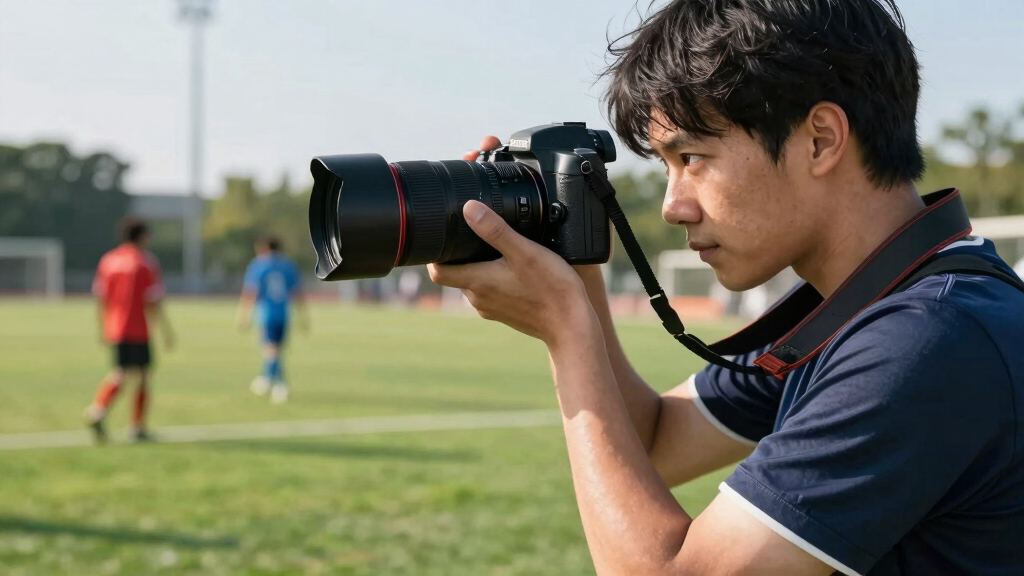

Finding the best zoom lens for outdoor sports involves balancing reach, speed, and image quality. The Canon RF200-800mm F6.3-9 stands out for its incredible telephoto reach, perfect for capturing distant action. Meanwhile, the Canon RF100-400mm F5.6-8 IS USM offers a versatile zoom range with good stabilization, ideal for most outdoor sports. The main tradeoffs in this category include balancing zoom length against aperture size and weight—longer zooms often mean slower apertures and bulkier gear. Continue reading for a detailed breakdown of these options to find the best fit for your outdoor sports photography needs.
Key Takeaways
- Longer zoom ranges generally provide more reach but often come with slower apertures, affecting low-light performance.
- Stabilization features like IS or VR significantly improve sharpness during fast-paced outdoor shots.
- Lighter, more compact lenses tend to sacrifice some zoom length or aperture speed, balancing portability with performance.
- High-end options like super telephoto lenses excel in distance but come with higher costs and heavier weight, suitable for dedicated enthusiasts.
- Budget-friendly lenses are often slower and less sharp at the edges, making them better for casual or beginner outdoor sports shooters.
| Canon RF200-800mm F6.3-9 Super Telephoto Zoom Lens for Mirrorless Cameras |  | Best Overall for Extreme Reach and Flexibility | Focal Length Range: 200-800mm | Maximum Aperture: F6.3-F9 | Extender Compatibility: RF1.4x and RF2x | VIEW LATEST PRICE | See Our Full Breakdown |
| Canon RF100-400mm F5.6-8 IS USM Telephoto Lens, Black |  | Best Versatile Zoom with Image Stabilization | Zoom Range: 100-400mm | Aperture Range: F5.6-F8 | Image Stabilization: Up to 6 stops with IBIS | VIEW LATEST PRICE | See Our Full Breakdown |
| Canon EF-S 55-250mm F4-5.6 IS STM Telephoto Lens |  | Best Budget-Friendly Telephoto for Entry-Level Shooters | Focal Length: 55-250mm | Maximum Aperture: F4-5.6 | Image Stabilization: Up to 4 stops | VIEW LATEST PRICE | See Our Full Breakdown |
| Nikon AF-S DX NIKKOR 55-300mm f/4.5-5.6G ED Vibration Reduction Zoom Lens for Nikon DSLR Cameras |  | Best for Nikon DSLR Users Needing Versatility and Stabilization | Focal Length Range: 55-300mm | Aperture: f/4.5-5.6G | Image Stabilization: VR II with Tripod Detection | VIEW LATEST PRICE | See Our Full Breakdown |
| Canon EF 75-300mm f/4-5.6 III Telephoto Zoom Lens for Canon SLR Cameras | 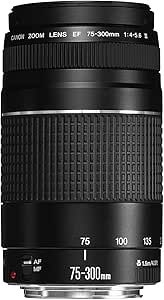 | Best Budget Option for Canon DSLR Users | Focal Length: 75-300mm | Maximum Aperture: f/4-5.6 | Lens Construction: 13 elements in 9 groups | VIEW LATEST PRICE | See Our Full Breakdown |
| Canon RF 200-800mm f/6.3-9 IS USM Super-Telephoto Zoom Lens |  | Best Overall for Wildlife and Sports Enthusiasts | Focal Length: 200-800mm | Lens Mount: Canon RF | Image Stabilization: Optical | VIEW LATEST PRICE | See Our Full Breakdown |
| Canon EF 75-300mm f/4-5.6 III Telephoto Zoom Lens (Black) |  | Best Value for Versatile Telephoto Shooting | Focal Length & Maximum Aperture: 75-300mm 1:4-5.6 | Lens Construction: 13 elements in 9 groups | Diagonal Angle of View: 32° 11′ – 8° 15′ | VIEW LATEST PRICE | See Our Full Breakdown |
| Canon RF 75-300mm f/4-5.6 Lens with Shoulder Bag and 64GB Card |  | Best Compact Telephoto for Travel and Casual Outdoor Use | Focal Length: 75-300mm (120-480mm APS-C equivalent) | Aperture: f/4-5.6 variable | Weight: Over 1 lb | VIEW LATEST PRICE | See Our Full Breakdown |
More Details on Our Top Picks
Canon RF200-800mm F6.3-9 Super Telephoto Zoom Lens for Mirrorless Cameras
This lens stands out for offering the longest autofocus zoom range available at 800mm, making it ideal for capturing distant outdoor sports where proximity isn’t possible. Compared with the Canon RF100-400mm, it provides significantly more reach, but the variable aperture (F6.3-F9) limits low-light performance, which can be a challenge in overcast conditions or early morning events. Its compatibility with RF extenders extends its versatility, yet the added extensions can introduce slight optical compromises. The lightweight and compact design make it manageable for handheld shooting during active sports, though the long focal length demands steady handling for sharp images. This lens is best suited for professional sports photographers or serious enthusiasts needing maximum reach without sacrificing mobility. However, casual shooters or those shooting in low-light settings might find its aperture limitations frustrating.
Pros:- Extremely long 200-800mm zoom range for distant subjects
- Compatibility with RF1.4x and RF2x extenders for even greater reach
- Lightweight and compact for handheld operation during active shooting
Cons:- Variable aperture (F6.3-F9) reduces performance in low-light situations
- Long focal length may be less versatile for general photography or closer subjects
Best for: Professional outdoor sports photographers needing extreme focal length and portability
Not ideal for: Amateurs or hobbyists who shoot in low-light conditions or prefer a more affordable, fixed aperture lens
- Focal Length Range:200-800mm
- Maximum Aperture:F6.3-F9
- Extender Compatibility:RF1.4x and RF2x
- Design:Lightweight and compact
Bottom line: This lens is ideal for pros needing maximum reach and mobility in outdoor sports without sacrificing portability.
Canon RF100-400mm F5.6-8 IS USM Telephoto Lens, Black
This lens offers a flexible 100-400mm zoom range, making it a solid choice for outdoor sports where subjects move unpredictably. Its high-quality optical stabilization (up to 6 stops with IBIS) makes handheld shooting more reliable compared to the Canon EF-S 55-250mm’s 4 stops, especially in dynamic outdoor settings. The Nano USM autofocus is fast and quiet, which is beneficial when capturing fleeting moments without disturbing athletes. While the variable aperture (F5.6-F8) isn’t ideal for low-light conditions, it strikes a good balance for daylight sports. Compared to the Canon RF200-800mm, it is less extreme in reach but more versatile in variable lighting and closer framing. This lens suits advanced amateurs and semi-pros needing a lightweight, all-around telephoto zoom for outdoor sports. However, its slightly heavier build and variable aperture can be drawbacks for extended handheld shooting in low-light or longer sessions.
Pros:- Versatile 100-400mm zoom range suitable for many outdoor sports
- Excellent image stabilization for handheld shots
- Fast, quiet Nano USM autofocus enhances capturing quick-moving subjects
- Compact and lightweight for easier handling during active events
Cons:- Variable aperture limits performance in low-light conditions
- Heavier than prime lenses, which may impact all-day handheld use
Best for: Advanced amateurs and semi-pro sports photographers seeking a versatile and portable telephoto zoom
Not ideal for: Photographers who often shoot in low-light or require a fixed aperture for consistent exposure
- Zoom Range:100-400mm
- Aperture Range:F5.6-F8
- Image Stabilization:Up to 6 stops with IBIS
- Autofocus Technology:Nano USM
Bottom line: This lens makes the most sense for those wanting a flexible, stable, and portable telephoto zoom for outdoor sports photography.
Canon EF-S 55-250mm F4-5.6 IS STM Telephoto Lens
This lens provides a practical 55-250mm focal range with built-in Image Stabilization, making it suitable for beginners or casual outdoor sports shooters on a budget. Its UD lens element helps reduce chromatic aberration, resulting in sharper images at a lower price point than higher-end lenses. However, the maximum aperture of F5.6-F5.6 limits its low-light performance, which can be problematic during dawn or dusk events. Its compact size and lightweight design make it accessible for amateur photographers, but it lacks advanced features like weather sealing or a faster autofocus motor. Compared to more expensive options like the Nikon 55-300mm, it offers similar reach but with fewer stabilization stops and slightly slower autofocus. This lens is perfect for beginners or casual shooters who want decent telephoto capability without a hefty investment. But, those shooting in challenging lighting or needing faster autofocus might find it limiting.
Pros:- Affordable price point for entry-level users
- Built-in Image Stabilization for sharper handheld shots
- Lightweight and compact for easy transport
- Includes UD lens element for reduced chromatic aberration
Cons:- Maximum aperture of F5.6 limits low-light shooting
- Autofocus may be slower compared to higher-end lenses
Best for: Beginners or casual outdoor sports enthusiasts seeking an affordable telephoto zoom
Not ideal for: Pro shooters or those needing superior low-light performance and faster autofocus
- Focal Length:55-250mm
- Maximum Aperture:F4-5.6
- Image Stabilization:Up to 4 stops
- Minimum Focusing Distance:2.79 feet
Bottom line: This lens is best suited for beginners looking for an affordable, easy-to-use telephoto zoom for daylight outdoor sports.
Nikon AF-S DX NIKKOR 55-300mm f/4.5-5.6G ED Vibration Reduction Zoom Lens for Nikon DSLR Cameras
This lens offers a substantial 55-300mm focal range, comparable to the Canon EF-S 55-250mm but with added Vibration Reduction (VR II) and tripod detection mode, making it a solid choice for Nikon shooters in outdoor sports environments. Its optical design includes HRI and ED elements to combat chromatic aberration, delivering sharp images across the zoom range. The Silent Wave Motor provides quiet autofocus, ideal for conserving natural sound during outdoor action. However, the lens is bulkier than compact primes, and the maximum aperture of f/5.6 at 300mm can hinder low-light performance. Unlike more compact options, it may feel unwieldy for extended handheld shooting. When compared to the Canon EF-S 55-250mm, its VR II stabilization and tripod detection mode give it an edge for stability, but it still faces similar limitations in low-light. This lens suits Nikon enthusiasts who want a reliable, stabilized telephoto option for outdoor sports. It might not be the best choice for those prioritizing speed or ultra-lightweight gear.
Pros:- Excellent 55-300mm zoom range for varied framing
- VR II stabilization with tripod detection improves shot stability
- HRI and ED elements reduce chromatic aberration
- Quiet autofocus motor for unobtrusive shooting
Cons:- Bulky size may hinder portability during active sports
- Maximum aperture of f/5.6 limits low-light performance
Best for: Nikon DSLR users seeking a stabilized, versatile telephoto zoom for outdoor sports
Not ideal for: Photographers looking for the lightest or fastest lens for low-light conditions
- Focal Length Range:55-300mm
- Aperture:f/4.5-5.6G
- Image Stabilization:VR II with Tripod Detection
- Optical Elements:HRI + 2 ED
Bottom line: This lens is ideal for Nikon shooters wanting a stabilized, versatile telephoto zoom for daylight outdoor sports but not for low-light conditions.
Canon EF 75-300mm f/4-5.6 III Telephoto Zoom Lens for Canon SLR Cameras
This classic telephoto zoom covers 75-300mm, offering a generous range for outdoor sports at an affordable price. Its 13-element optical system ensures sharp images, and the smooth zoom mechanism with a tactile silver ring makes framing straightforward. However, the absence of image stabilization means capturing sharp images in dynamic outdoor conditions can be tricky, especially for longer shots at 300mm. Its maximum aperture of F4-5.6 is comparable to more expensive lenses but less capable in low-light. This lens shares optical similarities with higher-end USM models, but its slower autofocus motor and lack of stabilization make it less suited for fast-paced sports photography. Compared to the Canon RF100-400mm, it is less versatile in autofocus speed and stabilization but remains a solid choice for those on a budget. This lens is suitable for entry-level photographers or those who shoot during daylight and need a long telephoto reach without breaking the bank. But it’s less appropriate for fast-action or low-light event coverage.
Pros:- Affordable price point for entry-level users
- Smooth zoom with tactile control
- Good optical design with 13 elements for sharpness
- Decent reach for outdoor sports
Cons:- No image stabilization, risking blur in shaky conditions
- Autofocus motor is slower compared to USM or Nano USM lenses
- Limited low-light capability due to aperture range
Best for: Beginners or casual outdoor sports shooters on a budget with ample daylight conditions
Not ideal for: Pro shooters or those frequently shooting in low-light environments requiring fast autofocus
- Focal Length:75-300mm
- Maximum Aperture:f/4-5.6
- Lens Construction:13 elements in 9 groups
- Closest Focusing Distance:4.9 feet
- Weight:16.8 ounces
- Filter Size:58mm
Bottom line: This lens makes a practical choice for beginners needing a long-range telephoto in daylight, but it falls short in low-light or fast-action scenarios.
Canon RF 200-800mm f/6.3-9 IS USM Super-Telephoto Zoom Lens
This lens stands out for its extraordinary 200-800mm zoom range, making it a versatile choice for capturing distant wildlife and fast-moving sports actions. Unlike the Canon RF 75-300mm f/4-5.6 RF, it offers far greater reach, but at the cost of a variable aperture that can limit low-light performance. The built-in image stabilization and quick, quiet USM autofocus ensure sharp images even in dynamic outdoor settings. Its lightweight design makes it manageable for extended outdoor shoots, though the high price might be a barrier for hobbyists. This lens excels when you need maximum reach and stability, but its aperture variability could mean needing extra lighting in shaded environments.
Pros:- Unmatched super-telephoto zoom range (200-800mm)
- Built-in optical image stabilization for handheld shooting
- Fast, quiet USM autofocus system
Cons:- Variable aperture (f/6.3-9) limits low-light shooting
- High cost compared to other telephoto options
Best for: Professional wildlife and sports photographers who need extreme zoom and stabilization in the field
Not ideal for: Casual photographers or those working in low-light conditions who require a constant aperture for better exposure control
- Focal Length:200-800mm
- Lens Mount:Canon RF
- Image Stabilization:Optical
- Autofocus System:USM (Ultrasonic Motor)
- Minimum Focal Length:200mm
- Maximum Focal Length:800mm
Bottom line: This lens is ideal for experienced outdoor shooters needing maximum reach and stabilization despite higher price and light limitations.
Canon EF 75-300mm f/4-5.6 III Telephoto Zoom Lens (Black)
Compared with the higher-end RF options, the Canon EF 75-300mm f/4-5.6 III offers a broad focal range at a very accessible price, making it a smart pick for beginners or casual outdoor photographers. Its 75-300mm zoom covers most outdoor sports and wildlife scenarios, but the variable aperture of f/4-5.6 at the telephoto end can require additional lighting in overcast or shaded conditions. While its optical construction with 13 elements ensures decent image quality, it doesn’t match the sharpness or stability of more advanced lenses like the RF 200-800mm. This lens is best for those who want decent reach without a hefty investment, but it may fall short in challenging lighting or high-speed action scenarios.
Pros:- Versatile focal range suitable for many outdoor scenes
- Lightweight and portable for outdoor use
- Good optical construction with 13 elements
Cons:- Maximum aperture of f/5.6 at telephoto end limits low-light capability
- Not weather-sealed, vulnerable in harsh environments
Best for: Amateur outdoor sports and wildlife photographers looking for an affordable telephoto zoom
Not ideal for: Professional shooters or those needing reliable low-light performance and edge-to-edge sharpness
- Focal Length & Maximum Aperture:75-300mm 1:4-5.6
- Lens Construction:13 elements in 9 groups
- Diagonal Angle of View:32° 11′ – 8° 15′
- Focus Adjustment:Front group rotating extension system with Micromotor
- Closest Focusing Distance:1.5m / 4.9 ft
Bottom line: This lens provides great value and versatility for casual outdoor shooting but may need supplemental lighting for best results in tricky conditions.
Canon RF 75-300mm f/4-5.6 Lens with Shoulder Bag and 64GB Card
This version of the 75-300mm RF lens is tailored for travelers and outdoor enthusiasts who prioritize portability without sacrificing zoom flexibility. Its under 1 lb weight and compact design make it easier to carry on hikes or outdoor excursions, especially when paired with its included shoulder bag. The lens features Super Spectra Coating to reduce flare, and the semi-macro capability allows for closer shots at 0.25x magnification—useful for capturing detailed wildlife shots at close range. However, its variable aperture limits performance in low-light conditions, and the 75-300mm focal range on full-frame might be less satisfying for those needing more reach or macro capabilities. This lens is perfect for casual photographers who need a lightweight, versatile option for outdoor adventures but isn’t suited for demanding professional work.
Pros:- Very lightweight and portable for travel
- Versatile focal range suitable for multiple outdoor scenarios
- Includes useful accessories like shoulder bag and high-capacity SD card
Cons:- Variable aperture limits low-light and action photography
- Maximum reach on full-frame may not satisfy advanced telephoto needs
Best for: Travelers and outdoor hobbyists seeking a lightweight, all-in-one telephoto lens with included accessories
Not ideal for: Advanced wildlife or sports shooters requiring maximum zoom or macro precision in challenging conditions
- Focal Length:75-300mm (120-480mm APS-C equivalent)
- Aperture:f/4-5.6 variable
- Weight:Over 1 lb
- Filter Thread:58mm
- Minimum Focus Distance:4.9 feet
- Magnification:0.25x
Bottom line: This lens suits casual outdoor photographers needing a compact, versatile zoom with practical extras, but it falls short for high-speed or low-light demanding situations.
How We Picked
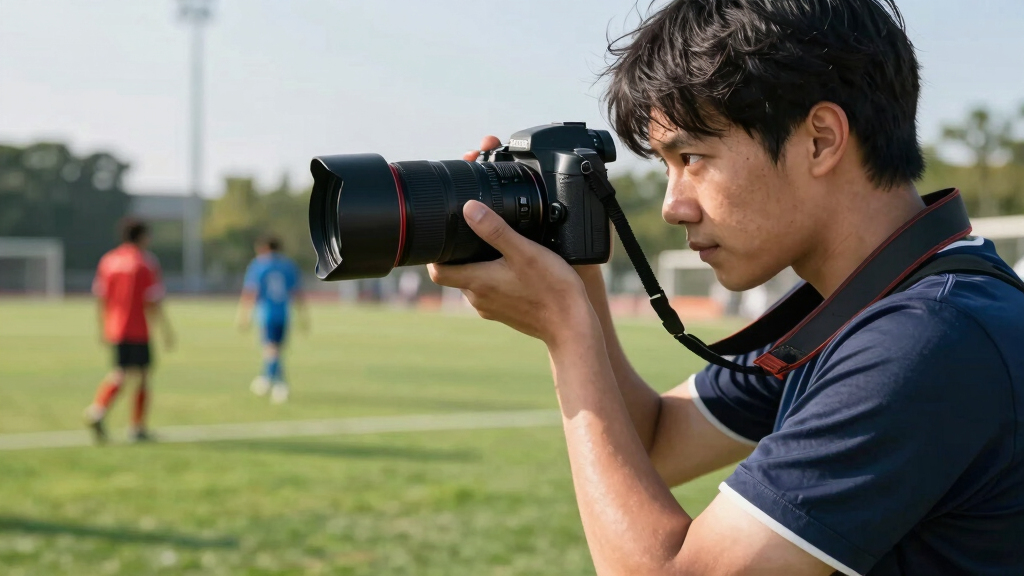
The lenses included in this roundup were selected based on a combination of performance, versatility, build quality, and value for outdoor sports photography. We prioritized lenses with reliable autofocus, image stabilization, and weather resistance to handle outdoor conditions. Our ranking emphasizes the balance between zoom range and aperture speed, as both are critical for capturing fast-moving subjects at varying distances. Cost was also a factor, ensuring options are accessible across different budgets while maintaining quality standards. This approach helps identify lenses that offer real value and practical performance for outdoor sports enthusiasts.Factors to Consider When Choosing Best Zoom Lenses For Outdoor Sports
Choosing the right zoom lens for outdoor sports requires considering several key factors that influence both image quality and usability. Beyond raw specs, understanding how these lenses perform in real-world conditions helps prevent common mistakes like overestimating zoom range or undervaluing stabilization. This guide outlines the main considerations to help you find a lens that matches your sport, environment, and skill level.Zoom Range and Focal Length
The zoom range determines how close you can get to distant action. Longer focal lengths, like 200-800mm, are excellent for capturing distant subjects like wildlife or large sporting events from afar, but they tend to be heavier and more expensive. Shorter ranges, such as 55-250mm, are more versatile for closer sports or general outdoor photography. Consider your typical shooting distance and whether you prefer a fixed or variable zoom to match your style.
Aperture Speed and Light Gathering
Aperture size impacts how well a lens performs in varying light conditions. Faster apertures (like f/2.8 or f/4) allow more light, which is crucial for capturing fast-moving sports in low-light environments or achieving a shallow depth of field. Many zoom lenses for outdoor sports have variable apertures that narrow at longer focal lengths, which can limit performance in dim conditions. Weighing your need for speed versus cost is key here.
Image Stabilization
Stabilization systems like IS or VR are game-changers for outdoor sports, where camera shake from handholding or fast movement can blur shots. While more advanced stabilization adds cost, it often proves worth it for sharp images at longer focal lengths or slower shutter speeds. Consider your typical shooting setup—if you shoot handheld often, prioritize lenses with effective stabilization.
Build Quality and Weather Resistance
Outdoor sports photography demands durable, weather-sealed lenses that can withstand dust, rain, and rough handling. Cheaper lenses often lack these features, risking damage and reduced longevity. Investing in weather-resistant lenses can save frustration and money over time, especially if you shoot in unpredictable conditions or rugged environments.
Weight and Portability
Long telephoto zooms tend to be bulky and heavy, which can fatigue you over extended shoots. If you plan to hike or move around a lot, a lighter lens may improve your experience, even if it means sacrificing some zoom length or speed. Balance your shooting needs with physical comfort and gear transport considerations.
Frequently Asked Questions
Is a faster aperture necessary for outdoor sports photography?
In most outdoor sports settings, a faster aperture allows you to freeze motion more effectively and perform better in low-light conditions, such as early mornings or shaded areas. While not always essential, lenses with wider apertures give you more flexibility to shoot at faster shutter speeds, resulting in sharper, more dynamic images. However, these lenses tend to be more expensive, so weigh your budget against your typical shooting environment.
Should I choose a longer zoom range or a lighter lens for outdoor sports?
This depends on your sport and shooting style. Longer zoom ranges provide more flexibility to capture distant action without changing your position, but they often come with added weight and cost. Conversely, lighter lenses are easier to carry for extended periods and quicker to handle, but they might offer less reach. If your sport involves a lot of walking or hiking, prioritizing portability can improve your overall shooting experience.
How important is stabilization in outdoor sports lenses?
Stabilization is highly valuable when shooting handheld at long focal lengths, where even small shakes can blur images. It effectively extends your usable shutter speed range, enabling sharper shots of fast-moving subjects. While stabilization adds to the lens cost and weight, it often pays off by reducing the need for tripods or monopods, especially in dynamic outdoor environments.
Can I use a standard zoom lens for outdoor sports instead of a dedicated telephoto?
Standard zoom lenses can work for outdoor sports, especially if the action is relatively close or predictable. However, they generally lack the reach and speed of dedicated telephoto lenses, resulting in less detailed or blurred images of distant subjects. For serious outdoor sports photography, investing in a true telephoto zoom provides much more control and higher image quality at a distance.
What should I consider if I want a versatile lens for multiple outdoor sports?
Look for a lens with a moderate to long zoom range, good stabilization, and a decent aperture size. Lenses like the 100-400mm strike a balance between reach and practicality, making them suitable for various sports. Also, consider the lens’s weight and weather sealing, since outdoor conditions can vary widely. A versatile lens should adapt easily to different environments without sacrificing too much image quality.
Conclusion
For dedicated outdoor sports shooters, the Canon RF200-800mm F6.3-9 offers unmatched reach, making it ideal for wildlife or distant action. Beginners or casual photographers might prefer the Canon RF100-400mm F5.6-8 IS USM for its balance of zoom, size, and affordability. Those seeking the best overall combination of quality and value should consider mid-range options like the Nikon AF-S DX 55-300mm. For enthusiasts willing to invest more, premium lenses with faster apertures and weather sealing deliver superior performance in challenging outdoor conditions. Ultimately, your choice depends on your sport, environment, and how much gear you’re willing to carry.