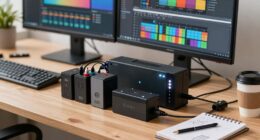
You might notice some POV footage feels slower than real life because filmmakers use camera angles, focus, and motion intentionally to control your perception of time. For example, lingering on details or using abrupt shifts can make scenes seem prolonged, even if events happen quickly. Shaky cams or rapid cuts add urgency but can still feel slow due to visual fragmentation. If you pay attention to these techniques, you’ll discover how they shape your experience and influence your sense of time.
Key Takeaways
- Abrupt camera shifts and lingering focus enhance scene pauses, making footage feel slower than real-time.
- Fragmented visuals and rapid cuts disrupt natural motion, increasing perceived slowness.
- Focused attention on specific details prolongs perceived duration, slowing overall scene perception.
- Deliberate camera angles and movements manipulate viewer perception of time and urgency.
- Visual techniques like shaky footage or sudden zooms fragment flow, accentuating the sense of slowness.
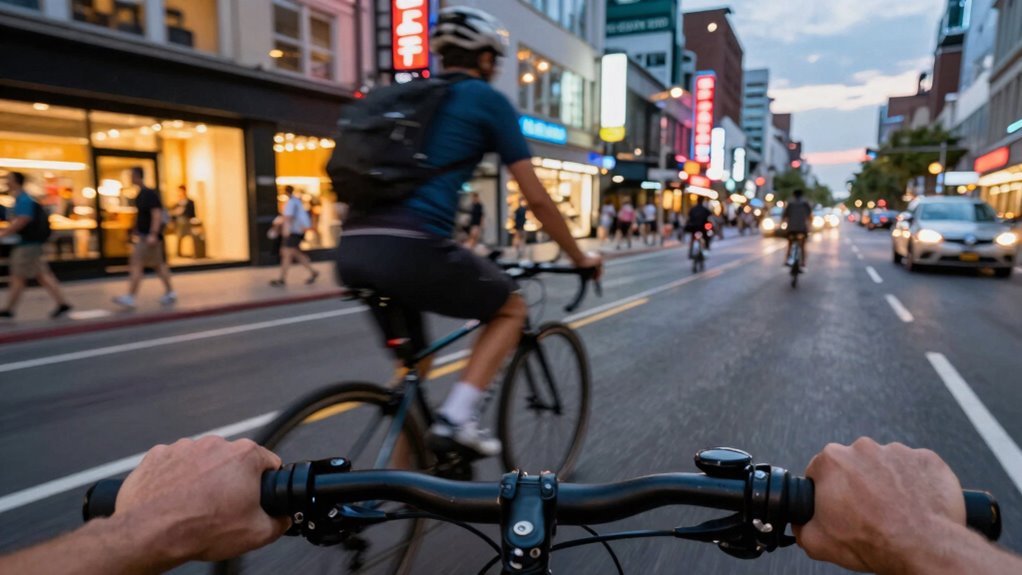
When you watch POV footage, it often feels slower than real life, even though the footage captures events in real time. This perception largely stems from how camera angles are chosen and how they influence your viewer perception. Unlike traditional filmmaking, where the camera is often static or smoothly moving, POV footage is designed to mimic your natural line of sight, which can create a jarring sense of time. The angles used in POV shots tend to focus sharply on specific actions or objects, zooming in or out unexpectedly, which makes your brain interpret the scene differently. Instead of the fluid motion you experience daily, these camera angles can fragment the scene, giving the impression that time is stretching out.
Your perception of time is deeply connected to how your brain processes visual information. When a camera angle shifts suddenly or lingers on a particular moment, your brain registers these pauses more intensely than continuous motion. This is especially true in POV footage, where the camera acts as your eyes. If the viewpoint is fixated on a small detail or moves abruptly, it disrupts your natural flow of perception, making each moment feel prolonged. As a viewer, your brain expects smooth, predictable motion—like how you see in real life. When it doesn’t happen, your perception of the event’s timing shifts, making everything seem slower.
Additionally, the choice of camera angles in POV footage often emphasizes certain details while downplaying others. This selective focus guides your attention, but it also influences how you interpret the passage of time. For instance, if the camera lingers on a person’s face or a specific object, it feels like the scene is dragging, even if the actual event is brief. Conversely, rapid cuts or shaky angles can create a sense of urgency, yet they still might seem slower because your brain is trying to make sense of the fragmented visuals. This mismatch between real-time events and how the footage presents them magnifies the feeling of slowness. Moreover, the perception of motion plays a vital role in how we interpret time passing, especially in dynamic visual content. Recognizing the impact of visual processing helps explain why these perceptual differences occur and how filmmakers intentionally manipulate them.
Ultimately, it’s your viewer perception that makes POV footage seem slower than real life. The way camera angles are used and how they manipulate your focus and expectations play a crucial role. This phenomenon isn’t just a stylistic choice; it impacts how you interpret and emotionally respond to what you see. Recognizing this helps you understand that the perceived slowness isn’t a flaw but a deliberate effect that shapes your experience, making you more aware of the subtle ways visual storytelling influences your sense of time.
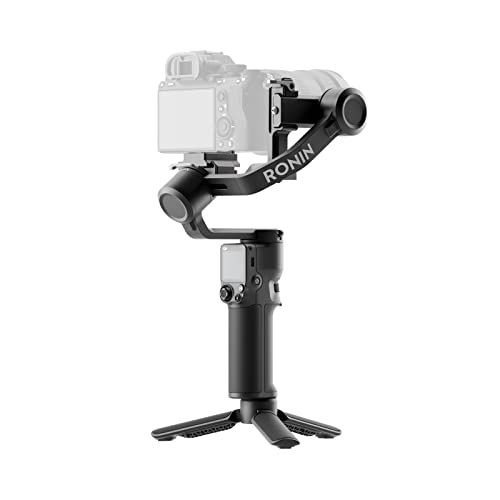
DJI RS 3 Mini, Camera Gimbal Stabilizer, Canon/Sony/Nikon/Fujifilm
795g (1.75lbs) Lightweight and Portable – DJI RS 3 Mini is an ultra-compact gimbal stabilizer for camera convenient…
As an affiliate, we earn on qualifying purchases.
As an affiliate, we earn on qualifying purchases.
Frequently Asked Questions
How Does Frame Rate Affect POV Footage Speed Perception?
Frame rate substantially influences how you perceive POV footage speed. A higher frame rate creates smoother motion, making the footage feel faster and more natural, while a lower frame rate can cause choppiness, making movements seem slower. Motion smoothing, often used with higher frame rates, enhances this effect by reducing motion blur, which can make real-life movements appear more fluid and faster, affecting your overall perception of speed in the footage.
Can Editing Techniques Alter the Perceived Speed of POV Footage?
Editing techniques can definitely alter the perceived speed of POV footage, like a puppeteer tugging strings behind the scenes. You can speed things up or slow them down through color grading, which affects mood and perception, or camera stabilization, making movements smoother or choppier. These adjustments guide viewers’ perception, making scenes feel faster or slower, and influence how immersive or disorienting your footage appears.
Why Do Some Cameras Produce Slower-Looking POV Videos?
You might notice some cameras produce slower-looking POV videos due to camera stabilization and lighting conditions. When stabilization reduces camera shake, it can smooth out movements, making footage seem slower. Poor lighting often forces the camera to use longer exposure times, which can also make motion appear less dynamic. Together, these factors influence how fast or slow your footage appears, affecting the overall realism and immersion.
How Does Viewer Perception Influence Speed Interpretation in POV Shots?
Your perception bias greatly influences how you interpret speed in POV shots. When footage appears slower, your brain might be engaging more, trying to process details or predict movement, making you perceive time differently. Viewer engagement plays a role too; if you’re focused intently, you notice every movement, giving an illusion of slow motion. This subjective perception shapes how you experience the footage, making it seem slower or faster than reality.
Are There Specific Genres Where Slow-Looking POV Footage Is More Common?
Think of slow-looking POV footage as a gentle breeze in a storm—it’s more common in genres that embrace introspection and emotion. Horror and psychological thrillers often use this cinematic style to build suspense, while dramas lean on it for intimacy. These genre conventions create a deliberate pacing, allowing viewers to feel every heartbeat and detail, emphasizing the emotional weight and immersing you deeper into the character’s experience.
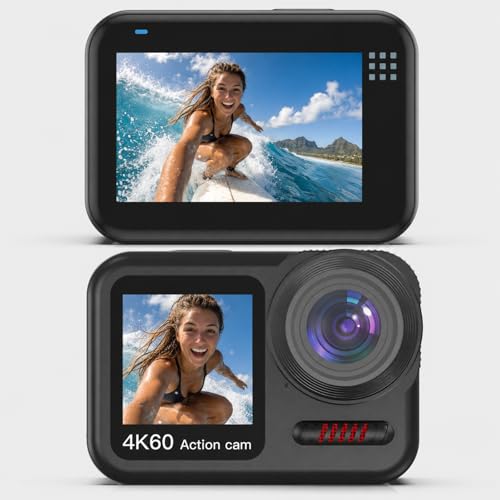
Xoieod Action Camera 4K 60FPS 64MP Waterproof with Stabilization for Sports
Cinematic 4K & 64MP Photos:Shoot 4K video at 60fps and capture 64MP still photos with this action camera…
As an affiliate, we earn on qualifying purchases.
As an affiliate, we earn on qualifying purchases.
Conclusion
As you watch POV footage stretch and bend time, you realize it’s more than just a trick—it’s a window into perception itself. The sluggish motion feels like wading through a thick fog, where each second lingers and reveals the world’s hidden textures. This slowed perspective invites you to see beyond haste, appreciating the subtle dance of life unfolding in moments that often go unnoticed. In that quiet stretch, you find a new way to experience reality.
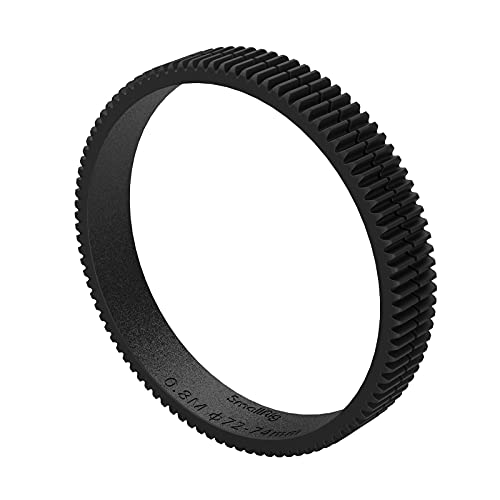
SmallRig Seamless Focus Gear Ring (72mm to 74mm) – 3293
【STANDARD 0.8 MOD】SmallRig Seamless Focus Gear Ring 3293 is designed to fit lenses for precise and stable focal…
As an affiliate, we earn on qualifying purchases.
As an affiliate, we earn on qualifying purchases.

Nero Video Premium 3 | Video Editing Software for 4K, HD, and HEVC | Video Editor | Lifetime License | 1 PC | Windows 11/10/8/7
✔️ Edit in 4K and HD with Professional Quality: Import, edit, and export videos in stunning 4K, HD,…
As an affiliate, we earn on qualifying purchases.
As an affiliate, we earn on qualifying purchases.