
Creating a realistic upgrade roadmap isn’t just about listing hardware or software updates. You need to take into account overlooked factors like stakeholder needs, budget limits, and potential risks. Engage everyone early, plan for flexibility, and build in buffers for surprises. Setting achievable milestones and realistic timelines keeps the project on track. By paying attention to these details, you’ll build a solid plan. Keep going to discover the key steps that make your upgrade successful.

Get sports gear delivered free with Prime
- Fast, free delivery on millions of items
- Prime Video, Amazon Music and more included
- Member-only deals all year
Key Takeaways
- Incorporate thorough risk management and community insights to anticipate challenges and gather support.
- Build flexibility into the plan with contingency buffers and adaptable milestones.
- Prioritize tasks based on strategic impact and technical feasibility, avoiding overly aggressive timelines.
- Engage stakeholders early to align the roadmap with business needs and secure buy-in.
- Recognize that unforeseen issues are inevitable; plan for adjustments to maintain realism.
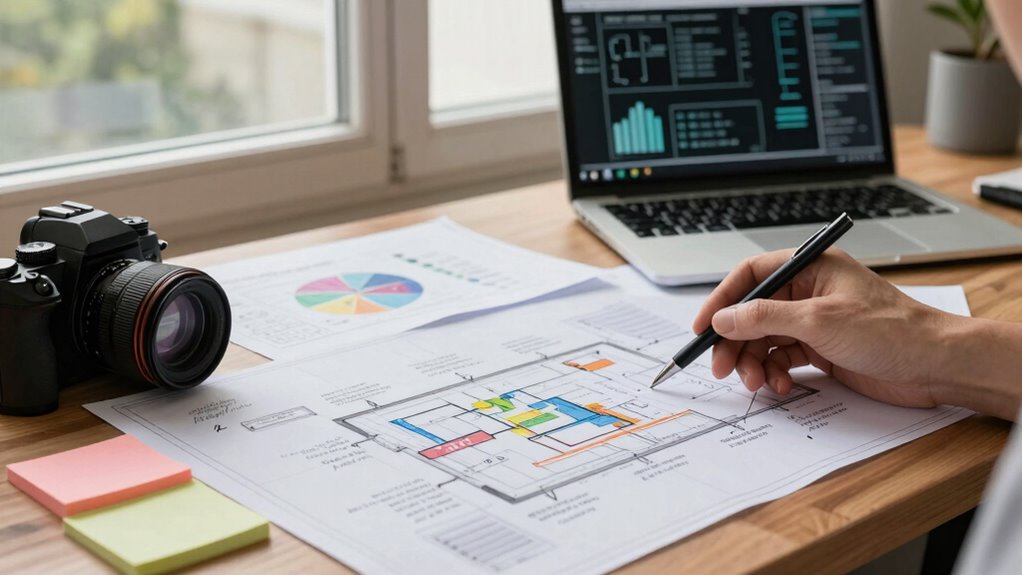
Developing a realistic upgrade roadmap is essential for guaranteeing your project stays on track and within budget. When you focus on effective budget planning, you lay a solid foundation that guides every decision. You need to identify all potential costs upfront, from hardware and software to labor and contingency funds. This prevents surprises down the line and helps you allocate resources wisely. But equally important is stakeholder engagement. You can’t craft an effective plan in isolation; your team, management, and end-users all have critical insights that shape a practical roadmap. Engaging stakeholders early ensures you understand their needs, expectations, and potential concerns, allowing you to address them before they become obstacles.
It’s tempting to jump straight into technical details or set aggressive timelines, but a realistic upgrade roadmap demands a balanced approach. You must prioritize tasks based on business impact and technical feasibility. Rushing through this step can lead to overlooked requirements or underestimated complexities, which often cause delays and cost overruns. By involving stakeholders, you gain clarity on what truly matters and can align the project’s scope with strategic goals. This collaborative process also fosters buy-in, making it easier to secure resources and support throughout the upgrade. Additionally, understanding the importance of community engagement can provide valuable insights and foster a supportive environment for your project. Recognizing the collective knowledge and experiences of your community helps in anticipating challenges and discovering innovative solutions. Moreover, considering project risk management early on can significantly enhance your ability to handle unforeseen issues effectively. Being aware of potential risks helps in developing proactive strategies to minimize their impact. Incorporating continuous monitoring and feedback throughout the project lifecycle ensures you can adapt to changing circumstances and maintain alignment with your goals.
Additionally, you should build in buffer time and contingency plans. No project is flawless, and unexpected issues—like vendor delays or unforeseen technical hurdles—will arise. By proactively planning for these, you reduce stress and keep your project on track. Remember, a well-structured upgrade roadmap is about realistic expectations. You don’t want to promise more than you can deliver or set deadlines that aren’t feasible. Instead, set achievable milestones that motivate your team and demonstrate progress. Maintaining flexibility and adaptability ensures your plan remains relevant and effective as circumstances change.
Products Worth Considering

Therabody JetBoots PRO Plus Wireless LED 3-in-1 Compression Boots, Short (29 in Inseam)

Coleman Heritage Big & Tall 10°F Flannel Sleeping Bag

Garmin inReach Mini 2 Satellite Communicator Orange
As an affiliate, we earn on qualifying purchases.
Frequently Asked Questions
How Often Should I Update My Upgrade Roadmap?
You should update your upgrade roadmap at least once a year, or more often if your technology or business needs change rapidly. Regular updates guarantee you account for new hardware, software, or industry trends, maintaining planning flexibility. An adaptable upgrade frequency helps you avoid obsolescence and optimize investments, making sure your roadmap stays relevant and achievable. Keep an eye on emerging tech and adjust your plan accordingly for best results.
What Tools Can Assist in Creating a Realistic Upgrade Plan?
Did you know 70% of IT projects face delays due to poor planning? To create a realistic upgrade plan, use tools like technology assessment platforms to evaluate current systems and identify gaps. Incorporate risk management tools to anticipate potential issues, ensuring smoother upgrades. These tools help you prioritize upgrades, allocate resources effectively, and reduce unexpected setbacks, making your roadmap more accurate and achievable.
How Do I Prioritize Upgrades With Limited Budget?
When facing budget constraints, you should prioritize upgrades based on upgrade timing and critical needs. Focus on the most impactful upgrades first, such as those improving performance or security, and plan less urgent ones for later. Assess the cost-benefit of each upgrade, and set a realistic timeline. This approach guarantees you maximize your limited budget while addressing essential needs promptly and strategically.
Should I Involve Stakeholders in the Upgrade Planning Process?
Yes, involving stakeholders in the upgrade planning process is essential. You should encourage stakeholder engagement to gather diverse insights and guarantee their needs are considered. This promotes decision-making collaboration, making the process more transparent and effective. When stakeholders are actively involved, you build support for upgrades, reduce resistance, and make better-informed choices, ultimately leading to a more successful and realistic upgrade roadmap that aligns with everyone’s priorities.
How Can I Measure the Success of My Upgrade Roadmap?
You can measure your upgrade roadmap’s success by tracking key performance metrics and gathering user feedback. Think of performance metrics as your roadmap’s heartbeat—constant, essential, and telling you if you’re moving forward. User feedback acts like a compass, guiding you toward what truly matters to your users. By regularly monitoring these, you’ll see if your upgrades hit the mark or need tweaks, ensuring continuous improvement.
Conclusion
Remember, crafting a realistic upgrade roadmap is like charting a course through a maze—you need a clear map to avoid dead ends. I once watched a team rush into upgrades without planning, only to backtrack and waste months. Data shows that 70% of failed upgrades stem from poor planning. So, take your time, prioritize, and stay flexible. With a solid plan, you’ll steer your project smoothly towards success—just like finding your way out of that tricky maze.