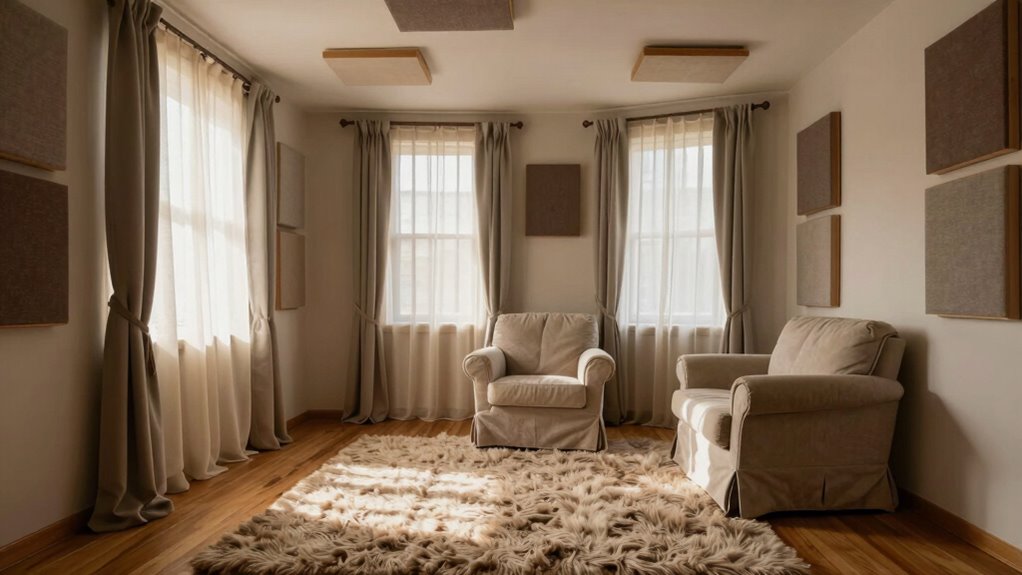

To reduce echo in small rooms, focus on managing sound reflections by adding soft materials like rugs, fabric-covered furniture, and acoustic panels on walls and ceilings. Position reflective surfaces away from areas where sound bounces back, and use diffusers to scatter sound waves evenly. Incorporate sound-absorbing furniture and strategically place textiles to better control echoes. Keep experimenting with these tips, and you’ll discover even more ways to improve your room’s acoustics.

Get sports gear delivered free with Prime
- Fast, free delivery on millions of items
- Prime Video, Amazon Music and more included
- Member-only deals all year
Key Takeaways
- Install acoustic panels on reflective surfaces like walls and ceilings to absorb sound and reduce echo.
- Incorporate soft furniture, rugs, and fabric-covered items to dampen sound reflections.
- Use diffusers to scatter sound waves evenly and prevent echo buildup.
- Rearrange furniture to avoid hard, reflective surfaces facing each other directly.
- Minimize external noise and strategically add soundproofing for clearer, echo-free audio.
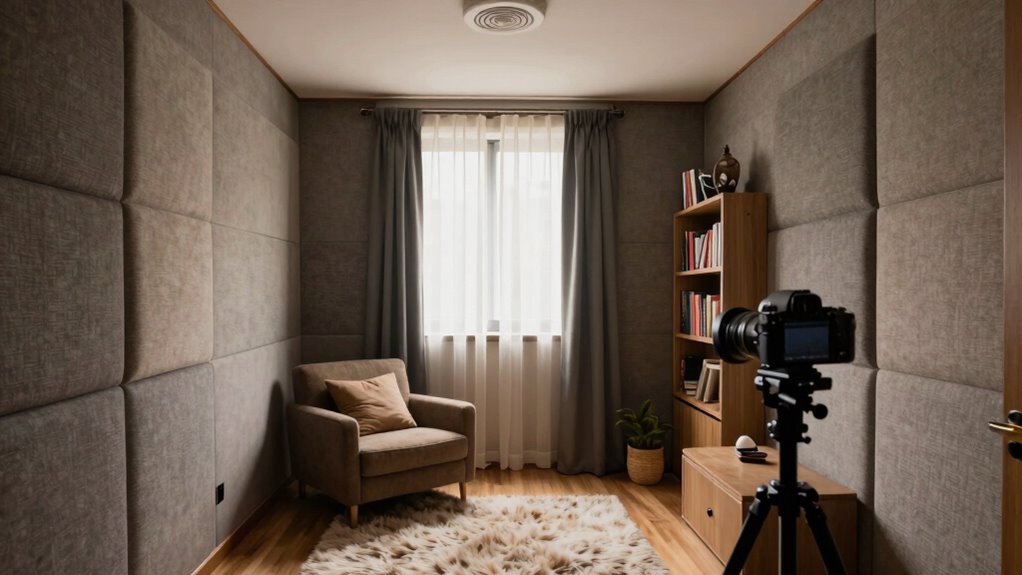
Echoes can be especially noticeable in small rooms, making conversations and recordings sound hollow and distant. When sound waves bounce off hard surfaces like walls, floors, and ceilings, they create those frustrating echoes that make your space feel less inviting and more difficult for clear communication. To tackle this, you need to think about absorbing those sound reflections rather than letting them bounce around freely. Acoustic panels are a smart solution here. They’re designed to absorb sound energy, reducing the amount of echo you hear. Installing them on key surfaces—like walls and ceilings—can drastically improve your room’s acoustics. You don’t have to cover every inch; focus on areas where sound tends to reflect the most, such as behind your seating or near your recording setup. Acoustic panels come in various styles and sizes, so you can choose options that complement your decor while making a noticeable difference in sound quality.
Beyond adding acoustic panels, furniture placement plays an essential role in controlling echo. Hard, reflective surfaces like glass tables or metal chairs only add to the problem by bouncing sound waves around. Instead, consider arranging your furniture to break up those sound reflections. Soft furniture, such as plush chairs, sofas, or even fabric-covered ottomans, absorbs sound more effectively. Positioning larger pieces of furniture against bare walls can help diffuse sound waves, preventing them from bouncing back and creating echo. You might also add rugs or carpets on the floor—these act as additional sound absorbers, especially if your room has a hard surface floor. Incorporating sound-absorbing materials strategically throughout the space can further enhance your acoustics by minimizing external noise intrusion. Understanding sound reflection can help you identify the most problematic surfaces and optimize your room setup. Additionally, experimenting with soundproofing techniques can further enhance your room’s acoustics by minimizing external noise intrusion.
Furthermore, using diffusers can help scatter sound waves more evenly across the room, reducing the likelihood of echo formation. You don’t need to overhaul your entire space to improve acoustics. Small adjustments like strategically placing acoustic panels and rearranging furniture can make a noticeable difference. Focus on softening hard surfaces and disrupting sound pathways to absorb rather than reflect sound. By doing this, you’ll find your conversations clearer and your recordings more professional. Remember, the key is to create a balance—introduce enough sound-absorbing elements without making the room feel cramped or cluttered. With thoughtful furniture placement and the right choice of acoustic panels, you can transform your small room from echo-prone to acoustically friendly, making it a more comfortable and functional space for all your activities.
acoustic wall panels for small rooms
As an affiliate, we earn on qualifying purchases.
As an affiliate, we earn on qualifying purchases.
Frequently Asked Questions
Can Plants Help Reduce Echo in Small Rooms?
Yes, plants can help reduce echo in small rooms. By strategically placing acoustic plants around the space, you absorb sound waves and minimize reflections. Focus on plant placement near hard surfaces like walls or windows, where echoes are most prominent. Acoustic plants with dense foliage work best, as their leaves and stems break up sound waves and improve room acoustics, creating a more comfortable and less echoey environment.
Is Professional Acoustic Treatment Necessary for Small Spaces?
You don’t always need professional acoustic treatment for small spaces. Many soundproofing myths suggest costly solutions, but affordable acoustic treatments like rugs, curtains, and foam panels can markedly reduce echo. While professional treatments do improve sound quality, they often come with high acoustic treatment costs. For most small rooms, DIY options are effective, budget-friendly, and easy to implement, making them a smart choice for creating better sound environments.
How Does Furniture Placement Affect Echo Reduction?
Your furniture arrangement plays a essential role in reducing echo by breaking up reflective surfaces. Position soft furnishings like couches, rugs, and curtains strategically around the room to absorb sound. Avoid placing large reflective surfaces like glass or bare walls opposite each other, as they bounce sound waves and worsen echo. Mixing different furniture heights and textures can help scatter sound, creating a more acoustically friendly space.
Do DIY Soundproofing Methods Work Effectively?
DIY soundproofing methods can work effectively, especially if you’re aware of their limitations. While they might not block all sound completely, they’re a cost-effective way to improve acoustics without spending a fortune. Some limitations include incomplete sealing and material constraints, but with proper installation, DIY solutions like foam panels or sealants considerably reduce echo. You get noticeable results, making your space more comfortable without breaking the bank.
How Often Should I Update Acoustic Treatments?
You should update your acoustic treatments when you notice sound absorption isn’t as effective, or if your room’s use changes. Usually, every 1-2 years, check your acoustic panels and other treatments for damage or dust buildup. Over time, materials can degrade, reducing their effectiveness. Regularly reassess your space’s acoustics to guarantee your sound absorption remains ideal, and replace or reposition panels as needed for the best sound quality.
soundproof rugs for echo reduction
As an affiliate, we earn on qualifying purchases.
As an affiliate, we earn on qualifying purchases.
Conclusion
Reducing echo in small rooms is all about strategic placement and choosing the right materials. Did you know that adding just a few soft furnishings can reduce echo by up to 50%? So, don’t overlook simple solutions like rugs, curtains, or acoustic panels. These small tweaks make a big difference, helping you create a space that sounds clear and professional. Start experimenting today—you’ll be amazed at how much better your room can sound with just a few adjustments.
sound diffuser panels for room acoustics
As an affiliate, we earn on qualifying purchases.
As an affiliate, we earn on qualifying purchases.
fabric-covered furniture for sound absorption
As an affiliate, we earn on qualifying purchases.
As an affiliate, we earn on qualifying purchases.
Fall Picks
fall essentials
As an affiliate, we earn on qualifying purchases.