You might think a monopod is just about the pole, but the foot is essential for stability and safety on uneven or slippery surfaces. Without a proper foot, your shots can be shaky or unstable, risking camera falls. Properly designed or interchangeable feet improve grip and absorb shocks, giving you more confidence during shots. Overlooking this small detail can compromise your setup. Keep going, and you’ll discover how choosing the right foot makes all the difference.

Get sports gear delivered free with Prime
- Fast, free delivery on millions of items
- Prime Video, Amazon Music and more included
- Member-only deals all year
Key Takeaways
- Monopod feet significantly improve stability and safety on uneven or slippery terrains.
- Properly designed feet distribute weight and absorb shocks for better camera support.
- Interchangeable feet offer versatility for different surfaces, enhancing overall stability.
- No-foot monopods are lighter but less stable, risking camera shake or tipping.
- Choosing the right foot type impacts safety, image sharpness, and shooting confidence.
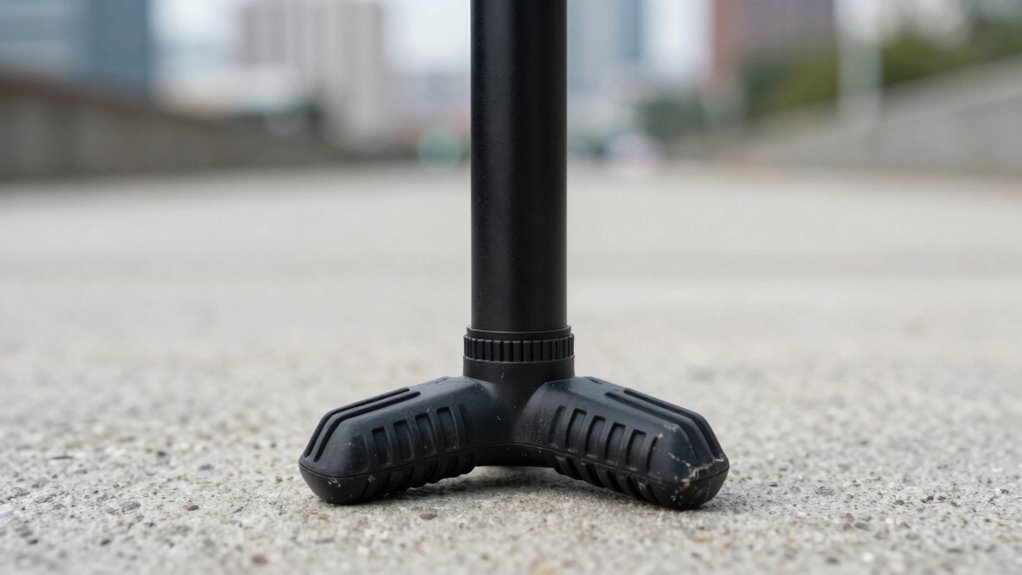
Many photographers overlook the importance of their monopod’s foot, yet it plays a crucial role in stability and safety. When you’re out in the field, capturing fleeting moments or long-exposure shots, the quality of the monopod foot can make all the difference. A well-designed foot isn’t just about aesthetics; it it directly impacts your monopod stability, helping you hold your camera steady even on uneven terrain. The foot design influences how well your monopod grips the ground, whether you’re on slippery surfaces, rocky paths, or soft grass. Without a reliable foot, your monopod’s stability diminishes, increasing the risk of camera shake or even tipping over.
A strong monopod foot is essential for stability and safety on any terrain.
Choosing the right foot design isn’t just about preference — it’s about functionality. Some monopod feet come with rubber pads, providing grip on smooth surfaces like concrete or tile, but they can slip on loose or wet ground. Others feature spikes, which dig into soft soil or dirt, offering enhanced stability but can be damaging or unstable on hard surfaces. Many high-quality monopods come with interchangeable feet, so you can switch between rubber and spikes depending on your shooting environment. This flexibility ensures you get a secure footing no matter where you’re shooting. Additionally, understanding the monopod foot design can help you select the best accessory for your specific needs. Proper ground contact is essential for maintaining steady shots, especially in challenging terrains. A good understanding of foot compatibility ensures you choose the right accessories that fit your monopod. Recognizing the significance of foot material quality can also influence the longevity and performance of your monopod, especially in harsh conditions.
If you think a no-foot design might save weight or look cleaner, think again. While a no-foot monopod might seem sleek, it often sacrifices monopod stability, especially on uneven or slippery ground. Without a proper foot, you lose the traction and grip necessary for safe, steady support. Plus, a dedicated foot design distributes weight more evenly and absorbs minor shocks, protecting your gear over long shoots. It’s a small detail, but it can dramatically improve your overall shooting experience. Furthermore, the material quality of the foot can influence its durability and performance over time.
In addition to ground contact, the foot design also affects portability and ease of use. Some monopod feet fold or detach easily, allowing for quick setup or compact storage. Others are bulkier but provide a more stable base. When choosing a monopod foot, consider where you’ll be shooting and what surfaces you’ll encounter most often. A good foot design enhances your monopod’s stability, giving you confidence that your camera stays steady, no matter the conditions.
In short, overlooking your monopod foot can undermine your entire setup. Paying attention to the foot design ensures better monopod stability, safer handling, and sharper images. Don’t dismiss this small but critical component — it’s the foundation of a secure and reliable shot.
monopod with interchangeable feet
As an affiliate, we earn on qualifying purchases.
As an affiliate, we earn on qualifying purchases.
Frequently Asked Questions
Do All Monopods Come With a Foot Option?
Not all monopods come with a foot option. Some camera accessories include detachable or integrated feet for added stability, while others are designed solely as portable, lightweight supports. When choosing a monopod, consider tripod compatibility and whether an optional foot enhances your setup. A foot can provide better grip on uneven surfaces, but if you prioritize portability, a no-foot monopod might be more suitable. Always check product details before purchasing.
Is a Monopod Foot Necessary for Stability?
A monopod foot isn’t always necessary for stability, but it can greatly improve accessory compatibility and weight distribution. If you’re shooting in uneven terrain or holding heavier gear, a foot provides a broader base, reducing fatigue and wobbling. Without a foot, your monopod might be less stable, especially over long periods. Consider your shooting style and environment to decide if adding a foot enhances your setup’s stability.
Can a Monopod Foot Be Replaced or Upgraded?
Yes, you can replace or upgrade a monopod foot, especially if you explore compatible monopod accessories. Check the foot compatibility with your monopod model before purchasing, as different brands and types may require specific replacements. Upgrading your monopod foot can improve stability and ease of use, making your photography sessions more efficient. Always verify the new foot fits securely to prevent any unwanted slips or accidents during shoots.
How Does Foot Type Affect Monopod Portability?
Foot type greatly affects your monopod’s portability. A monopod with a compact, lightweight foot is easier to carry, especially when compared to larger tripod-style feet. When choosing, consider tripod versus monopod designs and foot attachment compatibility to guarantee easy packing and setup. Smaller, removable feet boost portability, while bulkier options may hinder travel. Your choice impacts mobility and convenience, so pick a foot that aligns with your shooting style and transport needs.
Are There Specific Terrains Better Suited for Monopod Foot Use?
Think of terrain compatibility like choosing the right shoes for a hike; some surfaces demand better grip. Monopod feet excel on stable, flat surfaces like pavement or packed dirt, offering solid support. However, on uneven or loose terrain—think sandy beaches or rocky trails—they struggle with surface grip. If you often shoot in rugged environments, consider a monopod with a foot designed for better stability and grip to prevent slips.
As an affiliate, we earn on qualifying purchases.
Conclusion
You might be surprised to learn that nearly 60% of photographers overlook the importance of a monopod foot, risking stability and shot quality. By paying attention to whether your monopod has a foot or not, you could dramatically improve your photos’ sharpness and ease of use. Don’t underestimate this small detail — it could be the difference between a blurry mess and a perfect shot. Remember, sometimes the overlooked details make the biggest difference.
As an affiliate, we earn on qualifying purchases.
As an affiliate, we earn on qualifying purchases.
Halloween Picks
halloween
As an affiliate, we earn on qualifying purchases.