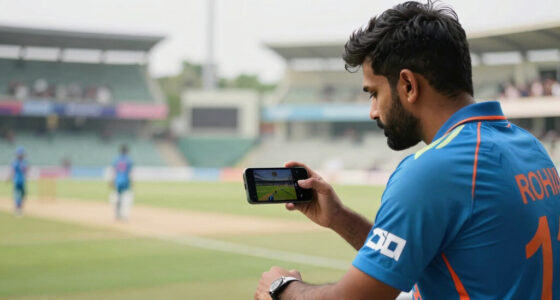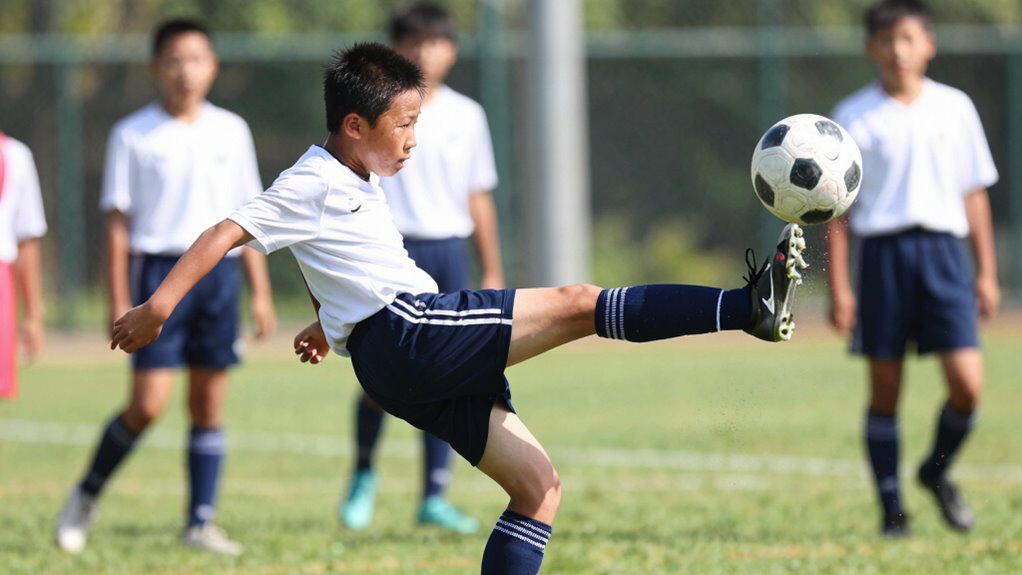

To photograph youth sports when every second counts, get your gear ready with extra batteries, memory cards, and weather protection. Set your camera for fast action with high shutter speeds, continuous autofocus, and burst mode. Anticipate key plays by studying player movements and body language. Keep your composition sharp, focus on faces and emotions, and adjust settings for indoor or outdoor light. If you keep practicing these techniques, you’ll master capturing those essential moments effortlessly.
Key Takeaways
- Anticipate plays and movements by studying player behavior and positioning to be ready for key moments.
- Use fast shutter speeds (1/1000 sec or higher) and continuous autofocus to freeze motion and keep subjects sharp.
- Choose appropriate lenses and compose shots proactively to capture emotions and action from a distance.
- Keep camera settings dynamic, adjusting for lighting conditions and movement speed to ensure optimal exposure.
- Capture build-up and reaction moments to tell a compelling, story-driven sports narrative.

DSLR Cheat Sheet Photography Accessories Camera Accessories for Canon Nikon Sony Photography Gifts for Photographer Quick Reference Cards Guides Tips Settings Exposure Modes Composition And More 4×3in
- Includes 30 pages of tips: Color-coded double-sided cheat sheets
- Universal camera compatibility: Suitable for Canon, Nikon, Sony, and more
- Concise photography guidance: Easy-to-understand tips on exposure, modes, and composition
As an affiliate, we earn on qualifying purchases.
As an affiliate, we earn on qualifying purchases.
Get Your Gear Ready for Youth Sports Action
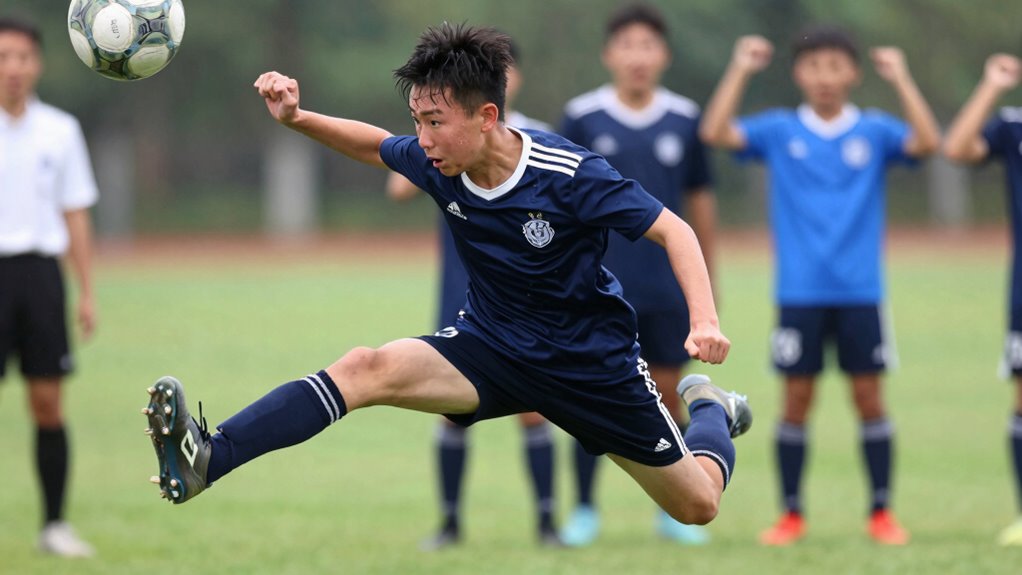
Before you head out to capture the excitement of youth sports, make sure your gear is fully prepared. Check that your camera accessories, such as extra batteries, memory cards, and lens filters, are ready to go. These essentials guarantee you don’t miss key moments. Weather considerations are vital—bring protection for your camera in case of rain or dust. A weather-resistant bag or a lens cloth can help keep your equipment safe and clean. If it’s sunny, consider using a lens hood to reduce glare. In colder conditions, keep batteries warm to prevent quick drainage. Preparing your gear ahead of time minimizes disruptions during the game, allowing you to focus on capturing those fleeting, action-packed moments that define youth sports. Additionally, understanding biodiversity can inspire you to incorporate elements of nature and vibrant backgrounds into your sports photography, creating more dynamic images. Being aware of the environmental conditions can help you adapt your settings for optimal shots. Checking the lighting conditions before the game can help you plan your camera settings for better exposure. Selecting the right floor cleaning equipment for your team’s facilities can also ensure a safe and clean environment for athletes and spectators alike.

QILOVE Global Shutter USB Camera, 800P Monochrome Ultra High Speed
- Adjustable Frame Rates: 120-640fps for slow-motion capture
- Global Shutter Technology: Crisp, distortion-free high-speed images
- Monochrome CMOS Sensor: Enhanced sensitivity and contrast in low light
As an affiliate, we earn on qualifying purchases.
As an affiliate, we earn on qualifying purchases.
Set Up Your Camera for Fast-Paced Sports Shots

To capture fast-paced moments clearly, set your camera to continuous shooting mode so you can take multiple shots quickly. Use a wide aperture to keep subjects sharp and in focus, even with quick movements. Also, adjust your autofocus to prioritize speed, ensuring your camera locks onto subjects instantly. Additionally, using fashion-forward accessories or backgrounds can enhance the visual appeal of your sports photography.
Use Continuous Shooting Mode
When capturing fast-moving sports action, setting your camera to continuous shooting mode is essential. This mode allows you to take multiple shots in quick succession, increasing your chances of capturing the perfect moment. To maximize results, guarantee your camera is stable—use a tripod or steady hand to prevent blur. Proper lens selection also matters; a telephoto or zoom lens lets you get close-up shots from a distance. Keep your settings ready for rapid-fire shooting, and don’t hesitate to hold down the shutter button. Continuous mode helps you catch those split-second moves, reactions, or goals that happen in a flash. With camera stability and the right lens, you’ll increase your odds of capturing sharp, dynamic images in the heat of the game.
Select Wide Aperture Settings
Ever wondered how to keep your sports shots sharp and focused amidst fast-moving action? Selecting wide aperture settings is key. A wide aperture (small f-number) allows more light into your camera, enabling faster shutter speeds. This helps freeze motion and capture crisp images even when subjects are moving quickly. Use lens filters designed for sports to reduce glare and enhance clarity, but avoid filters that may slow your shutter speed. Keep in mind, a wider aperture creates a shallower depth of field, so focus precisely on your subject. By setting your lens to the widest aperture possible, you maximize shutter speed, ensuring every second counts in capturing those fleeting moments with sharpness and detail.
Adjust Autofocus for Speed
Adjusting autofocus settings is essential for capturing fast-paced sports shots with clarity. To do this, set your camera to continuous autofocus (AI Servo or AF-C). This mode allows your camera to track moving subjects and adjust focus as they move. Avoid relying on manual focus during quick plays, as it’s too slow and unpredictable. Instead, use focus lock to hold focus on a player before they move into your shot, then re-engage autofocus if needed. Confirm your autofocus points are focused on the main subject’s eyes or chest for sharpness. Keep your shutter speed high to freeze motion, and test your settings beforehand to ensure swift, accurate focus. This setup helps you catch those split-second moments with precision.

MIAO LAB 28X HD Telephoto Lens for iPhone/Samsung/Android | High Power Telephoto Camera Lens, Universal Smartphone Compatibility
- High Power 28x Telephoto Lens: Enhances distant photo capturing
- Advanced Optical Design: Provides wide view and true color
- Stable Long-Distance Shots: Ensures clear, steady images
As an affiliate, we earn on qualifying purchases.
As an affiliate, we earn on qualifying purchases.
Anticipate Plays to Capture the Perfect Moment
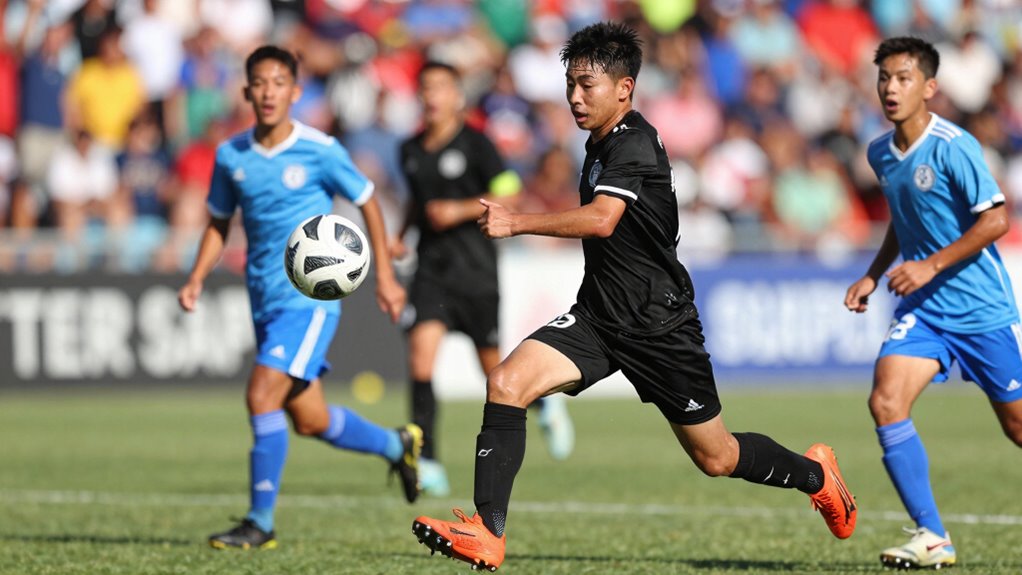
To get the perfect shot, you need to anticipate plays by studying player movements and recognizing key moments. As you watch the game, try to predict how the play will develop so you can be ready for the action. This proactive approach helps you capture those fleeting, unforgettable moments. Additionally, understanding how to maximize indoor air quality can ensure you’re comfortable and focused during long photography sessions. Being aware of your environment and maintaining good air quality can help reduce fatigue and enhance your concentration. Incorporating proper kitchen appliances can also improve your overall comfort, especially if you’re setting up equipment in a versatile space. Moreover, taking steps to ensure digital safety can protect your gear and data from cyber threats during your photography sessions.
Study Player Movements
Understanding player movements is essential for capturing those split-second moments that define youth sports photography. By observing player positioning and analyzing their movement patterns, you can anticipate where the action will unfold. Pay close attention to how players shift, react, and position themselves during plays — this insight helps you predict key moments before they happen. Movement analysis involves noting tendencies, such as a player’s approach to the basket or how defenders react to offensive drives. When you understand these cues, you can pre-focus and frame your shot, ensuring you’re ready when the action peaks. Studying these subtle cues allows you to stay ahead of the play, increasing your chances of capturing the perfect, fleeting moment that captures the excitement of youth sports. Incorporating player behavior insights from sports psychology can further enhance your ability to anticipate actions and improve your overall shot timing.
Recognize Key Moments
Recognizing key moments in youth sports requires keen observation and quick reflexes. To do this effectively, pay close attention to players’ body language, facial expressions, and team dynamics. Notice when a player is gearing up for a shot, a pass, or a tackle—these are often the signature style moments that tell a story. Use storytelling techniques by capturing the buildup before the action, not just the peak. Anticipate where the play might develop and position yourself accordingly. This proactive approach helps you seize those decisive seconds when the game’s energy peaks. By honing your awareness and understanding the flow of the game, you’ll be able to anticipate plays, resulting in powerful images that vividly tell the story of the match.
Predict Play Developments
Anticipating play developments requires you to read the game as it unfolds, paying close attention to players’ positioning and movements. By predicting game strategies, you can anticipate where the action will happen next. Watch how players analyze each other’s tactics—like a defender’s stance or a midfielder’s positioning—to gauge potential passes or shots. Recognize patterns in their behavior that signal an upcoming play. Stay alert to subtle cues, such as a player’s glance or body language, that hint at their intentions. This proactive approach helps you position yourself to capture key moments before they happen. The more you analyze player tactics, the better you’ll become at predicting play developments and snapping that perfect shot when every second counts. Incorporating principles of design thinking can further enhance your ability to adapt and innovate your approach on the field. Developing your intuition through experience and observation can also significantly improve your anticipation skills, enabling you to stay one step ahead during fast-paced plays.

CADeN Camera Backpack Bag Professional for DSLR/SLR Mirrorless Camera Waterproof, Camera Case Compatible for Sony Canon Nikon
- Dimensions: 11×5.9×15 inches
- Lightweight: 1.74 pounds
- High Capacity: Fits camera, lenses, accessories
As an affiliate, we earn on qualifying purchases.
As an affiliate, we earn on qualifying purchases.
Capture Sharp Action Shots During the Game
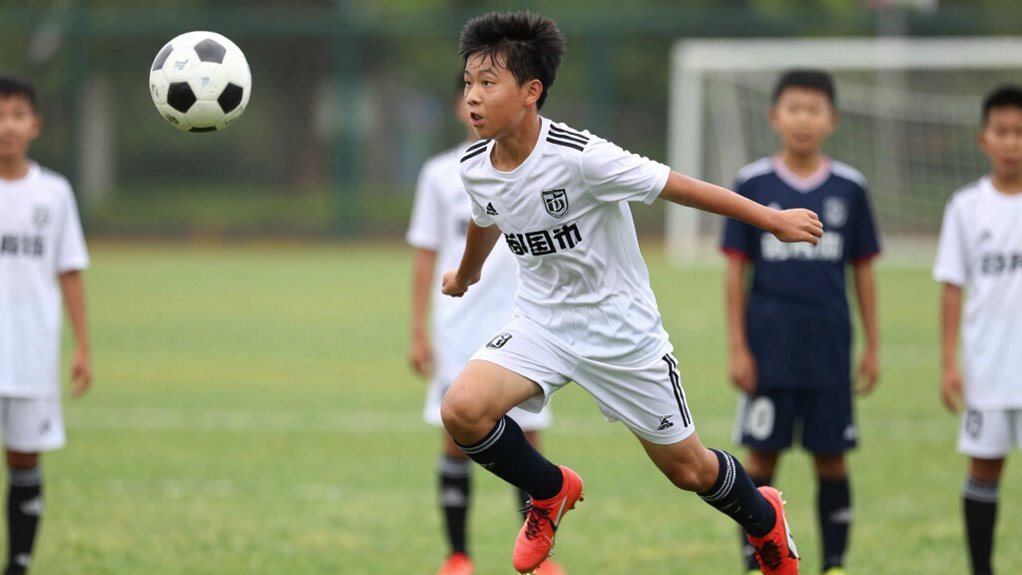
To capture sharp action shots during a youth sports game, you need to be ready to freeze fast-moving moments. Your sports gear should be lightweight and comfortable, allowing quick movements. Focus on adjusting your camera settings: use a fast shutter speed, typically 1/1000 second or higher, to freeze motion. Keep your ISO high enough to compensate for lighting, but not so high that noise becomes an issue. Additionally, set your camera to continuous autofocus mode to track players smoothly. Understanding essential survival skills can help you stay calm and adapt quickly to changing conditions, much like adjusting camera settings on the fly. Developing timing and anticipation can also help you predict when key moments will happen, giving you a better chance to capture them perfectly. Being aware of lighting conditions is crucial for making quick adjustments to your camera settings in dynamic environments. Here are key tips:
- Use a fast shutter speed to freeze motion.
- Select continuous autofocus to keep moving subjects sharp.
- Keep your sports gear ready for quick adjustments to camera settings as lighting conditions change.
- Familiarizing yourself with basic camera techniques can further enhance your ability to capture dynamic moments effectively.
Compose Your Shots to Highlight Key Emotions
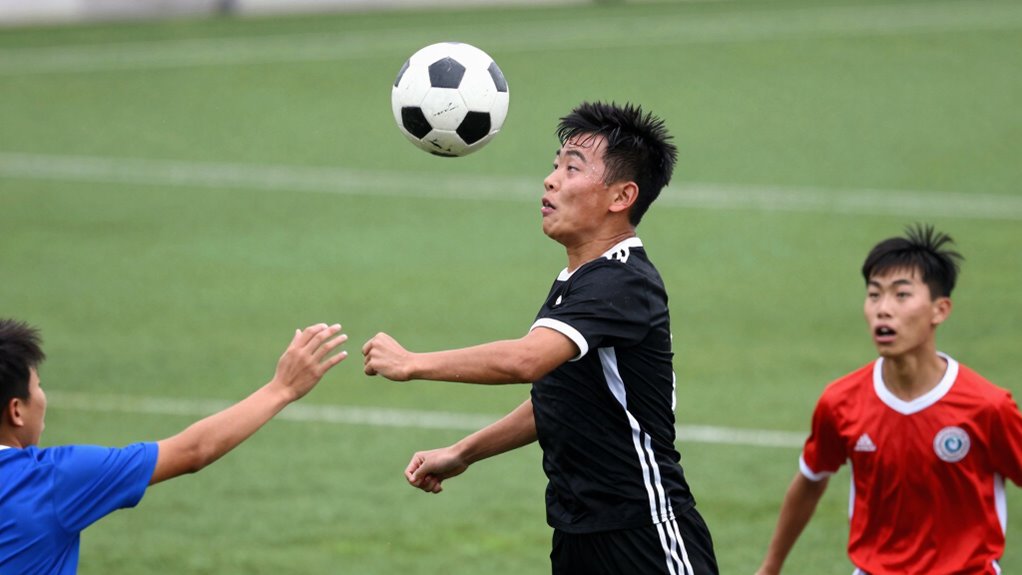
Capturing the raw emotions of youth athletes can transform a good sports photo into a memorable story. To do this, focus on composition techniques that emphasize expressions and moments of intensity. Get close to your subject to capture facial reactions, and use framing to isolate emotions, whether it’s joy, determination, or disappointment. Pay attention to background elements that support the story without distracting from the main action. Use a shallow depth of field to blur out distractions and make your subject stand out. Remember, emotional storytelling thrives on capturing authentic moments—so anticipate key reactions and be ready to shoot. Proper equipment safety knowledge can help you handle your camera gear more confidently in dynamic environments. Additionally, understanding digital tools can streamline your workflow, allowing you to focus more on capturing those fleeting moments. Being familiar with camera settings can also help you quickly adapt to changing lighting conditions and capture decisive moments effortlessly. Developing a photography technique that emphasizes timing and focus can significantly enhance your ability to seize those crucial moments. For example, practicing timing and focus can help you anticipate the peak emotion during a game. By thoughtfully composing your shots with these techniques, you’ll convey powerful emotions that resonate long after the game ends.
Adjust for Lighting in Outdoor and Indoor Sports
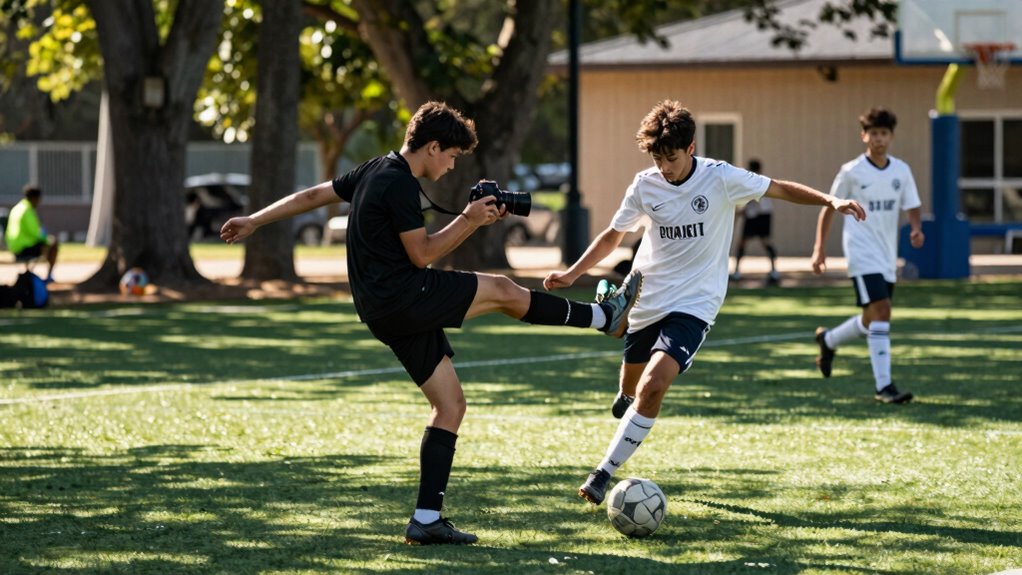
Lighting conditions can vary greatly between outdoor and indoor sports, so adjusting your camera settings accordingly is crucial for clear, well-exposed photos. Use lighting techniques like increasing ISO or opening the aperture to compensate for low light indoors. For outdoor sports in bright conditions, lower your ISO and close the aperture slightly to prevent overexposure. Regular equipment maintenance ensures your camera’s sensors and lenses are clean, preventing unwanted glare or spots that can ruin a shot. To deepen your understanding:
- Adjust ISO and aperture based on the environment’s brightness.
- Use fast shutter speeds to freeze rapid movements, especially indoors.
- Keep your gear clean and functional to maintain ideal image quality. Maintaining your camera’s lighting capabilities and understanding how different environments affect light can significantly improve your sports photography. Additionally, familiarizing yourself with regional lighting conditions can help you anticipate and adapt to challenging lighting scenarios.
- Being aware of lighting variations in different settings allows for more consistent photo results.
Use Continuous Shooting and Autofocus Effectively
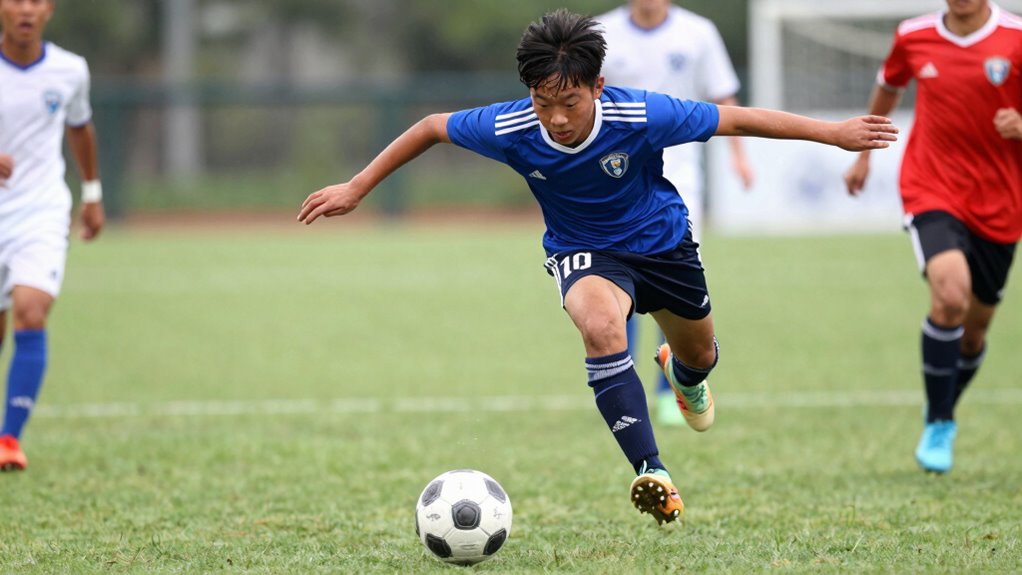
Using continuous shooting and autofocus can considerably increase your chances of getting that perfect sports shot, especially when action happens quickly. Set your camera to burst mode to capture multiple frames per second, making sure you don’t miss critical moments. Use autofocus modes like AI Servo (Canon) or AF-C (Nikon) to keep moving subjects sharp. Good camera ergonomics help you quickly switch between focus points and adjust settings on the fly. Choose lenses with fast, responsive autofocus motors and wide apertures, such as a 70-200mm f/2.8, to track fast-moving players effectively. Keep your grip steady and your settings optimized for quick adjustments. Mastering continuous shooting and autofocus, combined with proper lens selection and ergonomic handling, guarantees you won’t miss those decisive action shots.
Enhance Your Youth Sports Photos in Post-Processing
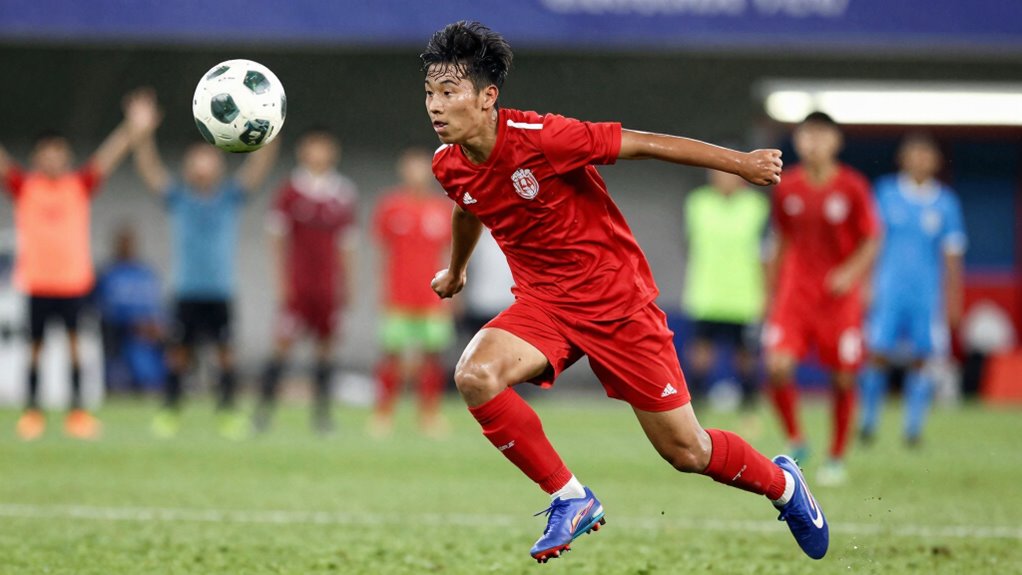
Once you’ve captured sharp, well-focused action shots, the next step is to bring out their full impact through post-processing. Effective photo editing tips can elevate your images and highlight key moments. Start with basic adjustments like exposure, contrast, and sharpness to enhance details. Use post-processing techniques such as cropping to improve composition or applying noise reduction for cleaner images. Additionally, consider selectively boosting colors or adding vignettes to draw focus to the subject. These edits help make your photos more dynamic and engaging. Remember, subtle enhancements often make the biggest difference. By applying these post-processing techniques thoughtfully, you’ll turn good shots into memorable sports images that truly capture the energy of youth sports.
Build Your Youth Sports Photography Portfolio
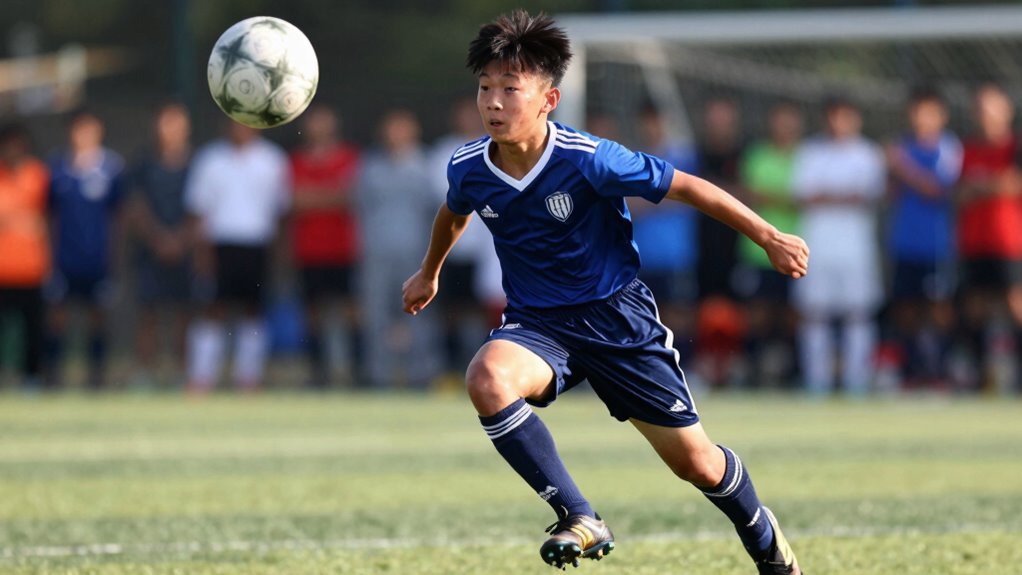
Building a strong youth sports photography portfolio starts with intentionally selecting your best work to showcase your skills and style. Focus on capturing dynamic moments that highlight team dynamics, such as celebrations or strategic plays. Include a variety of shots—close-ups, action shots, and wide scenes—to demonstrate versatility. Proper equipment upkeep is vital to guarantee sharp images and reliable performance during games. Organize your portfolio to reflect different sports, settings, and lighting conditions, emphasizing your adaptability. Use the table below to understand key elements to include:
| Focus Area | Why It Matters |
|---|---|
| Team Dynamics | Shows your ability to capture energy and interactions |
| Equipment Upkeep | Ensures quality images and smooth shooting experience |
| Varied Shots | Demonstrates versatility and storytelling skills |
Consistently refine your portfolio to showcase growth and expertise.
Frequently Asked Questions
What Is the Best Lens Size for Youth Sports Photography?
The best lens size for youth sports photography is typically a 70-200mm zoom lens. It offers versatility, allowing you to capture fast-paced action from a distance. Pair it with your sports gear and camera accessories like fast memory cards and extra batteries to guarantee you’re ready. This lens helps you freeze moments clearly and captures close-up details, making it ideal for dynamic youth sports environments.
How Do I Handle Unpredictable Weather During Outdoor Games?
When unpredictable weather hits, you’ll wish you’d brought rain protection—think waterproof covers or rain sleeves. Embrace weather preparedness by packing extra gear, like lens cloths and weather-sealed equipment. Ironically, a sudden downpour can ruin the game, but with quick thinking and waterproof gear, you can still capture those perfect moments. Stay flexible, keep an eye on the sky, and don’t forget to protect your camera from the elements.
What Are the Best Camera Settings for Fast-Moving Subjects?
To capture fast-moving subjects, set your camera to shutter priority mode with a high shutter speed, like 1/1000 sec, to freeze action. Keep your camera stable—use a monopod or steady hands—and make lighting adjustments if needed, increasing ISO or opening the aperture to guarantee proper exposure. Continuous autofocus helps track quick movements, so stay alert and ready to switch focus quickly for crisp, dynamic shots.
How Can I Prevent Motion Blur in Action Shots?
Imagine catching a dart mid-flight—you need quick reflexes. To prevent motion blur, set a fast shutter speed, ideally 1/1000th of a second, for sharp action shots. Use image stabilization if your camera has it, to further reduce blur caused by slight movements. Keep steady, and don’t forget to focus on your subject’s eyes. These tips help freeze fast-paced moments, making your sports photos crisp and dynamic.
What Privacy Considerations Should I Keep in Mind When Photographing Youth Sports?
When photographing youth sports, you should prioritize privacy considerations like obtaining parental consent before taking and sharing images. Always check the league’s image sharing policies to guarantee you’re compliant. Respect players’ privacy by avoiding sharing photos without approval, especially on social media. By following these rules, you protect the kids’ privacy and foster trust with parents and organizers, creating a positive environment for everyone involved.
Conclusion
Now that you’re ready to chase fleeting moments on the field, remember each shot is a snapshot of raw emotion and energy. Imagine capturing a player’s triumphant leap or a goalie’s intense focus, freezing that magic in time. With your camera poised like a hawk, every second becomes a chance to tell a story. Keep practicing, stay alert, and let your photos burst with the vibrant spirit of youth sports.