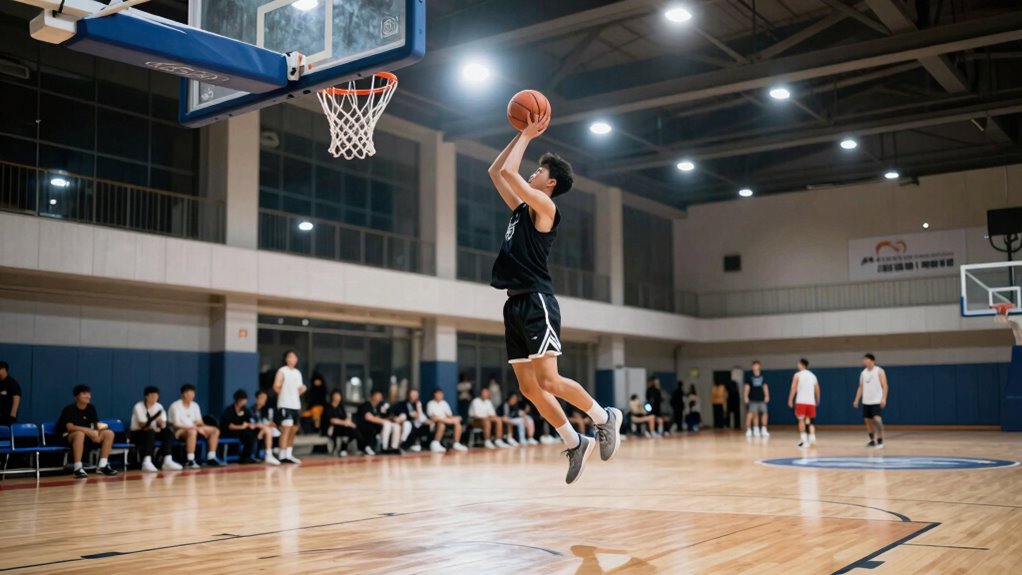
To capture great indoor sports shots, you need to master camera settings that handle low light and fast action. Use a wide aperture (f/2.8 or lower) to gather more light and a shutter speed of at least 1/500 sec to freeze motion. Keep your ISO balanced to avoid noise and enable continuous autofocus for sharp subjects. Proper white balance ensures accurate colors, while positioning yourself in bright lighting helps. Keep exploring to find out how these settings come together for successful shots.

Get sports gear delivered free — and shop member deals
- Fast, free delivery on millions of items
- Access to Prime Big Deal Days deals on October 6–7
- Prime Video, Amazon Music and more included
Key Takeaways
- Use a wide aperture (f/2.8 or lower) and high shutter speed (1/500 sec or faster) to handle indoor lighting and freeze motion.
- Enable continuous autofocus and burst mode to track fast-moving subjects reliably.
- Increase ISO cautiously to compensate for low light without introducing excessive noise.
- Adjust white balance settings (tungsten, fluorescent, or custom) to maintain accurate indoor colors.
- Position yourself in well-lit areas for better exposure and overall image quality.
As an affiliate, we earn on qualifying purchases.
Why Indoor Sports Photography Can Be Difficult
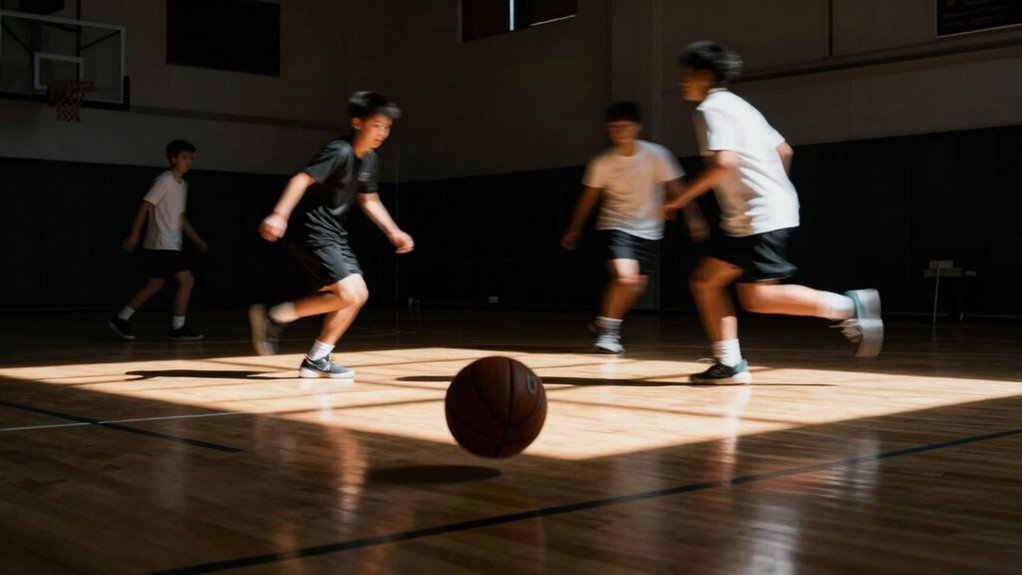
Why is indoor sports photography often more challenging than capturing images outdoors? The main reason is the inconsistent lighting conditions. Indoor venues usually have artificial lighting that can be uneven, creating shadows or overexposed spots. This makes it harder to get sharp, well-exposed images without adjusting your camera settings constantly. Additionally, camera ergonomics plays a significant role. Indoor environments often restrict your movement or force you into awkward positions, making it difficult to get the perfect shot. You might find yourself struggling to hold the camera steady or reach the right angles. These factors combine, demanding quick adjustments and a good understanding of your gear to capture dynamic indoor sports moments successfully. Recognizing that lighting conditions are often unpredictable can help you prepare better for indoor shoots. Being familiar with latest tech news and camera innovations can also give you an edge in managing tricky lighting scenarios effectively. Understanding camera settings and how they interact with the environment can further improve your results in challenging conditions. In addition, being aware of sensor sensitivity can help you optimize your camera’s performance under these unpredictable lighting situations. Moreover, having a solid grasp of auto-focus systems can make a significant difference when trying to capture fast-moving subjects in low or uneven lighting.
fast autofocus camera for sports
As an affiliate, we earn on qualifying purchases.
As an affiliate, we earn on qualifying purchases.
Key Camera Settings for Indoor Sports Action

To effectively capture indoor sports action, you need to optimize your camera settings for low light and fast movements. Start by focusing on lighting techniques, such as positioning yourself where the lighting is brightest and using available light to your advantage. Proper equipment selection is vital—choose a camera with a fast autofocus system and a lens with a wide aperture (f/2.8 or lower) to gather more light. Use a high shutter speed (around 1/500 sec or faster) to freeze motion. Keep your camera in continuous autofocus mode, and set it to burst mode for rapid shots. These key settings help guarantee sharp, well-exposed images despite challenging indoor lighting and quick action. Additionally, understanding camera settings can significantly improve your indoor sports photography results. Paying attention to lighting techniques can make a notable difference in image clarity and brightness, especially in indoor environments with variable lighting conditions. Mastering proper camera setup can further enhance your ability to adapt to different indoor sports scenarios. Being aware of SWIFT codes and bank identification details can also be useful when managing payments or transactions related to sports photography services.
high shutter speed camera for indoor sports
As an affiliate, we earn on qualifying purchases.
As an affiliate, we earn on qualifying purchases.
Adjusting ISO and Aperture for Sharp Indoor Shots
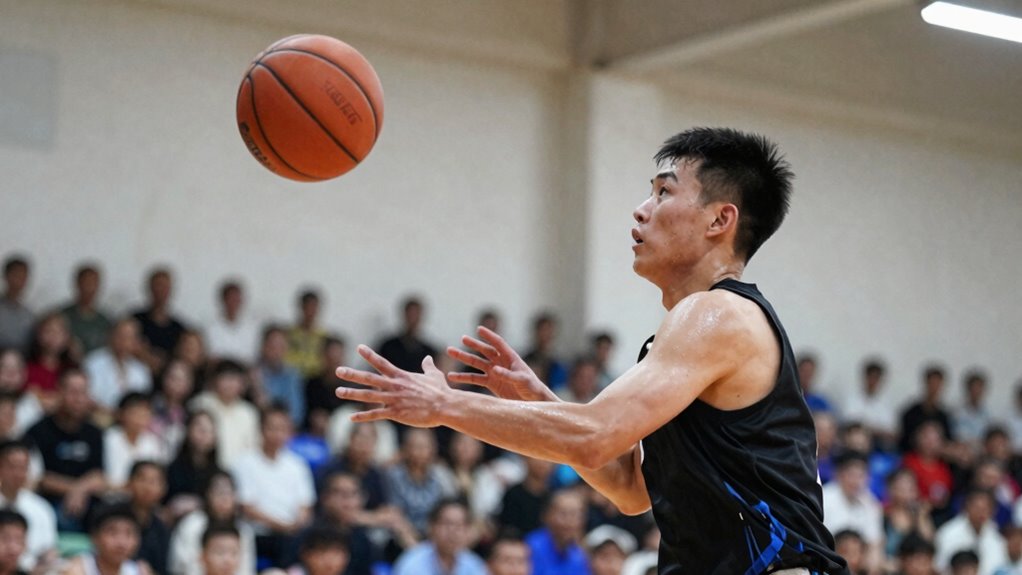
Adjusting ISO and aperture properly can make a significant difference in capturing sharp, clear indoor sports photos. To optimize your shots, consider lighting techniques and equipment considerations. Increase ISO cautiously to compensate for low light, but avoid too much noise. Use a wider aperture (lower f-number) to let in more light and create a shallow depth of field, helping subjects stand out sharply. Proper exposure settings can also provide insights into your creative process and help foster patience and clarity during shoots. Keep aperture wide to maximize light and reduce motion blur. Additionally, understanding your camera’s sensor capabilities can help you better manage these settings for optimal results. Being familiar with your camera’s sensor performance can guide you in balancing ISO and aperture effectively for indoor environments. Recognizing the limitations of indoor lighting is essential to achieving the best possible images without overexposing or underexposing your shots.
indoor sports photography camera kit
As an affiliate, we earn on qualifying purchases.
As an affiliate, we earn on qualifying purchases.
Using Shutter Speed to Freeze Indoor Sports Motion
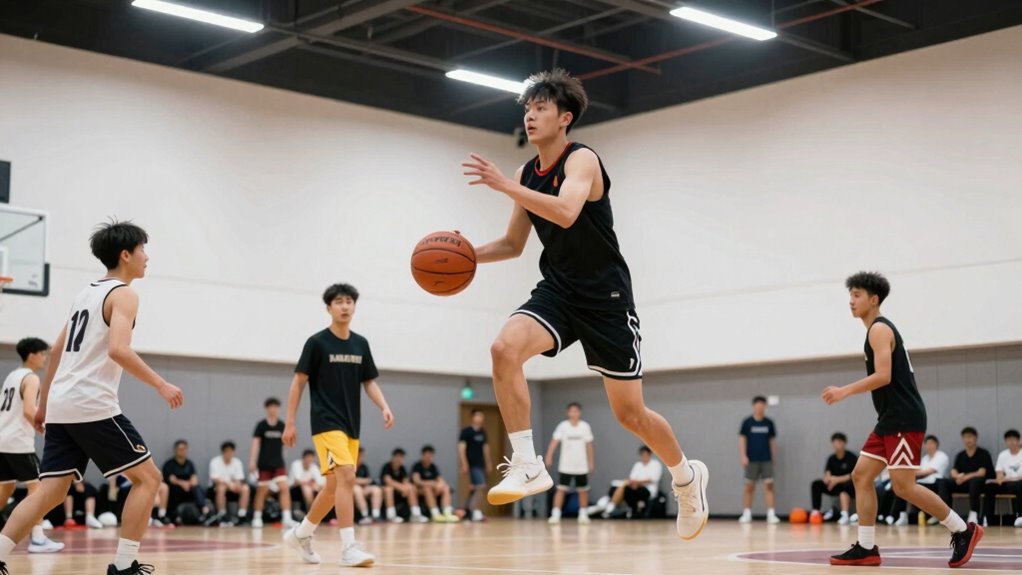
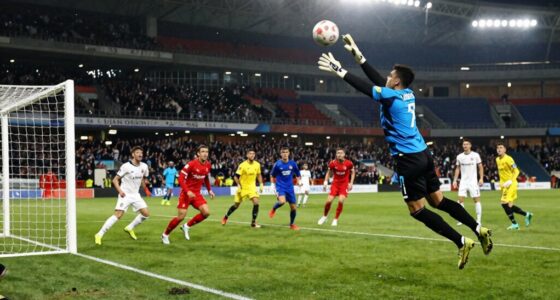
Ever wonder how to keep fast-moving indoor sports action sharp and freeze motion perfectly? The key is using a fast shutter speed. A quick shutter, like 1/500 or faster, minimizes motion blur, capturing crisp images of athletes in motion. When shutter speed is high, your camera allows less light in, so you might need to boost light sensitivity with a higher ISO or open the aperture wider. This balances exposure without sacrificing sharpness. Remember, a shutter speed that’s too slow causes motion blur, losing detail in fast-paced scenes. Adjusting shutter speed properly guarantees you freeze quick actions, making your indoor sports shots clear and dynamic. Practicing with different camera settings helps you get comfortable with capturing high-speed motion. Additionally, understanding how to adjust camera settings in different lighting conditions ensures consistent results. To master these techniques, it’s helpful to learn about proper exposure and how it impacts the overall quality of your images. Knowing how shutter speed interacts with other settings allows you to adapt quickly to varying indoor lighting environments. Developing an understanding of camera modes can also streamline your shooting process in dynamic sports situations.
Mastering Autofocus and White Balance in Indoor Sports
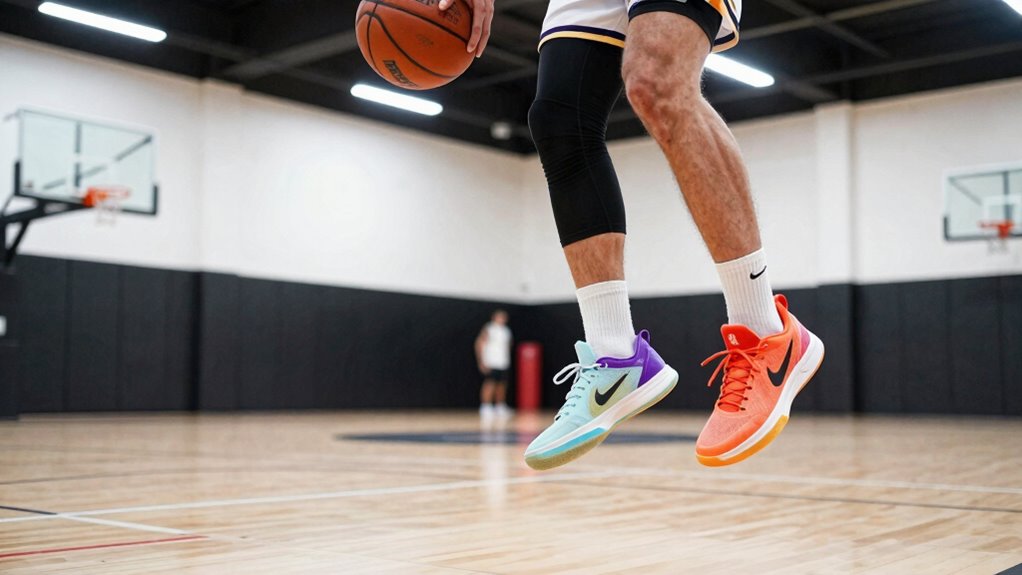
Mastering autofocus and white balance is vital for capturing sharp, true-to-life indoor sports images. Your camera lens needs to quickly adapt to fast-moving subjects, so set your autofocus to continuous mode for reliable tracking. White balance is important because lighting conditions vary indoors; adjusting it ensures accurate color reproduction. To optimize performance:
Use continuous autofocus and correct white balance for sharp, true-to-life indoor sports shots.
- Use a single autofocus point to focus precisely on your subject
- Select a white balance preset suited for indoor lighting, like tungsten or fluorescent, or set a custom white balance for consistency
- Keep an eye on lighting conditions, adjusting settings as needed to prevent color casts or underexposure
Frequently Asked Questions
What Lens Is Best for Indoor Sports Photography?
For indoor sports photography, you should choose a lens with a wide aperture, like f/2.8 or lower, to let in more light and keep your images sharp. A fast prime or a versatile zoom lens works well. Make sure your camera stabilization is solid, either through in-body stabilization or a tripod, to avoid motion blur. This combo helps you capture sharp, clear action shots even in challenging indoor lighting.
How Can I Reduce Motion Blur Indoors?
To reduce motion blur indoors, you should increase your shutter speed, capturing fast-moving subjects sharply. Use a shutter speed of at least 1/500 second or faster, depending on the sport’s speed. Additionally, enable image stabilization on your camera or lens to minimize shake. These adjustments help freeze motion and produce clearer images, even in low-light indoor environments where fast action occurs frequently.
What’s the Ideal Camera Grip for Quick Shots?
For quick shots, use a firm, comfortable grip that promotes camera stabilization. Keep your elbows close to your body to minimize shake, and grip the camera with both hands for better control. Use grip techniques like wrapping your fingers around the camera body and supporting the lens with your palm. Stay steady, breathe evenly, and move smoothly to capture sharp, fast-paced shots during indoor sports.
How Do Lighting Conditions Affect Camera Settings?
Did you know that poor lighting can reduce image quality by up to 50%? Lighting conditions profoundly influence your camera settings. You should adjust your exposure based on available light, using lighting techniques like adding more light sources or diffusers. In darker environments, increase ISO and slow shutter speed to capture enough light, while in bright settings, reduce exposure to prevent overexposure. Proper exposure adjustments ensure sharp, well-lit images regardless of lighting conditions.
Are There Specific Camera Brands Preferred for Indoor Sports?
You might prefer brands like GoPro, Sony, or Canon for indoor sports, as they offer excellent camera brand comparisons and feature robust indoor sports camera features. These brands provide high frame rates, fast autofocus, and good low-light performance, essential for capturing fast-paced indoor action. When choosing, consider your specific needs, such as video quality or size, to find the best fit. Their trusted reputations guarantee reliable performance in indoor environments.
Conclusion
Indoor sports photography can be challenging, but understanding key camera settings makes all the difference. Did you know that using a fast shutter speed (1/1000 sec or faster) can freeze motion effectively? By adjusting ISO, aperture, and autofocus properly, you’ll capture sharp, dynamic shots even in low light. Keep experimenting with these settings, and you’ll find yourself taking stunning indoor sports photos that truly stand out. Happy shooting!
NFL season / tailgating Picks
team gear
As an affiliate, we earn on qualifying purchases.