When you’re choosing lenses for volleyball photography, don’t overlook the unique qualities each lens brings. Wide-angle lenses capture more of the court and convey energy, while telephoto lenses isolate players and highlight expressions. Understanding distortion is key to composing powerful shots. Balancing these types lets you adapt to different moments for creative results. Misjudging lens characteristics can lead to missed opportunities in your photos. Stick around to discover more about maximizing your photography gear.

Get sports gear delivered free with Prime
- Fast, free delivery on millions of items
- Prime Video, Amazon Music and more included
- Member-only deals all year
Key Takeaways
- Many buyers overlook the impact of lens choice on image quality, crucial for capturing volleyball action effectively.
- Understanding wide-angle lenses can enhance storytelling by including player movement and crowd energy in the frame.
- Distortion in wide-angle shots can be managed with proper subject placement and shooting angles.
- Telephoto lenses allow for intimate shots of players, emphasizing expressions and isolating subjects against blurred backgrounds.
- Balancing wide and telephoto lenses enables photographers to adapt creatively to dynamic volleyball moments.
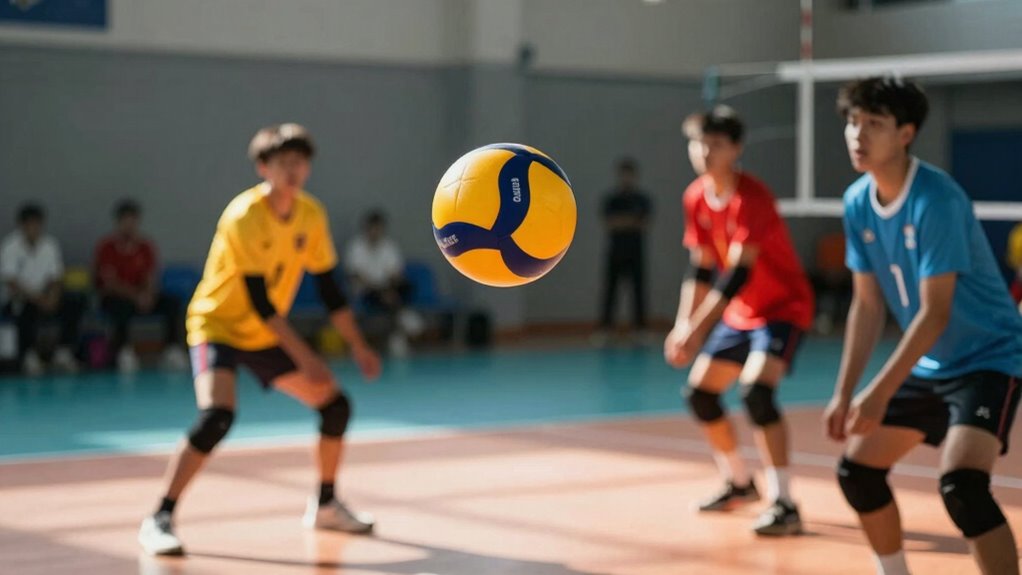
When it comes to capturing the intensity of volleyball matches, choosing the right lens can make all the difference. Many buyers overlook certain aspects that could elevate their photography game. You might think that any lens will do, but understanding the unique characteristics of your options can transform your shots from mediocre to stunning.
First off, let’s talk about wide angle advantages. A wide-angle lens allows you to capture more of the court in one frame. This is especially beneficial in volleyball, where players are constantly moving and the action can happen quickly. With a wide-angle lens, you can capture the entire scene, showcasing not just the players but also the energy of the crowd and the environment. You’ll find that these lenses are particularly useful for capturing the overall atmosphere, allowing you to tell a more complete story. However, you’ll need to be mindful of distortion, as wide angles can sometimes warp the edges of your images. So, while you’re getting those expansive shots, make sure you’re placing your subjects well within the frame to avoid unwanted distortions. Additionally, understanding how lens distortion affects your photos can help you choose the right equipment and shooting angles. Knowing how to manage lens distortion can significantly improve the quality of your wide-angle shots.
On the flip side, consider the telephoto benefits. A telephoto lens brings you closer to the action without physically moving. This is essential in volleyball, where every spike, serve, and block counts. You can isolate players and capture their expressions, making your images more impactful. The compression effect of a telephoto lens also makes it easier to create a pleasing background blur, helping your subjects stand out. However, it’s important to note that telephoto lenses can be heavier and may require a steadier hand or a tripod to avoid blurry shots.
Many buyers miss the balance between these two types of lenses. Each has distinct advantages that can complement one another. Ideally, you’d want a versatile setup that allows you to switch between wide and telephoto lenses based on your creative vision and the specific moment unfolding on the court. Additionally, understanding the lens characteristics and how they influence your photographs can help you make more informed choices and avoid common pitfalls.
Don’t underestimate the importance of understanding your lens choices. Knowing when to use a wide-angle for context and when to grab a telephoto for details can make your volleyball photography more dynamic and engaging. Keep these insights in mind, and you’ll notice a significant improvement in how you capture the thrilling world of volleyball.
best volleyball photography lens
As an affiliate, we earn on qualifying purchases.
As an affiliate, we earn on qualifying purchases.
Frequently Asked Questions
What Focal Length Is Ideal for Capturing Volleyball Action?
For capturing volleyball action, a focal length between 70mm and 200mm is ideal. This range allows you to zoom in on the players without being too close to the action, giving you a great perspective on those dynamic moments. You’ll want to guarantee you can capture sharp action shots, especially during spikes and blocks. A fast lens with a wide aperture helps freeze the motion and bring out details in your images.
How Important Is Lens Stabilization for Indoor Volleyball?
Lens stabilization is essential for indoor volleyball photography. Since you’re often shooting in low light, a faster shutter speed is necessary to freeze the action. If your lens has stabilization, it helps reduce camera shake, ensuring better image clarity. This is especially important when you’re capturing quick movements on the court. Without stabilization, you might end up with blurry shots, missing out on those perfect moments during the game.
Can I Use My Smartphone for Volleyball Photography?
Absolutely, you can use your smartphone for volleyball photography! In fact, about 85% of people capture photos with their phones. However, be mindful of smartphone limitations, especially in low light. While you can get decent shots, the speed and quality might not match a dedicated camera. Don’t forget mobile editing apps can enhance your images, but they can’t replace the clarity and detail a proper lens provides. Experiment and have fun!
What Accessories Enhance Lens Performance for Volleyball Games?
To enhance lens performance for volleyball games, consider using polarizing filters to reduce glare and improve colors. A lens hood helps prevent lens flare, ensuring clearer shots. If you need more reach, explore teleconverter options for added zoom. Protect your gear with a sturdy lens case, and keep your optics clean with a cleaning kit. Finally, a tripod provides stability, essential for capturing sharp action shots during fast-paced plays.
How Does Lighting Affect Lens Choice for Volleyball Photography?
Lighting conditions greatly affect your lens choice for volleyball photography. In low light, you’ll want a lens with a wider aperture, like f/2.8 or lower, to let in more light and capture sharp images. For bright settings, you can use a narrower aperture, which helps maintain detail and keeps the background crisp. Always consider the environment; it’ll guide your choice and guarantee you get the best possible shots during the game.
telephoto lens for sports photography
As an affiliate, we earn on qualifying purchases.
As an affiliate, we earn on qualifying purchases.
Conclusion
When choosing lenses for volleyball photography, don’t just focus on zoom or aperture. Consider factors like weight, stabilization, and autofocus speed—these can make or break your shots. Just like a well-timed spike can turn the game around, the right lens can elevate your photography. So, don’t settle for the obvious; dive deeper into the specs and features. With the right gear in hand, you’ll capture those breathtaking moments on the court like a pro.
wide-angle lens for action shots
As an affiliate, we earn on qualifying purchases.
As an affiliate, we earn on qualifying purchases.
camera lens for volleyball matches
As an affiliate, we earn on qualifying purchases.
As an affiliate, we earn on qualifying purchases.
Fall Picks
fall essentials
As an affiliate, we earn on qualifying purchases.