
For most sports photographers, I’d start with the Canon EOS R7: its fast subject tracking, burst shooting and in-body stabilization make it the strongest action-focused choice here. The Sony a6700 is a close alternative for buyers who value reliable autofocus and a capable hybrid camera, while the Canon R10 offers a more affordable route to fast mirrorless shooting. The main tradeoffs are autofocus and burst performance versus price, lens reach, and the size of the camera-and-lens kit you’ll carry. Bundles with telephoto lenses can help you start shooting from the sidelines, but a body’s speed and tracking still matter when action changes direction. Read on for the full breakdown and to find the right fit for your sport and budget.

Get sports gear delivered free with Prime
- Fast, free delivery on millions of items
- Prime Video, Amazon Music and more included
- Member-only deals all year
Complete the kit



Key Takeaways
- The Canon R7 is the most sports-focused body in this lineup, pairing fast action performance with stabilization that can help when panning or shooting in dim venues.
- The Sony a6700 is the strongest all-round alternative: it brings capable autofocus and video features, though buyers should compare its lens package and ergonomics with the R7.
- The Canon R10 offers the clearest performance-for-value balance for action shooters who can accept fewer high-end features than the R7.
- Lens reach changes the usefulness of a bundle: the R10 package with an 18-150mm and 75-300mm gives more distance coverage than the R50 kit’s short standard zoom.
- Creator-oriented ZV models and entry-level bodies are compromises for sports; they may suit casual clips or learning, but dedicated viewfinder handling and action-focused controls matter for tracking fast play.
| Sony Alpha a6700 APS-C Mirrorless Camera Body 26MP 4K Black |  | Best Overall for Action Tracking | Sensor: 26.0MP APS-C Exmor R CMOS | Processor: BIONZ XR | Autofocus: Dedicated AI real-time subject tracking | VIEW LATEST PRICE | See Our Full Breakdown |
| Canon EOS Rebel T7 DSLR Camera with EF-S 18-55mm and EF 75-300mm Lenses |  | Best Beginner Two-Lens Kit | Sensor: 24.1MP CMOS APS-C | Included lenses: EF-S 18-55mm and EF 75-300mm | Autofocus: 9-point AF system; Eye Detection AF | VIEW LATEST PRICE | See Our Full Breakdown |
| Sony ZV-E10 APS-C Mirrorless Camera Body Black |  | Best for Sports Creators on a Lightweight Setup | Sensor: 24.2MP APS-C CMOS | Continuous shooting: Up to 11 fps | Maximum shutter speed: 1/4000 second | VIEW LATEST PRICE | See Our Full Breakdown |
| Canon EOS R100 Mirrorless Camera with 18-45mm & 75-300mm Double Lens Bundle |  | Best Entry Mirrorless Kit with Telephoto Reach | Sensor: 24.2MP APS-C CMOS | Included lenses: RF-S 18-45mm f/4.5-6.3 IS STM and RF 75-300mm f/4-5.6 | Autofocus: Dual Pixel AF and Eye Detection AF | VIEW LATEST PRICE | See Our Full Breakdown |
| Sony ZV-E10 II APS-C Mirrorless Creator Camera Body Black |  | Best Hybrid Pick for Sports Video | Sensor: 26MP APS-C Exmor R CMOS | Lens mount: Sony E-mount | Autofocus: Real-time Eye AF and tracking | VIEW LATEST PRICE | See Our Full Breakdown |
| Canon EOS R10 Body Mirrorless Camera (Renewed) |  | Best for Fast Action on a Lightweight Body | Sensor: 24.2MP APS-C CMOS | Autofocus: Dual Pixel CMOS AF II | Continuous shooting: Up to 23 fps (as listed) | VIEW LATEST PRICE | See Our Full Breakdown |
| Sony Alpha 6700 APS-C Interchangeable-Lens Camera (Renewed) |  | Best for Advanced Subject Tracking | Sensor: 26MP APS-C back-illuminated CMOS | Processor: BIONZ XR | Lens mount: Sony E | VIEW LATEST PRICE | See Our Full Breakdown |
| Canon EOS R50 Mirrorless Camera RF-S18-45mm F4.5-6.3 IS STM Lens Kit | 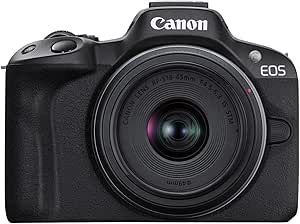 | Best for Beginners Starting with a Kit | Sensor: 24.2MP APS-C CMOS | Processor: DIGIC X | Autofocus: Dual Pixel CMOS AF II with 651 zones | VIEW LATEST PRICE | See Our Full Breakdown |
| Sony Alpha a6400 Mirrorless Camera with 16–50mm Lens | 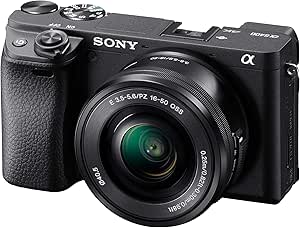 | Best Compact Sony Starter Kit | Sensor: 20.1MP APS-C CMOS | Lens: 16–50mm | Lens mount: Sony E | VIEW LATEST PRICE | See Our Full Breakdown |
| Sony Alpha a6700 APS-C Mirrorless Camera Bundle with 18-135mm Lens |  | Best All-in-One Reach Bundle | Sensor: 26MP Exmor R APS-C back-illuminated CMOS | Lens: Sony E 18–135mm f/3.5–5.6 OSS | Equivalent focal length: 27–202.5mm | VIEW LATEST PRICE | See Our Full Breakdown |
| Canon EOS R10 Mirrorless Camera with 18-150mm & 75-300mm Lenses Bundle |  | Best Sports Starter Kit | Sensor: 24.2MP APS-C CMOS | Autofocus: Dual Pixel CMOS AF II with subject detection | Included lenses: RF-S 18-150mm and RF 75-300mm | VIEW LATEST PRICE | See Our Full Breakdown |
| Canon EOS R7 Mirrorless Camera Body |  | Best for Fast Action | Mount: Canon RF | Sensor: 32.5MP APS-C CMOS | Processor: DIGIC X | VIEW LATEST PRICE | See Our Full Breakdown |
| Sony Alpha 6700 APS-C Mirrorless Camera |  | Best for Hybrid Sports Coverage | Sensor: 26MP APS-C Exmor R back-illuminated CMOS | Processor: BIONZ XR | Lens mount: Sony E | VIEW LATEST PRICE | See Our Full Breakdown |
| APS-C cameras for sports photography | Sensor | Video | Autofocus | Continuous shooting |
|---|---|---|---|---|
| Sony Alpha a6700 APS-C Mirrorl | 26.0MP APS-C Exmor R CMOS | — | Dedicated AI real-time subject tracking | — |
| Canon EOS Rebel T7 DSLR Camera | 24.1MP CMOS APS-C | Full HD 1080p | 9-point AF system; Eye Detection AF | — |
| Sony ZV-E10 APS-C Mirrorless C | 24.2MP APS-C CMOS | 4K recording; XAVC format | — | Up to 11 fps |
| Canon EOS R100 Mirrorless Came | 24.2MP APS-C CMOS | 4K | Dual Pixel AF and Eye Detection AF | — |
| Sony ZV-E10 II APS-C Mirrorles | 26MP APS-C Exmor R CMOS | — | Real-time Eye AF and tracking | Up to 11 fps with AF/AE |
| Canon EOS R10 Body Mirrorless | 24.2MP APS-C CMOS | 2160p | Dual Pixel CMOS AF II | Up to 23 fps (as listed) |
| Sony Alpha 6700 APS-C Intercha | 26MP APS-C back-illuminated CMOS | 4K up to 120p; 10-bit 4:2:2 | — | 11 fps |
| Canon EOS R50 Mirrorless Camer | 24.2MP APS-C CMOS | 6K-oversampled 4K at 30 fps; Full HD at 120 fps | Dual Pixel CMOS AF II with 651 zones | Up to 12 fps electronic first curtain; up to 15 fps electronic shutter |
| Sony Alpha a6400 Mirrorless Ca | 20.1MP APS-C CMOS | 4K UHD (3840 × 2160) | Phase and contrast detection; 425 phase-detection points | Up to 11 fps |
| Sony Alpha a6700 APS-C Mirrorl | 26MP Exmor R APS-C back-illuminated CMOS | UHD 4K up to 120p; 10-bit 4:2:2 | — | 11 fps |
| Canon EOS R10 Mirrorless Camer | 24.2MP APS-C CMOS | 4K UHD up to 60p; Full HD up to 120p | Dual Pixel CMOS AF II with subject detection | — |
| Canon EOS R7 Mirrorless Camera | 32.5MP APS-C CMOS | 4K up to 60p | Dual Pixel CMOS AF II, up to 651 zones | Up to 15 fps mechanical; up to 30 fps electronic |
| Sony Alpha 6700 APS-C Mirrorle | 26MP APS-C Exmor R back-illuminated CMOS | 4K up to 120p; 6K-oversampled 4K/60p, 4:2:2 10-bit | 759 autofocus points with AI-powered subject recognition and tracking | Up to 11 fps |
More Details on Our Top Picks
Sony Alpha a6700 APS-C Mirrorless Camera Body 26MP 4K Black
The Sony Alpha a6700 is my strongest pick here for sports photographers who prioritize keeping moving subjects in focus. Its AI-powered real-time subject tracking gives it a clear action advantage over the Rebel T7’s 9-point AF system and makes it better suited to unpredictable movement. The 26MP sensor also leaves room for cropping, useful when a player is far across the field. For hybrid shooters, 4K/120p recording adds slow-motion options that the other listed cameras do not match. The tradeoffs are practical: this is a body-only purchase, so a suitable telephoto lens is an extra decision, and its extensive features may feel like more camera than a casual beginner needs. I’d choose it over the ZV-E10 II when still-photo action tracking matters more than creator-focused handling.
Pros:- AI subject tracking is well suited to following athletes in motion.
- 26MP APS-C sensor provides useful detail and cropping flexibility.
- 4K/120p recording supports slow-motion sports footage.
- 6K-oversampled 4K/60p 4:2:2 10-bit recording offers strong video options.
Cons:- Body-only package requires a separate lens purchase.
- Feature-rich controls may take time for beginners to learn.
- Its advanced capabilities may be unnecessary for casual sports photography.
Best for: Sports photographers who need dependable subject tracking, crop flexibility, and high-frame-rate video, and who are prepared to choose an E-mount telephoto lens.
Not ideal for: First-time buyers seeking a simple, ready-to-shoot kit, or casual users who do not need advanced tracking and video features.
- Sensor:26.0MP APS-C Exmor R CMOS
- Processor:BIONZ XR
- Autofocus:Dedicated AI real-time subject tracking
- Video recording:4K/60p, 6K-oversampled 4:2:2 10-bit
- High-frame-rate video:4K/120p
- Lens included:No
- Color:Black
Our verdict“Choose the a6700 if tracking fast action is your priority and you are ready to pair the body with a suitable telephoto lens.”
Canon EOS Rebel T7 DSLR Camera with EF-S 18-55mm and EF 75-300mm Lenses
The Canon EOS Rebel T7 earns its place as an entry-level sports kit because it includes both a general-purpose zoom and a 75-300mm telephoto, so a beginner can reach distant action without assembling a lens kit separately. Its 24.1MP sensor offers ample resolution for family games and school events, while Wi-Fi and NFC simplify sharing. The compromise is autofocus: the 9-point system is much less suited to tracking erratic movement than the Sony a6700’s AI tracking, so focus may be harder to maintain as athletes move across the frame. It also records only Full HD 1080p, unlike the 4K-capable a6700 and ZV-E10 II. I’d pick this over the R100 bundle for a straightforward DSLR setup, but not for demanding action coverage.
Pros:- Includes both an 18-55mm lens and a 75-300mm telephoto lens.
- 24.1MP APS-C sensor provides detailed still images.
- Beginner-friendly DSLR format and controls.
- Built-in Wi-Fi and NFC support sharing and remote control.
Cons:- 9-point autofocus is limited for following fast-moving athletes.
- Video recording tops out at Full HD 1080p.
- Optical viewfinder shows approximately 95% of the captured frame.
Best for: New sports photographers covering children’s games or school events who want a simple DSLR with a telephoto lens included.
Not ideal for: Photographers who regularly track fast, unpredictable action or need 4K video and more advanced autofocus.
- Sensor:24.1MP CMOS APS-C
- Included lenses:EF-S 18-55mm and EF 75-300mm
- Autofocus:9-point AF system; Eye Detection AF
- Video:Full HD 1080p
- Connectivity:Wi-Fi and NFC
- Viewfinder coverage:Approximately 95%
- Working temperature range:32–104°F / 0–40°C
Our verdict“Choose the Rebel T7 for an affordable-feeling, beginner-oriented DSLR kit with a telephoto lens, not for demanding action tracking.”
Sony ZV-E10 APS-C Mirrorless Camera Body Black
The Sony ZV-E10 makes the most sense when sports clips and social content matter alongside stills. It combines a 24.2MP APS-C sensor with 11 fps continuous shooting and advanced autofocus, giving it a more action-friendly burst rate than the Rebel T7. Its flip-out LCD and USB live-streaming support also suit creators who film from the sidelines or make their own commentary. For dedicated sports photography, though, it sits below the a6700: the a6700 adds AI subject tracking and 4K/120p capture, while the ZV-E10 has only digital image stabilization and no viewfinder listed. This body-only model also needs a lens. I’d favor it over the ZV-E10 II only when the simpler original model’s creator tools and stated shooting needs are enough.
Pros:- 11 fps continuous shooting supports short action bursts.
- Advanced autofocus and a 24.2MP APS-C sensor suit mixed stills and video.
- Flip-out LCD helps with sideline self-recording and varied angles.
- USB live-streaming and interchangeable E-mount lenses add creator flexibility.
Cons:- Digital image stabilization is less suited to correcting camera movement than optical stabilization.
- No viewfinder is listed, which can make bright-field framing less convenient.
- Body-only package requires a separate lens for sports reach.
Best for: Sports creators who shoot occasional action stills, record 4K clips, and value a flip-out screen and USB live-streaming.
Not ideal for: Photographers who primarily need a viewfinder for bright outdoor games, advanced action tracking, or a ready-to-use telephoto kit.
- Sensor:24.2MP APS-C CMOS
- Continuous shooting:Up to 11 fps
- Maximum shutter speed:1/4000 second
- Video:4K recording; XAVC format
- Screen:3-inch flip-out LCD
- Image stabilization:Digital
- Lens mount:Sony E-mount
- Connectivity:Bluetooth, USB, and Wi-Fi
Our verdict“Choose the ZV-E10 if sports content creation is as important as action stills and you can work without a viewfinder.”
Canon EOS R100 Mirrorless Camera with 18-45mm & 75-300mm Double Lens Bundle
The Canon EOS R100 bundle gives a new mirrorless buyer two useful focal-length ranges straight away: the 18-45mm for nearby scenes and the 75-300mm telephoto for action farther down the field. Its 24.2MP APS-C sensor and Dual Pixel autofocus make it a more current mirrorless starting point than the Rebel T7, while the compact body is easier to carry between events. The key limitation is the included lenses’ restricted aperture range, which can make indoor games or evening matches difficult when light is low. It also does not offer the a6700’s stated AI tracking or 4K/120p video. I’d choose this bundle over the body-only a6700 for a buyer who needs lenses included; serious action shooters should prioritize stronger tracking and faster low-light glass.
Pros:- Bundle includes both an 18-45mm zoom and a 75-300mm telephoto.
- 24.2MP APS-C sensor delivers detailed stills.
- Dual Pixel autofocus and Eye Detection AF support subject focusing.
- Compact, lightweight design is convenient to carry to events.
Cons:- Included lenses have limited maximum apertures for low-light sports.
- Does not match the a6700’s listed AI subject-tracking capabilities.
- The 75-300mm lens may be less useful for nearby action than the standard zoom.
Best for: Beginners who want a compact mirrorless camera and both a standard zoom and telephoto lens for outdoor games.
Not ideal for: Indoor or evening sports photographers who need bright lenses, or action specialists seeking the a6700’s advanced tracking and high-frame-rate video.
- Sensor:24.2MP APS-C CMOS
- Included lenses:RF-S 18-45mm f/4.5-6.3 IS STM and RF 75-300mm f/4-5.6
- Autofocus:Dual Pixel AF and Eye Detection AF
- Video:4K
- Battery:LP-E17 lithium-ion
- Charger:LC-E17
- Included accessories:Camera cover, neck strap, lens caps, dust caps, and battery cover
Our verdict“Choose the R100 bundle for a beginner-friendly mirrorless kit with telephoto reach, especially for outdoor games in good light.”
Sony ZV-E10 II APS-C Mirrorless Creator Camera Body Black
The Sony ZV-E10 II is the better creator-oriented choice than the original ZV-E10 when high-resolution sports video is part of the brief: it records 4K at 60 fps and Full HD at 120 fps, while its 26MP sensor gives stills room for cropping. Real-time Eye AF and tracking help keep people sharp, and the flip-out screen is handy for sideline pieces or vertical clips. For still-photo action, however, the listed 11 fps burst rate does not give it a clear advantage over the original ZV-E10, and the a6700 remains the stronger pick for a sports-first photographer because its dedicated AI tracking and 4K/120p recording target action more directly. This body-only listing also needs a lens, and no built-in stabilization is specified.
Pros:- 4K/60 fps and Full HD/120 fps give creators slow-motion options.
- 26MP APS-C sensor provides detailed still images and cropping room.
- Real-time Eye AF and tracking support people-focused shooting.
- Flip-out vari-angle LCD supports horizontal and vertical framing.
Cons:- Body-only listing requires a separate lens for sports reach.
- No built-in stabilization is specified in the product data.
- Creator-focused design is less specialized for still-photo sports than the a6700.
Best for: Hybrid shooters making sports clips, social video, and stills who want 4K/60p, slow-motion Full HD, and a flip-out display.
Not ideal for: Photographers focused mainly on still action who want a viewfinder, a supplied telephoto lens, or the a6700’s action-focused feature set.
- Sensor:26MP APS-C Exmor R CMOS
- Lens mount:Sony E-mount
- Autofocus:Real-time Eye AF and tracking
- Continuous shooting:Up to 11 fps with AF/AE
- Video recording:4K at 60 fps; Full HD at 120 fps
- Display:Flip-out vari-angle LCD
- Lens included:No
- Special features:Creative Looks, Cinematic Vlog settings, and touch operation
Our verdict“Choose the ZV-E10 II if sports video and creator-friendly framing matter as much as stills, but choose the a6700 for action-first photography.”
Canon EOS R10 Body Mirrorless Camera (Renewed)
The EOS R10 is a strong fit when quick bursts and responsive autofocus matter more than in-body stabilization. Its Dual Pixel CMOS AF II and listed burst rate of up to 23 fps can help track and capture short-lived moments, while the 24.2MP APS-C sensor leaves room to crop. Compared with the Sony a6400, this listing offers a higher stated maximum burst rate and a newer autofocus system, but it is a body-only purchase, so a suitable telephoto lens is a separate decision. The R50 kit includes a lens and is easier to start shooting with, though it is less compelling if maximum burst speed is your priority. This is a renewed body, and there is no in-body stabilization listed; fast-moving subjects still call for appropriate shutter speeds and lenses.
Pros:- Listed continuous shooting up to 23 fps suits brief action sequences.
- Dual Pixel CMOS AF II provides fast autofocus for tracking subjects.
- 24.2MP APS-C sensor allows useful cropping.
- At 16 ounces, the body is light to carry during long events.
Cons:- Body-only listing means a sports-suitable telephoto lens must be sourced separately.
- No in-body image stabilization is listed.
- Renewed condition may not suit buyers who want a new camera.
Best for: Action photographers who already own or plan to buy Canon RF lenses and want a light body with a high listed burst rate.
Not ideal for: Buyers who need a ready-to-shoot telephoto kit, in-body stabilization, or prefer not to buy a renewed camera body.
- Sensor:24.2MP APS-C CMOS
- Autofocus:Dual Pixel CMOS AF II
- Continuous shooting:Up to 23 fps (as listed)
- ISO range:100–32,000, expandable to 51,200
- Maximum shutter speed:1/4000 second
- Display:3-inch articulating LCD, 1,040k dots
- Video:2160p
- Weight:16 ounces
- Condition:Renewed
Our verdict“Choose the renewed EOS R10 if fast bursts and a lightweight Canon body matter more than included reach or in-body stabilization.”
Sony Alpha 6700 APS-C Interchangeable-Lens Camera (Renewed)
The renewed Sony a6700 is the pick here for photographers who value AI-assisted subject recognition and want one body that can handle both action stills and demanding video. Its 26MP back-illuminated sensor, BIONZ XR processor, and in-body stabilization make it a more feature-rich option than the a6400, particularly for mixed shooting. The tradeoff for sports is its 11 fps continuous shooting: the Canon EOS R10 lists a much faster burst rate, so it may be a better match for sequences where timing is tight. The a6700’s subject tracking and 1/8000-second maximum shutter speed still make it appealing for following varied subjects and controlling exposure in bright conditions. This listing is body-only, and its stated 2.7 lb weight is notably higher than the compact bodies in this group.
Pros:- AI-powered subject recognition and tracking support a range of moving subjects.
- In-body image stabilization can help with handheld shooting, especially between action sequences.
- 26MP back-illuminated APS-C sensor pairs with BIONZ XR processing.
- Records 4K up to 120p and 10-bit 4:2:2 video.
Cons:- 11 fps is slower than the listed burst rate of the Canon EOS R10.
- Body-only listing requires a separate lens purchase.
- The listed 2.7 lb weight makes it less appealing for buyers seeking a light carry.
Best for: Experienced Sony shooters who photograph varied subjects and want advanced recognition, stabilization, and strong video options in one body.
Not ideal for: Photographers prioritizing the highest burst rate or a lightweight setup, and buyers who want an included telephoto lens.
- Sensor:26MP APS-C back-illuminated CMOS
- Processor:BIONZ XR
- Lens mount:Sony E
- Continuous shooting:11 fps
- Maximum shutter speed:1/8000 second
- Image stabilization:In-body stabilization listed
- Video:4K up to 120p; 10-bit 4:2:2
- Display:3-inch articulating LCD
- Condition:Renewed
Our verdict“Pick this renewed a6700 if sophisticated subject recognition and video flexibility outweigh burst speed and a lightweight kit.”
Canon EOS R50 Mirrorless Camera RF-S18-45mm F4.5-6.3 IS STM Lens Kit
The EOS R50 is an approachable entry to sports photography because this package includes a lens and combines subject-tracking autofocus with a vari-angle touchscreen. Its 24.2MP sensor and DIGIC X processor provide a capable starting point, while the listed 12 fps electronic-first-curtain and 15 fps electronic-shutter rates give beginners options for capturing action. Compared with the body-only EOS R10, the R50 is easier to take straight to an event, but its kit lens is a short 18–45mm zoom rather than a dedicated sports telephoto. The R10 also lists a higher burst rate, making it the stronger choice for frequent fast action. The R50’s lack of in-body stabilization and stated battery-life concern matter on long days; buyers should plan for a longer lens and spare power as their needs grow.
Pros:- Kit includes an RF-S 18–45mm lens, making it ready to shoot out of the box.
- Dual Pixel CMOS AF II with 651 zones supports subject tracking.
- Listed electronic-shutter burst rate reaches 15 fps.
- Vari-angle touchscreen makes framing flexible from different positions.
Cons:- The included 18–45mm lens has limited reach for field and court sports.
- No in-body image stabilization is listed.
- Battery life may be limiting during extended event coverage.
Best for: New Canon users who want a ready-to-use camera kit for youth sports, casual events, and learning action photography.
Not ideal for: Regular sideline shooters who need long telephoto reach, the fastest possible burst rate, or in-body stabilization.
- Sensor:24.2MP APS-C CMOS
- Processor:DIGIC X
- Autofocus:Dual Pixel CMOS AF II with 651 zones
- Continuous shooting:Up to 12 fps electronic first curtain; up to 15 fps electronic shutter
- Video:6K-oversampled 4K at 30 fps; Full HD at 120 fps
- Viewfinder:2.36-million-dot EVF
- Display:Vari-angle touchscreen LCD
- Included lens:RF-S 18–45mm F4.5–6.3 IS STM
- Connectivity:Built-in Bluetooth and Wi-Fi
Our verdict“Choose the R50 kit as an accessible starting point, but budget for a longer lens if sports reach is a priority.”
Sony Alpha a6400 Mirrorless Camera with 16–50mm Lens
The a6400 kit suits buyers who want a lightweight Sony body and an included lens without moving to a more complex camera. It shoots up to 11 fps and uses 425 phase-detection points, giving it a credible basis for capturing everyday sports and school events. Its 10.3-ounce listed weight is notably lower than the Sony a6700 bundle, although the a6700 offers more advanced subject recognition, stabilization, and stronger video specifications. The included 16–50mm lens is convenient for general use but lacks the reach most field sports demand, so this kit is best for nearby action or as a starting point for a longer E-mount lens. The 20.1MP sensor is also lower resolution than the Canon R50 and R10 sensors, leaving less room to crop distant subjects.
Pros:- Includes a 16–50mm lens for immediate general-purpose shooting.
- Up to 11 fps continuous shooting can capture short action sequences.
- 425 phase-detection points support autofocus across the frame.
- Listed body weight is only 10.3 ounces.
Cons:- The 16–50mm kit lens has limited reach for most field sports.
- 20.1MP resolution offers less cropping room than the Canon R10 and R50.
- Its listed 1/4000-second maximum shutter speed is lower than the Sony a6700’s 1/8000 second.
Best for: Sony beginners who prioritize a light, straightforward kit for nearby sports, school events, and general photography.
Not ideal for: Photographers regularly shooting distant field action or needing advanced subject recognition, stabilization, or extra cropping latitude.
- Sensor:20.1MP APS-C CMOS
- Lens:16–50mm
- Lens mount:Sony E
- Continuous shooting:Up to 11 fps
- Autofocus:Phase and contrast detection; 425 phase-detection points
- Video:4K UHD (3840 × 2160)
- Display:3-inch tilting touchscreen LCD
- Connectivity:Wi-Fi, USB, and Micro-HDMI
- Weight:10.3 ounces
Our verdict“Choose the a6400 kit for a lightweight, accessible Sony setup, but look to a longer lens for distant action.”
Sony Alpha a6700 APS-C Mirrorless Camera Bundle with 18-135mm Lens
This bundle earns its place by pairing the a6700’s AI-assisted subject recognition with an 18–135mm zoom, giving sports shooters more useful reach than the a6400’s 16–50mm kit lens. The equivalent 27–202.5mm range can cover nearby play and some field-side action without changing lenses, while optical stabilization in the lens helps steady framing. The camera records 4K up to 120p and 10-bit 4:2:2, a stronger video toolkit than the Canon EOS R50 offers. For stills, however, the listed 11 fps burst rate trails the EOS R10’s stated 23 fps, and the variable f/3.5–5.6 aperture means less light reaches the sensor as the lens zooms in. The bundle adds useful accessories, but conflicting listing text—including an unrelated product description—warrants checking the exact package contents before ordering.
Pros:- 18–135mm zoom offers substantially more reach than the a6400 kit’s 16–50mm lens.
- AI-assisted recognition can track people, animals, vehicles, and aircraft.
- Records 4K up to 120p with 10-bit 4:2:2.
- Bundle includes an extra battery, charger, bag, and other accessories.
Cons:- 11 fps continuous shooting is slower than the EOS R10’s listed maximum.
- The lens’s variable f/3.5–5.6 aperture is limiting in dim sports venues.
- Conflicting listing text makes the exact package details worth verifying.
Best for: Sony shooters who want a versatile zoom range, subject tracking, and video features in one event-ready package.
Not ideal for: Photographers who need the fastest burst rate or a bright telephoto lens for dim gyms and evening games.
- Sensor:26MP Exmor R APS-C back-illuminated CMOS
- Lens:Sony E 18–135mm f/3.5–5.6 OSS
- Equivalent focal length:27–202.5mm
- Autofocus points:425
- Continuous shooting:11 fps
- Video:UHD 4K up to 120p; 10-bit 4:2:2
- Stabilization:Optical SteadyShot in lens; digital stabilization listed
- Display:3-inch articulating LCD touchscreen
- Included accessories:Extra battery, charger base, shoulder bag, card reader, lens hood, strap, and caps
Our verdict“Pick this bundle for one-lens versatility and advanced tracking, but choose a faster lens or the EOS R10 if low-light action and burst speed lead your priorities.”
Canon EOS R10 Mirrorless Camera with 18-150mm & 75-300mm Lenses Bundle
I’d choose this bundle for a new sports photographer who wants a camera and two useful focal ranges in one package. The EOS R10’s 24.2MP sensor and Dual Pixel CMOS AF II with subject detection give it a strong foundation for tracking action, while the included 75-300mm lens reaches distant players without an immediate lens purchase. The 18-150mm is the more flexible everyday option for warm-ups, team scenes, and closer action. Compared with the EOS R7, the R10 is less capable for high-speed bursts and lacks the R7’s in-body stabilization, but this bundle supplies lenses the body-only R7 does not. The telephoto lens’s f/4-5.6 aperture can be limiting at night or in dim gyms, so I’d favor daylight fields and well-lit venues.
Pros:- Dual Pixel CMOS AF II with subject detection supports tracking moving players.
- Two included lenses cover general shooting and distant field action.
- 24.2MP APS-C sensor provides room to crop sports images.
- 4K UHD recording supports detailed video alongside still photography.
Cons:- The 75-300mm lens’s f/4-5.6 aperture can make low-light action difficult.
- No in-body image stabilization is listed, unlike on the EOS R7.
- The bundle is less specialized for fast action than a body with the R7’s higher burst rate.
Best for: First-time sports shooters who want a ready-to-use Canon kit for daylight field sports, with both general-purpose and long-reach lenses included.
Not ideal for: Photographers covering indoor games or night matches who need a brighter telephoto lens, or action specialists who prioritize the EOS R7’s faster burst shooting and in-body stabilization.
- Sensor:24.2MP APS-C CMOS
- Autofocus:Dual Pixel CMOS AF II with subject detection
- Included lenses:RF-S 18-150mm and RF 75-300mm
- Video:4K UHD up to 60p; Full HD up to 120p
- Memory card:64GB
- Included extra:Shoulder bag
Our verdict“I’d pick this bundle for a beginner covering outdoor sports who wants two lenses included, but choose the EOS R7 for faster bursts and in-body stabilization.”
Canon EOS R7 Mirrorless Camera Body
For sports-first still photography, I rank the EOS R7 ahead of the R10 because its up to 30 fps electronic shooting and 15 fps mechanical shooting give me more chances to catch a decisive moment. Its 32.5MP sensor also leaves more room to crop when a player is far from the sideline, and 5-axis in-body stabilization helps steady handheld framing. Subject detection covers people, animals, and vehicles, making the autofocus useful beyond team sports. Compared with the Sony Alpha 6700, the R7 offers a faster stated burst rate, while the Sony emphasizes AI subject recognition and advanced video options. The main catch is that this is a body-only package: I need to budget for a compatible lens, and the APS-C sensor is not a substitute for full-frame performance in very dim venues.
Pros:- Up to 30 fps electronic and 15 fps mechanical continuous shooting.
- 32.5MP APS-C sensor gives extra cropping flexibility for distant action.
- Subject tracking includes people, animals, and vehicles.
- 5-axis in-body stabilization helps steady handheld shots.
Cons:- Body-only package requires a separate lens purchase.
- APS-C sensor can be less suited to very dim venues than a full-frame sensor.
- The fastest electronic burst mode may not suit every subject or shooting situation.
Best for: Sports photographers who prioritize burst coverage, cropping flexibility, and stabilization, and who already own or plan to buy Canon RF lenses.
Not ideal for: New buyers seeking a complete kit out of the box, or photographers who regularly shoot in very low light and want a full-frame sensor.
- Mount:Canon RF
- Sensor:32.5MP APS-C CMOS
- Processor:DIGIC X
- Autofocus:Dual Pixel CMOS AF II, up to 651 zones
- Continuous shooting:Up to 15 fps mechanical; up to 30 fps electronic
- Image stabilization:5-axis in-body sensor-shift
- Video:4K up to 60p
- Weight:1.1 lb
Our verdict“I’d choose the EOS R7 for demanding action coverage and cropping headroom if I’m prepared to select and buy a lens separately.”
Sony Alpha 6700 APS-C Mirrorless Camera
I’d put the Sony Alpha 6700 on the shortlist for shooters who split their time between action stills and polished video. Its AI-powered subject recognition and tracking are designed to keep subjects identified as they move, while the 26MP back-illuminated sensor offers useful resolution for cropping. The camera’s standout distinction from the Canon EOS R7 is its video range: it records 4K up to 120p and 10-bit 4:2:2, giving hybrid creators more room for slow-motion footage and color work. For stills, however, its 11 fps continuous shooting trails the R7’s listed 15 fps mechanical and 30 fps electronic rates. I’d also factor in the cost and choice of an E-mount telephoto lens, since the supplied product data describes a camera body rather than a lens kit.
Pros:- AI-powered subject recognition and tracking supports moving-subject autofocus.
- 4K recording up to 120p enables slow-motion sports footage.
- 10-bit 4:2:2 recording offers greater flexibility for video color work.
- Sony E-mount provides access to a broad lens system.
Cons:- 11 fps continuous shooting is slower than the EOS R7’s listed burst rates.
- No lens is listed with this camera, so sports reach requires a separate lens.
- The listed telephoto aperture range depends on the lens used.
Best for: Hybrid photographers and videographers covering sports who want subject recognition, detailed slow-motion video, and access to Sony E-mount lenses.
Not ideal for: Still-photo specialists who want the highest listed burst rate in this group, or buyers expecting a telephoto lens to be included.
- Sensor:26MP APS-C Exmor R back-illuminated CMOS
- Processor:BIONZ XR
- Lens mount:Sony E
- Autofocus:759 autofocus points with AI-powered subject recognition and tracking
- Continuous shooting:Up to 11 fps
- Video:4K up to 120p; 6K-oversampled 4K/60p, 4:2:2 10-bit
- Image stabilization:Sensor-shift
- Weight:1.2 lb
Our verdict“I’d choose the Alpha 6700 for sports shooters who give video nearly as much weight as stills, but favor the EOS R7 for a higher burst rate.”

How We Picked
I ranked these cameras for the demands of sports photography: keeping a moving subject in focus, capturing a useful run of frames, and handling quickly changing action. Autofocus tracking and burst-shooting capability carried the most weight, followed by viewfinder experience, stabilization, controls, and the ability to work with telephoto lenses. I also considered whether each listed kit includes practical reach or leaves the buyer needing another lens.
The ranking favors bodies with stronger action-focused performance and usable lens-system flexibility over models that are primarily aimed at casual photography or content creation. Within close comparisons, I gave weight to overall handling and versatility, then separated body-only options from bundles where the included lenses change what a buyer can shoot immediately. A bundle does not automatically outrank a stronger body: long reach is valuable, but it cannot make up for weaker subject tracking or a slower shooting experience. Renewed listings and creator-oriented models are assessed by fit and tradeoffs, not by assuming every buyer wants the same feature set.
Factors to Consider When Choosing Best APS-C Cameras For Sports Photography
Sports camera decisions are shaped as much by the sport, shooting position, and lens as by the camera body. I’d start with the conditions you actually face, then decide which performance gains are worth carrying or paying for.
Choose autofocus for the sport, not just the spec sheet
Continuous autofocus is most useful when a player moves toward you, crosses the frame, or changes direction without warning. A high burst rate has limited value if focus slips during the sequence, so look for subject recognition and tracking behavior as well as frames per second. Team sports often involve several players crossing paths, while motorsports and birds-in-flight benefit from holding focus on one moving subject. Before buying, check whether tracking can be assigned to a convenient button and whether the camera offers a viewfinder that makes sustained action tracking comfortable. Avoid choosing solely by a headline burst figure; blackout, buffer depth, and autofocus consistency affect how many frames are usable. For occasional sidelines, an entry-level body may be enough, but frequent action rewards a more capable tracking system.
Budget for the lens and the distance you shoot from
A camera body cannot compensate for a lens that is too short for the field, rink, or track. A telephoto zoom is often the first meaningful sports upgrade, but a long lens may be heavy and less useful indoors or in poor light. Think about where you are allowed to stand before paying for extreme reach; a shorter zoom can be a better match for courtside positions. Bundles deserve close inspection because included lenses vary widely in reach and may not have the maximum aperture needed for evening games. Keep part of the budget for a brighter lens, spare batteries, and memory cards rather than spending everything on a body. The best kit is the one that gets your subject close enough without making the camera uncomfortable to carry.
Balance crop factor, shutter speed, and available light
APS-C framing makes a lens appear tighter than it would on full frame, which can help fill the frame from a distant position. That framing advantage does not make a lens brighter or freeze motion by itself. Fast shutter speeds are often needed to stop a ball, sprint, or sudden gesture, and indoor venues may demand a wider-aperture lens or higher ISO. Stabilization can reduce camera shake, but it will not freeze a moving athlete; prioritize shutter speed for action. A common mistake is buying a long, slow zoom and expecting stabilization to solve blur in a dim gym. Match the lens and body to the lighting as well as the distance.
Check viewfinder handling and controls before committing
Following action through an electronic or optical viewfinder is usually easier than composing on the rear screen, especially in bright sunlight or when panning. A comfortable grip, accessible focus controls, and a customizable burst or tracking button can make more difference during a long game than extra menu features. Smaller creator cameras may be convenient for video and travel, yet their handling can feel less direct when a telephoto lens is attached. If possible, assess the body with a lens similar in size to the one you plan to use. Also check whether the camera’s card and battery setup suits long events. A camera that feels balanced and gives quick access to focus settings is more likely to keep up with your shooting habits.
Treat burst rate and buffer as a pair
A fast burst can capture a peak moment, but a limited buffer may stop a sequence just as the play develops. Check how long a camera can sustain bursts with the file type and card you intend to use, rather than comparing only the maximum advertised rate. RAW files preserve more editing latitude but fill buffers and cards faster than JPEGs. For a whole game, a second card, spare battery, and a plan for culling are practical parts of the setup. If you photograph brief, predictable moments, a short burst may be all you need. For continuous play, sustained shooting and quick recovery deserve more weight.
Decide whether renewed or bundle listings fit your risk tolerance
Body-only listings give you freedom to choose a lens, while bundles can simplify getting started when their lenses suit your sport. Compare the exact lens names and included accessories; two packages built around the same camera can serve very different distances. With a renewed camera, check the seller’s condition details, return terms, and warranty coverage before deciding. A lower-cost body can be a sensible way to enter a lens system, but repairs or missing accessories may reduce the appeal. Avoid assuming that every kit lens is ready for night games or distant action. Choose the package based on the complete shooting setup, not the number of items in the box.
Frequently Asked Questions
Is the Canon EOS R7 a better sports camera than the Sony a6700?
The R7 is the more sports-oriented pick in this lineup, especially for buyers who value stabilization and action-focused handling. The a6700 remains a strong alternative, with capable autofocus and a broad hybrid use case for stills and video. The better choice depends on the lenses you can access and the sports you shoot, since system fit can matter more than a small body-level advantage. Compare the available telephoto options and how each camera feels with them attached. If you already own compatible lenses, staying in that system may be the more practical decision.
Can I photograph indoor basketball or volleyball with a kit lens?
You can, but a typical kit zoom may limit your results in a dim gym because it gathers less light than a brighter lens. To freeze quick movement, the camera may need a fast shutter speed, which can force a higher ISO and produce noisier images. A kit lens is a reasonable way to learn framing and practice from closer positions, but it may not deliver consistent action photos under challenging lighting. Check how close you can sit or stand and whether the lens reaches the action without cropping heavily. If indoor sports are a regular goal, prioritize a brighter telephoto lens before upgrading bodies.
Should I choose a camera bundle with a 75-300mm lens or buy a body only?
A bundle with a 75-300mm lens can provide useful reach for outdoor fields and distant play straight away. A body-only purchase makes more sense if you already own compatible lenses or want to choose a lens better suited to indoor light. Check the bundle’s full lens range and aperture rather than treating the longest focal length as the only deciding factor. A long zoom can still be difficult to use in dim conditions, and it adds size to the kit. Compare the total setup you need, including a suitable memory card and spare battery, before choosing.
Are the Sony ZV-E10 and ZV-E10 II suitable for sports photography?
They can handle casual action photography, but their creator-oriented design makes them less natural choices for sports than the R7, R10, or a6700. The tradeoff is more about shooting workflow and action handling than whether they can record a moving subject at all. If video is a major priority and sports are occasional, a ZV model may suit a mixed-use kit. For regular games, a dedicated viewfinder and controls that make tracking and bursts easy are valuable. Compare the total cost of adding a telephoto lens before treating a compact creator body as the inexpensive sports option.
Is a renewed Canon EOS R10 or Sony a6700 a safe choice for a first sports camera?
A renewed body can be a sensible way to get into a camera system, but the condition, warranty, and return policy vary by listing. For a first sports setup, the R10 is appealing if you want a more accessible entry to action-focused mirrorless shooting, while the a6700 offers a different balance of autofocus and hybrid features. Neither choice removes the need to budget for an appropriate telephoto lens. Check the listing for battery, charger, and accessory details, then confirm that the seller’s terms let you respond to problems. If uncertainty about condition outweighs the savings for you, choose a clearly described new kit instead.
Conclusion
For the strongest dedicated sports choice, I recommend the Canon EOS R7 as best overall, while the Sony a6700 is the best premium all-round alternative for buyers who also want a capable hybrid camera. The Canon EOS R10 is my best value pick for photographers who want fast mirrorless action performance without stepping up to the R7. For beginners, I’d choose the Canon R50 kit if ease of use and a simple starting setup matter more than advanced sports controls, or the R10 if action is the clear priority. For buyers who need out-of-the-box telephoto reach, the R10 bundle with 18-150mm and 75-300mm lenses is the most practical package in this group. Choose the body around your shooting style, then give the lens and lighting conditions equal weight.