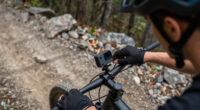
For photo and video creators, choosing the right hybrid camera means balancing image quality, video capabilities, and ease of use. The Sony Alpha 7 IV stands out as the best overall thanks to its versatile full-frame sensor and robust video features. The Canon EOS R50 offers a compact, beginner-friendly option, while the DJI Osmo Pocket 3 excels for on-the-go vlogging with its stabilized 4K footage. These choices highlight the main tradeoffs: larger sensors versus portability, advanced features versus affordability. Continue reading to see why these and other models make the cut in the 2026 lineup.
Key Takeaways
- Top hybrid models balance high-quality stills and 4K video with user-friendly interfaces.
- Full-frame sensors generally deliver better low-light performance but tend to be bulkier and more expensive.
- Compact options like the DJI Osmo Pocket 3 are excellent for vlogging but lack interchangeable lenses.
- Pricing varies widely; the best value often balances features and cost without sacrificing essential capabilities.
- Stabilization and autofocus are key features that significantly impact video quality, especially for handheld shooting.
| Sony Alpha 7 IV Full-Frame Mirrorless Camera with 28-70mm Zoom Lens Kit |  | Best Overall Hybrid for Versatile Professional Use | Sensor Type: 33MP Full-Frame CMOS | Image Processor: BIONZ XR | Video Resolution: 4K 60p (10-bit 4:2:2), 7K oversampling | VIEW LATEST PRICE | See Our Full Breakdown |
| Canon EOS R50 Mirrorless Camera Kit with 18-45mm Lens, Shoulder Bag & 64GB Card |  | Best for Beginners and Vloggers on a Budget | Sensor Type: CMOS | Photo Sensor Resolution: 24.2 MP | Video Resolution: 2160p (4K) | VIEW LATEST PRICE | See Our Full Breakdown |
| DJI Osmo Pocket 3 Vlogging Camera with 1-inch CMOS, 4K/120fps Recording, and 3-Axis Stabilization |  | Best Compact Stabilized Vlogging Camera | Sensor Size: 1-inch CMOS | Video Resolution: 4K/120fps | Stabilization: 3-axis mechanical | VIEW LATEST PRICE | See Our Full Breakdown |
| 5K/56MP Vlogging Camcorder for Beginners with 270° Flip Screen and Night Vision |  | Best Budget-Friendly Starter for Vlogging | Sensor Type: CMOS | Video Resolution: 5K/56MP | Night Vision: Yes | VIEW LATEST PRICE | See Our Full Breakdown |
| Canon EOS R6 Mark II Mirrorless Camera with RF24-105mm F4-7.1 IS STM Lens |  | Best High-Performance Hybrid for Advanced Creators | Sensor Type: Full-Frame CMOS | Resolution: 24.2 MP | Shooting Speed: 12 fps (mechanical), 40 fps (electronic) | VIEW LATEST PRICE | See Our Full Breakdown |
| Canon EOS R8 Content Creator Kit |  | Best Overall Hybrid for Versatile Content Creation | Sensor Type: 24.2 Megapixel CMOS | Video Resolution: 6K oversampled 4K (up to 60fps) | Lens Included: RF24-50mm F4.5-6.3 IS STM | VIEW LATEST PRICE | See Our Full Breakdown |
| Canon EOS R7 Mirrorless Camera (Body Only), 32.5MP APS-C CMOS Sensor, 4K Video, Black |  | Best for Action and Sports Photography | Sensor Type: 32.5MP APS-C CMOS | Video Resolution: 4K | Autofocus Zones: 651 AF zones | VIEW LATEST PRICE | See Our Full Breakdown |
| Canon EOS R50 Mirrorless Camera with RF-S18-45mm STM Lens, 24.2MP APS-C Sensor, 4K Video | 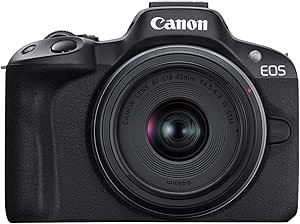 | Best Compact for Vlogging and Everyday Content | Sensor Type: 24.2MP APS-C | Video Resolution: 6K oversampled 4K at 30fps | Autofocus Zones: 651 AF zones | VIEW LATEST PRICE | See Our Full Breakdown |
| 8K Video Camera Camcorder with 6-Axis Anti-Shake and IR Night Vision |  | Best for Ultra-High-Res Video and Night Shooting | Sensor Type: CMOS | Video Resolution: 8K at 15FPS | Features: 6-Axis Anti-Shake, IR Night Vision, Rotatable Screen | VIEW LATEST PRICE | See Our Full Breakdown |
| Sony ZV-1F Vlog Camera for Content Creators and Vloggers |  | Best for Selfie-Ready Vlogging and Compact Content | Lens: 20mm ultra-wide | Sensor Size: 1″ | Aperture Range: F2 | VIEW LATEST PRICE | See Our Full Breakdown |
| Panasonic LUMIX ZS99 Compact Travel Camera with 30x Zoom and 4K Video |  | Best Compact Travel Partner | Lens: 24-720mm Leica DC (30x optical zoom) | Sensor: 1/2.3-inch MOS | Resolution: 20.3 MP stills / 4K video | VIEW LATEST PRICE | See Our Full Breakdown |
| Sony ZV-1F Content Creator’s Kit with 128GB SD, Mic, Light & Tripod (21pc Bundle) |  | Best for Content Creators Ready to Elevate | Resolution: 4K | Battery Type: Sony NP-BX1 | Included Items: SD card, condenser mic, LED light, tripod, editing software | VIEW LATEST PRICE | See Our Full Breakdown |
| DJI Osmo Pocket 3 Creator Combo with 1” CMOS Sensor and 4K/120fps Recording |  | Best for Advanced Stabilized 4K/120fps Video | Sensor Size: 1” CMOS | Resolution/Frame Rate: 4K at 120fps | Stabilization: 3-axis mechanical | VIEW LATEST PRICE | See Our Full Breakdown |
More Details on Our Top Picks
Sony Alpha 7 IV Full-Frame Mirrorless Camera with 28-70mm Zoom Lens Kit
The Sony Alpha 7 IV stands out for combining high-resolution stills with advanced 4K video capabilities, making it the top choice for creators who need both quality and flexibility. Its 33MP full-frame sensor surpasses the Canon R50’s 24.2MP in detail, while offering cinematic color profiles like S-Cinetone. Compared to the Canon R6 Mark II, it provides a slightly higher resolution but at a higher price and larger size, which could be a consideration for those prioritizing portability. Its 759-point AF system rivals the Canon’s Dual Pixel, ensuring sharp focus in fast-paced scenarios. The main tradeoff is its bulk and cost—better suited for professional work or dedicated content creators willing to invest in top-tier gear, rather than casual users or those needing ultra-light setups.
Pros:- High-resolution 33MP sensor delivers detailed images
- 4K 60p video with 10-bit 4:2:2 recording for high-quality footage
- Advanced autofocus with real-time Eye AF for both humans and animals
- Professional color profiles like S-Cinetone enhance cinematic output
Cons:- Higher price point may be prohibitive for casual users
- Larger and heavier than compact mirrorless options like the Sony ZV-1F
Best for: Professional photographers and videographers who require high resolution and cinematic video quality in a single camera
Not ideal for: Travel vloggers or hobbyists seeking lightweight gear, as the Alpha 7 IV is relatively bulky and expensive
- Sensor Type:33MP Full-Frame CMOS
- Image Processor:BIONZ XR
- Video Resolution:4K 60p (10-bit 4:2:2), 7K oversampling
- Autofocus System:759-Pt. Hybrid AF with Real-time Eye AF
- Weight:2.1 lbs (955 grams)
- Screen Size:3 Inches
Bottom line: This camera is ideal for serious creators seeking a top-tier hybrid that balances high-resolution stills with professional-grade video capabilities.
Canon EOS R50 Mirrorless Camera Kit with 18-45mm Lens, Shoulder Bag & 64GB Card
The Canon EOS R50 excels for new creators looking for a straightforward, lightweight camera that handles both photos and 4K video with ease. Its 24.2MP sensor provides ample detail for social media content, although it falls behind the Sony Alpha 7 IV’s resolution when it comes to large prints or heavy cropping. The Dual Pixel AF II system offers reliable autofocus tracking, matching the performance of the Sony’s autofocus but with a more user-friendly interface. Its vari-angle touchscreen and vertical video support make it particularly appealing for social media creators. However, it lacks in-body stabilization, which means you’ll need stabilized lenses or external gimbals for smooth footage—something the DJI Osmo Pocket 3 handles more effectively in a compact form.
Pros:- Lightweight and portable for easy on-the-go shooting
- Reliable Dual Pixel AF II for smooth focus tracking
- Includes useful accessories like a shoulder bag and 64GB card
- Vertical video support tailored to social media platforms
Cons:- No in-body stabilization, limiting handheld smoothness
- Limited lens options without additional investment
- Plastic body may feel less durable
Best for: Beginner content creators and social media vloggers seeking an affordable, easy-to-use hybrid camera
Not ideal for: Serious videographers or photographers who need advanced stabilization or high-end features, as the R50’s performance is more entry-level
- Sensor Type:CMOS
- Photo Sensor Resolution:24.2 MP
- Video Resolution:2160p (4K)
- Autofocus Technology:Dual Pixel Phase Detection AF II
- Weight:2 Pounds
- Included Accessories:Shoulder Bag, 64GB SD Card
Bottom line: This camera is perfect for beginners and social media enthusiasts who prioritize ease of use and affordability over advanced stabilization or high-end specs.
DJI Osmo Pocket 3 Vlogging Camera with 1-inch CMOS, 4K/120fps Recording, and 3-Axis Stabilization
The DJI Osmo Pocket 3 is a standout for creators who want professional-looking footage in a pocket-sized device. Its 1-inch CMOS sensor offers better low-light performance than smaller sensors, and the 4K/120fps recording ensures smooth, high-quality videos that can rival larger cameras. The built-in 3-axis mechanical stabilization is a key advantage over larger, less stable options like the Canon R6 Mark II, especially for handheld vlogging or travel. Its ActiveTrack 6.0 keeps subjects in frame effortlessly, making it highly suitable for dynamic shooting environments. The main tradeoff is its limited zoom and fixed lens, which restrict versatility compared to larger hybrid cameras, but its portability and stabilization make it ideal for spontaneous, on-the-move content creation.
Pros:- Exceptional 4K/120fps video quality with high frame rate smoothness
- Advanced 3-axis stabilization for ultra-smooth handheld footage
- Face/object tracking with ActiveTrack 6.0
- Highly portable and easy to use on the go
Cons:- Limited zoom and fixed lens reduce versatility
- Accessories like chargers sold separately, increasing overall cost
- No interchangeable lenses for expanding creative options
Best for: Travel vloggers and mobile creators seeking high-quality stabilized footage in a pocketable form
Not ideal for: Professionals needing interchangeable lenses or extensive control over settings, as the Osmo Pocket 3 is more of a compact assistant than a full camera system
- Sensor Size:1-inch CMOS
- Video Resolution:4K/120fps
- Stabilization:3-axis mechanical
- Color Grading:D-Log M, 10-bit
- Audio Features:Stereo recording
- Included Accessories:Protective cover, wrist strap, handle
Bottom line: This device is ideal for creators who prioritize ultra-stabilized, high-quality video in a portable format for travel or daily vlogging.
5K/56MP Vlogging Camcorder for Beginners with 270° Flip Screen and Night Vision
This camcorder offers a compelling package for newcomers, boasting 5K video and 56MP photos, which surpass many entry-level options like the DJI Osmo Pocket 3 in resolution. Its 270° flip screen simplifies self-recording, while IR night vision adds low-light versatility. The included starter kit with a 64GB SD card, external mic, and tripod makes it a convenient all-in-one choice for casual content creators. However, the fixed-focus lens limits control, and its non-waterproof design restricts outdoor use. Compared to more advanced hybrid cameras, it auto-splits files due to FAT32 limits, which can complicate editing. Still, for beginners seeking a simple, affordable device to produce high-quality content, this is a practical choice.
Pros:- High 5K resolution for crisp videos
- 270° flip screen facilitates selfie shooting
- IR night vision for low-light scenarios
- Complete starter kit with accessories included
Cons:- Fixed-focus lens limits creative control
- No waterproofing, unsuitable for outdoor rainy conditions
- Auto file splitting can complicate editing workflow
Best for: Beginners or hobbyists looking for an affordable, all-in-one vlogging solution
Not ideal for: Advanced creators or professionals requiring manual focus, waterproofing, or higher flexibility
- Sensor Type:CMOS
- Video Resolution:5K/56MP
- Night Vision:Yes
- Flip Screen:270°
- Connectivity:Wi-Fi
- Battery Life:120 minutes
Bottom line: This camcorder delivers high-resolution video and user-friendly features for beginners eager to start vlogging without complex gear.
Canon EOS R6 Mark II Mirrorless Camera with RF24-105mm F4-7.1 IS STM Lens
The Canon EOS R6 Mark II offers a compelling blend of speed, resolution, and autofocus technology. Its 24.2MP full-frame sensor rivals the Sony Alpha 7 IV in image quality but excels with faster burst speeds up to 40 fps, making it better suited for capturing action. Its AI-driven Dual Pixel CMOS AF II system provides precise subject detection across a wider array of subjects, surpassing the autofocus capabilities of the Canon R50 and matching the sophisticated tracking of the Sony. The included RF24-105mm lens adds versatility, though it’s heavier than the compact options like the R50 kit. For users who need advanced subject tracking, high-speed shooting, and professional image quality, this camera is a prime choice—though it may be overkill for casual content creators or those seeking lighter setups.
Pros:- High-speed continuous shooting up to 40 fps
- Excellent autofocus with broad subject detection
- Full-frame sensor delivers stunning image quality
- Versatile RF24-105mm lens suitable for various shooting scenarios
Cons:- Heavier and bulkier than entry-level options
- Steeper learning curve due to advanced features
- Higher price point may be prohibitive for casual users
Best for: Advanced photographers and videographers requiring high-speed, high-quality hybrid performance
Not ideal for: Beginners or creators prioritizing lightweight, budget-friendly gear, as the R6 II’s complexity and weight demand experience
- Sensor Type:Full-Frame CMOS
- Resolution:24.2 MP
- Shooting Speed:12 fps (mechanical), 40 fps (electronic)
- Autofocus:Dual Pixel CMOS AF II
- Lens Kit:RF24-105mm F4-7.1 IS STM
- Weight:2.2 lbs
Bottom line: This camera is best suited for experienced creators who need fast, high-quality hybrid capabilities for professional work.
Canon EOS R8 Content Creator Kit
The Canon EOS R8 Content Creator Kit stands out for combining high-resolution imaging with cinematic video capabilities, making it a well-rounded choice for creators who want both photography and videography in one package. Its 24.2MP CMOS sensor delivers excellent detail and low-light performance, rivaling the image quality of the Sony ZV-1F but with a more adaptable full-frame sensor. The inclusion of 6K oversampled 4K video at 60fps provides superior film look compared to the Canon R50’s 4K at 30fps, though the F4.5-6.3 lens limits low-light performance and brightness. The advanced autofocus with deep learning makes subject tracking effortless, yet the absence of in-body stabilization beyond the tripod grip means handheld shots can suffer unless paired with stabilizers. This kit is ideal for versatile creators who prioritize high-quality video and stills but are willing to manage some tradeoffs in stabilization and low-light conditions.
Pros:- High-resolution 24.2MP sensor with excellent low-light performance
- 6K oversampled 4K video at 60fps for cinematic quality
- Advanced AI autofocus with deep learning for precise subject detection
- Bundled accessories tailored for vlogging and content creation
Cons:- F4.5-6.3 lens may struggle in dim environments
- No in-body stabilization beyond tripod grip limits handheld usability
- Limited battery life for extended shooting sessions
Best for: Content creators who need a compact, all-in-one hybrid camera capable of producing cinematic videos and sharp photos without carrying multiple devices.
Not ideal for: Photographers or videographers who require extensive low-light performance or in-body stabilization for handheld shooting.
- Sensor Type:24.2 Megapixel CMOS
- Video Resolution:6K oversampled 4K (up to 60fps)
- Lens Included:RF24-50mm F4.5-6.3 IS STM
- Autofocus Zones:1,053 AF zones with 100% coverage
- Included Accessories:Tripod grip, wireless remote, stereo microphone
Bottom line: This kit suits creators seeking a compact, high-quality hybrid with cinematic video features and versatile autofocus, accepting some compromises in low-light handling and stabilization.
Canon EOS R7 Mirrorless Camera (Body Only), 32.5MP APS-C CMOS Sensor, 4K Video, Black
The Canon EOS R7 excels for fast-paced photography and versatile video, making it ideal for sports, wildlife, and dynamic content. Its 32.5MP APS-C sensor delivers sharp, detailed images comparable to the Sony ZV-1F’s large sensor but with the advantage of interchangeable lenses for tailored shooting. The high-speed 15 fps mechanical or 30 fps electronic shutter surpasses the R50’s 12 fps, offering better performance for capturing rapid motion. The 5-axis in-body stabilization with 7 stops provides steadiness during handheld shooting, a significant upgrade over the R8’s lack of stabilization. However, being body-only requires extra lens investment, and the absence of a built-in viewfinder may be a hurdle for traditional photographers. This camera makes the most sense for action-focused users who want high resolution and stabilization, willing to expand their kit with additional lenses.
Pros:- High-resolution 32.5MP APS-C sensor for detailed images
- Fast 15 fps mechanical shutter for capturing rapid motion
- Effective 5-axis IBIS with 7 stops correction for steady footage
- Compact, lightweight design with included extra battery
Cons:- Requires additional lenses to complete the kit
- No built-in viewfinder or articulated screen (requires optional accessories)
Best for: Photographers and videographers who need high-speed capture and stabilization for action, sports, or wildlife content.
Not ideal for: Beginners or casual shooters who prefer a compact, all-in-one camera with integrated stabilization and minimal gear investment.
- Sensor Type:32.5MP APS-C CMOS
- Video Resolution:4K
- Autofocus Zones:651 AF zones
- Shutter Speeds:15 fps mechanical / 30 fps electronic
- Image Stabilization:5-axis IBIS (7 stops)
- Weight:1.1 lbs
Bottom line: This camera is best for action creators who need speed, resolution, and stabilization, and are prepared to customize their setup with lenses.
Canon EOS R50 Mirrorless Camera with RF-S18-45mm STM Lens, 24.2MP APS-C Sensor, 4K Video
The Canon EOS R50 offers a compelling blend of portability and performance, making it ideal for vloggers and travel content creators. Its 24.2MP APS-C sensor and DIGIC X processor produce high-quality images and 6K oversampled 4K video at 30fps, comparable to more advanced models like the R8 but in a smaller footprint. The inclusion of the RF-S18-45mm lens provides versatile framing, though its limited reach may not suit all photography styles. The Deep Learning Dual Pixel CMOS AF II with subject tracking ensures sharp focus on moving subjects, which outperforms the R50’s previous autofocus systems. The compact design and seamless connectivity make it perfect for on-the-go shooting, though the kit lens’s reach might be restrictive for some users. This camera appeals mainly to those prioritizing portability and ease of use for casual or social media content.
Pros:- Excellent image quality with high-resolution sensor
- Versatile 6K oversampled 4K video at 30fps
- Deep learning-based subject tracking for reliable focus
- Compact, lightweight with intuitive touchscreen
Cons:- Kit lens may lack reach for some photography needs
- Battery life details are not explicitly provided
Best for: Travelers, vloggers, and casual content creators needing a lightweight, high-quality camera with good autofocus.
Not ideal for: Photographers seeking extensive zoom range or advanced low-light performance, as the kit lens is limited in reach.
- Sensor Type:24.2MP APS-C
- Video Resolution:6K oversampled 4K at 30fps
- Autofocus Zones:651 AF zones
- Shutter Speeds:12 fps (Electronic First Curtain)
- Lens Kit:RF-S18-45mm F4.5-6.3 IS STM
Bottom line: This model is well-suited for mobile creators who prioritize portability, fast autofocus, and decent video quality in a simple package.
8K Video Camera Camcorder with 6-Axis Anti-Shake and IR Night Vision
This 8K camcorder caters to professionals and enthusiasts focused on maximum resolution and versatile shooting modes. The ability to record up to 8K at 15fps offers stunning detail, surpassing the 4K capabilities of other models like the R8 or R50, but at a lower frame rate. Its 6-axis digital anti-shake ensures smooth footage, especially useful in handheld or dynamic environments. The infrared night vision is a standout feature for low-light or nighttime shots, though the device isn’t water-resistant, limiting outdoor use. Its 3-inch rotatable touchscreen simplifies framing from different angles, and the webcam function adds value for live streaming setups. The tradeoff involves a lower frame rate at 8K and potential issues with noise or low-light quality in infrared mode, making it more suitable for specific high-res projects than casual filming.
Pros:- Ultra-high 8K resolution for detailed professional footage
- Effective 6-axis anti-shake stabilization
- Infrared night vision for low-light and night shooting
- Versatile modes including time-lapse and slow motion
Cons:- Limited 15fps frame rate at 8K may hinder smooth motion
- No water resistance, restricting outdoor use in adverse weather
- Microphone volume and interference issues could affect audio quality
Best for: Video professionals or serious hobbyists needing ultra-high-resolution footage with night vision capabilities.
Not ideal for: Casual videographers or outdoor shooters who need water resistance or higher frame rates for fast action.
- Sensor Type:CMOS
- Video Resolution:8K at 15FPS
- Features:6-Axis Anti-Shake, IR Night Vision, Rotatable Screen
- Connectivity:USB, Wi-Fi
- Form Factor:Handheld
Bottom line: This device suits creators needing maximum resolution and night vision, accepting lower frame rates and outdoor limitations.
Sony ZV-1F Vlog Camera for Content Creators and Vloggers
The Sony ZV-1F is designed with vloggers and solo creators in mind, offering a large 1” sensor and a fixed 20mm ultra-wide lens that captures more in every frame. Its F2 aperture ensures decent low-light performance and pleasing background blur, outperforming many small sensor cameras in this regard. The side-articulating touchscreen makes self-recording straightforward, and Eye-AF tracking keeps subjects sharply focused even when moving. While its fixed lens limits zoom flexibility, the compact size and ease of use make it perfect for quick, on-the-fly content. Compared to the R50, it excels in portability and autofocus tracking but sacrifices versatility with a fixed focal length and no interchangeable lens system. It’s a great choice for creators who prioritize ease and quick setup for social media and daily vlogs.
Pros:- Large 1” sensor with F2 aperture for low-light and background blur
- Ultra-wide 20mm lens captures more in tight spaces
- Eye-AF and tracking for reliable focus on moving subjects
- Articulating touchscreen simplifies selfie and vlogging shot framing
Cons:- Fixed lens limits zoom or framing options
- No explicit battery life or storage info provided
- Limited versatility for different shooting styles
Best for: Vloggers and solo content creators who want a small, easy-to-carry camera with excellent autofocus and wide-angle coverage.
Not ideal for: Photographers or videographers needing zoom range or adaptable lenses for varied shooting scenarios.
- Lens:20mm ultra-wide
- Sensor Size:1″
- Aperture Range:F2
- Autofocus Technology:Eye-AF and tracking
- Screen Type:Side-articulating touchscreen LCD
Bottom line: This camera is perfect for solo creators seeking a compact, autofocus-rich device for quick, high-quality vlogging and social media content.
Panasonic LUMIX ZS99 Compact Travel Camera with 30x Zoom and 4K Video
This camera stands out for its exceptional portability combined with a powerful 30x optical zoom, making it ideal for travel and outdoor photography. Compared to the DJI Osmo Pocket 3, it offers a broader zoom range, which is perfect for capturing distant subjects, but it sacrifices the larger sensor that boosts low-light performance in the Osmo Pocket 3. The 1/2.3-inch sensor limits performance in dim conditions, a tradeoff for its compact size. Its tiltable touchscreen and Bluetooth connectivity add convenience for quick framing and sharing, yet manual controls are limited, restricting advanced photographers seeking more creative flexibility. Overall, this model best suits those who prioritize reach and portability over low-light versatility.
Pros:- Compact and travel-friendly design fits easily in pockets or small bags
- 30x optical zoom captures distant subjects without changing lenses
- 4K video and photo capabilities for high-quality content
Cons:- Small sensor limits performance in low light and high ISO settings
- Limited manual controls for advanced users seeking creative adjustments
Best for: Travelers and casual shooters wanting a lightweight, versatile camera for spontaneous shots and videos
Not ideal for: Photographers seeking high-quality low-light performance or extensive manual control
- Lens:24-720mm Leica DC (30x optical zoom)
- Sensor:1/2.3-inch MOS
- Resolution:20.3 MP stills / 4K video
- Zoom:60x iZoom (30x optical + digital)
- Stabilization:5-Axis Hybrid O.I.S.+
- Screen:3-inch tiltable touchscreen (1,840k dots)
- Connectivity:Bluetooth 5.0, Wi-Fi
- Battery Charging:USB Type-C
Bottom line: This camera is perfect for travelers who want a compact device with impressive zoom and 4K video, but less suitable for low-light or professional-grade photography.
Sony ZV-1F Content Creator’s Kit with 128GB SD, Mic, Light & Tripod (21pc Bundle)
The Sony ZV-1F makes this list for its all-in-one approach to content creation, offering 4K video, high-res photos, and features like real-time Eye Autofocus that are essential for engaging videos. Compared with the DJI Osmo Pocket 3, the ZV-1F provides a larger, more versatile zoom range (24-70mm equivalent) and a built-in microphone, which simplifies audio quality. While its compact size is similar, the ZV-1F’s image quality and autofocus capabilities are more suited for creators who want sharp, professional-looking footage without extensive post-editing. However, the higher price reflects its bundled accessories, and manual controls are somewhat limited for those wanting more creative flexibility. This pick is best for those seeking a comprehensive kit that balances ease of use with professional features.
Pros:- 4K video and high-resolution photos with ease of use
- Includes a complete bundle—microphone, light, tripod, and SD card for immediate content creation
- Real-time Eye Autofocus ensures sharp, focused subjects
Cons:- Higher price point due to the bundled accessories
- Limited manual control options restrict advanced filming techniques
Best for: Content creators and vloggers looking for a complete, portable setup with high-quality video and audio
Not ideal for: Advanced photographers or videographers needing extensive manual controls or raw video options
- Resolution:4K
- Battery Type:Sony NP-BX1
- Included Items:SD card, condenser mic, LED light, tripod, editing software
- Stabilization Mode:Active Mode
- Lens Specs:24-70mm equivalent zoom
- Connectivity:Wi-Fi, Bluetooth
Bottom line: This kit is ideal for creators who want an all-in-one, portable solution that delivers high-quality videos and photos with minimal fuss.
DJI Osmo Pocket 3 Creator Combo with 1” CMOS Sensor and 4K/120fps Recording
The DJI Osmo Pocket 3 Creator Combo excels in producing ultra-smooth, high-frame-rate footage thanks to its 1-inch CMOS sensor and 3-axis mechanical stabilization. Compared with the Sony ZV-1F, it offers superior stabilization, making it the top choice for dynamic filming, such as sports or movement-heavy vlogging. Its ability to shoot 4K at 120fps opens creative possibilities for slow-motion shots that are difficult with smaller sensors. The inclusion of accessories like the DJI Mic 2 and wide-angle lens further enhances its versatility for professional-quality content creation. However, this comes with a higher price and a steeper learning curve, especially for users unfamiliar with advanced features like D-Log M. This camera is best suited for creators who prioritize stabilization and slow-motion capabilities over simplicity.
Pros:- 4K at 120fps delivers exceptional slow-motion footage
- Outstanding 3-axis mechanical stabilization for smooth video
- Includes useful accessories like a wide-angle lens and microphone
Cons:- Higher price compared to other compact options
- Requires time to master advanced features and color grading options
Best for: Vloggers and videographers wanting superb stabilization and high-speed footage in a portable device
Not ideal for: Beginners or those needing basic footage without the complexity of advanced features
- Sensor Size:1” CMOS
- Resolution/Frame Rate:4K at 120fps
- Stabilization:3-axis mechanical
- Tracking Features:ActiveTrack 6.0, Face/Object Tracking
- Included Accessories:DJI Mic 2 Transmitter, Wide-Angle Lens, Tripod
Bottom line: This camera suits creators seeking the highest stability and slow-motion options in a portable package, despite a learning curve and higher cost.
How We Picked
This list was curated based on a set of criteria that matter most to photo and video creators. We evaluated performance in both stills and video modes, focusing on image quality, autofocus, stabilization, and low-light capabilities. Usability factors like size, weight, and ease of operation were also considered, especially for creators on the move. Value was assessed by comparing features relative to price, and build quality ensured durability for various shooting environments. The ranking reflects a combination of versatility, performance, and user experience, prioritizing models that excel in both photography and videography.Factors to Consider When Choosing Best Hybrid Cameras For Photo And Video Creators
Choosing the best hybrid camera involves understanding several key factors that influence your shooting experience. The right model depends on your specific needs, whether you prioritize portability, advanced video features, or budget-friendly options. Here are the main considerations to keep in mind when selecting a hybrid camera for photo and video creation.Sensor Size and Image Quality
Sensor size directly impacts image quality, low-light performance, and depth of field. Full-frame sensors typically produce better images with more dynamic range, making them ideal for professional photography and cinematic video. APS-C sensors offer a good middle ground, providing solid quality in a more compact, affordable package. Smaller sensors, like those in compact cameras, may sacrifice some detail and low-light performance but excel in portability and ease of use. Prioritize sensor size based on your primary shooting conditions and quality expectations.
Video Features and Resolution
Beyond just 4K recording, look for features like high frame rate options (120fps or more), log profiles for color grading, and good autofocus tracking. These enhance your ability to create smooth, professional-looking videos. Some cameras include advanced stabilization systems—either in-body or lens-based—that are crucial for handheld shooting. If video is a priority, ensure the model supports the latest codecs and provides features like microphone input and flip screens for vlogging or self-recording.
Size, Weight, and Ergonomics
Portability is vital if you shoot on the go or travel frequently. Compact models like the DJI Osmo Pocket excel here but may lack interchangeable lenses. Larger cameras like the Sony Alpha 7 IV provide better handling and more controls, but at the expense of weight and bulk. Consider how comfortable you’ll be holding and operating the camera for extended periods, especially if you plan to shoot handheld or in dynamic environments.
Lens Ecosystem and Expandability
Interchangeable lenses offer creative flexibility, especially for photography, and enable tailored video setups. Cameras with a broad lens ecosystem, like Sony and Canon, provide more options for different shooting scenarios. Fixed-lens models simplify operation but limit versatility. Think about your future needs—will you want to upgrade lenses or accessories? This can influence your long-term satisfaction and investment value.
Budget and Value
Prices vary widely, with premium models offering advanced features at a cost, while entry-level options provide solid performance for less. Balance your budget against the features most important to you. Sometimes, spending a bit more on stabilization, autofocus, or sensor quality yields better results and longevity. Be wary of models that cut corners on essential features, as these can hinder your creative process over time.
Frequently Asked Questions
Is a full-frame hybrid camera worth the extra cost for video creators?
Full-frame hybrid cameras generally provide superior image quality, better low-light performance, and more cinematic depth of field, which are highly valued in professional video production. However, they tend to be larger and more expensive, which might not suit creators who prioritize portability or are just starting out. If your projects demand high-quality visuals and you often shoot in challenging lighting, investing in a full-frame model can be worthwhile. For casual or vlogging use, APS-C or compact options might offer a better balance of features and convenience.
Should I prioritize autofocus or stabilization in my hybrid camera?
Both autofocus and stabilization have a significant impact on video quality. Autofocus systems that track subjects reliably prevent distracting shifts during recording, especially in dynamic scenes. Stabilization, whether in-body or lens-based, smooths out handheld footage and reduces the need for additional gear. For creators who shoot handheld or move frequently, a model with strong stabilization paired with responsive autofocus will deliver more professional results. Ultimately, the best choice depends on your specific shooting style and the types of videos you produce.
Can I use a compact camera for serious photo and video work?
Yes, compact cameras like the DJI Osmo Pocket 3 or Sony ZV-1F are excellent for on-the-go shooting, vlogging, and casual content creation. They are easy to carry, often feature good stabilization, and are user-friendly. However, they typically lack interchangeable lenses and advanced sensor options, limiting creative control and image quality in complex scenarios. For serious work or professional results, a larger mirrorless or DSLR hybrid offers more flexibility, better image quality, and greater expansion options. Compact models are best for quick, spontaneous shooting or when portability is the primary concern.
How important is lens selection when choosing a hybrid camera?
Lens selection greatly influences your creative options, affecting everything from framing to depth of field. Interchangeable lens systems like Sony or Canon allow you to adapt to different shooting environments—wide-angle for landscapes, telephoto for wildlife, fast primes for portraits, and so on. A broad lens ecosystem can justify investing in a higher-end camera, as it extends your capabilities over time. Fixed-lens models simplify setup but may limit your versatility. Consider your typical shooting scenarios and whether you want to invest in a flexible lens collection before choosing a camera system.
Conclusion
If you seek the best overall hybrid camera that balances performance and versatility, the Sony Alpha 7 IV remains the top choice. For those starting out or prioritizing portability and ease of use, the Canon EOS R50 offers excellent value. Creators focused on premium features and future-proofing might gravitate toward the Canon EOS R6 Mark II or the Sony ZV-1F Content Creator’s Kit. Budget-conscious users and vloggers will find the DJI Osmo Pocket 3 and Sony ZV-1F compelling options. Ultimately, your ideal camera depends on your specific shooting style, budget, and long-term goals.