This checklist is for road cyclists getting ready for a race day, whether you’re building your first kit or reviewing the gear you already own. It covers essentials for riding, comfort, and basic bike preparation, with practical notes to help you choose what fits your needs.

Get sports gear delivered free with Prime
- Fast, free delivery on millions of items
- Prime Video, Amazon Music and more included
- Member-only deals all year
The sections are organized by gear type: helmet, bib shorts, shoes, jersey, repair kit, and bottle. Some include a named pick; the shoes and jersey sections offer buying advice without a specific product recommendation.
Use each section to check fit and compatibility before you buy. Try apparel and footwear with your riding position in mind, confirm that gear works with your bike, and use the look-for lists as a quick checklist when comparing options.
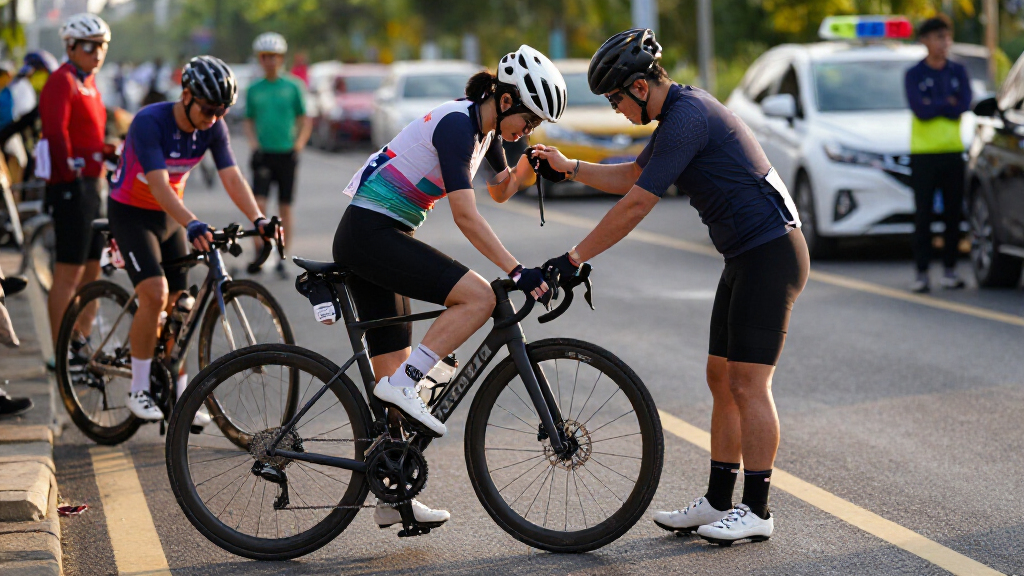
Road cycling helmet
A helmet is a core part of your race-day kit, and a secure, comfortable fit matters when you’re spending time in a forward riding position. The Giro Vanquish MIPS Road Cycling Helmet is the named pick for this slot. Before choosing it, check the manufacturer’s sizing guidance and measure your head as directed; a helmet that feels stable without pressure points is a better starting point than one chosen by appearance alone.
A common mistake is assuming that a particular model or size will fit every rider. Try the helmet on if possible, adjust its retention system according to its instructions, and check that it stays level and secure as you move your head. Make sure it does not interfere with your vision or sit awkwardly with any eyewear you plan to wear. If you use accessories or have fit needs that affect helmet placement, consider those together rather than evaluating the helmet in isolation.
Before race day, review the helmet’s care and use instructions and inspect it for damage. Choose the Giro Vanquish MIPS if it fits you securely and works with your riding setup; the model name alone cannot establish whether it is the right fit for you. Fit comes first.
What to look for:
- Measure your head using the manufacturer’s sizing guidance
- A level, stable fit with no painful pressure points
- Retention adjustments that stay secure during movement
- Clear vision in your normal riding position
- Comfortable compatibility with your eyewear and accessories
Giro Vanquish MIPS Road Cycling Helmet

The Giro Vanquish MIPS is an aerodynamic road cycling helmet with TransformAir design to streamline airflow. It includes MIPS technology, an EPS liner with progressive layering, and a magnetic Vivid shield by Zeiss.
Pros:
- Aerodynamic design intended to streamline airflow
- Includes MIPS technology
- Magnetic Vivid shield by Zeiss
Cons:
- Availability can vary
Best for: Riders considering the Giro Vanquish MIPS who can confirm its fit
Not ideal for: Anyone unable to establish a secure, comfortable fit
Bottom line: Choose the Giro Vanquish MIPS only if its sizing and fit work for you.
Cycling bib shorts
Bib shorts can help make long rides more comfortable, so the right fit deserves attention before race day. The named pick is PEARL IZUMI Padded Bike Shorts for Men, Quest Cycling Bibs. Check the sizing chart and product details carefully, especially because the product name specifies men’s bibs; choose a garment designed for your body and preferred fit rather than assuming one cut works for everyone.
Common mistakes include choosing a size by casual clothing alone, overlooking the chamois, or trying shorts only while standing. Assess the fit in a cycling position: the fabric should feel supportive without restricting movement, and the padding should sit where it works for you on the saddle. Pay attention to straps and leg openings as well. If possible, test the shorts on a shorter ride before race day so you can judge comfort while pedaling.
Think about how the bibs fit with the rest of your kit, including your jersey and any layers you intend to wear. Follow the care instructions to help maintain the garment. The Quest Cycling Bibs are a candidate to consider if the cut, sizing, and padding suit your needs; a product name cannot guarantee that they will feel right for every rider. Ride-position fit is the useful test.
What to look for:
- Sizing guidance that matches your measurements
- A cut designed for your body and preferred fit
- Padding that sits comfortably on the saddle
- Supportive fabric that allows pedaling movement
- Straps and leg openings that feel comfortable while riding
PEARL IZUMI Padded Bike Shorts for Men, Quest Cycling Bibs

These men’s cycling bibs are designed for comfort and performance, featuring a Levitate chamois pad and high-tech, eco-friendly materials. They provide a cool, dry ride with reflective trim for visibility, making them suitable for both long rides and sprints.
Pros:
- Comfortable and functional for long rides and sprints
- Eco-friendly, durable materials
- Reflective trim for visibility
Cons:
- May have limited sizing options
- Padding density might not suit all riders
Best for: Riders whose sizing and fit needs match the Quest Cycling Bibs
Not ideal for: Riders who need a different cut or cannot confirm the fit
Bottom line: Check the Quest Cycling Bibs in riding position before relying on them for race day.
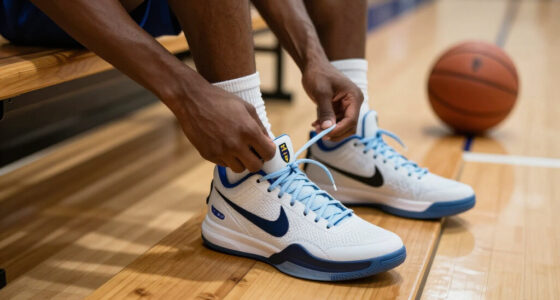
Clipless cycling shoes
Clipless shoes connect your footwear to compatible pedals, so this choice depends on your pedal system as well as your feet. Start by identifying the pedals on your bike and confirming which cleat standard they use. Shoe compatibility should be verified from the product details, since the section has no named product pick and shoe names alone may not make compatibility clear.
A frequent buying mistake is ordering shoes before checking the cleat interface, or selecting a size based only on everyday footwear. Measure according to the brand’s chart and consider your foot width, toe room, and how the fit feels when standing and pedaling. A snug fit should not cause numbness or painful pressure. Check whether the shoe accepts the cleat arrangement you need, and confirm that the cleats can be positioned to suit your pedaling comfort.
Try the shoes with the socks you expect to wear on rides and practice clipping in and out with your pedal setup before race day. If you are new to clipless pedals, allow time to get familiar with the release motion in a controlled setting. Compatibility and comfort should guide the choice, not appearance alone.
What to look for:
- Compatibility with your pedal and cleat standard
- Sizing based on the shoe brand’s measurement chart
- Enough toe room without heel movement
- A fit that avoids pressure or numbness while pedaling
- Cleat position that can be adjusted for your riding comfort
Cycling jersey
A jersey is part of your riding layer, so prioritize a fit that stays comfortable in your cycling position. There is no specific product pick for this section. Consider how the jersey sits when you lean forward, reach the bars, and move your arms; a fit that feels fine standing still may pull or bunch while riding.
Common mistakes include buying for a casual, upright fit when you want a close riding fit, or overlooking the jersey’s interaction with bib shorts and other layers. Check the size chart and garment details, then consider the coverage you want at the waist, sleeves, and neckline. If you expect to carry items in pockets, think about their placement and accessibility while seated. Check that seams and fabric feel comfortable against your skin during movement.
Try the jersey with the layers you expect to wear and make sure it does not restrict your reach or feel overly loose in your riding position. If you are between sizes, compare the brand’s fit guidance rather than guessing from a different label. Since no product is specified, use your own fit and feature priorities to narrow the options. Comfort in motion is the best check.
What to look for:
- A cut that remains comfortable when leaning toward the bars
- Sizing guidance for the brand and intended fit
- Coverage that works with your bib shorts and layers
- Comfortable seams and fabric during arm movement
- Pocket placement you can reach while riding, if pockets matter to you
Bike repair tool kit
A repair kit helps you prepare for routine bike adjustments and maintenance, but the right kit depends on the work you plan to do. The named pick, Park Tool SK-4 Home Mechanic Starter Kit, is presented as a home mechanic starter kit. Review its included tools against your bike and the tasks you expect to handle; the product name does not establish which specific tools are included.
A common mistake is assuming that a starter kit covers every repair or fits every component. Check the kit’s itemized contents and compare each tool with your bike’s fasteners and parts. Consider whether you need tools for home use, race-day carry, or both: a home kit may not be the format you want to bring on a ride. For on-bike preparation, identify any separate essentials you need and confirm that they fit your storage setup.
Before depending on tools, learn how to use them correctly and check the manufacturer’s guidance for your components. If you plan to work on unfamiliar systems, seek suitable instruction rather than forcing a tool that does not fit. The SK-4 may suit riders looking for a home mechanic starter kit if its verified contents match their needs. Check the contents before choosing.
What to look for:
- An itemized contents list you can compare with your bike
- Tools that match your bike’s fasteners and components
- A format suited to home use or your intended carry setup
- Clear instructions for tool use and care
- Any additional essentials needed for your planned repairs
Park Tool SK-4 Home Mechanic Starter Kit

This bicycle maintenance kit includes 15 bike-specific tools for cleaning, adjustments, maintenance, and basic repairs. It comes in a custom toolbox with room for additional tools and spare parts, along with the Big Blue Book of Bicycle Repair.
Pros:
- Includes 15 tools for common bicycle maintenance and basic repairs
- Comes with a comprehensive bicycle repair guide
- Toolbox has room for spare parts and additional tools
Cons:
- Intended for basic repairs and maintenance rather than every specialized bike repair
Best for: Home mechanics whose needs match the verified kit contents
Not ideal for: Riders seeking a compact ride kit without checking its format
Bottom line: Compare the Park Tool SK-4 contents with your bike and intended tasks.
Insulated cycling bottle
A bottle should work with your bike’s bottle cage and be easy for you to use while riding. The named pick is HydraPak Breakaway Surge Lightweight Bike Water Bottle (30oz, Charcoal). Confirm the bottle’s dimensions and your cage’s capacity before choosing it; the name alone does not confirm how it will fit a particular frame or cage.
A common mistake is selecting a bottle by capacity or appearance without checking access and retention. Measure the available space, especially if your frame has limited clearance, and consider whether you can remove and replace the bottle comfortably while seated. Check the product details for the features you care about, including insulation, and follow the manufacturer’s care instructions. Consider whether the listed capacity suits the ride and your plan for carrying or refilling bottles.
Try the bottle in your cage before race day and make sure it stays secure over the riding conditions you expect. Practice reaching for it without compromising your control of the bike. The HydraPak Breakaway Surge is a candidate if its dimensions, cage fit, and use feel right for your setup. Frame clearance matters.
What to look for:
- Bottle dimensions that fit your frame and cage
- Secure retention in your existing bottle cage
- Room to remove and replace it comfortably
- Product details that confirm the features you want
- A capacity and refill plan suited to your ride
HydraPak Breakaway Surge Lightweight Bike Water Bottle (30oz, Charcoal)

The HydraPak Breakaway Surge is a lightweight, BPA-free bike water bottle designed for cyclists. It features a flexible squeeze design, a high-flow self-sealing cap, and is easy to clean, making it ideal for on-the-go hydration.
Pros:
- Lightweight and easy to squeeze
- Self-sealing, spill-proof cap
- Easy to clean and dishwasher safe
- Fits a variety of bike cages
Cons:
- Limited color options
- Single-wall design may not insulate liquids
- No additional features like measurement markings
Best for: Riders whose cage and frame suit the listed bottle dimensions
Not ideal for: Anyone whose bike has unverified bottle clearance
Bottom line: Verify cage fit, access, and clearance before race day.
Build your checklist around the items that affect safe, comfortable riding first: confirm helmet fit, then check the fit of your bib shorts and footwear. Next, match shoes to your pedals, choose a jersey that works with your layers, and verify that the repair kit and bottle suit your bike and ride plans. Fit and compatibility are useful priorities when deciding what to address first.
Use the lists to guide your checks, then try your complete setup before race day so there is time to make adjustments. The best checklist is one you can use confidently with gear that fits your body and bike. Prepare, test, and enjoy the ride.