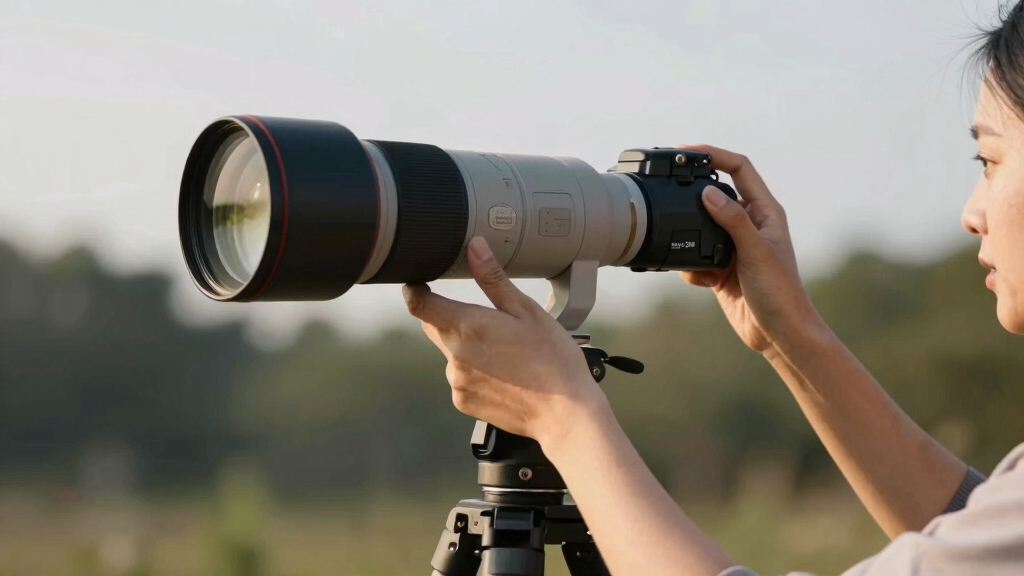

Choosing the best monopod for heavy telephoto lenses requires balancing strength, stability, and portability. The Leofoto MP-364C stands out as the overall top pick thanks to its robust carbon fiber build and high load capacity. The SIRUI P-326 offers excellent lightweight support, ideal for travel, while the Professional Camera Monopod with Feet provides extra stability for heavier setups. Many monopods struggle with supporting weight without sacrificing ease of use or portability. Keep reading for a detailed comparison that helps you find the right fit for your demanding gear.

Get sports gear delivered free with Prime
- Fast, free delivery on millions of items
- Prime Video, Amazon Music and more included
- Member-only deals all year
Complete the kit


Key Takeaways
- Robust carbon fiber models like the Leofoto MP-364C excel at balancing weight capacity and portability for heavy lenses.
- Tripod feet or bases significantly improve stability but can add bulk and reduce quick handling.
- Higher load capacities are essential but often come with increased weight and cost, making tradeoffs necessary.
- Adjustable height and quick-lock mechanisms are critical for ease of use in fast-paced shooting scenarios.
- Budget options like Amazon Basics deliver decent support but may lack durability for the heaviest telephoto setups.


| monopods for heavy telephoto lense | Material | Weight |
|---|---|---|
| ULANZI TB12 61-Inch Camera Mon | Aluminum alloy | 0.83 lbs (378g) |
| Leofoto MP-364C 67" 4-Section | Carbon fiber | 0.58kg / 1.27lb |
| SIRUI P-326 Carbon Fiber Monop | Carbon Fiber | 15.3 oz (440 g) |
| Professional Camera Monopod wi | Aluminum | 3.9 lbs |
| Amazon Basics 67-Inch Monopod | Aluminum | 15.7 ounces |
| SmallRig 65.6" Carbon Fiber Ba | Carbon fiber, aluminum alloy | 1.73 kg / 3.80 lb |
| Manfrotto 290 Carbon Fiber 4-S | Carbon fiber | — |
| SIRUI 65"/165cm Carbon Fiber C | Carbon fiber | — |
More Details on Our Top Picks
ULANZI TB12 61-Inch Camera Monopod – Portable Aluminum Tripod & Monopod for Travel and Photography
The ULANZI TB12 stands out for its portability and ease of use, making it ideal for photographers who need a lightweight solution without sacrificing support. Compared with the Leofoto MP-364C, it offers significantly less load capacity, supporting only up to 11 lbs versus 44 lbs, which limits heavier telephoto lenses. However, its compact size and simple design make it far easier to carry on hikes or travel days. The multiple modes provide versatile shooting angles, but some users may find switching modes less intuitive. Overall, this monopod is perfect for casual outdoor shooters needing quick setup and lightweight gear, but not suitable for professional heavy-lens rigs.
Pros:- Extremely lightweight at just 0.83 lbs, ideal for travel
- Adjustable height up to 61 inches with multiple modes
- Supports cameras up to 11 lbs, covering most compact telephoto lenses
- Sturdy aluminum alloy construction
Cons:- Limited to cameras weighing under 11 lbs, not suitable for heavy professional gear
- Mode switching mechanism can be confusing for some users
Best for: Travelers and outdoor photographers using lightweight telephoto lenses up to 11 lbs
Not ideal for: Photographers with heavy professional lenses over 11 lbs or studio shooters needing maximum stability
- Maximum Height:61 inches (155cm)
- Folded Height:16.9 inches (43cm)
- Weight:0.83 lbs (378g)
- Support Weight:11.02 lbs (5kg)
- Number of Sections:5
- Material:Aluminum alloy
Our verdict“This monopod is a smart choice for travelers and casual outdoor shooters seeking portability without heavy-lens support.”
Leofoto MP-364C 67″ 4-Section Carbon Fiber Portable Monopod for Cameras
The Leofoto MP-364C makes a compelling case for professional photographers needing high load capacity and extended height. Its ability to support up to 44 lbs is a significant advantage over lighter models like the Amazon Basics 67-Inch, which maxes out at just 6.6 lbs. The carbon fiber build offers superior stability and durability, even in windy conditions, but it comes at a higher price. Its four-section design keeps it lightweight at just 1.27 lbs, yet it can extend up to 67 inches, providing excellent versatility for various shooting angles. However, it lacks tripod functionality, which some users may miss. This monopod fits well into professional workflows where supporting heavy telephoto lenses is essential, but it’s less suited for casual or lightweight use.
Pros:- High load capacity of 44 lbs supports large telephoto lenses
- Carbon fiber construction for lightweight durability
- Extended height up to 67 inches for versatile shooting angles
- Durable and stable in windy conditions
Cons:- More expensive than basic models like Amazon Basics
- Limited to monopod use, no tripod functionality
Best for: Professional photographers and serious hobbyists with heavy telephoto lenses up to 44 lbs
Not ideal for: Travelers or casual shooters with lightweight gear, as it’s less portable and more expensive
- Extended Height:1700mm / 66.93in
- Folded Height:545mm / 21.45in
- Leg Sections:4
- Material:Carbon fiber
- Loading Capacity:20kg / 44lb
- Weight:0.58kg / 1.27lb
Our verdict“This monopod is geared toward professionals needing robust support for heavy lenses in demanding outdoor environments.”
SIRUI P-326 Carbon Fiber Monopod
The SIRUI P-326 is an excellent choice for photographers on the go who require a lightweight, travel-friendly monopod. Its six-section design allows it to fold down to a compact size, making it easier to carry than bulkier options like the Professional Camera Monopod. Although it supports only a maximum height of about 60.6 inches, this is enough for most casual shooting scenarios, especially when paired with a sturdy head. The silicon twist lock enhances durability compared to traditional flip locks, but users should be aware that the head must be purchased separately, adding to the overall cost. Its light weight and reversible mounts make it more versatile than the Amazon Basics model, though it isn’t designed for supporting very heavy loads. Ideal for travel and lightweight telephoto lenses, but not for heavy professional gear.
Pros:- Very lightweight at just 15.3 oz, ideal for travel
- Durable silicon twist lock improves longevity
- Reversible screw mounts for compatibility with various equipment
- Compact folded size for easy transport
Cons:- Maximum height of around 60 inches may be limiting for some users
- No included head, requiring extra purchase
- Supports only up to 6.6 lbs, limiting heavier lenses
Best for: Travel photographers and casual users seeking a lightweight monopod for lenses up to 6.6 lbs
Not ideal for: Heavy professional photographers or those needing maximum height support beyond 60 inches
- Material:Carbon Fiber
- Sections:6
- Maximum Pipe Diameter:1.3 inches (32 mm)
- Weight:15.3 oz (440 g)
- Length:60.6 inches
- Mounting Plate:Reversible 1/4″-20 & 3/8″-16 screw
Our verdict“Perfect for travel and casual outdoor photography with lightweight telephoto lenses, but not suitable for heavy professional setups.”
Professional Camera Monopod with Feet, 73.2 inch Aluminum Portable Travel Video Monopod with Removable Tripod Stand Base, Max Load 22 Lbs, Q6 Fluid Head for DJI RS4 and Manfrotto
The Professional Camera Monopod with Feet caters to serious videographers and photographers who need a stable, high-capacity support system. Extending up to 73 inches and supporting up to 22 lbs, it surpasses most lightweight models like the Amazon Basics in load capacity and height. The integrated Q6 fluid head provides smooth pan and tilt motions, making it highly suitable for video work. The removable tripod stand offers extra stability when needed, and the adjustable feet help adapt to uneven terrain. The main tradeoff is weight—at nearly 4 lbs, it’s less portable for hiking or travel, and the complex setup might challenge beginners. This monopod is best for professionals who prioritize stability and support over portability.
Pros:- Supports up to 22 lbs, excellent for heavy telephoto lenses
- Includes a smooth Q6 fluid head for professional video
- Removable tripod stand for extra stability
- Adjustable feet for uneven terrain
Cons:- Weight nearly 4 lbs, less portable
- Complex setup can be daunting for beginners
- More expensive than basic monopods
Best for: Videographers and photographers supporting heavy lenses or requiring smooth motion for professional-quality videos
Not ideal for: Travelers or casual shooters needing lightweight gear, due to its weight and complexity
- Material:Aluminum
- Maximum Load:22 lbs
- Extended Height:73.2 inches
- Folded Length:26 inches
- Weight:3.9 lbs
- Head Type:Q6 Fluid Head
Our verdict“This monopod is tailored for professionals who need maximum support and smooth motion for heavy lenses and video production, accepting portability tradeoffs.”
Amazon Basics 67-Inch Monopod for Camera, Extendable 4-Section, 6.6 lb Capacity, Rubber Foot, Carrying Bag, Black
The Amazon Basics 67-Inch Monopod appeals as a budget-friendly choice for casual photographers who use lighter telephoto lenses or compact cameras. Its 4-section design extends to 67 inches, providing enough height for most shooting angles at a very affordable price. However, supporting only 6.6 lbs, it’s unsuitable for larger professional lenses or heavier camera setups. The absence of a built-in tripod head limits stabilization options, and its basic rubber foot offers less stability on uneven surfaces compared to models with retractable spikes. For occasional outdoor use with lighter gear, this monopod offers decent support without breaking the bank, but serious or heavy-duty shooters will need a more robust option.
Pros:- Affordable price point suitable for beginners
- Extends up to 67 inches for versatile angles
- Lightweight and portable with included carrying bag
- Rubber foot provides decent stability on flat surfaces
Cons:- Supports only up to 6.6 lbs, limiting heavier gear
- No integrated tripod head or stabilization features
- Less stable on uneven terrain compared to models with spikes
Best for: Casual photographers and hobbyists using lightweight telephoto lenses or compact cameras
Not ideal for: Professionals with heavy lenses or those needing maximum stability on challenging terrain
- Support Weight:6.6 lbs
- Maximum Height:67 inches
- Number of Sections:4
- Material:Aluminum
- Weight:15.7 ounces
- Mounting Thread:1/4-inch universal
Our verdict“This monopod is a practical choice for casual photographers with lightweight gear, offering portability at a low cost.”
SmallRig 65.6″ Carbon Fiber Ball Head Monopod for Camera
This lightweight carbon fiber monopod excels in outdoor photography where ease of transport matters most. Its one-touch height adjustment allows for swift setup, making it ideal for dynamic shooting environments. Compared with the Manfrotto 290 Carbon Fiber, it offers a higher maximum height (166.5cm vs. 165cm) and supports a generous 15kg load, making it more suitable for heavier telephoto lenses. However, the maximum height might be limiting for some users needing taller support, and its premium materials come with a higher price tag. Its included accessories enhance versatility, yet assembly can be complex for some. This pick is perfect for outdoor photographers who prioritize lightweight design without sacrificing load capacity.
Pros:- Very lightweight and portable for outdoor shooting
- One-touch height adjustment speeds setup
- Supports up to 15kg load, suitable for heavy telephoto lenses
- Includes accessories like Allen wrenches and carrying bag
Cons:- Maximum height may be insufficient for some users
- Price could be high for budget-conscious buyers
- Assembly might be complex for beginners
Best for: Wildlife or landscape photographers needing lightweight, portable support for heavy lenses outdoors
Not ideal for: Studio shooters or those requiring maximum height, as its height limit may be restrictive
- Material:Carbon fiber, aluminum alloy
- Maximum Height:166.5 cm / 65.6 in
- Collapsed Length:68 cm / 26.8 in
- Weight:1.73 kg / 3.80 lb
- Max Load Capacity:15 kg / 33 lb
- Thread Compatibility:1/4″-20, 3/8″-16
Our verdict“This monopod is best suited for outdoor photographers who need a lightweight, high-capacity support with quick setup.”
Manfrotto 290 Carbon Fiber 4-Section Monopod
The Manfrotto 290 Carbon Fiber Monopod offers a sleek Italian design with highly adjustable four-section legs, making it a versatile choice for photographers who need to adapt quickly. It supports a payload of up to 10kg, less than the SmallRig, but its quick-acting aluminum leg locks and four adjustable sections allow for precise height control in tight spaces. While it lacks an included head or tripod mount, its compact folded size makes it easier to carry for travel. Compared to the SIRUI SVM-165, it may be less load-bearing but offers a more straightforward setup and a lower price point, albeit at the expense of some lightweight benefits. This monopod suits photographers seeking reliable, quick adjustments in a smaller, more portable package.
Pros:- Lightweight and durable carbon fiber construction
- Quick and easy height adjustments
- Four-section legs for compact storage
- Versatile with multiple attachments
Cons:- No included head or mounting options, requiring extra purchases
- Lower maximum load capacity compared to other high-capacity models
- Potentially higher cost due to carbon fiber build
Best for: Travel photographers or videographers who value quick setup and compact storage without excessive weight
Not ideal for: Heavy telephoto lens users who need maximum load capacity, as it supports only up to 10kg
- Material:Carbon fiber
- Sections:4
- Maximum Payload:10kg
- Leg Diameter Range:25.3mm to 14.7mm
- Attachments:6.35mm – 9.5mm
Our verdict“This monopod is ideal for travelers needing quick, versatile support with moderate load capacity and easy transport.”
SIRUI 65″/165cm Carbon Fiber Camera Monopod with One-Step Height Adjustment
The SIRUI SVM-165 stands out for its rapid one-step height adjustment, making it a top choice for photographers who need swift setup times. Its modular design, including a detachable tripod base and extension rod, provides multiple configurations for different shooting scenarios. Supporting up to 22 lbs (roughly 10kg), it comfortably handles heavy telephoto lenses, rivaling the SmallRig in load capacity. However, its complex setup may be intimidating for beginners, and its higher price might deter casual users. Compared to the Manfrotto, it offers faster height adjustments and modularity but at the cost of some added complexity. This monopod is best suited for professionals or enthusiasts who prioritize speed and adaptability over simplicity.
Pros:- Quick one-step height adjustment speeds setup
- Lightweight yet sturdy carbon fiber construction
- Modular design with detachable tripod base and extension rod
- Supports loads up to 22 lbs
Cons:- Setup may be complicated for less experienced users
- Higher price compared to basic monopods
- Limited color options
Best for: Enthusiasts or professionals needing quick adjustments and flexible configurations for heavy lenses
Not ideal for: Beginners or those on a tight budget, as its setup can be challenging and it carries a higher price tag
- Model:SVM-165
- Material:Carbon fiber
- Sections:3
- Max Height:165cm / 65 inches
- Max Load:10kg / 22 lbs
- Warranty:6 years
Our verdict“This monopod is perfect for those who need fast, flexible support options for heavy telephoto lenses in professional settings.”

How We Picked
The products in this roundup were selected based on their maximum load capacity, build quality, weight, and ease of use. We prioritized monopods with a proven ability to support heavy telephoto lenses safely while remaining manageable for typical outdoor or studio use. Durability, stability features, and portability were also key factors, with a bias toward models that combine lightweight materials like carbon fiber and reliable locking mechanisms. The ranking reflects a balance between performance, value, and user convenience, ensuring that each option serves a specific need within the heavy telephoto support category.| monopods for heavy telephoto lense | Material |
|---|---|
| ULANZI TB12 61-Inch Camera Mon | Aluminum alloy |
| Leofoto MP-364C 67" 4-Section | Carbon fiber |
| SIRUI P-326 Carbon Fiber Monop | Carbon Fiber |
| Professional Camera Monopod wi | Aluminum |
| Amazon Basics 67-Inch Monopod | Aluminum |
| SmallRig 65.6" Carbon Fiber Ba | Carbon fiber, aluminum alloy |
| Manfrotto 290 Carbon Fiber 4-S | Carbon fiber |
| SIRUI 65"/165cm Carbon Fiber C | Carbon fiber |
Factors to Consider When Choosing Best Monopods For Heavy Telephoto Lenses
When choosing a monopod for heavy telephoto lenses, several factors influence how well it will perform and suit your shooting style. Beyond raw weight capacity, consider material quality, stability features, and ease of handling. Your ideal monopod should provide solid support without adding excessive weight or bulk, especially for extended outdoor shoots. Understanding these factors helps avoid common mistakes like overspending on unnecessary features or selecting too light a model that risks instability.Weight Capacity and Material
Heavy telephoto lenses require a monopod with a high weight capacity, typically over 20 lbs. Carbon fiber monopods often excel here because they combine strength with lighter weight, reducing fatigue during long shoots. Cheaper aluminum models may support similar weights but tend to be heavier, which can be a drawback for mobility and extended use. Always verify the maximum load rating and opt for a model that exceeds your gear’s weight to ensure safety and stability.
Stability Features
Features like tripod feet or wide bases significantly enhance stability, especially when supporting heavy gear on uneven terrain. Some monopods include rubberized feet for grip, while others offer removable tripod legs for added support. A sturdy locking mechanism is equally important—quick locks or twist locks should hold firm under load without slipping. Stability is paramount; a monopod that wobbles or shifts can compromise image quality and safety for your equipment.
Portability and Weight
While supporting heavy loads, your monopod still needs to be manageable. Carbon fiber options are preferable for their lightweight nature, reducing fatigue during extended periods of use. Consider collapsed length and packing options if you travel frequently. A monopod that’s too bulky or heavy can diminish its practical value, especially if you need to hike or move quickly between shots.
Ease of Use and Adjustment
Quick-lock mechanisms and adjustable height are vital for adapting to different shooting conditions. Look for models with intuitive locking systems that can be operated with one hand, saving time and effort. Also, consider the maximum height—higher monopods provide better overhead shots but may be more cumbersome to carry or store. Balance between stability and ease of adjustment is key to a satisfying experience.
Price and Durability
Investing in a durable monopod often means paying a premium, but this pays off with longevity and reliable performance. Cheaper models may seem attractive initially but tend to wear out faster or lack the load-bearing capacity needed for heavy lenses. Consider the warranty and brand reputation as indicators of quality. A well-made monopod can last for years, supporting your gear without compromise.
Frequently Asked Questions
Can I use a regular monopod for very heavy telephoto lenses?
Using a standard monopod with a heavy telephoto lens can be risky if the load exceeds its capacity. Many budget monopods are designed for lighter setups and may wobble or fail under heavier weights, risking damage to your gear. Always match or exceed the monopod’s maximum load rating with your lens and camera body, and consider a specialized model built for heavy-duty support. Investing in a high-capacity monopod ensures both safety and stability during critical shots.
Is carbon fiber worth the extra cost for supporting heavy lenses?
Carbon fiber monopods generally cost more but offer a significant advantage in weight reduction and strength. For long shoots or when hiking with heavy gear, this lightweight advantage reduces fatigue and increases comfort. They also tend to be more durable and resistant to environmental factors like moisture and temperature changes. If you frequently shoot with heavyweight telephoto lenses, the investment in carbon fiber can improve both your performance and overall experience.
How high should a monopod be for supporting heavy lenses?
The ideal height depends on your shooting style, but a monopod that extends to around 60-70 inches generally covers most needs for tall or overhead shots. Higher models provide flexibility for standing shots without bending, which is important for stability. However, taller monopods can be bulkier and slightly heavier, so balance your height needs with portability. Many models offer adjustable heights, allowing you to set the right level for your shooting conditions.
Are tripod feet necessary for supporting heavy telephoto lenses?
Tripod feet or a wide base significantly improve stability when supporting heavy telephoto lenses, especially on uneven ground or windy days. They help distribute weight more evenly and reduce wobble, which is critical for sharp images. Some monopods include removable tripod legs or feet, providing versatility for different scenarios. While they add bulk, the stability benefits often outweigh the inconvenience for serious photographers working with heavy gear.
What is the best way to maintain a monopod for longevity?
Regular cleaning and proper storage are vital for maintaining a monopod’s performance. Keep locking mechanisms free of dirt and debris, and occasionally lubricate moving parts if recommended by the manufacturer. Store the monopod in a dry place to prevent corrosion, especially if it’s made of aluminum. Checking the locking system periodically for wear ensures safety during use. Proper care extends the lifespan of your monopod, supporting your photography for years to come.
Conclusion
For those seeking the best overall support, the Leofoto MP-364C offers a perfect balance of strength, weight, and stability, making it ideal for serious outdoor photographers. Budget-conscious users or casual shooters might prefer the Amazon Basics 67-Inch Monopod, which provides decent support at a lower price point. If premium durability and minimal weight are priorities, the SIRUI P-326 or Manfrotto 290 Carbon Fiber serve well for demanding heavy telephoto setups. Beginners should look for models with easy quick-locks and manageable weight, while professional users should consider investing in higher-capacity, feature-rich options for maximum reliability and ease of use.