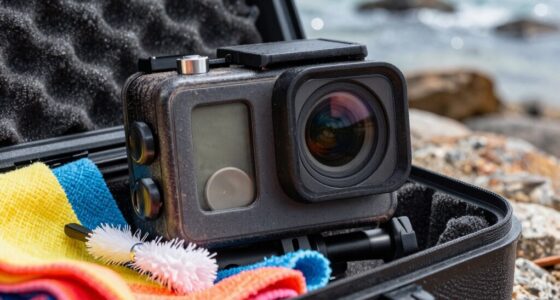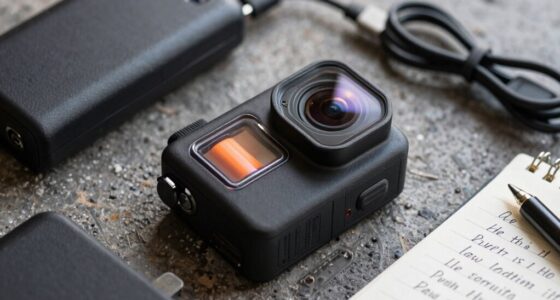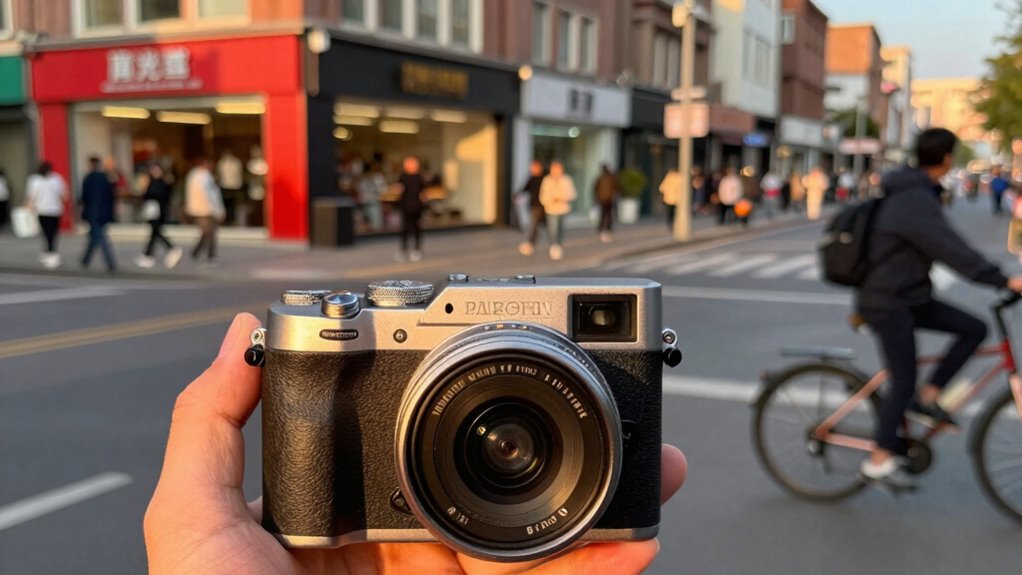

To tell a better story with small cameras, focus on mastering lighting, framing, and composition. Use natural light during golden hour and experiment with indoor sources to create shadows and mood. Apply the rule of thirds, shoot close-ups, and use angles creatively to evoke emotion. Pay attention to background details and turn technical limitations into creative strengths. If you stick with these techniques, you’ll discover how to elevate your storytelling and make every shot count.

Get sports gear delivered free with Prime
- Fast, free delivery on millions of items
- Prime Video, Amazon Music and more included
- Member-only deals all year
Key Takeaways
- Use natural light during golden hour to add warmth and emotional depth to your shots.
- Apply the rule of thirds and close-ups to create balanced compositions and highlight emotional details.
- Leverage creative lighting, shadows, and contrasts to evoke specific moods and focus viewer attention.
- Adjust angles and backgrounds to isolate subjects and enhance storytelling, even with sensor limitations.
- Focus on deliberate, thoughtful framing and lighting to maximize the narrative impact of small camera setups.
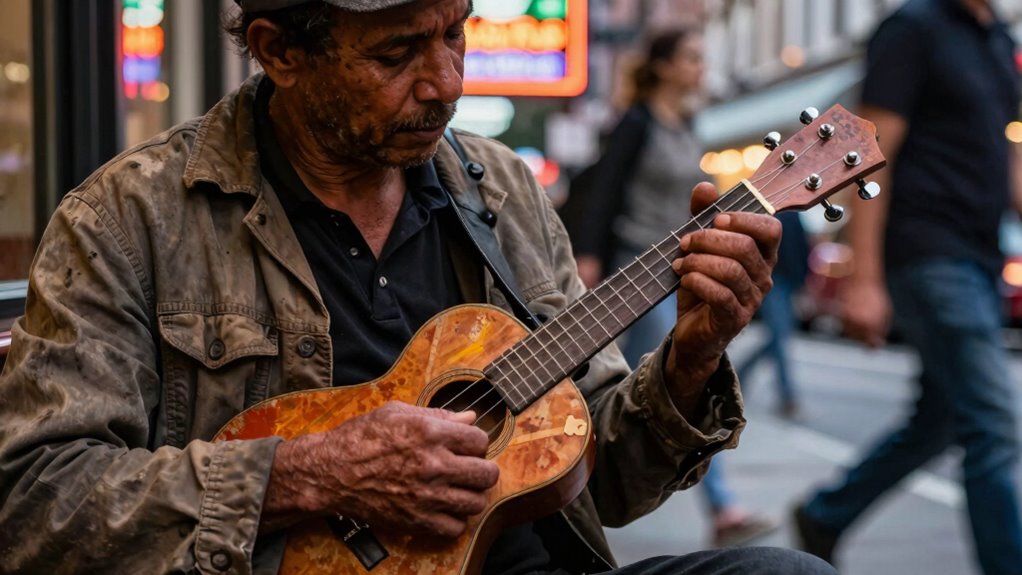
Have you ever wondered how small cameras can tell powerful stories? It’s all about how you use the tools at your disposal. Even with limited equipment, you can craft compelling visuals by mastering fundamental techniques like lighting and framing. These elements shape your story’s mood, guide your viewer’s eye, and evoke emotional responses, regardless of the camera’s size.
Lighting techniques are your best allies. You don’t need expensive gear to create dramatic effects—just a keen eye and some creativity. Use natural light to your advantage; shooting during golden hour can add warmth and depth to your scenes. If you’re indoors, experiment with available light sources, like lamps or candles, to cast interesting shadows and highlight key moments. Remember, contrast is powerful. Brightly lit faces against darker backgrounds can emphasize emotion, while silhouette shots can add mystery. Play with shadows and highlights to draw attention to what matters most, and don’t be afraid to underexpose or overexpose intentionally to evoke specific feelings. Good lighting sets the tone and can turn simple footage into something visually striking.
Framing strategies are equally essential. Small cameras often have limited sensors, but you can compensate by carefully composing each shot. Use the rule of thirds to create balanced, engaging images, placing your subject off-center to lead the viewer’s eye naturally. Close-ups can reveal intimate details and emotional nuances, while wide shots establish context and environment. Think about how you position your camera—low angles can make characters seem powerful, whereas high angles might convey vulnerability. Leading lines, like roads or fences, can direct attention toward your subject and add depth to your scenes. Additionally, consider the background; cluttered or distracting backgrounds can pull focus away from your story, so choose angles and framing that isolate your subject or tell more about the setting. Recognizing the importance of camera size and its impact on storytelling allows you to adapt your techniques creatively. With a little knowledge of lighting and framing, you can craft more compelling narratives regardless of your equipment. Another valuable aspect to consider is how sensor limitations influence your shot composition and overall visual style, encouraging you to think creatively within constraints. Exploring ways to maximize small sensor capabilities can help you turn technical limitations into storytelling strengths.
Combining smart lighting and framing strategies allows you to tell richer stories with small cameras. Instead of relying solely on technical perfection, focus on how these elements serve your narrative. Be intentional with each shot—think about what emotions you want to evoke and how your composition can support that. Small cameras demand a creative approach, but they also grant flexibility and intimacy that larger equipment often can’t match. With practice, you’ll discover that the power to tell compelling stories isn’t in the size of your camera but in how skillfully you use what you have. Through deliberate lighting and framing, you can elevate your storytelling and truly connect with your audience.
small camera tripod for vlogging
As an affiliate, we earn on qualifying purchases.
As an affiliate, we earn on qualifying purchases.
Frequently Asked Questions
What Are the Best Small Cameras for Storytelling?
You should consider small cameras like the Sony RX100 VII or Canon G7X Mark III for storytelling. They excel in creative framing, allowing you to capture dynamic shots easily. Their compact size helps you stay discreet, letting you focus on narrative techniques without drawing attention. Use their versatility to experiment with angles and perspectives, creating more engaging stories. These cameras empower you to craft compelling visuals, even in tight or challenging environments.
How Do Small Cameras Compare to Smartphones for Filming?
Small cameras generally outperform smartphones in camera ergonomics, giving you better control and stability for filming. They often have larger sensors, resulting in higher image quality and more cinematic depth. Plus, small cameras usually offer better audio quality options, including external mic inputs, which smartphones lack. This makes them more versatile for storytelling. While smartphones are convenient, small cameras give you more professional tools to craft compelling, polished videos.
Can Small Cameras Handle Low-Light Conditions Effectively?
Did you know that small cameras with larger sensors perform up to 40% better in low-light conditions? You’ll find that sensor performance is essential for capturing clear, detailed images when lighting’s limited. Coupled with lens versatility, small cameras can handle low-light scenes effectively, allowing you to shoot more creatively without sacrificing quality. This makes them a smart choice for storytellers who want flexibility and quality in challenging lighting situations.
What Accessories Enhance Small Camera Storytelling?
To enhance your storytelling with small cameras, choose accessories that boost compatibility and creativity. Use external microphones for clearer audio, and consider compact stabilizers to improve shot stability. Lens attachments can add versatility, while portable lights help in low-light scenes. These accessories expand your storytelling techniques, allowing you to capture more dynamic, professional-looking footage. Always verify accessory compatibility with your camera to guarantee seamless integration and maximize your creative potential.
How to Stabilize Footage With Small Handheld Cameras?
You can stabilize footage with small handheld cameras by mastering stabilization techniques like using a gimbal or monopod, which drastically reduce camera shake. If you don’t have extra gear, try keeping your elbows close to your body and moving smoothly to minimize shake. Even simple post-production stabilization tools can help. Don’t let fear of camera shake hold you back—practice these techniques, and your footage will look professional and steady every time.
As an affiliate, we earn on qualifying purchases.
Conclusion
With small cameras in your hands, you hold the power to craft compelling stories that resonate. Focus on your vision, stay steady, and let your creativity shine through every shot. Remember, it’s not about the gear but how you use it—like a master chef turning simple ingredients into a delicious dish. Trust your instincts, stay persistent, and you’ll find that big stories can be told with even the tiniest tools, proving that size isn’t everything.
As an affiliate, we earn on qualifying purchases.
camera accessories for storytelling
As an affiliate, we earn on qualifying purchases.
As an affiliate, we earn on qualifying purchases.
Halloween Picks
halloween
As an affiliate, we earn on qualifying purchases.