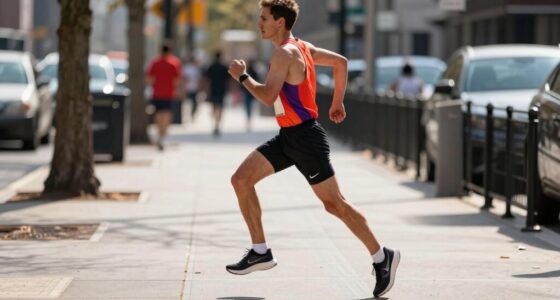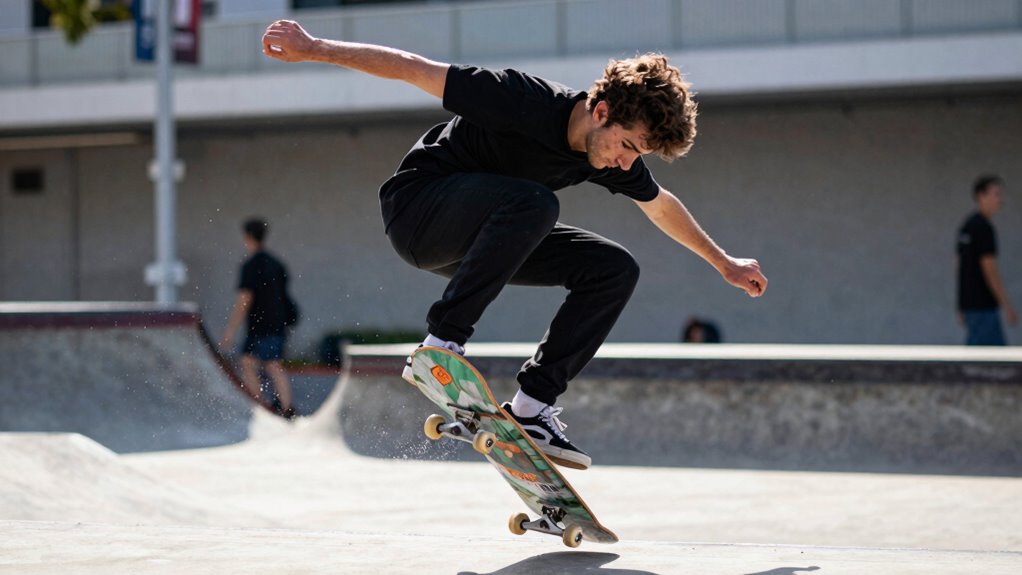

To freeze motion without underexposing or missing the moment, use a fast shutter speed of at least 1/1000 sec and set your camera to continuous autofocus mode to track quick subjects. Brighten your shot with adequate lighting or higher ISO settings, but watch for noise. Adjust aperture to balance exposure. Employ burst mode to capture multiple frames, increasing your chances of getting the perfect shot. For more tips, you’ll discover how to fine-tune your settings for sharp, well-lit images.
Key Takeaways
- Use a shutter speed of at least 1/1000 sec to freeze motion without sacrificing exposure.
- Increase ISO cautiously to brighten images while maintaining image quality.
- Open the aperture wider (e.g., f/2.8) to allow more light and support faster shutter speeds.
- Employ good lighting or add external light sources to prevent underexposure at high shutter speeds.
- Use exposure compensation if needed to adjust brightness without affecting motion freeze.

QILOVE Global Shutter USB Camera, 800P Monochrome Ultra High Speed
- Adjustable Frame Rates: 120-640fps for slow-motion capture
- Global Shutter Technology: Crisp, distortion-free high-speed images
- Monochrome CMOS Sensor: Enhanced sensitivity and contrast in low light
As an affiliate, we earn on qualifying purchases.
As an affiliate, we earn on qualifying purchases.
How to Choose the Best Camera Settings for Action Photography

Choosing the right camera settings is essential for capturing sharp, in-focus action shots. To achieve this, focus on camera stabilization to prevent blur caused by hand movement. Use a sturdy tripod or image stabilization features in your camera or lens. Lens selection also matters; opt for a fast, versatile lens with a wide aperture (like f/2.8) to let in more light and maintain fast shutter speeds. A lens with image stabilization can help achieve sharp images even in challenging conditions. Set your camera to continuous autofocus mode and select a fast shutter speed to freeze motion. Adjust ISO as needed to brighten your shot without introducing noise. These settings, combined with proper stabilization and lens choice, give you the best chance of capturing crisp, clear action shots. camera stabilization is a crucial component that can significantly impact the sharpness of your images. Additionally, understanding how to shutter speed effectively can make a significant difference in your ability to freeze motion without underexposing your photos. Properly managing exposure settings is key to achieving well-balanced images in fast-paced environments. Paying attention to camera settings overall will help optimize your shots for different lighting and action scenarios. Being familiar with these settings will also allow you to adapt quickly to changing conditions during your shoot.

Nikon AF-S DX Micro-NIKKOR 40mm f/2.8G Close-up Lens for Nikon DSLR Cameras
- Compact and lightweight design: DX-format close-up lens
- Lens construction: 9 elements in 7 groups
- Maximum reproduction ratio: 1.0x for life-size images
As an affiliate, we earn on qualifying purchases.
As an affiliate, we earn on qualifying purchases.
Using Fast Shutter Speeds to Freeze Motion Without Underexposing
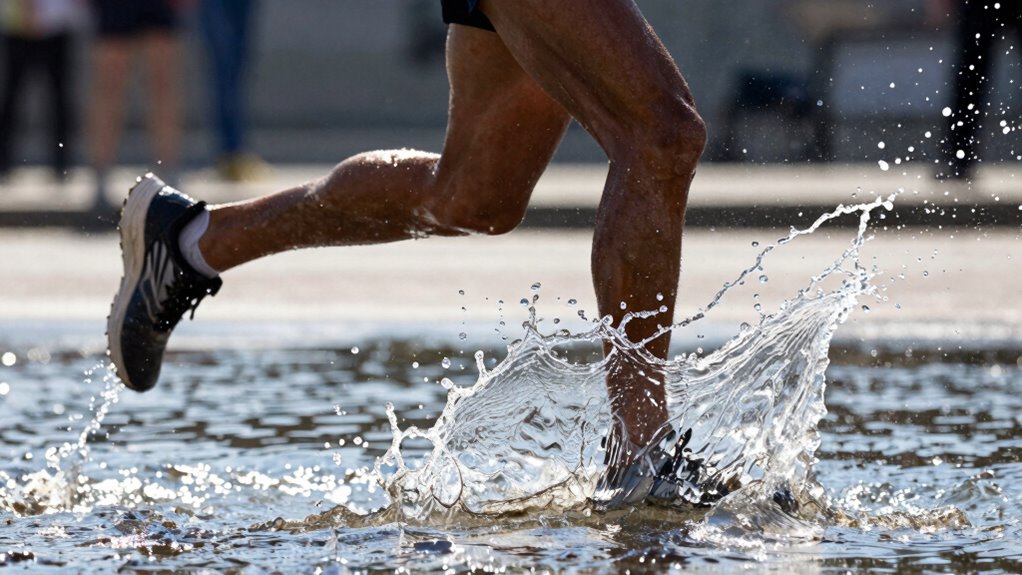
To freeze motion effectively without underexposing your images, using a fast shutter speed is essential. A quick shutter speed minimizes motion blur, capturing sharp subjects even in rapid movement. To achieve this, consider these steps:
- Set your shutter speed to at least 1/1000 sec for fast-moving subjects.
- Keep your camera steady or use a tripod to prevent unintended camera shake.
- Adjust your aperture and ISO to compensate for the reduced light from the fast shutter speed, ensuring proper exposure.
- Understanding the importance of climate resilience can help you adapt your photography practices to different environmental conditions. Additionally, being aware of how lighting conditions influence exposure can help you make better adjustments in varying environments. Recognizing sensor sensitivity is crucial to optimize your camera’s performance when using fast shutter speeds.

Amazon Basics 50-inch Lightweight Portable Camera Tripod Stand with Quick-Release Plate, Adjustable Height, Aluminum, for Travel Photography, Champagne
- Includes Storage Bag: Zippered storage for portability
- Adjustable Height: 16.1 to 50 inches with lever-lock legs
- Lightweight Aluminum: Weighs only 1.23 lbs for easy carrying
As an affiliate, we earn on qualifying purchases.
As an affiliate, we earn on qualifying purchases.
Lighting and ISO Tips for Bright, Sharp Action Shots
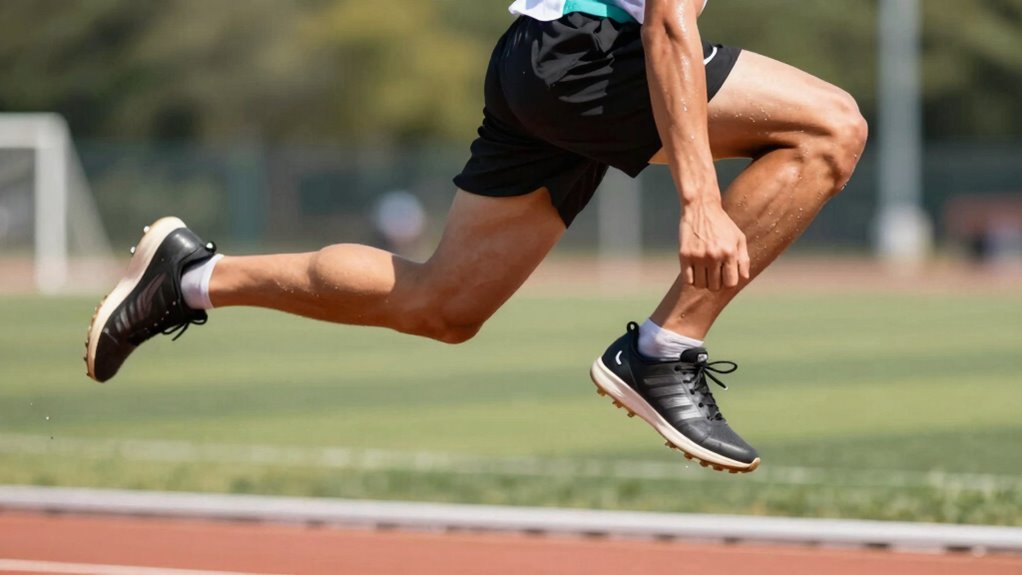
Lighting and ISO settings play a vital role in capturing bright, sharp action shots, especially when using fast shutter speeds. To maximize brightness without sacrificing sharpness, make quick lighting adjustments—add more light sources or increase existing ones. Increasing ISO can also help, but avoid going too high to prevent noise. For dynamic scenes, try creative panning; it allows you to keep your subject sharp while blurring the background, emphasizing motion. Proper lighting guarantees your camera can work with lower ISO settings, leading to cleaner images. Balance is key: brighten the scene with lighting adjustments first, then fine-tune ISO to maintain image quality. This approach helps you capture crisp, well-exposed action shots without underexposing or missing the decisive moment.

Ci-Fotto LED Video Light 2-Pack, 5600K Dimmable USB Photo Lights with Mini Tripod and Colored Filters for Photo Studios, Small Angle Shooting, Video Recording, Game Streaming
- Versatile LED Video Light: Suitable for photography, streaming, and gaming
- Complete Lighting Kit: Includes 2 LED panels, tripods, and filters
- Foldable Mini Tripod: Light, portable, with adjustable height
As an affiliate, we earn on qualifying purchases.
As an affiliate, we earn on qualifying purchases.
Balancing Exposure and Motion Freeze With Camera Settings
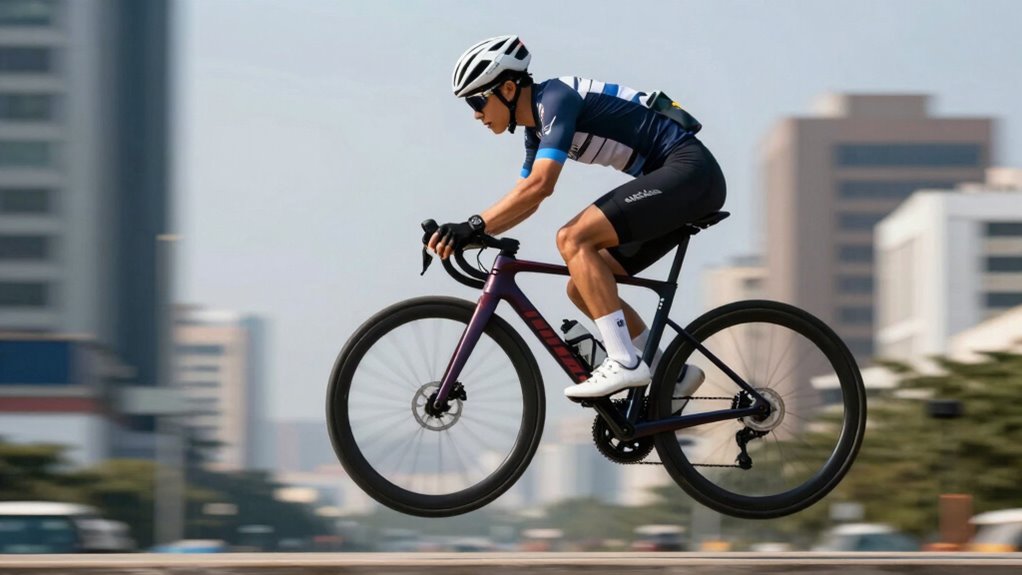
Balancing exposure and motion freeze with camera settings requires a strategic approach to guarantee you capture sharp, well-lit images without missing the decisive moment. To do this effectively:
Achieve sharp, well-lit images by mastering exposure, shutter speed, and ISO adjustments.
- Adjust shutter speed—use faster speeds to minimize motion blur while keeping enough light.
- Use exposure compensation to brighten or darken your shot, ensuring proper exposure without sacrificing motion clarity.
- Monitor your ISO settings to increase sensitivity without introducing excessive noise, especially in low light. Understanding biodiversity can help you anticipate the lighting conditions in natural habitats and adapt your camera settings accordingly.
- Consider understanding camera settings, such as aperture and white balance, to further optimize your shot and achieve the perfect balance between motion and exposure.
Autofocus and Burst Mode Tips for Perfect Timing

Mastering autofocus and burst mode can make all the difference when timing your shot perfectly. Use autofocus techniques like continuous autofocus (AI Servo or AF-C) to keep moving subjects sharp. Focus slightly ahead of the subject’s expected position to anticipate motion. Burst shooting strategies, such as holding down the shutter button, allow you to capture a series of images in quick succession, increasing your chances of getting the perfect moment. Set your camera to high-speed burst mode if available, so you don’t miss critical action. Keep an eye on focus points and select the most reliable ones for your scene. Combining these autofocus techniques with strategic burst shooting helps you freeze fast motion accurately without missing that fleeting, decisive moment. Proper camera settings can enhance your ability to capture sharp, well-exposed action shots.
Troubleshooting Common Motion-Freezing Challenges
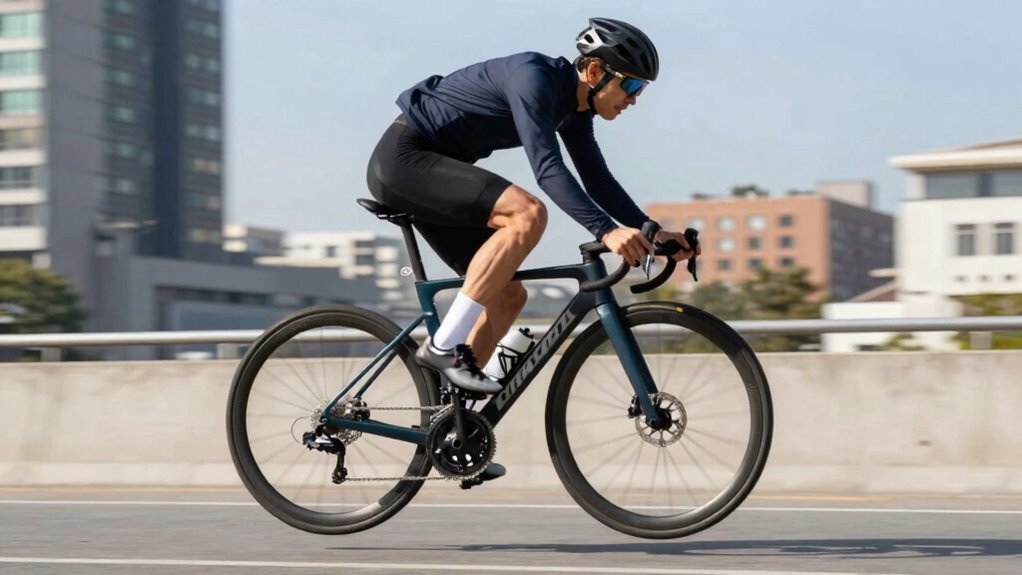
Even with the right camera settings, you might still face challenges when trying to freeze motion sharply. Common issues include motion blur, camera shake, and missed moments. To tackle motion blur, increase your shutter speed—aim for at least 1/500s for fast action. Ensuring camera stability is essential; use a tripod or stabilize yourself against a solid surface. If your images still lack sharpness, check your focus points and make sure autofocus is tracking your subject correctly. Finally, consider using image stabilization features if available. Here’s a quick checklist:
- Boost shutter speed to reduce motion blur
- Stabilize your camera to prevent shake
- Fine-tune autofocus for precise focus on moving subjects
- Understanding content can help you better anticipate moments and improve your timing.
- Learning about camera mechanics can give you an edge in adjusting settings quickly during fast-paced shoots.
- Familiarity with shutter speed adjustments allows you to respond more effectively to changing motion conditions.
- Practicing with different lighting conditions can also improve your ability to freeze motion effectively.
- Developing a strong sense of timing and anticipation can help you capture those fleeting moments with clarity.
Address these challenges directly to improve your motion-freezing results.
Frequently Asked Questions
How Does Lens Choice Impact Motion Freezing Without Underexposing?
Your lens choice impacts motion freezing by offering aperture flexibility and focal length effects. A lens with a wide maximum aperture lets you use faster shutter speeds, preventing underexposure while freezing motion. Telephoto lenses compress motion and require faster shutter speeds for sharp images, while wide-angle lenses provide greater depth of field. By selecting the right lens, you balance aperture and focal length effects, capturing sharp motion without underexposing or missing the moment.
Can You Freeze Motion Effectively in Low-Light Conditions?
Like capturing a fleeting star in the night sky, freezing motion in low light is doable. You need to master lighting techniques—use fast lenses, increase ISO carefully, and add external light sources if possible. Position your subject strategically to maximize available light, and use a steady camera or tripod. These steps guarantee you freeze motion sharply without underexposing, turning darkness into a canvas of dynamic, crisp moments.
What Role Does Shutter Lag Play in Capturing Fast Movement?
Shutter lag affects your ability to capture fast movement because it causes a delay between pressing the shutter button and the shot being taken. To minimize this, rely on quick autofocus speed and sensor synchronization, which help your camera focus swiftly and align exposure precisely. By reducing shutter lag, you increase your chances of freezing rapid motion accurately, ensuring you don’t miss those vital split-second moments.
How Do Different Sports Affect Camera Settings for Motion Freeze?
Different sports demand tailored camera settings to freeze motion effectively. You should calibrate your equipment based on the sport’s typical speed and lighting conditions. For outdoor sports, consider weather considerations like bright sunlight or rain, adjusting shutter speed and ISO accordingly. In fast-paced sports like basketball, use a high shutter speed to capture quick movements sharply. Always pre-set your camera, ensuring it’s calibrated, so you don’t miss critical moments due to improper settings.
Are There Specific Accessories That Improve Motion Capture Quality?
Yes, accessories like a sturdy tripod can greatly improve motion capture quality by ensuring tripod stability, reducing camera shake, and maintaining sharp images. Additionally, investing in a lens with quick, reliable autofocus accuracy helps you capture fast-moving subjects precisely. Using these accessories allows you to focus confidently on your shot, freeze motion effectively, and avoid missed moments, resulting in clearer, more professional-looking images.
Conclusion
Just like capturing a fleeting moment in a Van Gogh painting, mastering motion freezing requires the right balance. By choosing fast shutter speeds, adjusting ISO, and mastering autofocus, you’ll guarantee every shot is sharp and well-exposed. Remember, the key is patience and practice—each shot brings you closer to freezing your perfect moment. With these tips, you’ll be the photographer who catches time itself, turning fleeting action into timeless art.