
Many drone pilots overlook vital battery strategies that can make or break a shoot. You need to manage batteries carefully, calibrate regularly, and monitor temperature to avoid unexpected power loss or damage. Planning when and how to swap batteries guarantees smooth flights, while sticking to a proper charging routine extends their lifespan. Pay attention to common mistakes, and you’ll stay prepared and safe. Keep going, and you’ll discover essential tips to keep your batteries performing at their best.

Get sports gear delivered free with Prime
- Fast, free delivery on millions of items
- Prime Video, Amazon Music and more included
- Member-only deals all year
Key Takeaways
- Always calibrate batteries before shoot day to ensure accurate power readings and avoid mid-flight surprises.
- Plan for extra batteries and staggered swaps to prevent downtime during critical shots.
- Store batteries at optimal temperature and charge levels to preserve capacity and safety during extended shoots.
- Regularly log battery performance to anticipate replacements and maintain reliable power management.
- Avoid last-minute charging or storage mistakes by establishing a routine for calibration, charging, and inspection beforehand.
As an affiliate, we earn on qualifying purchases.
Why Proper Battery Management Matters for Drone Shoots

Proper battery management is essential for guaranteeing your drone shoot runs smoothly and efficiently. You want your batteries to deliver consistent power, which starts with proper battery calibration. Regular calibration ensures the battery’s charge indicators are accurate, preventing unexpected power loss mid-flight. Power conservation is equally important; managing your energy use by avoiding unnecessary drone movements and limiting high-power functions helps extend battery life. Additionally, understanding battery health and how it impacts performance can help you take better care of your batteries over time. Being aware of battery maintenance routines can further prolong your batteries’ lifespan. Proper battery calibration not only improves performance but also enhances safety during flights. By maintaining optimal battery health through calibration and mindful power consumption, you reduce the risk of mid-shoot failures or crashes. Implementing routine battery checks can also help identify potential issues before they cause disruptions. Proper management also means planning for extra batteries, so you’re never caught off guard. Also, maintaining a detailed battery log can assist in tracking performance trends and predicting when batteries might need replacement. Ultimately, diligent battery management keeps your drone operational longer, minimizes downtime, and guarantees you get the shots you need without interruptions.
extra drone batteries for filming
As an affiliate, we earn on qualifying purchases.
As an affiliate, we earn on qualifying purchases.
How Temperature Affects Your Drone Battery Life
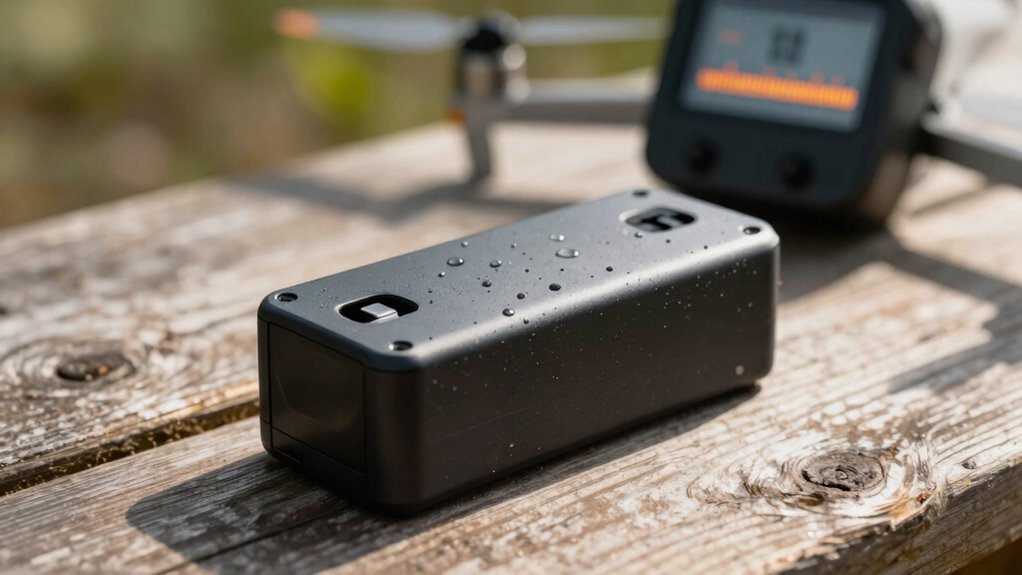
Temperature plays a significant role in how long your drone batteries last during a shoot. When temperatures are too high or low, it impacts battery chemistry and thermal stability, reducing overall performance. Cold temperatures slow down chemical reactions, leading to decreased capacity and shorter flight times. Conversely, excessive heat can cause batteries to overheat, risking damage and potential safety issues. Being mindful of these effects helps you optimize battery life and avoid surprises. Additionally, extreme temperatures can also affect thermal stability, further compromising battery health. Proper temperature management can help maintain your batteries’ performance consistency throughout the shoot. Understanding how temperature variations influence battery chemistry enables better planning and safer operation. Recognizing the importance of thermal regulation is essential for prolonging battery lifespan during demanding shoots, especially when using temperature-sensitive equipment.
drone battery temperature monitor
As an affiliate, we earn on qualifying purchases.
As an affiliate, we earn on qualifying purchases.
When and How to Swap Batteries During Your Flight

Knowing when to swap batteries during your flight is essential to maintaining ideal drone performance and avoiding unexpected power loss. Keep an eye on your battery’s voltage and remaining capacity; once they drop below recommended levels, it’s time to land and swap. Before swapping, perform a quick battery calibration to guarantee accurate readings and prevent false alerts. Use proper storage techniques—cool, dry, and partially charged—to prolong battery life between flights. During the swap, handle batteries carefully, avoiding damage or dirt contact. Make sure the new battery is fully charged and calibrated before installing it. Regularly check your batteries’ health and keep a log to track performance. Battery management is crucial for ensuring your drone remains reliable throughout your shoot. Maintaining proper battery storage techniques can significantly extend your battery’s lifespan. This disciplined approach ensures smooth progressions, minimizes risks, and keeps your drone ready for successful shoots. Additionally, understanding the importance of battery lifespan can help you plan replacements more effectively, ensuring optimal performance over time. Properly monitoring battery performance can also help identify early signs of degradation, preventing unexpected failures. Recognizing the signs of battery degradation early allows for timely maintenance or replacement, saving you from potential flight disruptions.
professional drone battery charger
As an affiliate, we earn on qualifying purchases.
As an affiliate, we earn on qualifying purchases.
How to Plan Your Charging Schedule for Better Battery Performance
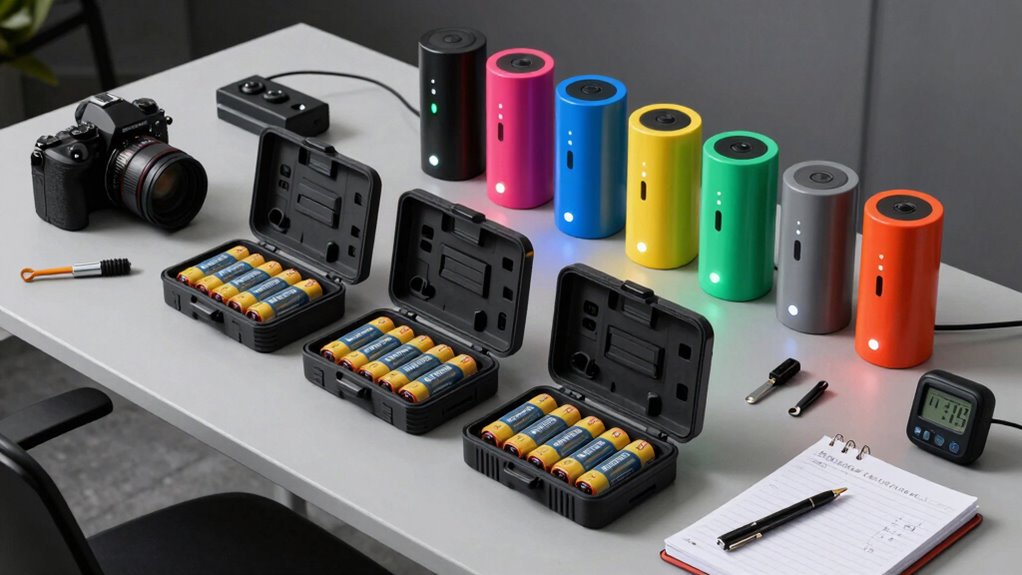
Planning your charging schedule carefully can profoundly boost your drone’s battery performance throughout a shoot day. To maximize efficiency, use designated charging stations during downtime, ensuring batteries are ready when needed. Regular battery calibration helps maintain accurate capacity readings, extending overall lifespan. Keep track of charging times and avoid overcharging to prevent capacity loss. Additionally, understanding social norms around battery handling can promote better teamwork and safety during the shoot. Proper battery maintenance practices, including following recommended charging protocols, are essential for optimal performance. Consistently applying these best practices ensures your batteries stay in top condition and ready for critical moments. Implementing a structured charging routine can further enhance your workflow and minimize downtime. Incorporating preventative measures such as monitoring charging cycles can help identify potential issues early, ultimately prolonging battery life. Here’s a simple plan:
| Time of Day | Action | Notes |
|---|---|---|
| Morning | Charge batteries fully | Use charging stations |
| Midday | Calibrate batteries | Check for capacity |
| Afternoon | Top off as needed | Avoid overcharging |
| Evening | Store batteries properly | Prepare for next day |
This schedule keeps batteries healthy and ready, reducing surprises during critical moments.
Common Mistakes to Avoid When Managing Drone Batteries
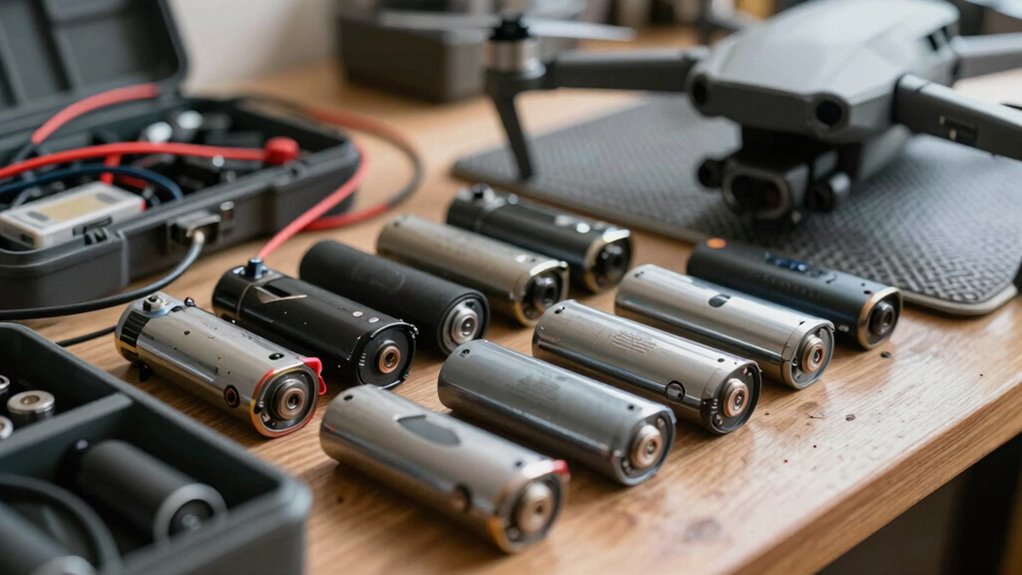
One common mistake is neglecting to monitor battery levels consistently, which can lead to unexpected power loss during vital moments. Failing to perform regular battery calibration can result in inaccurate readings, causing you to overestimate remaining flight time. Additionally, improper storage techniques—like leaving batteries fully charged or completely drained—can degrade their lifespan. Always store batteries in a cool, dry place and consider partial charges if you’re not using them for a while. To maximize battery longevity, it’s important to understand battery maintenance and implement proper care routines. Regularly checking battery health can help identify potential issues before they impact your shoot. Incorporating advanced charging techniques, such as using specialized chargers, can further help maintain battery health. Understanding battery performance and how it can fluctuate over time is crucial for planning your drone shoots effectively. Being aware of battery capacity fluctuations allows you to better anticipate flight times and avoid surprises. By paying attention to proper storage methods and routine calibration, you guarantee your batteries stay healthy, reliable, and safe, preventing avoidable mishaps during your shoot day.
Frequently Asked Questions
How Many Spare Batteries Should I Carry for a Typical Drone Shoot?
You should carry at least two to four spare batteries for a typical drone shoot. Make sure your batteries are compatible with your drone model to avoid issues. Always check battery compatibility before the shoot and keep an eye on charge levels. Use a reliable charger and prioritize charger safety to prevent overheating or damage. Having extras guarantees longer flight time and smoother coverage, making your shoot more successful and stress-free.
What Signs Indicate My Drone Battery Is About to Fail?
Like a vintage radio losing signal, your drone battery shows signs of failure through reduced flight time and inconsistent power. You’ll notice quick drops in voltage during operation, or the battery won’t hold a full charge after several charging cycles. Keep an eye on battery calibration; if readings seem off or the battery heats excessively, it’s time to replace. Regularly monitor these signs to prevent unexpected shutdowns mid-shoot.
Can I Use Third-Party Chargers for My Drone Batteries?
You can use third-party chargers for your drone batteries, but make certain they’re compatible and meet safety standards. Check battery compatibility before connecting, as incompatible chargers can damage batteries or cause safety hazards. Always prioritize charging safety by using reputable third-party chargers with proper certifications. Avoid cheap or unbranded options, and follow manufacturer instructions carefully. Proper charging practices help extend battery life and keep your drone shoot days smooth and safe.
How Does Altitude Impact Battery Performance During Flights?
Altitude effects can considerably influence your drone’s battery performance. As you fly higher, lower air pressure and cooler temperatures can reduce battery efficiency, causing faster power drain. You might notice your drone’s flight time shortening unexpectedly at higher altitudes. To mitigate this, monitor your battery levels closely, keep batteries warm if possible, and plan for shorter flights. Being aware of altitude effects helps you optimize your drone’s performance and avoid unexpected power loss.
Are There Specific Storage Practices to Extend Battery Lifespan?
To extend your drone battery’s lifespan, you should store it properly. Keep the battery at a moderate storage temperature, ideally around 50% charge, to prevent capacity loss. Regularly calibrate your batteries to guarantee accurate readings. Avoid extreme heat or cold, as temperature fluctuations damage the cells. Proper storage and calibration help maintain peak performance, meaning your batteries last longer and perform reliably during all your drone shoots.
Conclusion
Mastering battery planning might seem like a small detail, but it’s really the secret ingredient to smooth drone shoots. With a little foresight and attention, you’ll avoid those pesky surprises and keep your flights flying high. Think of it as giving your drone a gentle nudge in the right direction—making sure every shot counts without unnecessary hiccups. In the end, a well-planned battery strategy lets your creativity soar without a hitch.
NFL season / tailgating Picks
team gear
As an affiliate, we earn on qualifying purchases.