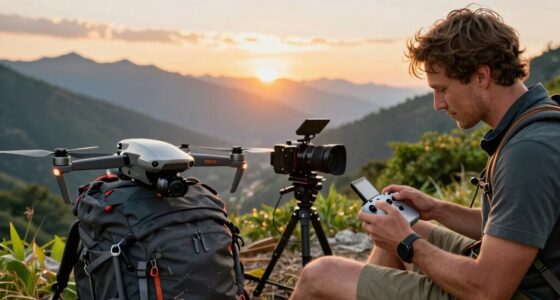
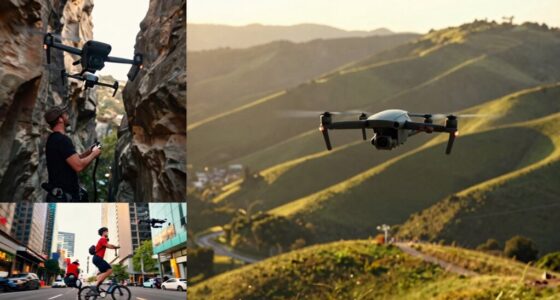
To improve your storytelling with drone shots, learn to use key types like sweeping aerial shots for establishing scenes, reveal shots to build suspense, and orbit shots to emphasize subjects dynamically. Incorporate wide angles for context, top-down perspectives for scale, and close-ups for detail and emotion. Mastering smooth camera movements like tracking and follow shots helps convey mood and tension. Keep practicing your planning and execution skills—if you continue exploring, you’ll uncover even more ways to craft compelling stories.
Key Takeaways
- Use sweeping aerial shots to establish scene context and set a grand tone for storytelling.
- Incorporate reveal shots to build suspense and emphasize important details gradually.
- Apply orbit shots around subjects for dramatic emphasis and dynamic visual interest.
- Match shot types and angles to scene mood to evoke specific emotions and enhance narrative impact.
- Combine wide, detail, and top-down shots to add variety, depth, and clarity to your storytelling.
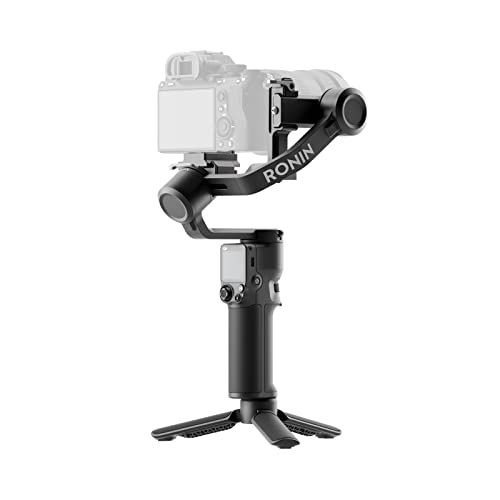
DJI RS 3 Mini, Camera Gimbal Stabilizer, Canon/Sony/Nikon/Fujifilm
- Lightweight and Portable: 795g for easy travel and extended use
- Wide Compatibility: Supports cameras up to 2kg (4.4 lbs) with various lenses
- Bluetooth Shutter Control: Remotely control photo and video recording
As an affiliate, we earn on qualifying purchases.
As an affiliate, we earn on qualifying purchases.
What Are the Most Common Drone Shot Types for Storytelling

When it comes to storytelling with drones, choosing the right shot type can considerably enhance your narrative. You need to take into account drone regulations to make sure your shots are legal and safe. Popular shot types include the sweeping aerial shot, which provides a grand view of the scene, and the reveal shot, which uncovers details gradually. Another common shot is the orbit, circling around a subject to add drama. Keep in mind your drone’s battery life, as complex shots require careful planning to avoid losing power mid-flight. Short, well-planned shots often work best, especially if you’re new to drone flying. Understanding these common shot types helps you craft compelling stories while respecting drone regulations and managing your drone’s battery life efficiently. Being aware of drone shot types can also inspire more creative storytelling techniques. Additionally, mastering various shot types can help you adapt to different environments and storytelling needs, ensuring your footage remains engaging and dynamic.

Drone with 4K Camera for Adults – B16 GPS Under 250g, Brushless Motor, Lightweight and Foldable RC Quadcopter for Beginners Toys Birthday Present, 50 Mins Long Flight
- No Registration Needed: Less than 249g, no pilot certificate required
- Dual Positioning System: GPS and optical flow for stable flight
- Automatic Return Home: One-click return on signal loss or low battery
As an affiliate, we earn on qualifying purchases.
As an affiliate, we earn on qualifying purchases.
How to Choose the Best Drone Shot for Your Scene

When selecting the right drone shot, think about how it matches the mood you want to convey. Consider the scene composition to highlight key elements, and choose camera movements that enhance storytelling. By focusing on these points, you’ll create shots that effectively support your scene’s message. Incorporating innovative filming techniques can also add a dynamic and engaging touch to your visuals.
Match Shot To Mood
Choosing the right drone shot depends on the mood you want to convey, as different angles and movements evoke distinct emotions. For a feeling of serenity, use slow, sweeping shots combined with soft color grading. To create tension or suspense, opt for quick, high-angle shots paired with intense sound design. The shot’s movement and framing should match the scene’s emotional tone, enhancing storytelling. Use this table to guide your choices:
| Mood | Recommended Drone Shot Style | Key Elements |
|---|---|---|
| Calm & Peaceful | Smooth, slow circling shots with warm color grading | Light sound design, gentle movements |
| Tension & Drama | Rapid, high-angle shots with stark contrast colors | Sharp sound cues, jittery movements |
| Joy & Excitement | Dynamic, low-to-high transitions with vibrant colors | Upbeat sound design, energetic moves |
Understanding how different camera angles influence viewer perception can further refine your storytelling approach.
Consider Scene Composition
Selecting the right drone shot requires careful consideration of the scene’s composition. You need to analyze the placement of key elements, such as characters, objects, and background details, to decide the best angle and framing. Think about how the shot will enhance the story’s mood, which can be amplified through color grading. Bright, saturated colors might evoke energy, while muted tones create tension or calm. Incorporate sound design elements to complement the visuals, guaranteeing the audio supports the scene’s emotional tone. A well-composed shot guides the viewer’s eye naturally and creates a cohesive visual narrative. By paying attention to scene composition, you guarantee the drone shot emphasizes the story’s core, making every frame purposeful and impactful.
Think About Camera Movement
The way your drone moves can dramatically influence how viewers experience a scene, so it’s essential to contemplate the type of camera movement that best supports your storytelling. Camera techniques like pans, tilts, or tracking shots can add emotion, tension, or intimacy to your footage. Think about shot framing—whether you want a wide, sweeping view or a tight, focused shot—and choose movements that enhance those choices. For example, a slow, steady ascent can reveal scale, while a quick lateral move can create energy. Consider how movement complements the scene’s mood and narrative. Properly planned camera motion guides viewers’ attention and makes your story more engaging, so always match your drone’s movement to the scene’s purpose.

Black Accessory kit for E58 S168 JY019 Folding Quadcopter Spare Parts Remote Drone Propeller and Protective Cover and Landing Gear
- Compatible Models: E58 S168 JY019 RC Quadcopter
- Material: ABS plastic, lightweight and durable
- Design: Strong structure for reliability
As an affiliate, we earn on qualifying purchases.
As an affiliate, we earn on qualifying purchases.
Why Wide and Establishing Shots Are Essential for Setting the Scene

Wide and establishing shots set the context and scope of your scene, giving viewers a clear understanding of where the action takes place. They also enhance the visual perspective, making your footage more engaging and immersive. Plus, these shots help establish the scene’s atmosphere, setting the tone right from the start.
Creating Context and Scope
Why are wide and establishing shots so essential in setting the scene? They create context and scope, helping viewers understand the environment and story’s scale. These shots reveal key landmarks, geography, and atmosphere, anchoring your narrative. When planning, keep drone regulations in mind to avoid legal issues, and optimize your battery life to extend flight time for capturing broad shots. Use wide shots early to set the scene and establish spatial relationships.
| Shot Type | Purpose | Tips |
|---|---|---|
| Wide/Establishing | Show environment, scale, context | Plan for battery optimization, follow drone regulations |
| Medium | Focus on subjects within environment | Keep shots steady, avoid rapid movements |
| Close-up | Highlight details or emotions | Use when emphasizing specific story points |
Enhancing Visual Perspective
Using wide and establishing shots can considerably enhance your drone footage by providing viewers with a clear sense of the environment and spatial relationships. These shots set the scene and create a visual foundation for your story. They also emphasize aerial symmetry, highlighting patterns and balance in landscapes. Be mindful of perspective distortion, which can alter the viewer’s perception of scale and depth; adjusting altitude or camera angle can minimize this effect. To maximize impact, consider these ideas:
- Capture expansive landscapes to establish context.
- Use symmetry to create visually appealing compositions.
- Vary altitude to control perspective and scale.
- Avoid excessive perspective distortion by maintaining consistent angles. Additionally, understanding visual perception principles can help you craft more compelling shots that effectively communicate your story’s message.
These techniques help your audience connect with the scene and understand the story’s setting more effectively.
Establishing Scene Atmosphere
Establishing the scene’s atmosphere is essential because it immediately immerses viewers and sets the tone for your entire shot. Wide and establishing shots provide the perfect canvas to showcase the environment’s mood through color grading and weather conditions. For example, a bright, warm color palette can evoke happiness, while muted tones suggest somberness. Weather conditions like rain, fog, or sunshine dramatically influence how viewers perceive the scene’s mood. Using drone shots to capture these elements from above helps you frame the story’s setting precisely. By emphasizing these aspects early on, you give your audience context and emotional cues, making your story more compelling and immersive right from the start.
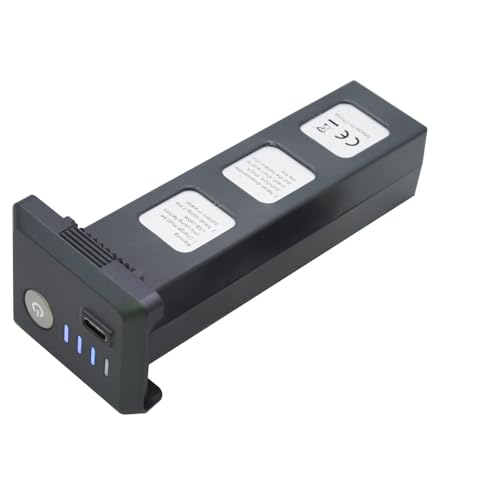
Blomiky 11.1V 3S 2600mAh 28.86Wh Li-Po Rechargeable Battery Compatible with Bwine F7GB2 75 Mins 9800FT SJRC F7 F7S RC Quadcopter Drone / F7
- High Capacity Battery: 11.1V 3S 2600mAh Li-Po
- Long Flight Time: Approximately 25 minutes
- Capacity Level Indicator: Shows charging status
As an affiliate, we earn on qualifying purchases.
As an affiliate, we earn on qualifying purchases.
How Moving Shots Help Convey Emotion and Build Tension
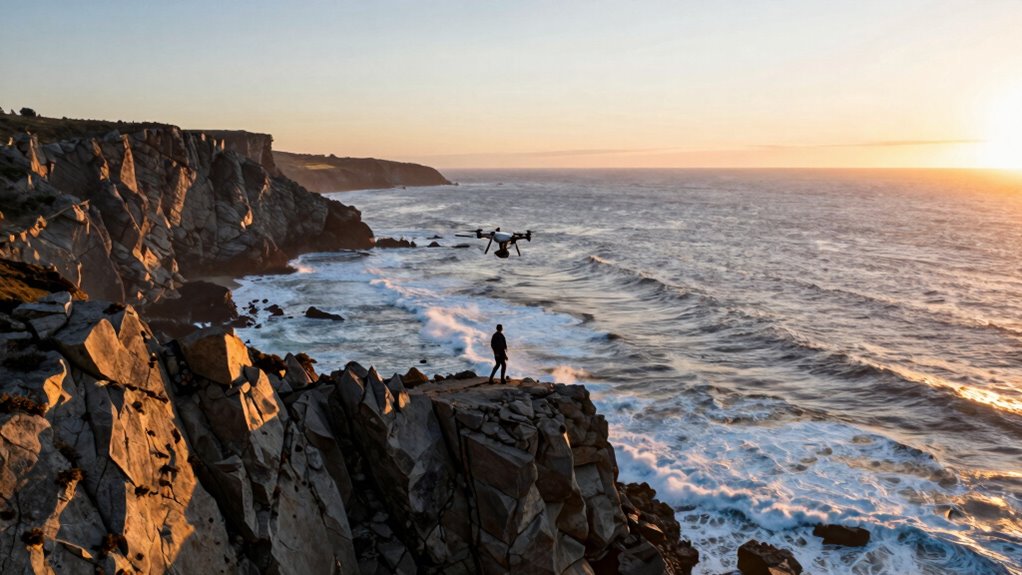
Moving shots are powerful tools for conveying emotion and building tension because they immerse viewers in the scene and evoke a visceral response. By tracking characters or following action, you create emotional resonance that connects the audience deeply. Moving shots also heighten tension building, as they can accelerate the scene’s pace or create a sense of anticipation. Additionally, incorporating camera stabilization techniques ensures smooth footage, enhancing viewer comfort and focus during dynamic shots. Properly planning shot movements can further optimize the storytelling impact, making each shot more intentional and effective. Using shot composition thoughtfully can help guide audience focus and enhance the emotional tone of each scene. Incorporating visual storytelling principles ensures that every movement contributes meaningfully to the narrative. To maximize the impact of moving shots, understanding the role of emotion in storytelling can help you craft scenes that resonate more deeply with viewers.
When and Why to Use Top-Down and Bird’s Eye Perspectives
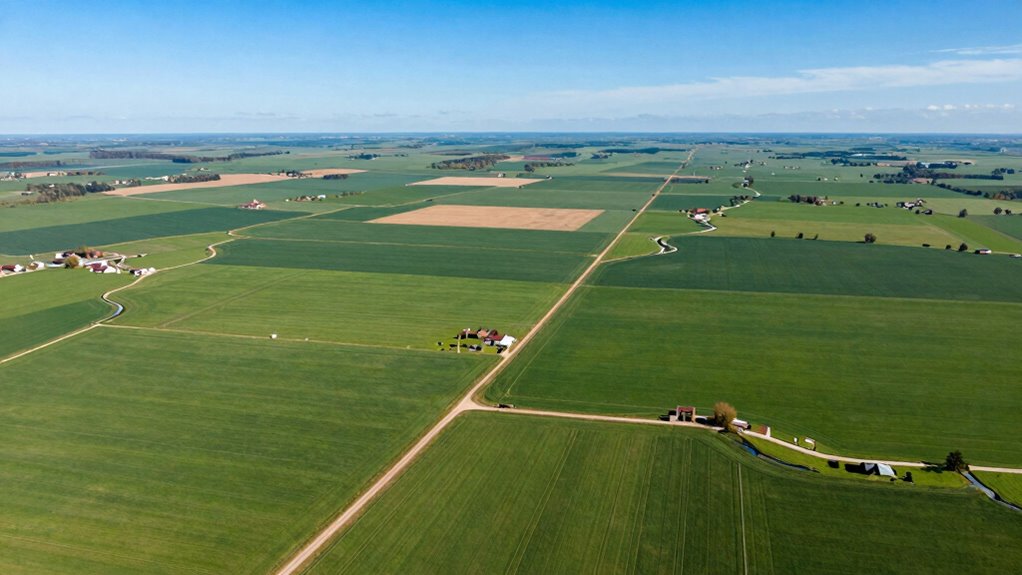
Top-down and bird’s eye perspectives offer a unique vantage point that can dramatically influence how your story is perceived. Use these shots when you want to emphasize scale, isolation, or the environment’s grandeur. They’re especially effective during moments with a striking sky gradient, highlighting the contrast between land and sky. Proper drone calibration ensures smooth, stable footage, which is essential for capturing clean top-down shots. Consider using these perspectives when revealing relationships between subjects and their surroundings or when establishing mood. They can also help you convey a sense of detachment or overview, making them perfect for establishing shots or scenes that need a sense of space. Use them thoughtfully to add visual impact and deepen your storytelling.
How to Use Tracking and Follow Shots to Enhance Your Narrative
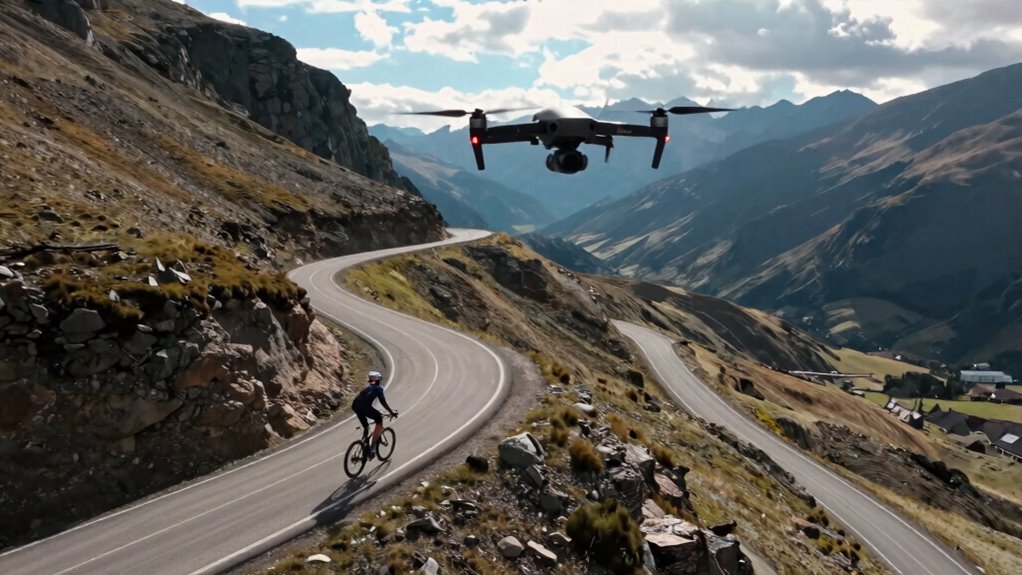
Tracking and follow shots are powerful tools that can bring your story to life by creating a sense of movement and immersion. They help emphasize key moments and guide the viewer’s attention. To maximize impact, focus on dynamic framing, keeping your subject centered or balanced with surroundings. Use aerial symmetry to create visually pleasing compositions, especially when the subject moves through symmetrical environments. Incorporating proper workshop equipment techniques can also ensure smoother camera movements and more professional results. Here are four ways to enhance your narrative with tracking shots:
Tracking shots create immersive, dynamic visuals that emphasize key moments and guide viewer focus through balanced, symmetrical compositions.
- Maintain smooth movement to build tension or excitement.
- Use aerial symmetry for balanced, eye-catching visuals.
- Follow your subject closely for emotional connection.
- Combine tracking with creative angles for dynamic storytelling.
Employing storytelling techniques can further elevate your visuals by aligning your shots with the narrative flow, making your story more compelling and memorable. Understanding shot composition principles can help you craft more visually engaging sequences that support your story’s message. These techniques keep viewers engaged and add depth to your story.
Creative Ways to Incorporate Close-Ups and Detail Shots
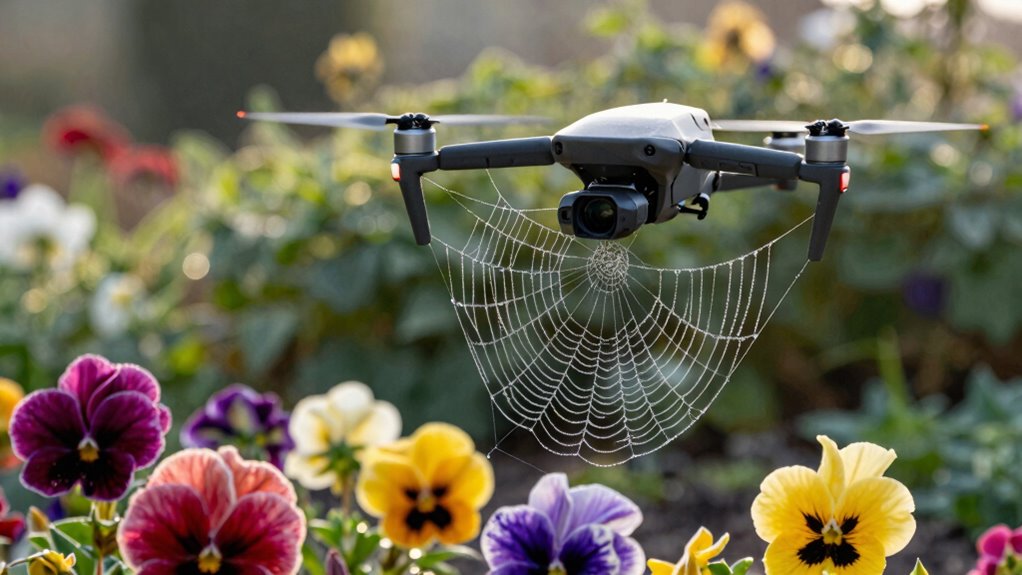
To add visual interest and emotional depth to your drone shots, incorporating close-ups and detail shots is essential. Use macro detail shots to highlight textures, patterns, or small movements that tell a story on a micro level. These shots can reveal intricate details unseen from a distance, adding layers to your footage. Emotional close-ups, on the other hand, focus on capturing expressions or objects that evoke feelings, creating a stronger connection with viewers. Combine sweeping drone footage with these tight shots to create contrast and emphasize key elements. Think about zooming in on a person’s face during a moment of emotion or focusing on a detailed object to deepen your narrative. These techniques break up the landscape and bring intimacy to your storytelling. Utilizing muscle recovery techniques can also inspire dynamic visuals that showcase movement and tension, enriching your storytelling. Exploring shot composition principles can help you better frame these close-ups to maximize their impact. Incorporating shot variety is another effective way to keep your audience engaged and highlight different aspects of your subject. Additionally, understanding camera settings can help you optimize shot quality and consistency across different scenes. Improving your understanding of shot planning can ensure your close-ups and detail shots seamlessly fit into your overall narrative.
Planning and Executing Effective Drone Shots: Tips for Success

Planning and executing effective drone shots requires careful preparation and a clear vision of your desired outcome. To succeed, focus on composition, movement, and timing.
Here are four tips:
- Use aerial symmetry to create balanced, visually appealing shots that reinforce your story’s structure.
- Adjust aerial pacing to match the scene’s mood, whether slow and steady or quick and dynamic.
- Scout locations beforehand to identify obstacles and ideal angles.
- Practice smooth movements with your drone to guarantee stable, professional-looking footage.
Avoid These Common Mistakes When Filming Drone Shots for Storytelling
Even experienced drone pilots can make mistakes that undermine the storytelling impact of their shots. One common error is ignoring unexpected weather, like sudden rain or strong winds, which can ruin footage and pose safety risks. Always check the weather forecast before flying and be prepared to postpone if conditions worsen. Another mistake is overlooking legal restrictions—flying in restricted airspace or without proper permits can lead to fines or confiscation. Stay informed about local regulations and always fly within legal boundaries. Additionally, rushing into shots without planning can result in unstable footage or missed storytelling opportunities. Take your time to plan your shots carefully, considering weather and legal factors, to guarantee your drone footage enhances your story rather than detracts from it. Being aware of drone regulations and adhering to them is crucial to avoid penalties and ensure a successful shoot.
Frequently Asked Questions
How Do Drone Shots Influence Viewer Emotional Response?
Drone shots influence your emotional response by creating aesthetic framing that draws you into the scene. They emphasize scale, depth, and perspective, making you feel more connected to the story. By capturing sweeping landscapes or intimate moments from unique angles, drone shots enhance emotional storytelling, evoking feelings of awe, vulnerability, or excitement. This visual impact guides your mood and engagement, making the narrative more compelling and memorable.
What Are the Legal Considerations for Drone Filming?
You need to be aware of legal restrictions and privacy concerns when drone filming. Always check local regulations about where and how high you can fly your drone. Respect people’s privacy by avoiding filming private property or individuals without permission. Obtain necessary permits if required, and stay updated on laws, as they can change. Following these guidelines helps you avoid fines, legal trouble, and guarantees responsible drone usage.
How Can Drone Shots Enhance Storytelling in Different Genres?
Ironically, drone shots often do the story’s heavy lifting. You can use aerial perspectives to set the scene’s mood or reveal vast landscapes, adding depth to your narrative framing. In thrillers, sweeping shots create tension, while in romances, intimate aerial views evoke emotions. Regardless of genre, drones help you craft a visual language that enhances storytelling, making your audience feel more connected to the story’s environment and characters.
What Equipment Is Best for Cinematic Drone Shots?
For cinematic drone shots, you’ll want a drone with excellent drone stabilization to guarantee smooth footage. Look for models offering adjustable camera angles so you can capture dynamic perspectives. A gimbal is essential for steady shots, especially during complex movements. Popular options include the DJI Mavic Air 2 or Phantom series, which combine reliable stabilization with flexible camera angles, helping you craft professional-quality visuals that elevate your storytelling.
How Do Weather Conditions Affect Drone Shot Quality?
Weather conditions can make or break your drone shot. When weather patterns bring wind effects, your footage may shake or become unstable, ruining the shot. Overcast skies or fog can reduce visibility and clarity, while bright sunlight causes harsh shadows. Always check the weather forecast before flying, and avoid windy days. Remember, a calm day is your best friend for smooth, cinematic shots that truly tell your story.
Conclusion
Mastering drone shot types transforms your storytelling—enhancing emotion, building tension, and setting scenes. By choosing the right shot at the right moment, you engage your audience and elevate your narrative. Planning your shots thoughtfully, avoiding common mistakes, and embracing creative angles guarantee your story soars. Remember, the power of drone cinematography lies in purpose—use each shot intentionally, and let your visuals speak, inspire, and connect. Your story’s flight begins with the shot you choose.