To fly smarter for social clips, use quick, cinematic movements with smooth, dynamic camera angles to grab attention fast. For long-form edits, focus on stable, well-composed shots with slower, controlled movements like pans and ascents to tell a story. Safety is critical in both, especially during fast maneuvers. Mastering these techniques will help elevate your footage—stay with us to learn more about flying effectively for both styles.

Get sports gear delivered free with Prime
- Fast, free delivery on millions of items
- Prime Video, Amazon Music and more included
- Member-only deals all year
Key Takeaways
- Use rapid, cinematic movements and quick shots for social clips, and slow, stable camera work for long-form edits.
- Plan shot composition and camera angles tailored to each style’s storytelling pace and visual impact.
- Prioritize safety by maintaining safe distances and controlled maneuvers during fast-paced social clip filming.
- Incorporate smooth pans and gradual ascents in long-form content to build atmosphere and depth.
- Leverage post-production techniques like color grading and layering to enhance both quick impacts and cohesive storytelling.
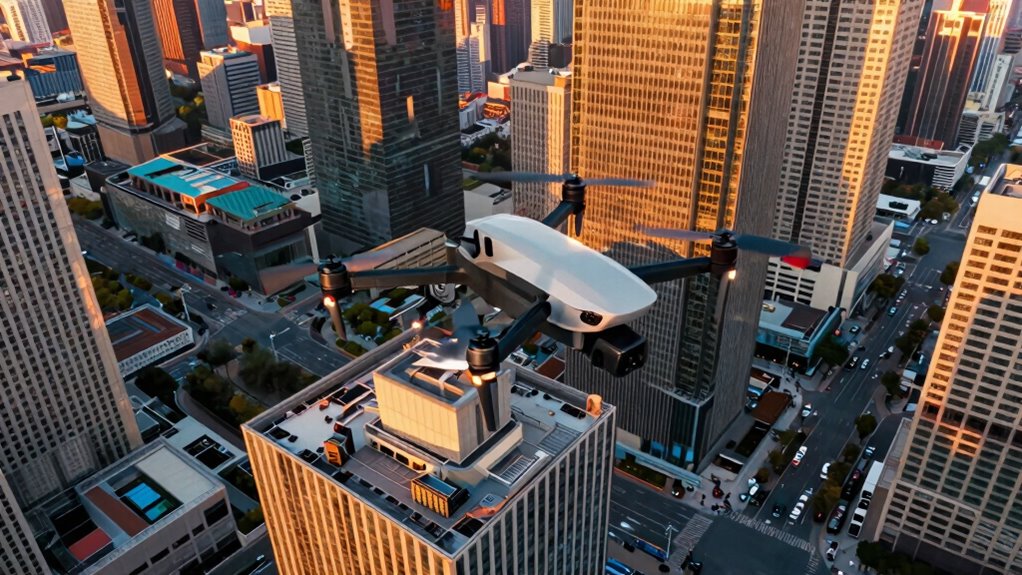
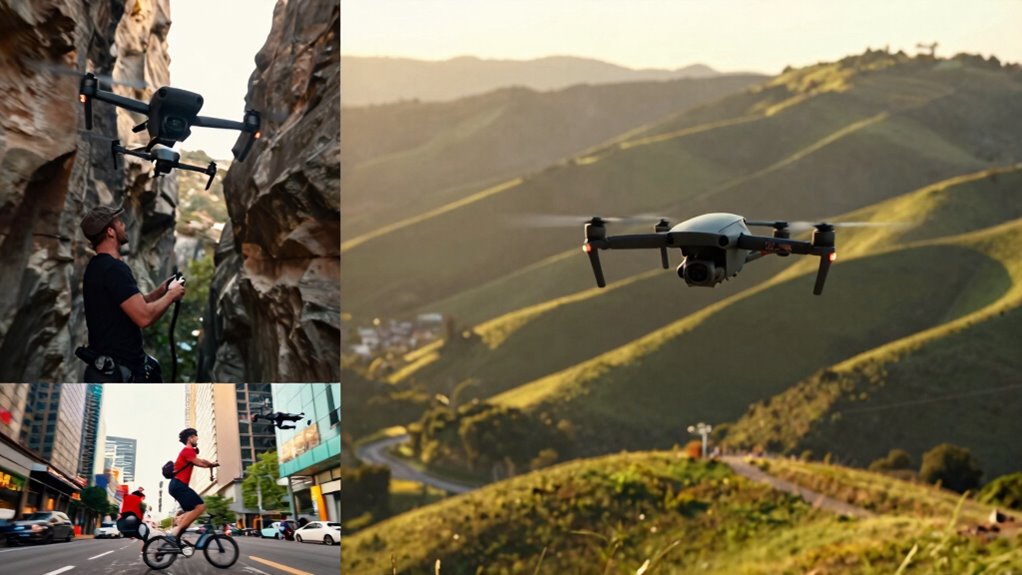
Creating social clips and long-form edits requires different approaches, even though both aim to capture your audience’s attention. When flying your drone for social clips, your focus should be on quick, eye-catching shots that immediately grab viewers. This means planning your shots carefully and prioritizing smooth, cinematic movements that work well in short bursts. You want to keep drone safety at the forefront, especially since social clips often require rapid maneuvering. Always stay aware of your surroundings, maintain a safe distance from objects, and avoid risky flying that could lead to crashes. Remember, a sudden accident can ruin your entire clip and set back your project.
Quick, safe drone shots are essential for impactful social clips—plan carefully and stay alert to avoid accidents.
In contrast, long-form edits give you more room to tell a story, so your drone flying should be more deliberate. You can incorporate slower, more stable shots that build atmosphere and depth. When flying for these projects, you might spend more time on dynamic camera movements, such as slow pans or gradual ascents, which need precise control. This is where your editing techniques come into play—by capturing high-quality footage with steady, well-composed shots, you give yourself more options in post-production. Good footage makes a big difference in creating seamless *links* and maintaining viewer engagement over time. Additionally, understanding drone safety and proper flying techniques ensures you can execute both quick and slow shots effectively without risking accidents or violations. Being familiar with aerial cinematography principles can further enhance your ability to craft visually compelling long-form content.
Regardless of the project type, mastering editing techniques is key to elevating your drone footage. For social clips, quick cuts, color grading, and adding effects can amplify the visual impact within a short timeframe. With long-form content, you can explore more complex editing techniques like layering shots, adding sound design, and creating smooth *links* that enhance storytelling. Both styles demand that you plan your shots beforehand and work with a clear vision.
professional drone camera stabilizer
As an affiliate, we earn on qualifying purchases.
As an affiliate, we earn on qualifying purchases.
Frequently Asked Questions
What Equipment Is Essential for Both Social Clips and Long-Form Edits?
You need a reliable camera, a stabilizer for smooth footage, and quality audio equipment for both social clips and long-form edits. A tripod or gimbal guarantees camera stability, while a good microphone improves audio quality. These essentials help you create professional-looking content, whether short or long. Investing in versatile gear means you’ll always be ready to capture sharp visuals and clear sound, no matter the project’s length or style.
How Do I Decide Which Editing Style Suits My Content Best?
You should choose an editing style based on your content’s narrative flow and visual consistency. If your story requires quick, engaging snippets that keep viewers hooked, social clips are ideal. For deeper storytelling with cohesive visuals and a steady flow, long-form edits work best. Consider your audience’s preferences and your content goals—this will help you decide which style aligns with your creative vision and keeps your content compelling.
What Are Common Mistakes to Avoid When Editing for Social Media?
One common mistake to avoid is neglecting visual storytelling through pacing techniques. Research shows viewers decide within seconds whether to keep watching. You should focus on engaging pacing that captures attention early, avoiding overly long scenes or slow shifts. Keep edits tight and dynamic, ensuring your story flows smoothly. This approach helps maintain viewer interest and boosts engagement, making your social media content more impactful and shareable.
How Do I Optimize Content for Different Social Platforms?
You optimize content for different social platforms by tailoring your videos to each platform’s unique style and audience engagement habits. Keep content consistent with your brand voice, but adjust formats and pacing—shorter, punchier clips for TikTok and Instagram, longer, detailed videos for YouTube. Focus on engaging visuals and captions that resonate with your audience, and make sure your message aligns with platform-specific trends to boost audience engagement.
What Metrics Should I Track to Measure Editing Success?
Ever wondered if your editing hits the mark? You should track metrics like audience engagement, including likes, comments, and shares, to see how viewers interact with your content. Also, monitor content consistency—are your posts regularly aligning with your brand and audience preferences? These metrics reveal your editing success, helping you refine your approach for better reach and impact. Are you paying enough attention to these key indicators?
high-quality drone for aerial videography
As an affiliate, we earn on qualifying purchases.
As an affiliate, we earn on qualifying purchases.
Conclusion
Remember, tailoring your approach to social clips or long-form edits can make all the difference. Did you know that videos under 60 seconds get 85% more engagement? By focusing on quick cuts and eye-catching visuals for social clips, you keep viewers hooked. Meanwhile, long-form edits reward patience with deeper storytelling. Mastering both styles means you’re more adaptable and a smarter creator—ready to capture attention everywhere and keep your audience coming back for more.
drone with advanced stabilization
As an affiliate, we earn on qualifying purchases.
As an affiliate, we earn on qualifying purchases.
compact drone for social media clips
As an affiliate, we earn on qualifying purchases.
As an affiliate, we earn on qualifying purchases.
Halloween Picks
halloween
As an affiliate, we earn on qualifying purchases.