
When planning safe takeoff and landing zones where speed matters, you must consider aircraft weight, terrain, and weather conditions carefully. Guarantee the zone is flat, obstacle-free, and stable enough to handle your aircraft’s speed and weight. Monitor wind, rain, and visibility to avoid hazards. Confirm the space is sufficient for acceleration and deceleration. Pay close attention to these factors to maintain control at high speeds, and keep your focus sharp for detailed guidance ahead.
Key Takeaways
- Prioritize assessing aircraft weight and ensure the zone can accommodate necessary speed and stopping distance.
- Select flat, firm terrain free of obstacles, debris, and hazards to facilitate safe, swift acceleration and deceleration.
- Consider prevailing wind conditions to optimize takeoff and landing paths for maximum stability.
- Conduct thorough visual inspections and safety checks to confirm the zone’s suitability under current conditions.
- Monitor weather forecasts continuously, especially wind and precipitation, to prevent unsafe speed-related complications.
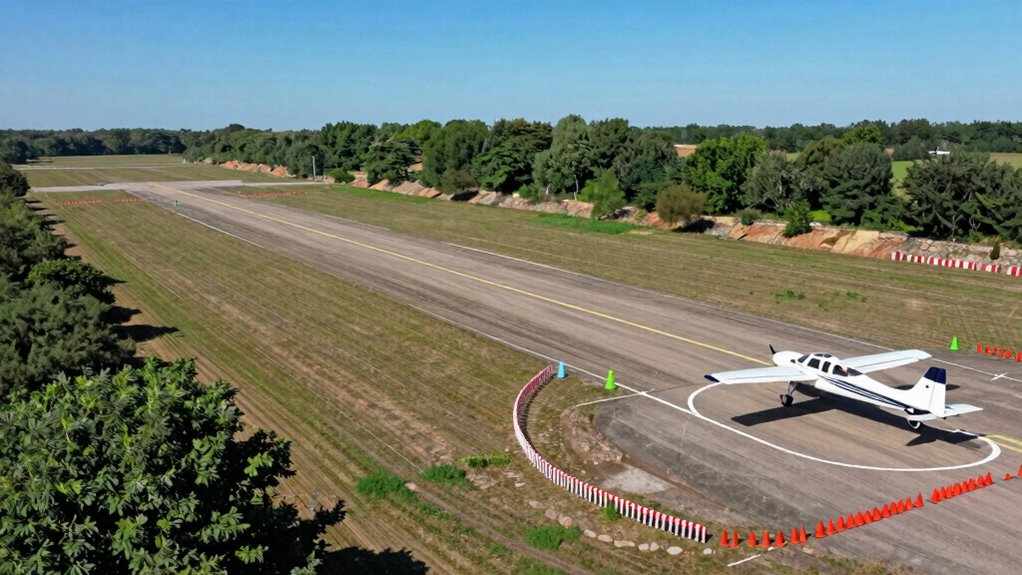
Planning safe takeoff and landing zones is crucial for guaranteeing a smooth and secure flight experience. When you select an appropriate spot, you need to weigh several factors, primarily aircraft weight and weather conditions, to avoid accidents or delays. Your aircraft’s weight directly impacts your choice of zone because heavier loads require longer runways and more careful handling during takeoff and landing. Overloading your aircraft can lead to insufficient lift, making it harder to clear obstacles or stop safely. Always verify the aircraft’s weight before planning your zone, making sure it stays within safe limits. This accurate weight assessment is essential to prevent handling issues and ensure safety during critical phases of flight. Additionally, ensuring the zone has enough space for maneuvering can significantly reduce the risk of mishaps.
Choosing a safe takeoff or landing zone depends on aircraft weight and terrain suitability.
Weather considerations are equally critical. Wind speed and direction play a major role in your planning. Strong gusts or crosswinds can make takeoff and landing more challenging, so it’s essential to choose zones that offer some shelter or are aligned with prevailing winds. Rain, snow, or fog can reduce visibility and increase the risk of hydroplaning or slipping, so you should avoid zones prone to flooding or accumulation during adverse weather. Check weather forecasts carefully and aim for conditions that favor stability, such as clear skies and calm winds. If weather conditions are unpredictable or deteriorate, be prepared to delay or reroute to a safer zone.
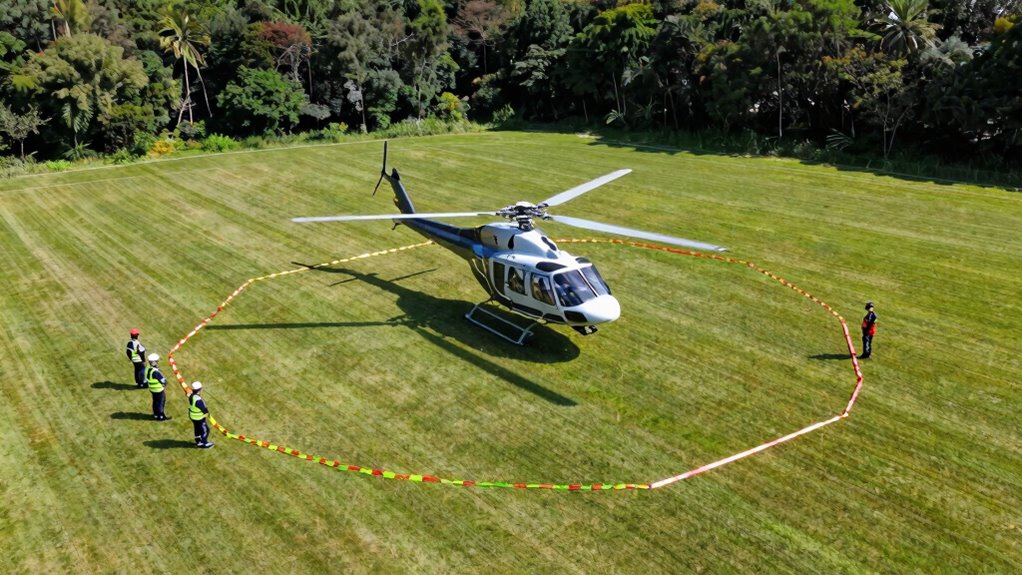
In addition, the terrain surrounding your chosen zone needs close attention. Look for flat, firm surfaces free of debris, rocks, or tall grass that could impede your aircraft’s movement. Trees, power lines, or structures nearby can pose hazards during both takeoff and landing, especially if visibility is compromised by weather. Ascertain the zone has enough space for the aircraft to accelerate safely during takeoff and decelerate during landing, factoring in aircraft weight and weather influences. A thorough site inspection can help identify potential hazards before you proceed.
Lastly, always conduct a visual inspection of the zone before use. Confirm that the surface is suitable, free of obstacles, and that weather conditions haven’t changed suddenly. Keeping these considerations in mind ensures you select a safe, reliable zone tailored to your aircraft’s weight and the current weather, making your takeoff and landing as secure as possible.
aircraft takeoff landing zone safety kit
As an affiliate, we earn on qualifying purchases.
As an affiliate, we earn on qualifying purchases.
Frequently Asked Questions
What Are the Top Common Mistakes in Takeoff and Landing Zone Planning?
You often overlook proper zone delineation, which can lead to unsafe takeoff and landing zones. Failing to clearly mark boundaries increases risk, especially during high-speed operations. You might also neglect risk mitigation strategies, such as evaluating terrain and obstacles. These mistakes can cause accidents or delays. Always guarantee precise zone delineation and implement thorough risk mitigation plans to create safer, more efficient takeoff and landing zones.
How Does Weather Impact Zone Safety Considerations?
Weather hazards and wind influence can drastically alter zone safety. You must account for sudden gusts, fog, or rain that reduce visibility and control, making takeoffs and landings riskier. Strong winds can push aircraft off course or cause turbulence, requiring adjustments in your planning. By constantly monitoring weather conditions and adapting your zone layout, you guarantee safer operations even when weather challenges threaten to compromise safety.
What Equipment Is Essential for Securing Safe Zones?
You need vital equipment like fire extinguishers, first aid kits, and signaling devices for secure zones. Regular equipment maintenance is essential to guarantee reliability during emergencies, and staying prepared with emergency preparedness plans helps you respond swiftly. Marking clear boundaries with reflective gear and confirming communication tools are functional enhances safety. By consistently maintaining equipment and reviewing safety protocols, you create a secure environment for takeoff and landing zones.
How Often Should Safety Assessments Be Updated?
You should update safety assessments regularly, ideally based on risk evaluation findings and changing conditions. A good rule is to review them at least quarterly, but more frequent updates are necessary if hazards evolve or new risks emerge. Implement a consistent frequency scheduling to guarantee your zones stay secure. Staying proactive helps you spot hazards early, adapt to new challenges, and maintain the highest safety standards for takeoff and landing zones.
Are There Specific Training Requirements for Zone Setup?
Yes, there are specific training requirements for zone setup. You need to follow established training protocols that cover zone preparation, ensuring all team members understand proper procedures. This includes hands-on practice in identifying suitable areas, marking boundaries, and managing hazards. Regular drills reinforce these skills, so everyone stays prepared. Proper training guarantees that your team can quickly and safely set up takeoff and landing zones, even under pressure.
aviation weather monitoring device
As an affiliate, we earn on qualifying purchases.
As an affiliate, we earn on qualifying purchases.
Conclusion
Now that you know how to carefully select and prepare your takeoff and landing zones, you’re basically transforming into an aviation superhero—able to conquer any terrain or obstacle with a flick of your checklist! Remember, planning isn’t just a task; it’s your secret weapon against chaos, ensuring safety even when time’s against you. So, stay vigilant, double-check everything, and keep your zones as flawless as a perfectly executed flight—because in this game, seconds truly mean everything.
As an affiliate, we earn on qualifying purchases.
pilot pre-flight safety checklist
As an affiliate, we earn on qualifying purchases.
As an affiliate, we earn on qualifying purchases.