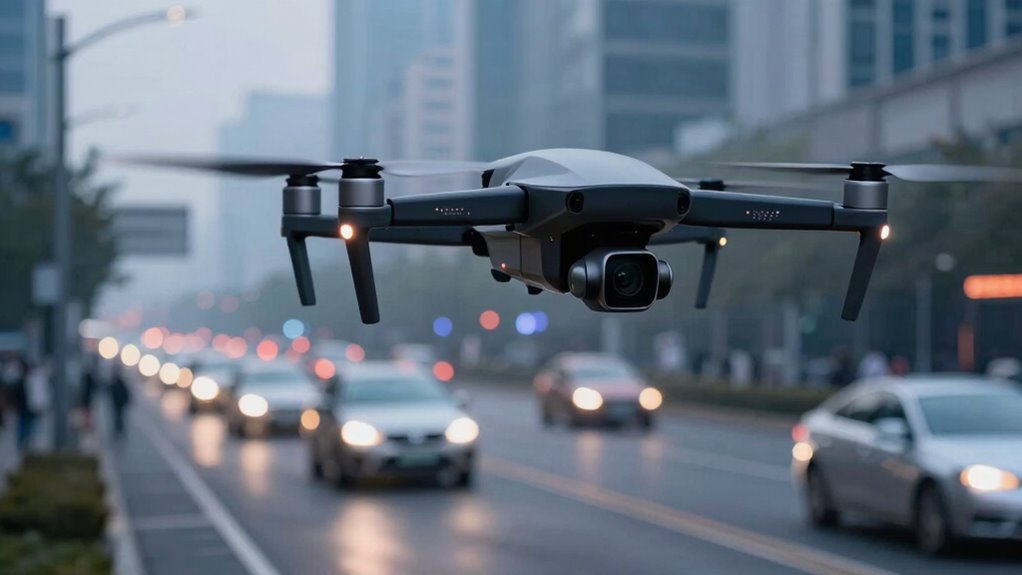
To track cars safely with a drone, you need to understand key legal, safety, and operational factors many overlook. Always check local regulations to avoid fines or confiscation, and respect no-fly zones and privacy rules. Manage your drone’s battery life carefully, especially in cold weather, and conduct pre-flight safety checks to prevent technical failures. Responsible drone use within legal boundaries ensures both safety and success. Keep these points in mind, and you’ll discover even more essential tips ahead.

Get sports gear delivered free with Prime
- Fast, free delivery on millions of items
- Prime Video, Amazon Music and more included
- Member-only deals all year
Key Takeaways
- Always check local drone regulations to ensure legal and ethical vehicle tracking practices.
- Plan flight paths considering battery life and environmental conditions to maintain continuous tracking.
- Conduct pre-flight safety checks to prevent technical failures and ensure equipment functionality.
- Avoid no-fly zones and respect privacy laws to prevent legal violations during tracking.
- Stay informed about weather and airspace restrictions to enhance safety and operational success.
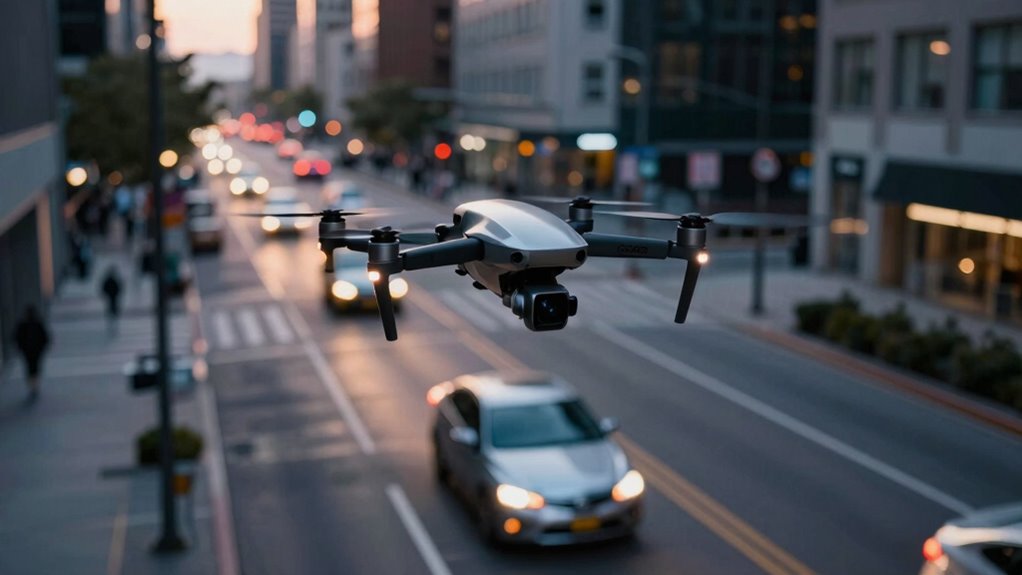
Drones have become a powerful tool for tracking cars, offering law enforcement and agencies a new way to monitor vehicles from the air. However, when it comes to using drones for vehicle tracking, understanding the importance of drone regulations is essential. Many regions have strict rules about where and how drones can fly, especially for surveillance purposes. If you’re considering deploying a drone to follow a vehicle, you need to be aware of local laws to avoid legal trouble. These regulations often specify altitude limits, no-fly zones, and privacy considerations, guaranteeing that your drone operation remains legal and ethical. Ignoring these rules can result in hefty fines or confiscation of equipment, so always do your research beforehand.
Understanding drone regulations is crucial to avoid legal issues and operate ethically when tracking vehicles from the air.
Another overlooked but critical factor is the drone’s battery life. Most consumer drones can only stay airborne for about 20 to 30 minutes on a single charge. This limited battery life poses a challenge when tracking moving vehicles over long distances or extended periods. If you’re trying to follow a car for more than half an hour, you’ll need to plan carefully — perhaps by using multiple batteries or additional drones to maintain continuous coverage. Battery management becomes even more essential when operating in cold weather, as batteries tend to drain faster under low temperatures. To maximize your drone’s effectiveness, invest in high-capacity batteries and keep spares handy. Proper planning around battery life guarantees you don’t lose sight of your target unexpectedly. Additionally, understanding regulations governing drone use helps ensure your operations stay within legal boundaries and avoid penalties. Being aware of airspace rules and restrictions is crucial to prevent unintentional violations. It’s also wise to consider weather conditions that could impact drone performance and safety during a tracking mission. A thorough pre-flight risk assessment can further help identify potential hazards before takeoff, enhancing safety and compliance.
Furthermore, understanding the importance of pre-flight checks can significantly reduce the risk of technical failures during operations, ensuring your tracking remains smooth and uninterrupted. While drone regulations and battery life are often overlooked, they’re imperative for safe and effective vehicle tracking. You must respect airspace rules to avoid legal complications, and understanding the limitations of your drone’s battery helps prevent interruptions during a pursuit. It’s tempting to push the limits with your drone’s capabilities, but doing so irresponsibly could lead to safety risks or legal repercussions. Always plan your flights within the bounds of regulations and be mindful of your drone’s endurance. This proactive approach not only keeps you compliant but also enhances the success of your tracking efforts.
In the end, the overlooked truth about tracking cars with a drone safely is that success depends on preparation. Knowledge of drone regulations and managing battery life are fundamental steps that many overlook but are indispensable to operate ethically and efficiently. With careful planning, you can leverage this innovative technology without crossing boundaries or risking your equipment. Respecting the rules and understanding your drone’s limits will ensure your tracking activities are both legal and effective, making your surveillance more reliable and responsible.
Products Worth Considering

Garmin vívosmart 5 Health and Fitness Tracker, Small/Medium, White

GoPro HERO12 Black Waterproof Action Camera with 5.3K60 Video and 27MP Photos

YETI Hopper M Series Soft-Sided Backpack Cooler
As an affiliate, we earn on qualifying purchases.
Frequently Asked Questions
What Is the Legal Status of Tracking Cars With Drones?
Tracking cars with drones is generally restricted by legal regulations that vary by location. You need to be aware of privacy implications, as capturing images or data without consent can lead to legal trouble. Always check local laws and regulations before flying, and avoid infringing on people’s privacy rights. Staying informed about these rules helps you avoid potential fines or legal actions while safely using drones for tracking.
How Do Weather Conditions Affect Drone Tracking Accuracy?
Weather impact profoundly affects your drone’s tracking accuracy. Rain, fog, or snow can reduce visibility, making it harder to keep the drone focused on the target. Wind gusts can cause instability, leading to signal interference and loss of control. Sunny, clear conditions are ideal, ensuring a stronger signal and better tracking. Always check weather forecasts before flying, and avoid adverse conditions to maintain safe and accurate drone tracking.
What Skills Are Required to Operate a Tracking Drone Safely?
You need to master drone calibration and understand how to avoid signal interference to operate a tracking drone safely. Proper calibration ensures the drone’s sensors and navigation systems work accurately, while minimizing signal interference helps maintain a strong connection. You should also be skilled in controlling the drone precisely, monitoring weather conditions, and following safety regulations. These skills guarantee effective tracking and safe operation, even in challenging environments.
How Can Privacy Concerns Be Addressed When Using Drones?
Imagine your privacy is a fragile glass, easily shattered. To protect it, you should strictly follow privacy policies and guarantee data encryption when using drones. Clearly inform people about data collection and usage, and restrict access to sensitive footage. Regularly review these policies, and use encryption to keep data secure. These measures help prevent misuse and build trust, so your drone operations respect everyone’s privacy.
What Are the Costs Involved in Setting up Drone Tracking Systems?
You’ll need to do a thorough cost analysis to understand the expenses involved in setting up drone tracking systems. Equipment costs are a significant part, including purchasing high-quality drones, cameras, and GPS technology. You should also consider ongoing costs like maintenance, software subscriptions, and training. While initial investments can be substantial, factoring in these costs helps you plan your budget effectively and makes certain the system’s long-term efficiency and safety.
Conclusion
So, next time you consider using a drone to track a car, remember it’s not just a quick fix—it’s like having a superhero with a camera in the sky. With proper safety measures, you can avoid turning a simple task into a disaster movie. Drones are powerful tools, but they demand respect and responsibility. Use them wisely, and you’ll see how they can be your ultimate sidekick in tracking cars safely and effectively.