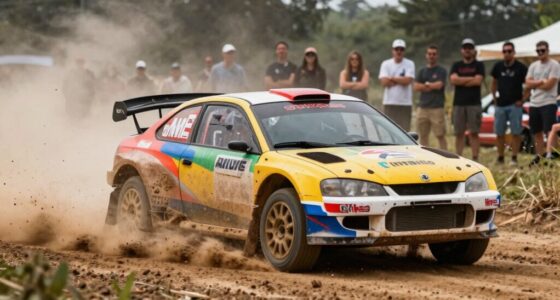
Many creators overlook how crucial the right gear, like fast lenses and stabilizers, is for sharp, impactful drift shots. They also often underestimate how adjusting shutter speed can freeze motion or create stylish blur, depending on your goal. Lighting conditions, especially during dusk or midday, impact your results more than expected, and mastering exposure control makes a big difference. If you want to elevate your drift photography, understanding these details is key—keep exploring for more insights.

Get sports gear delivered free — and shop member deals
- Fast, free delivery on millions of items
- Access to Prime Big Deal Days deals on October 6–7
- Prime Video, Amazon Music and more included
Key Takeaways
- Many overlook the importance of matching shutter speed with motion intent for both freeze and blur effects.
- Creators often underestimate how lighting conditions influence exposure and overall shot quality.
- Proper stabilization techniques are frequently neglected, resulting in less sharp, professional-looking drift images.
- They tend to focus on gear alone, forgetting that technique and timing are equally critical for impactful shots.
- Adjusting camera settings dynamically based on changing environmental conditions is often missed, reducing shot consistency.

Many creators focus so much on their camera settings but overlook the importance of the right gear. A fast, reliable lens with a wide aperture—like f/2.8 or lower—lets you freeze motion crisply while maintaining a sharp focus on the drifting car. A sturdy tripod or monopod can help stabilize shots, especially if you’re experimenting with slower shutter speeds to create motion blur in the background or wheels. Don’t forget about shutter speed; it’s key for freezing the action or intentionally blurring certain elements for artistic effect. A camera with high burst mode capabilities allows you to shoot multiple frames in rapid succession, increasing your chances of capturing that perfect moment. Additionally, consider using polarizers or ND filters to manage reflections and control exposure, especially when shooting in bright daylight. Understanding how lighting techniques influence your shot can make all the difference. Many creators miss the opportunity to optimize their equipment choices for different scenarios, which can limit their creative potential. Combining the right gear with well-planned lighting techniques allows you to adapt quickly and capture more dynamic shots. When you’re aware of how lighting conditions vary throughout the day, you can better plan your shots for optimal results. Whether you’re shooting at midday with harsh sunlight or during the softer hours of dusk, adjusting your equipment and light setup accordingly will enhance your images. It’s also helpful to familiarize yourself with exposure control to better manage bright and dark areas in your shots. Paying attention to camera settings can further improve your ability to adapt to changing conditions and achieve desired effects. Ultimately, it’s not just about having the most expensive gear but understanding how to utilize what you have effectively. When you pay attention to these details—lighting techniques and equipment choices—you’ll find your drift photography becomes more expressive, sharper, and more engaging, giving your images that professional edge. Additionally, mastering comprehensive gear knowledge allows you to better troubleshoot and adapt on the fly in unpredictable shooting environments.
fast wide aperture camera lens f/2.8
As an affiliate, we earn on qualifying purchases.
As an affiliate, we earn on qualifying purchases.
Frequently Asked Questions
How Do I Choose the Best Drift Photography Gear?
To choose the best drift photography gear, focus on vital drift camera accessories like sturdy mounts, waterproof cases, and extra batteries for long shoots. Watch drift photography tutorials to understand which gear suits your style and environment. Prioritize lightweight, durable equipment that’s easy to handle during action shots. This way, you’ll capture smooth, dynamic footage, and get the most out of your gear without missing essential shots.
What Are Common Mistakes Beginners Make in Drift Shots?
You might be falling into the trap of using too slow a shutter speed, causing excessive motion blur that ruins your drift shots. Beginners often forget that adjusting shutter speed is essential to freezing or emphasizing motion. Don’t chase every streak of light blindly; instead, find the right balance. Practice with different settings, and remember, controlling motion blur with proper shutter speed makes your drift photos look dynamic and professional.
How Can I Improve My Drift Photography Composition?
To improve your drift photography composition, focus on capturing dynamic motion blur that emphasizes speed and movement. Use framing techniques like leading lines and rule of thirds to guide the viewer’s eye through the shot. Experiment with different angles to showcase the car’s trajectory and surroundings. Keep your shutter speed just right to balance motion blur with sharp details, creating compelling images that convey energy and excitement.
What Camera Settings Work Best for Capturing Drift Images?
To capture thrilling drift images, you need the right settings. Use a fast shutter speed—around 1/500 to 1/1000 seconds—to freeze the action, and guarantee camera stability with a tripod or steady hand. This combo keeps motion crisp and sharp, heightening the excitement. Don’t forget to adjust ISO for lighting conditions. With these settings, you’ll seize those adrenaline-filled moments in perfect clarity, making your photos truly stand out.
How Do Weather Conditions Affect Drift Photography Results?
Weather conditions considerably influence your drift photography results. Rain effects can create reflections and a moody atmosphere, adding drama to your shots, but they also pose challenges like camera protection and reduced visibility. Wind influence affects your ability to capture sharp images or smooth motion; strong gusts may cause camera shake or movement of the vehicles. Adjust your settings and gear accordingly to maximize your shots despite unpredictable weather.
camera stabilizer gimbal for drift photography
As an affiliate, we earn on qualifying purchases.
As an affiliate, we earn on qualifying purchases.
Conclusion
Don’t overlook the overlooked details in drift photography. Remember, mastering motion, managing settings, and maintaining patience are paramount. By embracing these basic but brilliant basics, you’ll boost your skills and bring bold, beautiful shots to life. So, stay sharp, stay sincere, and stay savvy. With consistent curiosity and clever techniques, you’ll cultivate creativity and capture mesmerizing, crowd-pleasing drift shots. Drive your dedication, and discover a dazzling world of dynamic photography!
ND filter for outdoor photography
As an affiliate, we earn on qualifying purchases.
As an affiliate, we earn on qualifying purchases.
As an affiliate, we earn on qualifying purchases.
NFL season / tailgating Picks
team gear
As an affiliate, we earn on qualifying purchases.