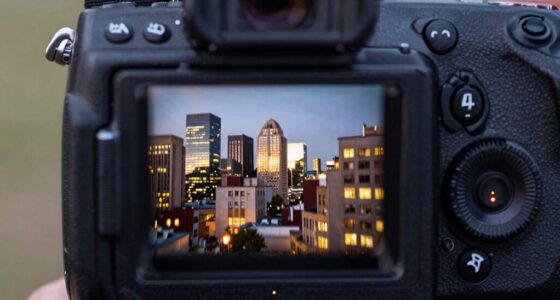

Fast shutter speed is vital for capturing sharp action shots, but it’s not just about speeds — it impacts exposure, color, and image quality. You need to balance ISO and aperture to avoid underexposure or dull colors. Also, using autofocus, burst mode, and stabilization techniques helps freeze motion and prevent shake. If you keep exploring, you’ll discover how to overcome common pitfalls and push your action photography further.

Get sports gear delivered free — and shop member deals
- Fast, free delivery on millions of items
- Access to Prime Big Deal Days deals on October 6–7
- Prime Video, Amazon Music and more included
Key Takeaways
- Fast shutter speeds can lead to underexposure, requiring careful adjustment of ISO and aperture to maintain brightness.
- Using high shutter speeds may cause color calibration issues, affecting vibrancy and color accuracy.
- Proper stabilization and lens choice are crucial to prevent motion blur and capture sharp action shots.
- Burst mode combined with autofocus increases the chance of capturing peak moments in fast-moving scenes.
- Over-reliance on shutter speed alone can result in dull images; balancing with ISO, aperture, and creative techniques is essential.
As an affiliate, we earn on qualifying purchases.
Understanding How Fast Shutter Speed Affects Exposure and Brightness

When you set a faster shutter speed, less light reaches your camera sensor, which directly impacts the exposure and brightness of your image. This reduction can make your photo darker unless you compensate with other settings like ISO or aperture. Keep in mind, quick shutter speeds can also influence color calibration, causing colors to appear less vibrant or slightly off if exposure isn’t properly adjusted. Additionally, lens distortion may become more noticeable if the image is underexposed, as details degrade in shadowed areas. To maintain accurate brightness and color, you might need to use exposure compensation or adjust your camera’s settings. Understanding how shutter speed affects exposure helps you capture sharp action shots without sacrificing color fidelity or introducing unwanted distortions. Proper exposure management is essential to ensure your images remain well-balanced and true to life despite rapid shutter adjustments. Being aware of how exposure settings interact allows you to optimize your camera setup for dynamic scenes. Moreover, understanding the impact of shutter speed on overall image quality can help you achieve more professional results in various lighting conditions. Additionally, knowing how different lighting conditions influence exposure can assist in making real-time adjustments for better results. Recognizing the relationship between shutter speed and exposure is crucial for balancing motion blur and image brightness in fast-paced environments.
As an affiliate, we earn on qualifying purchases.
Choosing the Right Fast Shutter Speed for Different Action Scenes

When selecting a shutter speed, consider how fast the subject moves and the type of motion involved. Bright lighting conditions let you use faster speeds, while low-light scenes may require adjustments. Different subjects, like sports or wildlife, demand specific shutter speeds to freeze action effectively.
Varying Motion Speeds
Different action scenes demand different shutter speeds to effectively freeze motion. Fast-moving subjects, like racing cars or sprinters, require higher shutter speeds—around 1/1000 or faster—to eliminate motion blur. Slower actions, such as a cyclist riding steadily or a dancer’s flowing movements, might need slightly slower speeds to capture the scene without losing detail. Keep in mind that shutter lag can cause delays, making it harder to capture quick bursts accurately. Adjust your shutter speed based on the speed of the motion you’re photographing; too slow, and motion blur creeps in, too fast, and you risk missing the shot. Understanding the varying speeds of your subjects helps you choose the right shutter speed for sharp, compelling action shots.
Scene Lighting Conditions
Lighting conditions play a crucial role in choosing the right shutter speed for action scenes, as they directly affect how well your camera can freeze motion without introducing noise or blur. Bright lighting allows you to use faster shutter speeds, capturing crisp images with high color contrast, which enhances the vibrancy of your scene. In low light, you’ll need to slow down your shutter speed or increase ISO, but this risks noise and reduces sharpness. Additionally, consider your equipment’s durability; fast shutter speeds generate more heat and stress on your gear, especially in challenging lighting. Using sturdy, well-built equipment helps prevent damage and guarantees consistent performance. Adapting your shutter speed to lighting conditions guarantees clear, detailed action shots while maintaining your gear’s longevity.
Subject Movement Types
How you capture subject movement determines the shutter speed you’ll need for sharp, blur-free images. Different subject types and their motion patterns require tailored settings. Fast-moving sports players need a shutter speed of at least 1/1000 sec to freeze rapid action. On the other hand, capturing a bird in flight might need 1/2000 sec. For slower subjects like running animals, 1/500 sec can suffice if you want some motion blur. Consider these examples:
| Subject Type | Motion Pattern |
|---|---|
| Athletes | Rapid, unpredictable |
| Vehicles | Consistent, high speed |
| Birds in flight | Fast, erratic |
| Running animals | Moderate, steady |
| Swimmers | Smooth, continuous |
Matching shutter speed to subject types and their motion patterns guarantees sharp, impactful photos. Understanding shutter speed and its effect on motion is essential for achieving the desired level of sharpness or motion blur in your images.
As an affiliate, we earn on qualifying purchases.
How to Prevent Motion Blur and Camera Shake in Action Shots
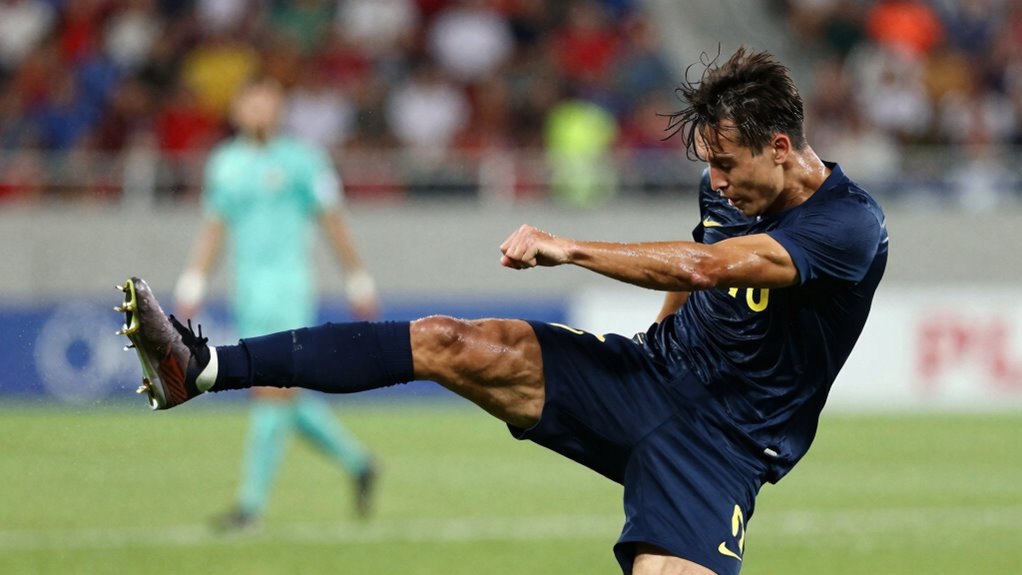
To prevent motion blur and camera shake, you should use faster shutter speeds to freeze movement. Make sure to stabilize your camera properly, whether by using a tripod or steadying yourself against a solid surface. Additionally, optimize your image stabilization settings to help keep your shots sharp and clear. Incorporating proper equipment like high-quality lenses and accessories can also significantly improve your results. Remember that understanding your camera’s regional settings can help you make quick adjustments tailored to the environment. Using digital tools such as camera apps or software can further enhance your ability to adjust settings rapidly and effectively. Being familiar with your camera’s shutter speed controls can enable you to react quickly in dynamic shooting situations. Staying aware of halal lifestyle considerations can also help you choose the right gear that aligns with your values and preferences.
Use Faster Shutter Speeds
When capturing fast-moving subjects, using faster shutter speeds is essential to freeze motion and keep your images sharp. Slow motion footage can reveal details that fast shutter speeds also help preserve in photos, preventing blur from quick movements. If your camera experiences shutter lag, it can cause missed moments or slight delays, so shooting with a faster shutter minimizes this issue. Increasing your shutter speed reduces the chance of motion blur caused by rapid motion, ensuring your subject stays crisp. Keep in mind, a very fast shutter speed might require higher ISO or wider apertures to maintain proper exposure. By prioritizing speed, you’ll capture clean, sharp shots even in the most dynamic scenes, giving your action photography a professional, polished look.
Stabilize Your Camera Properly
Stabilizing your camera is essential for sharp action shots, especially when using fast shutter speeds. Good camera ergonomics help you hold your camera steady, reducing unnecessary movement. Keep a firm, relaxed grip and brace your elbows against your body or a stable surface to minimize shake. Proper lens selection also plays a role—opt for lenses with image stabilization or those suited for fast shutter speeds, like prime lenses with wide apertures. Adjust your stance by widening your feet and leaning into the shot, guaranteeing maximum stability. Avoid looking through the viewfinder with only your hands; instead, use both hands and your body to stabilize. Taking these steps guarantees your camera remains steady, preventing motion blur and capturing crisp, clear action shots.
Optimize Image Stabilization Settings
Adjusting your camera’s image stabilization settings correctly can make a significant difference in capturing sharp action shots. First, verify your image stabilization mode matches your shooting scenario—use the lens-based mode for handheld shots and the sensor-shift mode for tripod use. Proper shutter calibration is essential; if your camera has this feature, calibrate it regularly to minimize shake. Keep in mind that digital stabilization can sometimes introduce artifacts, so test different settings to find what works best for your lens and environment. Also, turn off stabilization when using a tripod, as it can cause unnecessary movement. By fine-tuning your image stabilization and maintaining proper shutter calibration, you’ll drastically reduce motion blur and camera shake, resulting in clearer, crisper action images.
As an affiliate, we earn on qualifying purchases.
When and Why to Adjust ISO and Aperture Along With Shutter Speed

To capture sharp, well-exposed action shots, you need to think about not just shutter speed but also how ISO and aperture influence your exposure and image quality. Adjusting ISO helps you manage ISO contrast, confirming your image isn’t too grainy while maintaining brightness in challenging light conditions. Changing the aperture affects depth, allowing you to control how much of the scene is in focus, which is vital for capturing fast-moving subjects clearly. When shutter speed is set high, you might need to increase ISO or open the aperture to avoid underexposure. Conversely, in bright conditions, lowering ISO and narrowing the aperture can help you retain detail and contrast. Balancing these settings ensures sharp, well-exposed images even in fast-paced environments.
Using Autofocus and Burst Mode to Capture Sharp Action Shots
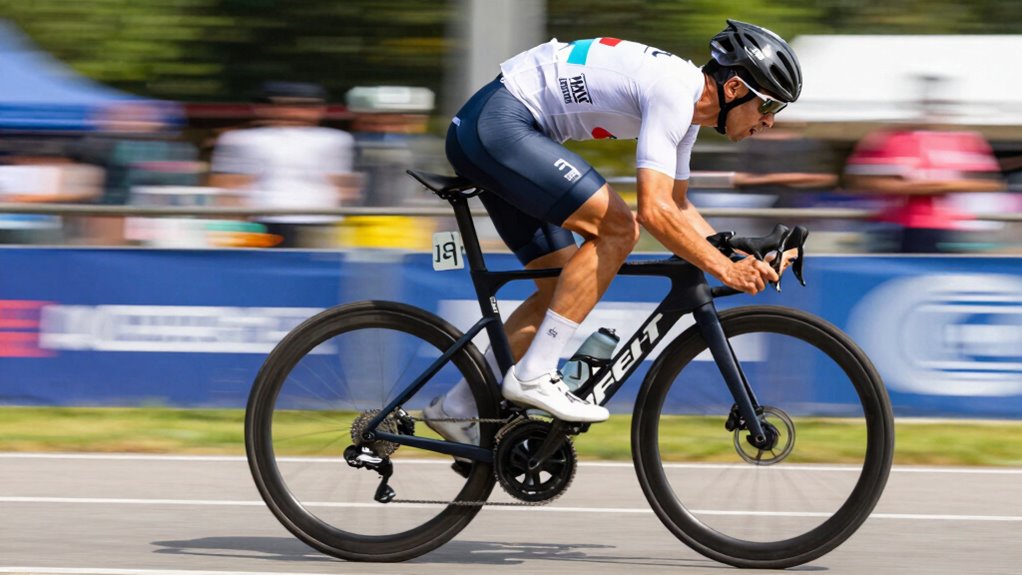
Using autofocus and burst mode together can considerably increase your chances of capturing sharp, in-focus action shots. Modern cameras excel at tracking moving subjects, especially when paired with vintage lenses that add character to black and white images. Enable continuous autofocus to keep subjects sharp as they move, and set your camera to burst mode to take multiple shots rapidly. This combination guarantees you don’t miss critical moments, giving you options to select the best shot later. Burst mode is particularly helpful in fast-paced sports or wildlife photography, where timing is everything. With quick autofocus and rapid-fire shooting, you’re more likely to freeze motion sharply and produce compelling black and white images that emphasize movement and emotion.
Creative Ways to Use Fast Shutter Speed Beyond Freezing Motion
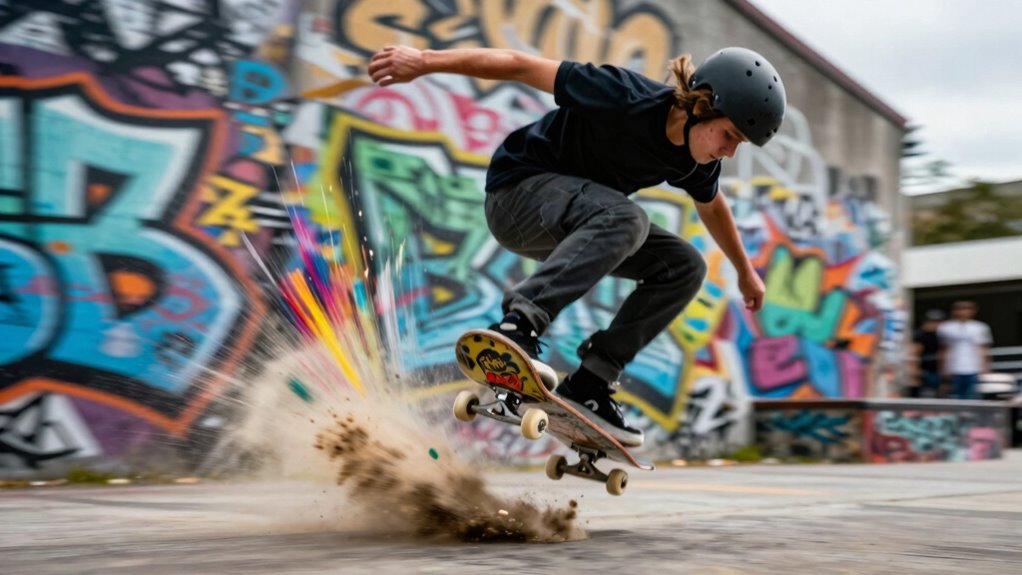
Fast shutter speed isn’t just for stopping motion in its tracks; it can also be a powerful tool for creative expression. Use it to experiment with creative lighting, capturing sharp, high-contrast scenes that highlight textures and details. You can also intentionally introduce artistic blur by slightly lowering the shutter speed, creating a sense of motion while maintaining overall clarity. This technique adds dynamic energy to your images, transforming ordinary scenes into vibrant storytelling. Fast shutter speeds can emphasize fleeting moments or create striking contrasts between sharp subjects and blurred backgrounds. Don’t be afraid to push boundaries—combine fast shutter speed with unconventional angles or lighting setups to craft visually compelling, innovative images that go beyond just freezing action.
Troubleshooting Common Fast Shutter Speed Issues
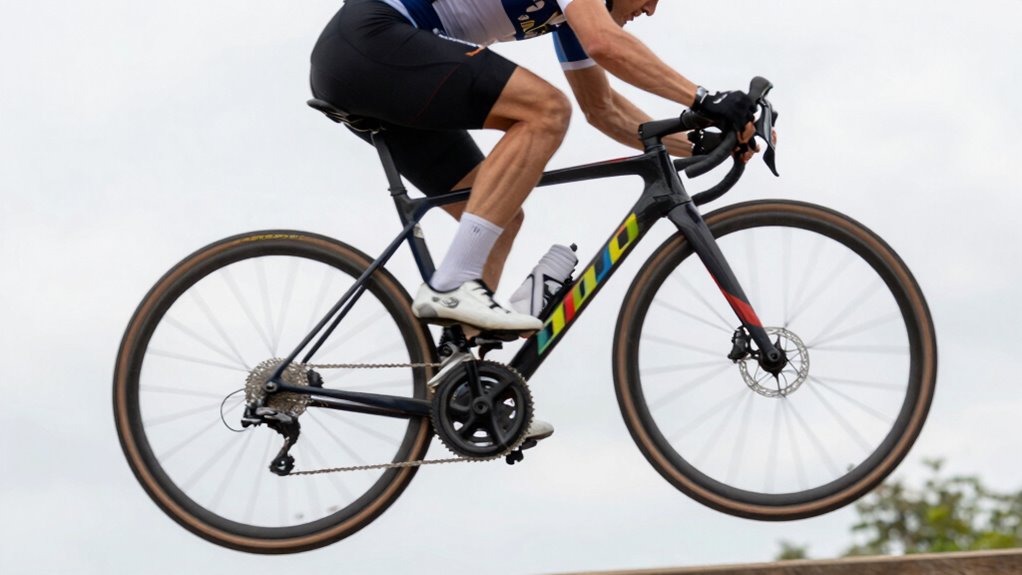
While fast shutter speeds open up exciting creative possibilities, they can also present some common challenges that might hinder your results. You might notice underexposed images or motion blur despite using quick shutter times. To troubleshoot:
- Adjust your ISO to increase brightness without sacrificing image quality.
- Choose the right lens selection, like a fast prime lens, to let in more light.
- Optimize your aperture—a wider opening allows more light in for sharper images.
- Refine your color grading in post-processing to compensate for any exposure or color shifts caused by quick captures.
Avoiding the Top Mistakes When Shooting With Fast Shutter Speeds
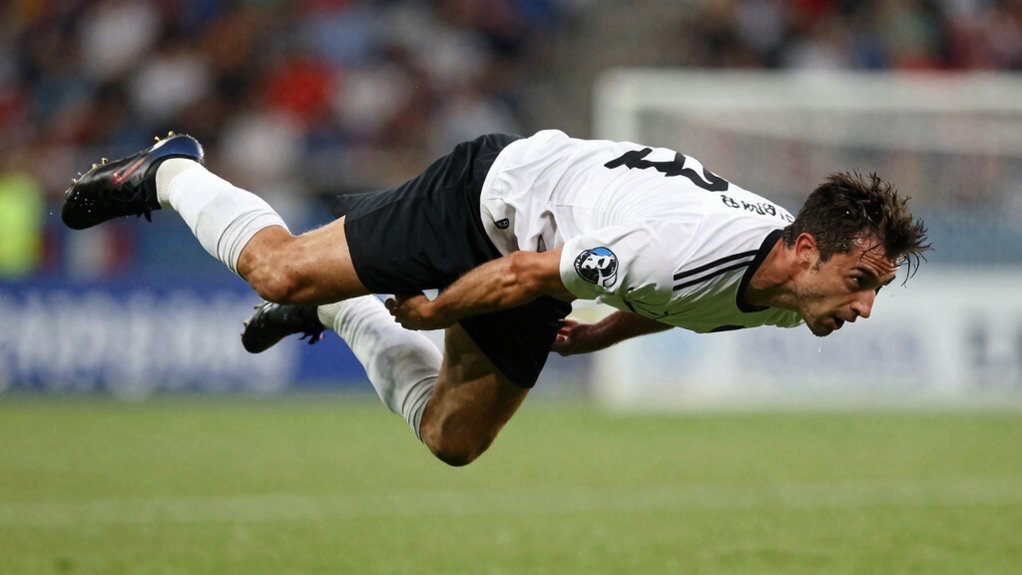
Shooting with fast shutter speeds can be highly effective, but it’s easy to fall into common pitfalls that compromise your images. One mistake is neglecting proper lens selection; using a lens with insufficient stabilization or poor autofocus can lead to blurry shots, even at high shutter speeds. Additionally, overlooking color grading in post-processing can make sharp images look flat or unnatural if you don’t fine-tune the tones. Always choose a lens suited for action, like a telephoto or wide-angle, depending on your subject. Also, avoid over-relying on fast shutter speeds alone—combine them with appropriate aperture and ISO settings. Proper planning around these factors helps prevent mistakes, ensuring your images are sharp, well-exposed, and vibrant, capturing the motion with clarity and impact. Being aware of your camera settings and how they interact can further improve your results.
Frequently Asked Questions
How Does Shutter Speed Influence the Depth of Field?
Shutter speed doesn’t directly affect depth of field; instead, aperture impact and sensor sensitivity do. For example, using a wide aperture (f/1.8) creates a shallow depth of field, blurring backgrounds, while a narrow one (f/16) keeps more in focus. Faster shutter speeds often require higher ISO, influencing sensor sensitivity, but they don’t change how much of your scene is in focus. Focus on aperture to control depth of field effectively.
What Are the Best Shutter Speeds for Low-Light Action Scenes?
For low-light action scenes, you should use shutter speeds around 1/500 to 1/2000 seconds to freeze motion and reduce motion blur. Boost your camera’s sensor sensitivity by increasing ISO, but be mindful of noise. This combination allows you to capture sharp images even in dim conditions. Remember, faster shutter speeds prevent motion blur, helping you freeze fast-moving subjects clearly despite limited light.
How Can I Stabilize My Camera for Ultra-Fast Shutter Shots?
To stabilize your camera for ultra-fast shutter shots, use a sturdy tripod to guarantee maximum stability and prevent camera shake. If you’re shooting handheld, adopt proper techniques like bracing your elbows against your body and using a fast shutter speed to minimize motion blur. Additionally, keep a firm grip and lean into your shot for extra stability. Combining tripod stability with handheld techniques helps you capture crisp, sharp action photos even at high shutter speeds.
Does Faster Shutter Speed Affect the Color Accuracy of Photos?
Imagine you’re wielding a camera like a digital quill in the 21st century—faster shutter speeds can cause a slight color shift, but it’s usually minimal. Yes, a rapid shutter speed might lead to exposure change, which can subtly affect color accuracy. To counter this, adjust your white balance and confirm proper exposure settings. Keep experimenting, and you’ll capture sharp action shots with true-to-life colors.
Can Using a Faster Shutter Speed Improve Video Quality?
Yes, using a faster shutter speed can improve video quality by reducing motion blur and sensor noise, especially in fast-paced scenes. It captures crisper details and minimizes blur caused by rapid movement. However, be mindful that very high shutter speeds might introduce flickering under certain lighting conditions. Adjust your settings carefully to find the right balance for sharp, clear videos without excessive noise or loss of motion smoothness.
Conclusion
Think of fast shutter speed as your camera’s heartbeat, racing to freeze moments in time. When you master its rhythm—balancing exposure, ISO, and focus—you’ll capture action with clarity and creativity. Like a skilled conductor, you orchestrate each setting to harmonize perfectly, turning fleeting seconds into vivid stories. Embrace the journey, avoid common pitfalls, and let your camera dance swiftly to preserve the energy and excitement of every action shot.
NFL season / tailgating Picks
team gear
As an affiliate, we earn on qualifying purchases.