To record better natural sound, choose the right gear like shotgun or omnidirectional mics and use windshields or filters to reduce noise. Position your mic carefully, close enough for detail but still capturing a natural environment. Monitor sounds with good headphones to catch issues immediately and adjust as needed. Be patient, wait for quiet or interesting moments, and adapt to environmental changes. Keep organized and focus on quality during capture—if you keep at it, you’ll discover even more tips to elevate your sound.

Get sports gear delivered free with Prime
- Fast, free delivery on millions of items
- Prime Video, Amazon Music and more included
- Member-only deals all year
Key Takeaways
- Choose appropriate microphones and accessories, like windshields, to capture clear, natural sounds without interference.
- Place microphones thoughtfully, balancing proximity and environmental factors for authentic, detailed recordings.
- Monitor audio in real-time with quality headphones, making immediate adjustments to improve sound quality.
- Record during optimal moments, considering weather and activity to capture dynamic, compelling soundscapes.
- Organize and back up recordings systematically to preserve quality and facilitate effective post-production.
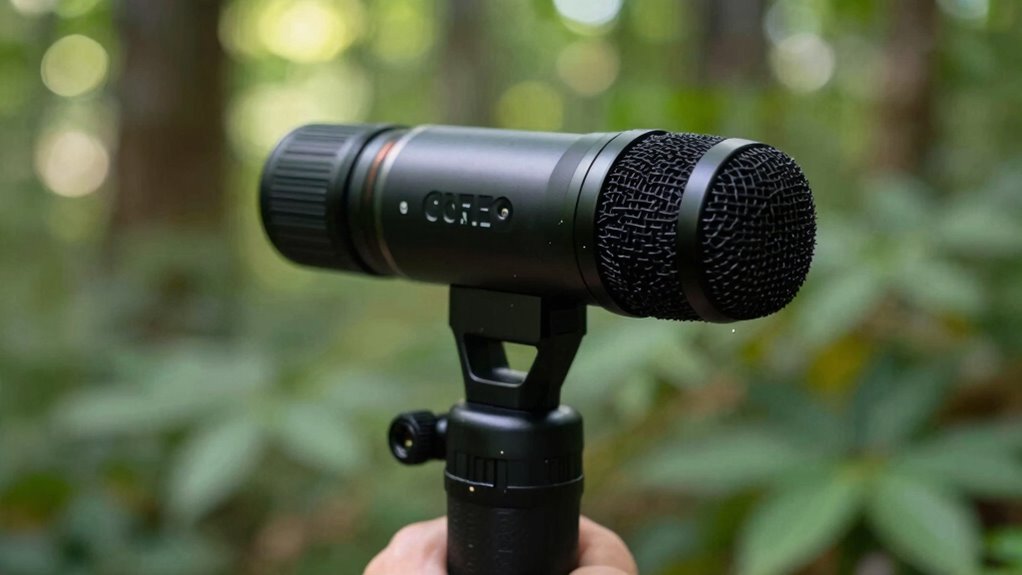
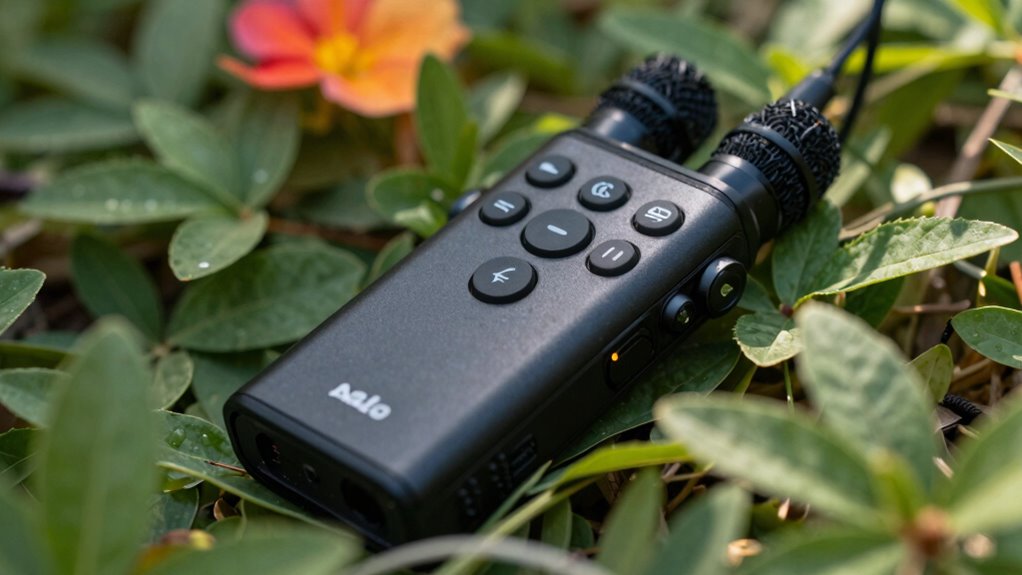
Capturing natural sound effectively can considerably enhance the authenticity of your recordings, but it requires more than just pressing record. To truly capture the essence of ambient environments, you need to understand how your audio gear interacts with the world around you. High-quality microphones, windshields, and portable recorders are essential tools. But beyond the gear, it’s about how you use it. You should choose the right microphone for the environment—shotgun mics work well for distant sounds, while omnidirectional mics excel at capturing sounds from all directions in an ambient setting. Remember, your gear should be suited to the environment; a sensitive mic in a noisy place might pick up unwanted sounds, so consider using filters or windshields to reduce noise and wind interference.
Choosing the right microphone for your environment improves natural sound quality and reduces unwanted noise.
When recording in ambient environments, it’s vital to pay attention to your placement and distance from the sound source. You want to be close enough to capture the detail but far enough to preserve the natural room tone or background. Move around and listen carefully; sometimes, a slight shift in position can notably improve the quality of your nat sound. It’s also wise to monitor your recordings in real-time with good headphones. This allows you to catch issues like clipping, background noise, or uneven levels immediately, so you can adjust on the spot. Additionally, practicing soundscape awareness can help you anticipate and capture more compelling audio moments. Developing an understanding of ambient environment influence can further enhance your ability to adapt your recording techniques effectively.
Timing and patience are key when working with ambient environments. Natural sounds fluctuate depending on the time of day, weather, and activity levels. Don’t settle for the first take; wait for moments when the environment offers a richer or more interesting soundscape. Quiet periods often yield cleaner recordings, but sometimes the subtle hum of distant traffic or the rustling leaves can add depth to your nat sound. Be aware of your surroundings and anticipate changes; this mindfulness helps you capture dynamic and authentic recordings. Additionally, understanding how ambient environments influence sound can help you make better decisions during recording. Recognizing soundscape variability and adapting your approach accordingly can lead to more compelling audio captures.
Finally, remember that post-production can’t fix everything. The best nat sound comes from careful planning, good gear, and attentive recording practices. Keep your recordings organized, label your files clearly, and always back up your work. By understanding how ambient environments influence sound and using your audio gear wisely, you’ll elevate your nat sound recordings and produce more compelling, genuine audio stories.
shotgun microphone for outdoor recording
As an affiliate, we earn on qualifying purchases.
As an affiliate, we earn on qualifying purchases.
Frequently Asked Questions
What Equipment Is Essential for Capturing High-Quality Natural Sound?
You need a good shotgun or lavalier microphone for capturing natural sound, ensuring clear audio. Proper microphone placement is essential—position it close to the sound source without intrusive noise. Use sound insulation like blankets or foam panels to minimize unwanted echoes and background noise. These tools and techniques help you record high-quality natural sound, making your recordings more immersive and professional.
How Do Weather Conditions Affect Natural Sound Recordings?
Weather conditions markedly impact your natural sound recordings. Rain, wind, and extreme temperatures can distort or drown out wildlife sounds, making it harder to capture clear audio. Seasonal variations also influence wildlife behavior, so you might find more activity during certain times of the year. To get the best recordings, plan your shoots around favorable weather, and be mindful of how changing conditions affect both sound quality and animal activity.
What Are Common Mistakes to Avoid When Recording Nat Sound?
You should avoid poor microphone placement, which can pick up unwanted noise or miss key ambient ambiance. Steer clear of handling noise and overly close positioning that distort natural sound. Pay attention to background distractions and wind, which can ruin the authenticity. Always test your setup first, ensuring your microphone captures the true environment without interference. Proper placement and awareness of surroundings help you record clear, immersive natural sound.
How Can I Minimize Unwanted Background Noise?
To minimize unwanted background noise, focus on strategic microphone placement, keeping it close to your sound source to reduce ambient interference. Use directional microphones to isolate the desired sounds and avoid capturing too much environmental noise. Also, consider recording in quieter locations or during less busy times. Regularly check your audio levels and be mindful of ambient interference, adjusting your setup as needed to guarantee clean, natural sound.
What Editing Techniques Improve Natural Sound Recordings?
To enhance natural sound recordings, focus on editing techniques like ambient layering and sound design. You can layer subtle ambient sounds to add depth and realism, making the audio richer. Use equalization to remove unwanted frequencies, and apply gentle compression to balance levels. Editing tools allow you to clean up noise and enhance clarity, ensuring your natural recordings sound more immersive and professional, engaging your audience better.
windshield for shotgun microphone
As an affiliate, we earn on qualifying purchases.
As an affiliate, we earn on qualifying purchases.
Conclusion
Think of nat sound as a whisper from the world around you, waiting to be captured in its purest form. When you record with intention, you’re holding a delicate butterfly—fragile yet vibrant—preserving its essence for others to experience. Every click of your recorder is a gentle net, catching fleeting moments of life’s symphony. Keep your ears open and your heart tuned, and you’ll turn simple sounds into timeless stories that breathe and resonate long after they’re recorded.
portable audio recorder professional
As an affiliate, we earn on qualifying purchases.
As an affiliate, we earn on qualifying purchases.
high-quality headphones for sound monitoring
As an affiliate, we earn on qualifying purchases.
As an affiliate, we earn on qualifying purchases.
Halloween Picks
halloween
As an affiliate, we earn on qualifying purchases.