To stabilize handheld action footage without missing key moments, focus on proper body mechanics like keeping your feet shoulder-width apart, bending your knees, and engaging your core to stay steady. Use tools like gimbals, stabilizers, or mounts, and plan your shots to anticipate action. Maintaining a calm, consistent posture and adjusting for environmental factors helps. For smooth results, combine these techniques with post-production stabilization. Keep exploring to discover even more tips for capturing flawless footage.

Get sports gear delivered free — and shop member deals
- Fast, free delivery on millions of items
- Access to Prime Big Deal Days deals on October 6–7
- Prime Video, Amazon Music and more included
Key Takeaways
- Use stabilization equipment like gimbals or steadicams to keep footage steady during fast-paced action.
- Anticipate key moments by staying alert and planning camera angles in advance.
- Maintain a stable posture with feet shoulder-width apart and engage core muscles for better control.
- Practice smooth, deliberate camera movements and body mechanics to avoid missing critical shots.
- Review and stabilize footage in post-production using editing software to enhance clarity without losing important action.
handheld gimbal stabilizer for cameras
As an affiliate, we earn on qualifying purchases.
As an affiliate, we earn on qualifying purchases.
What Are the Main Challenges in Stabilizing Handheld Action Shots?

Have you ever tried to stabilize fast-paced, handheld action footage and found it challenging? One major hurdle is inconsistent lighting conditions, which can cause your footage to flicker or appear uneven when stabilizing. Sudden changes in brightness make it tough to maintain clarity and focus. Additionally, battery life can be a limiting factor; stabilizing footage often requires intensive processing, draining your camera or device quickly. When your battery runs low, you might need to cut your shoot short or compromise on stabilization quality. These issues become even more pronounced during dynamic action scenes, where rapid movements increase the difficulty of capturing steady footage. Managing lighting and battery concerns is vital to prevent interruptions and ensure smooth, stabilized footage. Considering environmental factors can also help you plan better for unpredictable conditions that impact your footage quality. Recognizing the impact of signal stability is equally important, especially when using wireless stabilization systems that depend on a strong connection. Environmental disturbances can also interfere with camera sensors, further complicating stabilization efforts. Additionally, camera settings such as frame rate and ISO can significantly influence the ease of stabilization and overall footage quality. Being aware of these technical considerations can help you optimize your setup for better stabilization results.
As an affiliate, we earn on qualifying purchases.
How Can You Use Body Mechanics to Stabilize Handheld Footage?

Using proper body mechanics is one of the most effective ways to stabilize handheld footage naturally. Start with your body posture: keep your feet shoulder-width apart, knees slightly bent, and your core engaged. This stance provides a solid foundation and helps distribute weight evenly. Maintain a relaxed but upright posture to reduce tension that can cause shaky movements. Breathing control plays an essential role—inhale slowly to stay calm and exhale steadily to minimize sudden movements. Avoid holding your breath, which can cause unnecessary tension. Keep your arms close to your body, acting as natural stabilizers. By aligning your body properly and controlling your breath, you create a more stable platform for filming, reducing shake and helping you capture smooth, professional-looking footage without missing the moment. Proper body mechanics are fundamental to achieving steady handheld shots and can significantly improve your footage quality.
camera stabilizer for handheld filming
As an affiliate, we earn on qualifying purchases.
As an affiliate, we earn on qualifying purchases.
What Tools and Equipment Help Stabilize Action Shots?

To improve the stability of your action shots, you can choose from various tools and equipment designed for this purpose. Gimbals and stabilizers keep your camera steady during movement, while action camera mounts attach your device to different surfaces for unique angles. Handheld stabilizer devices also help reduce shake, giving you smoother footage in dynamic situations. Incorporating drone technology can also provide innovative aerial perspectives that enhance your filming. Additionally, selecting equipment that aligns with a healthy lifestyle can support your overall well-being while engaging in active filming. Using lightweight home appliances and tech specifically designed for portable use can make your setup more convenient and user-friendly during on-the-go shoots. Considering ergonomic design in your gear can further reduce fatigue, ensuring you stay steady and focused during extended filming sessions.
Gimbals and Stabilizers
Gimbals and stabilizers have become essential tools for capturing smooth, professional-looking action footage. They help you keep your camera steady, even during fast movements, making your shots more polished. Whether you’re shooting drone footage high above or underwater filming beneath the surface, these devices guarantee your footage remains stable. A handheld gimbal can easily adapt to rapid changes in direction, reducing shake and jitter. For underwater filming, waterproof stabilizers prevent motion blur caused by water turbulence. Using a gimbal or stabilizer allows you to focus on composition and storytelling without worrying about shaky footage. With the right equipment in hand, you can confidently capture dynamic action shots that look smooth and engaging, no matter how intense the scene gets. Incorporating 3D scanning technology can also help analyze and improve your shot stability during post-production. Additionally, selecting the appropriate stabilization technology for your specific filming environment can further enhance your footage quality.
Action Camera Mounts
Action camera mounts are essential tools for stabilizing your footage during fast-paced or dynamic shots. They help you capture smooth footage while maintaining ideal camera angles and lighting techniques. Using reliable mounts guarantees your camera stays steady, even during vigorous movements. Here are four options to think about:
- Helmet mounts – Offer immersive perspectives, but watch for shaky footage; stabilize with proper camera angles.
- Chest mounts – Keep your camera steady at waist level, ideal for capturing action from a natural viewpoint.
- Handlebar mounts – Perfect for bikes or motorcycles, maintaining consistent angles and minimizing vibrations.
- Tripod or pole mounts – Provide stability for static shots, helping you focus on lighting techniques and framing.
Choosing the right mount enhances stability, improves camera angles, and guarantees your footage stays smooth.
Handheld Stabilizer Devices
Ever wondered how to achieve smooth, professional-looking action shots while filming handheld? Handheld stabilizer devices are your best tools for this. Gimbals and steadicams counteract shaky movements, keeping your footage steady even during fast-paced action. They allow you to move freely while maintaining stability, which is vital for capturing dynamic shots. Once you stabilize your footage, focus on color grading to enhance visual clarity and mood. Good sound design also plays an important role, helping to mask minor jitters or disturbances. Using these devices together with proper post-production techniques results in polished footage that feels immersive and cinematic. Investing in a quality stabilizer and paying attention to color grading and sound design ensures your action shots look smooth, professional, and ready for any audience.
professional video stabilizer equipment
As an affiliate, we earn on qualifying purchases.
As an affiliate, we earn on qualifying purchases.
Tips for Filming Smoothly Without Missing the Action

To film smoothly and catch every essential moment, consider using stabilization equipment like gimbals or steadicams. Keep your posture steady and balanced to reduce shakiness, and stay alert to anticipate key actions before they happen. These tips help you maintain control and guarantee you don’t miss any important action. Additionally, understanding proper knife handling techniques can improve your overall coordination and stability during filming. Practicing proper stabilization methods can also enhance your ability to keep footage steady in dynamic situations. Developing a keen sense of visual awareness can help you better predict movement and adjust your filming accordingly. Improving your body positioning can further enhance your stability and reduce fatigue during extended shoots. Focusing on technique consistency ensures your footage remains steady even during rapid or unpredictable movements.
Use Stabilization Equipment
Using stabilization equipment is essential for capturing smooth, professional-looking footage, especially when you’re moving quickly or covering unpredictable action. It helps you maintain steady shots, allowing your audience to focus on the moment. When choosing equipment, consider options like gimbals, steadicams, or shoulder rigs. These tools help you stay stable while adjusting camera angles for dynamic shots. Additionally, using stabilization gear allows you to better control lighting techniques, ensuring your footage remains bright and clear despite movement. To maximize effectiveness, keep these tips in mind:
- Select the right stabilization device for your movement style
- Practice smooth, deliberate camera angles during action
- Adjust lighting techniques to complement stabilized shots
- Use stabilization equipment consistently for fluid footage
Maintain Proper Posture
Maintaining proper posture is essential for capturing smooth footage without missing important moments. Posture awareness helps you stay steady and focused, reducing unnecessary camera shake. Keep your feet shoulder-width apart, with your knees slightly bent to absorb movement. Engage your core to support your stability and avoid leaning or hunching forward. Pay attention to equipment ergonomics by holding your camera close to your body, using both hands, and keeping your elbows tucked in. This minimizes fatigue and improves control. Regularly check your stance to guarantee balance, especially during fast-paced action. Good posture allows you to react quickly and follow the subject seamlessly, preventing jerky footage and ensuring you don’t miss critical moments. Incorporating posture awareness into your filming routine can significantly enhance the quality of your footage and your overall stability. Additionally, being mindful of ergonomic support can help prevent strain and fatigue during extended filming sessions.
Anticipate Key Moments
Anticipating key moments is essential for capturing smooth footage and ensuring you don’t miss the action. To do this, stay alert to the scene’s flow, planning your camera angles and lighting techniques in advance. Recognize when important moments are about to happen so you can prepare your shot.
Consider these tips:
- Watch for cues in the environment that signal upcoming action, adjusting your camera angles accordingly.
- Use lighting techniques to highlight vital moments and maintain visual clarity.
- Pre-set your focus to avoid delays during fast-paced action.
- Keep a stable stance, anticipating movement to minimize unnecessary adjustments.
How to Fix Shaky Footage in Post-Production
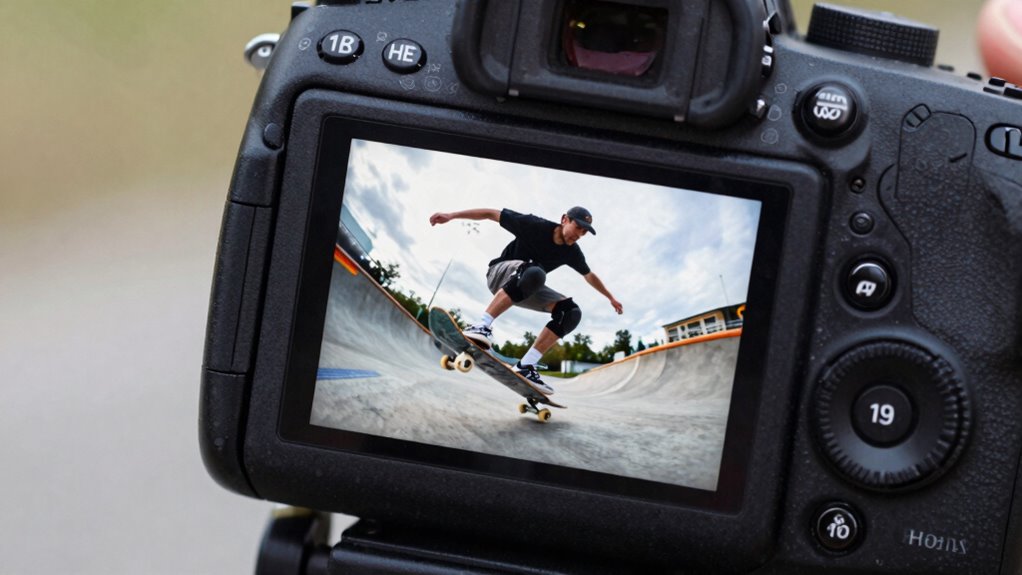
When footage is shaky, it can be distracting and diminish the overall quality of your video. To fix this in post-production, start with stabilization tools in editing software like Premiere Pro or DaVinci Resolve. These tools analyze your footage and smooth out unwanted motion. After stabilizing, refine your color grading to enhance the visual consistency and hide minor artifacts caused by stabilization. Good sound design also helps divert attention from shakiness; adding ambient sounds or subtle music can improve the viewer’s experience. Be cautious not to over-stabilize, which can lead to cropping or warping. Always preview your adjustments to ensure your footage remains natural and engaging. Properly stabilized and color-graded footage, combined with thoughtful sound design, elevates your final video. Understanding the stabilization tools and their limitations can help you achieve more natural results.
Common Mistakes to Avoid When Stabilizing Handheld Shots
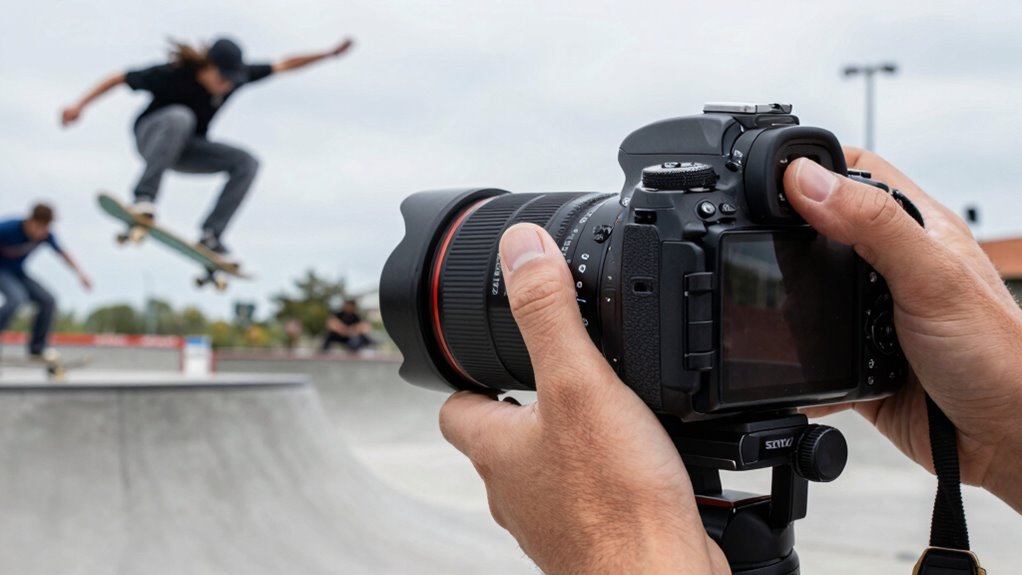
While stabilization tools can considerably improve shaky footage, many beginners make common mistakes that can worsen the problem or create new issues. First, neglecting lighting adjustments can cause grainy or inconsistent footage after stabilization. Second, overlooking audio clarity means you might stabilize visuals but ignore sound quality, losing important context. Third, overusing stabilization can produce unnatural motion or warping, making footage feel fake. Finally, failing to plan your shots leads to missed moments; stabilization isn’t a fix-all. Remember to balance stabilization with proper lighting and audio checks. Keeping these in mind ensures your footage remains authentic and clear, avoiding the pitfalls of over-correction and technical oversight.
How to Choose the Best Stabilization Gear for Your Needs

Choosing the right stabilization gear depends on your filming style, environment, and budget. If you’re filming dynamic action, a gimbal provides smooth footage and quick setup. For static scenes, a steady tripod or shoulder rig might suffice. Consider how you’ll maintain your equipment; durable gear reduces downtime, ensuring you stay ready for key moments. Also, think about how stabilization impacts your footage color grading; some stabilizers add weight or vibration that can affect post-production. Use the table below to visualize options:
| Filming Style | Recommended Gear |
|---|---|
| Action/Travel | Handheld gimbal, lightweight rig |
| Static/Studio | Tripod, shoulder rig |
| Low-light/Indoor | Stabilizer with good balance |
| Post-production focus | Minimal vibration, easy maintenance |
Frequently Asked Questions
What Are the Best Camera Settings for Stable Handheld Footage?
To get stable handheld footage, set your camera to a higher shutter speed to reduce motion blur, and use a low ISO for clarity. Stabilize your shots with camera accessories like gimbals or stabilizers, and adopt shooting techniques such as keeping your elbows tucked in and moving with smooth, controlled motions. These steps help minimize shake, ensuring your footage stays steady even during fast-paced action.
How Does Lighting Affect Stabilization Techniques?
Did you know that inconsistent lighting can increase your stabilization challenges by 30%? Lighting affects stabilization techniques because poor lighting results in fluctuating exposure, making footage harder to stabilize effectively. To keep your shots steady, focus on lighting consistency and manage exposure carefully. By controlling these factors, you reduce camera shake caused by adjusting settings mid-shot, ensuring your footage remains smooth and clear even in dynamic or changing lighting conditions.
Can Stabilization Be Achieved With Smartphone Cameras Effectively?
Yes, you can achieve effective stabilization with smartphone cameras. Use gimbal accessories to steady your shots and minimize shake, especially during action scenes. Additionally, stabilization apps help smooth out footage and correct minor jitters. Combining these tools guarantees your videos remain clear and professional-looking, even when moving quickly. Practice steady handling and leverage the right accessories and apps to capture dynamic moments without missing the action.
What Is the Cost Difference Between Manual and Electronic Stabilization?
You might find that manual stabilization tools like gimbal technology cost more upfront but offer smoother footage and more control, while electronic image stabilization is often built into your device or app, making it more affordable. Electronic stabilization is usually included in your smartphone or camera’s features, whereas gimbals require a purchase. The choice depends on your budget and the quality of stabilization you need—manual tools tend to be pricier but more effective.
How Do Weather Conditions Impact Stabilization Methods?
Weather challenges and environmental factors substantially impact stabilization methods. Rain, snow, and high winds can cause camera shake, making electronic stabilization less effective. You should adjust your approach based on conditions, using physical supports like gimbals or steadycams in windy environments. Protect your gear from moisture, and consider weather-resistant equipment. By adapting to weather challenges, you’ll maintain stable footage and capture those essential moments despite environmental obstacles.
Conclusion
Stabilizing handheld action footage might seem tricky, but with the right techniques and gear, you can capture every exciting moment smoothly. Remember, your body’s natural mechanics and the right tools go hand in hand, just like the unexpected coincidence of finding the perfect shot when you least expect it. Keep practicing, stay mindful of your movements, and don’t forget to review your footage—sometimes, the best stabilization comes from a little persistence and a dash of luck.
Fall Picks
fall essentials
As an affiliate, we earn on qualifying purchases.