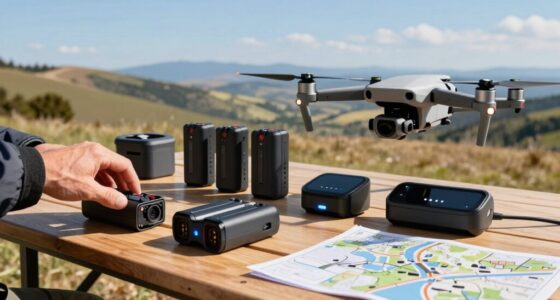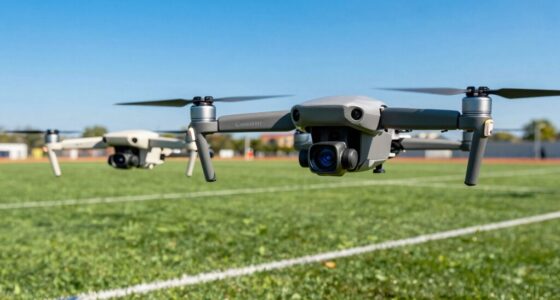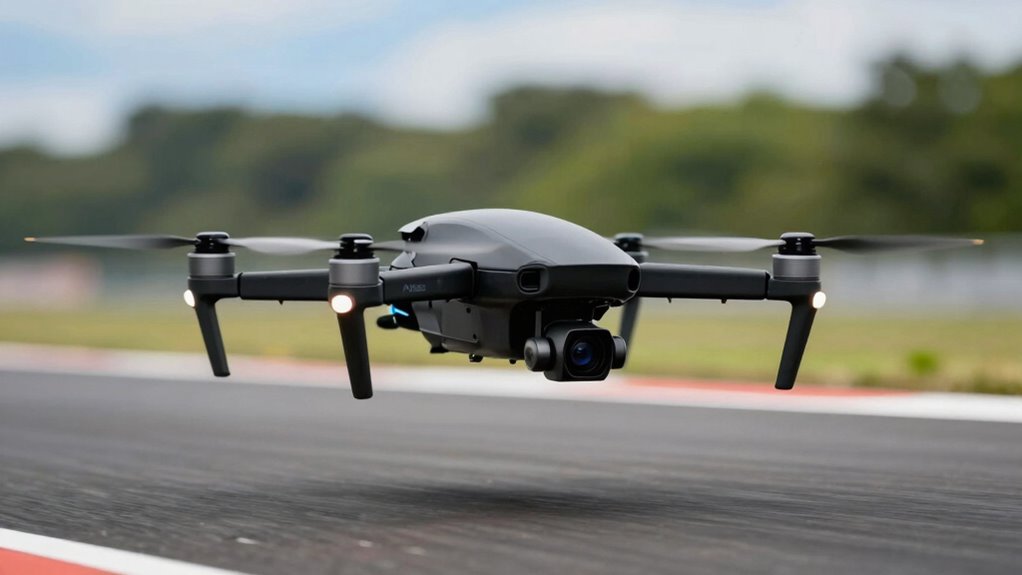
To avoid jerky yaw movements, focus on keeping your hands relaxed and use your whole arm for smooth, deliberate turns. Plan your movements in advance and start slowly, gradually increasing speed. Maintain proper equipment balance to reduce unintended jitters and practice consistently in controlled settings. Concentrate on steady, continuous motions and build muscle memory to improve your control. Keep practicing these techniques, and you’ll soon produce smoother footage that looks more professional and polished.
Key Takeaways
- Practice slow, deliberate yaw movements to build muscle memory and improve control.
- Keep your hands relaxed and use whole-arm motions for smoother turns.
- Maintain proper equipment balance to reduce unintended jitter and overcorrection.
- Plan and initiate movements gradually to avoid abrupt, jerky yaw shifts.
- Review footage regularly to identify and correct inconsistent or unstable yaw techniques.
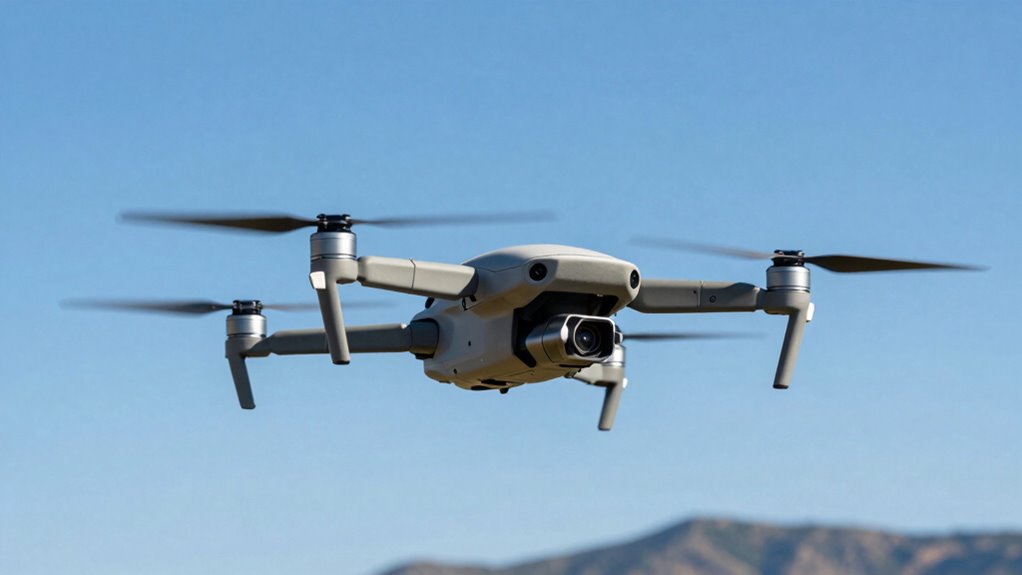
Yaw movements can make your footage look jittery and unprofessional, but you can prevent this by understanding how to control and smooth out those motions. When you’re behind the camera or operating a drone, steering smoothly is key to avoiding abrupt, jerky yaw shifts. It’s all about maintaining a steady hand and cultivating habits like smooth steering, which involves gentle, gradual adjustments rather than quick, sudden turns. The more you practice controlling your movements, the better you’ll get at achieving fluid yaw transitions that keep your footage stable and visually appealing.
Smooth yaw control through gentle, gradual movements enhances footage stability and professionalism.
Balance maintenance plays a crucial role here. If your device or camera isn’t properly balanced, even the slightest unintended movement can translate into noticeable jitter. Make sure your equipment is well-balanced before recording. This reduces the effort needed to stabilize yaw movements and minimizes the risk of unintentional jerks. Proper balance also helps you maintain control during quick directional changes, especially in dynamic shooting environments. When balance is off, your muscles may overcorrect, causing exaggerated yaw motions that are hard to smooth out later. Keeping your setup balanced gives you a solid foundation for fluid, controlled yaw adjustments. Additionally, understanding equipment stability can help you optimize your setup for smoother footage. Developing techniques for stabilization can further improve your ability to execute steady movements.
To improve your yaw control, focus on your body positioning and grip. Keep your hands steady and relaxed, avoiding tight grips that can induce tension and lead to abrupt movements. Instead, use your whole arm to make slow, deliberate turns, which allows for more precise control. When you anticipate a turn, plan your movement in advance by gradually initiating it rather than rushing into it. This foresight makes your steering more fluid and helps you maintain better balance throughout the maneuver. Developing proper technique can greatly enhance your ability to execute smooth yaw movements. Incorporating practice in controlled environments can further strengthen your skills and build muscle memory for consistent, smooth steering.
Additionally, practicing your yaw movements in a controlled environment can significantly enhance your ability to achieve smooth steering. Start with slow, deliberate turns and gradually increase your speed as you become more comfortable. Use visual cues to guide your movements, focusing on steady, continuous motion rather than sudden jerks. Over time, these habits will become second nature, and you’ll notice a marked improvement in the stability of your footage. Regularly reviewing your footage can also help you identify areas for improvement and refine your technique further.
Ultimately, avoiding jerky yaw movements boils down to conscious effort and good technique. By prioritizing smooth steering and balance maintenance, you can produce more professional-looking footage, capturing your scenes with clarity and finesse. Keep practicing these principles, and your ability to control yaw will improve steadily, elevating the overall quality of your videos or drone footage.
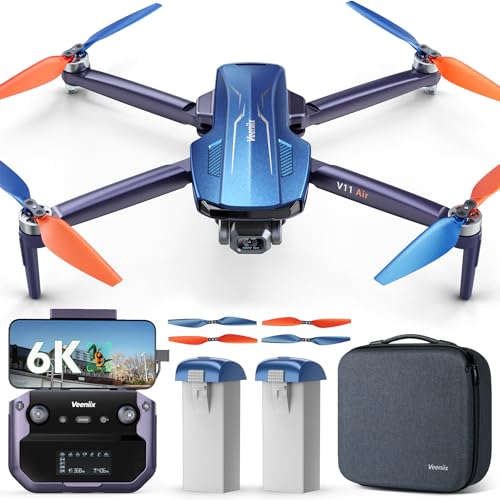
Veeniix 6K Photo 3 Axis Gimbal Camera Drone Brushless Quadcopter
- Colorful Propeller Design: Blue and orange for visibility and style
- High-Resolution Camera: 6K images and 4K videos for clarity
- 3-Axis Brushless Gimbal: Provides stable, smooth footage
As an affiliate, we earn on qualifying purchases.
As an affiliate, we earn on qualifying purchases.
Frequently Asked Questions
How Do Weather Conditions Affect Yaw Stability?
Weather impact profoundly influences yaw stability because wind gusts and turbulence can cause your aircraft to yaw unexpectedly. Wind shear or crosswinds challenge your yaw control, making the aircraft harder to keep steady. Rain, snow, or ice can also affect sensor performance, leading to less accurate yaw indications. To maintain stability, you must anticipate weather effects, adjust your controls promptly, and stay alert to changing conditions that threaten yaw stability.
What Are Common Signs of Yaw Instability in Vehicles?
You might notice yaw instability when your vehicle feels like it’s swaying or darting unexpectedly. Common signs include a loose steering feel, oscillations, or difficulty maintaining a straight line. These issues suggest a need for improved yaw control and stability enhancement. Recognizing these signs early helps you address the problem, ensuring smoother handling and safer driving. Regular maintenance and proper alignment keep yaw movements steady and predictable.
Can Driver Behavior Influence Yaw Movements Significantly?
Yes, your behavior can substantially influence yaw movements. Distractions like using a phone or adjusting controls divert your attention, causing uneven steering inputs that worsen yaw instability. Additionally, maintaining proper tire pressure is essential; under- or over-inflated tires can lead to unpredictable yaw responses. Staying focused and ensuring your tires are correctly inflated help you maintain better control, minimizing jerky yaw movements and improving overall vehicle stability.
Which Vehicle Types Are Most Prone to Yaw Issues?
You’ll find that high-performance or older vehicles are more prone to yaw issues, especially if suspension tuning isn’t optimized or tire pressure isn’t maintained properly. These vehicles often have stiffer suspensions or uneven tire pressures, making smooth yaw control challenging. Regularly checking and adjusting tire pressure, along with proper suspension tuning, can help reduce yaw movements and improve your driving experience, making handling feel more confident and precise.
How Often Should Yaw System Components Be Inspected?
You should perform yaw system maintenance and inspection roughly every 6,000 to 10,000 miles or as recommended by your vehicle manufacturer. Regular inspection frequency helps identify signs of wear or damage early, preventing jerky yaw movements. Check components like yaw sensors, actuators, and linkages for proper function. Consistent maintenance guarantees smooth handling and reduces the risk of sudden yaw issues, keeping your vehicle responsive and safe on the road.

SquEqu 30 Pack Drone Flight Controller Shock Absorption Ball Replacement Anti Vibration Rubber Mounting Pads Damper Stabilizer Noise Reduction Damping Balls for Racing Drones FPV Camera Gimbal F4 F7
- Package Includes: 30 anti-vibration rubber balls
- Material: High-quality durable rubber
- Function: Reduces flight controller sensitivity
As an affiliate, we earn on qualifying purchases.
As an affiliate, we earn on qualifying purchases.
Conclusion
Think of smooth yaw movements as a gentle river gliding over rocks—steady, calm, and effortless. By staying relaxed, practicing gradual corrections, and anticipating your aircraft’s responses, you’ll steer clear of jerky motions. Remember, every small adjustment is like a ripple spreading smoothly across the surface. With patience and focus, you’ll create a seamless flow, turning what seemed tricky into a graceful dance through the skies. Keep practicing, and your yaw control will become second nature.
Veeniix 6K Photo 3 Axis Gimbal Camera Drone Brushless Quadcopter
- Colorful Propeller Design: Blue and orange for visibility and style
- High-Resolution Camera: 6K images and 4K videos for clarity
- 3-Axis Brushless Gimbal: Provides stable, smooth footage
As an affiliate, we earn on qualifying purchases.
As an affiliate, we earn on qualifying purchases.
drone balance and stabilization kit
As an affiliate, we earn on qualifying purchases.
As an affiliate, we earn on qualifying purchases.