The overlooked truth about rally photography tips is that success isn’t just about camera gear or angles; it’s about understanding the racecourse, weather, and safety regulations. Using drone angles can add a fresh perspective, but they require careful planning and knowledge of local rules. Weather conditions like rain or fog can dramatically impact your shots, so adapting your settings is essential. Keep these hidden details in mind, and you’ll capture more dynamic, impactful images—there’s more to discover if you continue exploring.
Key Takeaways
- Mastering drone angles requires understanding racecourse dynamics to capture the most impactful and dynamic shots.
- Weather conditions significantly influence photo quality; adapting settings enhances images in rain, fog, or bright sunlight.
- Proper safety awareness and regulation compliance are often overlooked but crucial for responsible rally drone photography.
- Strategic planning and positioning based on race action spots maximize shot impact and storytelling.
- Protecting gear with waterproof covers and carrying backups ensures image quality amidst unpredictable weather.

Capturing the thrill of rally racing requires more than just a good camera; it demands a keen eye and quick reflexes to seize the perfect shot. One of the most overlooked aspects of rally photography is how you use drone angles. Drones give you an aerial perspective that can transform your images from ordinary to extraordinary. Instead of sticking to ground-level shots, consider how a drone can capture the full scope of a race, showcasing the twists, turns, and speed of the vehicles from above. Fly your drone to get unique vantage points—approaching tight corners or following the action from above can provide dynamic, eye-catching compositions. But remember, drone angles aren’t just about novelty; they require planning and awareness of the racecourse. Know where the action will be and position your drone accordingly, making certain you’re not just capturing the race but doing so from an angle that highlights the excitement and scale of the event. Additionally, understanding drone safety** and local regulations is crucial to ensure your shots don’t interfere with the race or cause safety issues. Weather considerations are equally important and often underestimated in rally photography. The weather can make or break your shots, so always check the forecast before heading out. Rain, fog, or bright sunlight each presents unique challenges and opportunities. Rain can add a dramatic, gritty atmosphere to your images, especially if you capture the spray kicked up by speeding vehicles. Fog, on the other hand, can lend a mysterious, almost surreal quality if you shoot during early mornings or late evenings. Bright sunlight, while generally desirable, can cause harsh shadows and overexposure, so use lens filters or shoot during the golden hours—just after sunrise or before sunset—to get softer, more flattering light. Also, be prepared for sudden weather changes. Keep your camera gear protected with waterproof covers or bags, and always have spare batteries and lens cloths on hand. The weather influences not only your camera’s performance but also your safety and the safety of your equipment. Adjust your settings accordingly—slower shutter speeds during rain to capture motion, or higher ISO in fog—to ensure your photos are sharp and well-exposed. Developing a weather-aware mindset can significantly improve your ability to adapt to changing conditions and capture compelling images. Mastering weather conditions and drone angles requires not only technical skill but also a proactive mindset, enabling you to adapt quickly to changing circumstances. A thorough knowledge of the racecourse layout can also help you anticipate where to position your drone and camera for the most impactful shots, especially when combined with your understanding of local regulations. Ultimately, mastering drone angles and weather considerations isn’t just about technical know-how; it’s about being adaptable and proactive. When you combine these elements with your timing and instinct, you’ll elevate your rally photography from simple snapshots to compelling stories** that truly convey the adrenaline of the race. Keep an eye on the weather, plan your drone shots carefully, and stay flexible—these overlooked truths can make all the difference in capturing those unforgettable moments on the track.
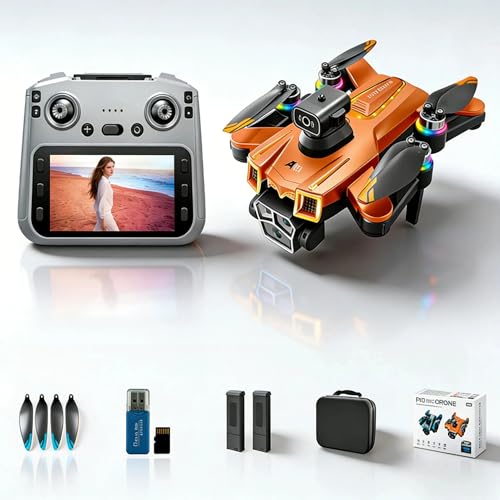
Drone with camera for kids, drones for Kids 8-12 with camera & dynamic racing LED lights, 5.6" Built-In FPV Screen, Dual Batteries, Perfect Holiday & Birthday Gift, Indoor & Outdoor Quadcopter Toy
- Night Flight with LED Lights: Dynamic racing LED effects for exciting night flights
- HD Triple Camera System: Captures clear photos and videos from multiple angles
- Adjustable 90° Lens: Flexible shooting perspectives for aerial photography
As an affiliate, we earn on qualifying purchases.
As an affiliate, we earn on qualifying purchases.
Frequently Asked Questions
What Camera Settings Are Best for High-Speed Rally Shots?
For high-speed rally shots, you should set your camera to a fast shutter speed, around 1/1000s or higher, to freeze motion. Use continuous autofocus techniques like AI Servo or AF-C to keep the car sharp as it moves. Lens selection matters too—telephoto lenses like 70-200mm or 300mm help capture distant action clearly. Combining these settings guarantees you get crisp, dynamic rally photos with excellent focus.
How Do I Protect My Equipment During Harsh Rally Conditions?
To protect your equipment during harsh rally conditions, focus on camera gear maintenance and use protective gear essentials. Always keep your camera in weather-sealed bags or covers, and use lens filters to shield against dust and debris. Regularly check and clean your gear to prevent damage. Carry spare batteries and memory cards in waterproof cases, and avoid exposing your camera to extreme elements for extended periods.
What Are the Best Locations for Rally Photography?
You’ll want to position yourself where the action unfolds, like tight corners or sweeping bends, but always prioritize spectator safety and respect local rally rules. These spots often offer dramatic views and dynamic shots, capturing cars at their fastest. Stay behind designated barriers, avoid restricted areas, and check rally regulations. By doing so, you’ll find the perfect vantage point to capture the thrill without risking safety or breaking rules.
How Can I Capture the Driver’s Emotion Effectively?
You can capture driver’s emotion effectively by focusing on their expressions during key moments. Use a fast shutter speed to freeze intense facial reactions, capturing raw emotion. Position yourself where you can observe the driver’s face clearly, like near turns or jumps. Stay alert for moments of concentration, joy, or frustration. Through these shots, you create emotional storytelling that connects viewers to the driver’s experience, making your rally photos more compelling.
What Post-Processing Techniques Enhance Rally Photos?
Think of post-processing as adding the finishing brushstrokes to a masterpiece. You should focus on image editing to sharpen details and enhance motion, making the action pop. Color correction is essential to bring vibrancy and accurate tones to your rally photos. Use these techniques to create dynamic images that draw viewers into the thrill of the race, making your shots stand out and tell the full story behind each shot.

2Pack Camera Rain Cover Clear Waterproof Sleeve for Camera w Lens up to 11"
- Professional Rain Cover: Fits DSLR cameras up to 11 inches
- 2 Pack Clear Covers: See-through polyethylene with drawstring closure
- All-Weather Protection: Safeguards camera from rain, snow, dust, and sand
As an affiliate, we earn on qualifying purchases.
As an affiliate, we earn on qualifying purchases.
Conclusion
Remember, mastering rally photography isn’t just about snapping shots; it’s about capturing the heart of the race. Keep practicing, stay patient, and don’t be afraid to step outside your comfort zone. The road to great photos is paved with persistence and passion. When you finally catch that perfect moment, you’ll realize it’s all worth the effort—you’ll have truly hit the nail on the head. So, keep your eye on the prize and enjoy every shot you take!

NEEWER 58mm ND Lens Filter Kit: UV, CPL, FLD, ND2, ND4, ND8, Lens Hood and Lens Cap Compatible with Canon Nikon Sony Panasonic DSLR Cameras with 58mm Lens
- Complete Camera Lens Filter Kit: Includes ND, CPL, UV, FLD filters, hood, cap, pouch, tether
- Balanced Exposure with ND Filters: ND2, ND4, ND8 reduce light for proper exposure
- Light Control with CPL/UV Filters: CPL reduces reflections; UV protects lens
As an affiliate, we earn on qualifying purchases.
As an affiliate, we earn on qualifying purchases.

Skyvoyant B14 drone replacement accessory kit
- Product Name: Skyvoyant B14 Drone Accessory Kit
As an affiliate, we earn on qualifying purchases.
As an affiliate, we earn on qualifying purchases.