
Choosing the best lenses for hybrid sports shooters involves balancing speed, versatility, and image quality across different environments. The Tamron 35-150mm F/2-2.8 Di III VXD stands out as the overall top choice for its broad zoom range and fast aperture, ideal for capturing fast action with flexibility. Meanwhile, the Sony E-Mount 70-350mm f/4.5-6.3 G OSS offers impressive reach for distant subjects, perfect for outdoor sports. A key tradeoff in this category is between zoom versatility and low-light performance, often requiring a compromise in aperture size or weight. Keep reading for a detailed breakdown of each lens to help you find the perfect fit for your shooting style.
Key Takeaways
- Versatility in focal length ranges is critical for capturing a wide variety of sports scenarios.
- Fast apertures (f/2.8 or wider) significantly improve low-light performance and subject isolation, but often come at a higher cost or weight.
- Optical stabilization (OIS or VC) is essential for handheld shooting during fast-paced action.
- Lenses designed for APS-C sensors tend to be smaller and lighter, but may require crop sensor cameras for best results.
- Price often correlates with build quality and speed, but some budget options offer surprising performance for entry-level shooters.
| Tamron 35-150mm F/2-2.8 Di III VXD for Sony E-Mount (Full Frame/APS-C) |  | Best Overall for Versatile Hybrid Shooting | Length: 6.2 inches | Weight: 41.1 oz | Maximum Aperture: f/2-2.8 | VIEW LATEST PRICE | See Our Full Breakdown |
| Fujifilm Fujinon XF70-300mm F4.5-5.6 R LM OIS WR Super Telephoto Zoom Lens |  | Best Weather-Resistant Telephoto for Outdoor Sports | Focal Length Range: 70-300mm (107-457mm 35mm equiv.) | Maximum Teleconverter Compatibility: 914mm | Close Focusing Distance: 32.7 inches | VIEW LATEST PRICE | See Our Full Breakdown |
| Sony E-Mount 70-350mm f/4.5-6.3 G OSS Super Telephoto Zoom Lens |  | Best Lightweight Telephoto for Distant Action | Focal Length: 70-350mm | Aperture Range: f/4.5-6.3 | Zoom Ratio: 5:1 | VIEW LATEST PRICE | See Our Full Breakdown |
| Tamron 18-300mm F/3.5-6.3 Di III-A VC VXD Lens for Sony E APS-C Mirrorless Cameras |  | Best All-in-One Zoom for Versatile Shooting | Zoom Ratio: 16.6x | Focal Length Range: 18-300mm | Aperture Range: f/3.5-6.3 | VIEW LATEST PRICE | See Our Full Breakdown |
| Tamron 17-70mm f/2.8 Di III-A VC RXD Lens for Sony E APS-C Mirrorless Cameras |  | Best Compact Standard Zoom for Hybrid Use | Focal Length: 17-70mm | Maximum Aperture: f/2.8 | Zoom Ratio: 4.1x | VIEW LATEST PRICE | See Our Full Breakdown |
| Tamron 150-500mm f/5-6.7 Di III VC VXD Lens |  | Best for Extended Telephoto Reach in Compact Form | Focal Length: 150-500mm | Maximum Aperture: f/5-6.7 | Camera Mount: Sony E | VIEW LATEST PRICE | See Our Full Breakdown |
| Tamron 28-75mm F/2.8 Di III VXD G2 (Model A063) for Sony E-Mount Full Frame/APS-C |  | Best Versatile Fast Zoom for Dynamic Shooting | Focal Length: 28-75mm | Aperture: f/2.8 | Autofocus Motor: VXD Linear Motor | VIEW LATEST PRICE | See Our Full Breakdown |
| Tamron 28-200mm F/2.8-5.6 Di III RXD for Sony E-Mount Mirrorless Cameras |  | Best All-in-One Zoom for Convenience and Flexibility | Focal Length: 28-200mm | Aperture Range: f/2.8-5.6 | Mount Type: Sony E | VIEW LATEST PRICE | See Our Full Breakdown |
| Panasonic LUMIX G X VARIO PZ 45-175mm F4.0-5.6 ASPH Power O.I.S Lens for Micro Four Thirds | 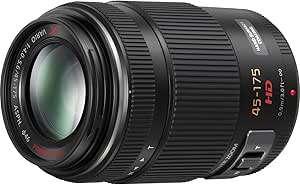 | Best Lightweight Telephoto with Stabilization | Zoom Range: 45-175mm | Aperture Range: f/4.0-5.6 | Lens Coating Technology: Nano Surface Coating | VIEW LATEST PRICE | See Our Full Breakdown |
| Sigma 70-200mm f/2.8 DG DN OS Sports Lens for Sony E |  | Best Overall for Versatile Sports and Wildlife Shooting | Aperture Range: f/2.8 to f/22 | Focal Length: 70-200mm | Stabilization: OS2 Algorithm (7.5 Stops) | VIEW LATEST PRICE | See Our Full Breakdown |
| Canon EF 50mm f/1.8 STM Lens, Black |  | Best for Low-Light Action and Portraits in Compact Form | Focal Length & Maximum Aperture: 50mm f/1.8 | Lens Construction: 6 elements in 5 groups | Diagonal Angle of View: 46° | VIEW LATEST PRICE | See Our Full Breakdown |
| Tamron 70-300mm F/4.5-6.3 Di III RXD for Sony Mirrorless E-Mount |  | Best Lightweight Telephoto with Close-up Capability | Focal Length: 70-300mm | Aperture Range: F/4.5-6.3 | Minimum Focus Distance: 31.5″ (wide), 59.1″ (tele) | VIEW LATEST PRICE | See Our Full Breakdown |
More Details on Our Top Picks
Tamron 35-150mm F/2-2.8 Di III VXD for Sony E-Mount (Full Frame/APS-C)
This lens stands out for offering a rare combination of a fast, constant aperture from F2 to F2.8 in a zoom that covers a broad focal range, making it ideal for capturing fast-paced sports with a cinematic feel. Its superior optical performance rivals more expensive primes, and the quiet, high-speed VXD autofocus ensures sharp shots even in unpredictable action. Compared to the Tamron 17-70mm, it provides more reach for distant subjects, though it is noticeably heavier, which may impact handheld stability during extended shoots. The close-focusing capability expands creative options for capturing detailed foreground elements. However, its weight—over 41 ounces—can be a drawback for all-day handheld use, and the premium price might be prohibitive for budget-conscious shooters. This pick makes the most sense for hybrid shooters who need both speed and flexibility without switching lenses.
Pros:- Fast F2-2.8 constant aperture enables excellent low-light and depth control
- High-speed VXD autofocus provides rapid, quiet focusing suitable for moving subjects
- Excellent close-focusing distance allows creative framing
Cons:- Heavier than typical zoom lenses, adding fatigue during long shoots
- Premium price point may be a barrier for some users
Best for: Advanced amateur or professional sports photographers who prioritize speed, flexibility, and high optical quality in a single lens
Not ideal for: Travel photographers or casual shooters who prefer lightweight gear or are on a tight budget
- Length:6.2 inches
- Weight:41.1 oz
- Maximum Aperture:f/2-2.8
- Autofocus:VXD linear motor
- Minimum Focus Distance:13 inches
- Warranty:6 Year Limited USA
Bottom line: This lens is perfect for serious hybrid sports shooters seeking speed, range, and optical excellence in a single, versatile package.
Fujifilm Fujinon XF70-300mm F4.5-5.6 R LM OIS WR Super Telephoto Zoom Lens
This lens excels for outdoor sports and adventure shooters who need durability paired with a versatile focal range from 70mm to 300mm. Its weather-resistant construction and compact design make it ideal for unpredictable environments, and the expandable reach up to 914mm with teleconverters adds extra flexibility for distant action. While its variable aperture limits low-light performance compared to constant aperture options like the Tamron 35-150mm, it compensates with excellent image stabilization and a silent autofocus system, making it suitable for both stills and video. Compared with Sony’s 70-350mm, it offers better weather sealing but slightly less zoom range, and the aperture’s limitations can challenge shooting in low-light conditions. This lens is best for outdoor enthusiasts who need ruggedness and extended reach on the move.
Pros:- Weather-resistant build withstands tough outdoor conditions
- Expandable focal range up to 914mm with teleconverters
- Good optical stabilization reduces camera shake
Cons:- Variable aperture limits low-light and night shooting
- Additional teleconverters are an extra expense
Best for: Outdoor sports and wildlife photographers who prioritize durability and extended focal range in challenging conditions
Not ideal for: Indoor or low-light sports shooters who need a constant aperture for better exposure control
- Focal Length Range:70-300mm (107-457mm 35mm equiv.)
- Maximum Teleconverter Compatibility:914mm
- Close Focusing Distance:32.7 inches
- Optical Image Stabilization:5.5 stops
- Weather Resistance:Dust and moisture-resistant
- Weight:1.3 lb
Bottom line: This lens is well-suited for rugged outdoor sports shooters who value durability and long reach over constant aperture in low-light scenarios.
Sony E-Mount 70-350mm f/4.5-6.3 G OSS Super Telephoto Zoom Lens
This lightweight lens is designed for Sony APS-C shooters who need to cover a broad range from 70mm to 350mm with minimal weight. Its optimized optical design delivers sharp images from corner to corner, and the XD linear motor assures fast autofocus crucial for capturing fleeting sports moments. The Optical SteadyShot stabilization helps maintain clarity during handheld shooting, especially at the telephoto end. However, the variable aperture of f/4.5-6.3 limits low-light performance, making it less ideal in dim settings. Compared with the Tamron 17-70mm, it offers more reach but sacrifices aperture speed, and its APS-C only compatibility restricts versatility for full-frame users. This lens is best for sports shooters who prioritize portability and reach, especially in bright outdoor conditions.
Pros:- Lightweight and compact for extended handheld use
- Sharp, consistent image quality across the zoom range
- Fast autofocus with XD linear motor
Cons:- Variable aperture reduces low-light capability
- Limited to APS-C cameras, restricting full-frame users
Best for: Sony APS-C sports photographers who need a lightweight, long-reach lens for outdoor action
Not ideal for: Indoor or low-light sports shooters needing a fast aperture or full-frame compatibility
- Focal Length:70-350mm
- Aperture Range:f/4.5-6.3
- Zoom Ratio:5:1
- Image Stabilization:Optical SteadyShot
- Weight:22 oz
- Minimum Focal Length:70mm
Bottom line: This lens makes the most sense for Sony APS-C sports shooters seeking portability and reach in bright conditions.
Tamron 18-300mm F/3.5-6.3 Di III-A VC VXD Lens for Sony E APS-C Mirrorless Cameras
This all-in-one zoom lens offers incredible versatility for hybrid shooters who want to cover everything from wide-angle to ultra-telephoto in a single package. Its 16.6x zoom range eliminates the need for multiple lenses, making it ideal for dynamic sports environments where conditions change rapidly. The VXD linear motor autofocus provides fast, quiet operation, and the high-resolution edge-to-edge sharpness ensures every shot is crisp. Compared with the Tamron 17-70mm, it sacrifices some aperture speed but makes up for it with an unmatched zoom range. Its variable aperture, however, may challenge low-light performance, and the slightly heavier weight could affect handheld stability during prolonged shoots. This lens is best for travel-heavy or unpredictable sports scenarios where flexibility outweighs low-light advantage.
Pros:- Ultra-wide zoom range covers most shooting needs
- Fast, quiet autofocus suitable for video and stills
- High-resolution, edge-to-edge sharpness
Cons:- Variable aperture limits low-light performance
- Potentially heavy for extended handheld use
Best for: Travel or casual sports shooters who need a single lens capable of handling a wide variety of shooting scenarios
Not ideal for: Professional sports shooters requiring fast apertures for low-light or indoor environments
- Zoom Ratio:16.6x
- Focal Length Range:18-300mm
- Aperture Range:f/3.5-6.3
- Minimum Focusing Distance:5.9 inches
- Weight:21.9 oz
- Filter Size:67mm
Bottom line: This lens is ideal for hybrid shooters seeking maximum versatility in a compact, all-in-one package.
Tamron 17-70mm f/2.8 Di III-A VC RXD Lens for Sony E APS-C Mirrorless Cameras
This lens offers a bright, constant f/2.8 aperture across a versatile 17-70mm range, making it a strong choice for hybrid sports shooters who need quick reaction times and good low-light performance. Its compact and lightweight design pairs well with fast autofocus, thanks to the RXD linear motor, and the AI-enhanced Vibration Compensation ensures stable shots during action. Compared to larger zooms like the Tamron 35-150mm, it’s more portable but covers less focal length, making it less suitable for distant subjects. The minimum focusing distance of 7.5 inches allows some creative close-ups, yet it’s less macro-oriented. This lens is best for shooters who prioritize a fast aperture and portability for everyday sports and street action.
Pros:- Constant f/2.8 aperture for better low-light and background control
- Compact, lightweight design enhances portability
- Effective AI Vibration Compensation stabilizes handheld shots
Cons:- Limited zoom range compared to larger telephoto lenses
- Minimum focusing distance may restrict macro-like shots
Best for: Amateur or enthusiast sports shooters who need a fast, compact zoom for versatile, on-the-go shooting
Not ideal for: Shooters needing super telephoto reach or working in very low-light conditions without additional lighting
- Focal Length:17-70mm
- Maximum Aperture:f/2.8
- Zoom Ratio:4.1x
- Vibration Compensation:AI-enhanced VC
- Minimum Focusing Distance:7.5 inches
- Filter Size:67mm
Bottom line: This lens is a great choice for hybrid shooters who want a fast, portable standard zoom for diverse sports scenarios.
Tamron 150-500mm f/5-6.7 Di III VC VXD Lens
This ultra-telephoto zoom stands out for full-frame Sony mirrorless shooters needing extended reach without sacrificing portability. Compared with the Tamron 28-200mm, it offers a much longer focal length, ideal for capturing distant action, but its narrower aperture limits low-light performance, particularly in early morning or indoor sports. The VXD autofocus is quiet and reliable, making it suitable for fast-paced scenes, while the optical stabilization helps maintain sharpness handheld. However, the lens’s higher price might deter budget-conscious shooters, and its f/5-6.7 aperture means it’s less versatile in dim conditions. This pick makes the most sense for those prioritizing reach and portability over low-light ability, such as wildlife or outdoor sports enthusiasts.
Pros:- Compact design for a 500mm ultra-telephoto lens
- Advanced VXD autofocus system with quiet operation
- Optical image stabilization for handheld shooting
Cons:- Narrow maximum aperture (f/5-6.7) may limit low-light performance
- Higher price point for budget-conscious photographers
Best for: Shooters who need significant telephoto extension while maintaining a compact size, especially for outdoor sports and wildlife.
Not ideal for: Indoor or low-light sports shooters who require wider apertures for faster shutter speeds and better low-light performance.
- Focal Length:150-500mm
- Maximum Aperture:f/5-6.7
- Camera Mount:Sony E
- Image Stabilization:Optical (VC)
- Minimum Focus Distance:23.6 inches
- Lens Coating:Fluorine Coating
Bottom line: This lens is ideal for those needing long reach in a portable package, but less suited for low-light sports scenarios.
Tamron 28-75mm F/2.8 Di III VXD G2 (Model A063) for Sony E-Mount Full Frame/APS-C
This lens makes the most sense for hybrid sports shooters who want a reliable, fast zoom with excellent close-up capabilities. Unlike the Tamron 28-200mm, it offers a constant f/2.8 aperture, making it more suitable for low-light conditions and achieving pleasing background blur during fast-paced action. Its compact size and quiet VXD autofocus motor add to its appeal for handheld shooting in unpredictable environments. While limited to Sony E-mount, it provides sharpness from edge to edge, and its weather-resistant build adds durability. However, the 7.1-inch minimum focus distance may fall short for extreme macro work, and the 67mm filter size could require adapters for some accessories. This lens suits active shooters who need speed, clarity, and weather resistance in a lightweight package.
Pros:- Fast, quiet VXD autofocus system
- Compact and lightweight for a fast zoom lens
- Excellent close-up capabilities with 1:2.7 magnification
- Weather-resistant construction with fluorine coating
Cons:- Limited to Sony E-mount cameras
- 67mm filter size may require adapters for some accessories
Best for: Photographers covering sports, events, or wildlife who want a versatile, fast zoom with close-focus capabilities.
Not ideal for: Those shooting primarily in low-light settings without additional lighting or those needing a broader focal range.
- Focal Length:28-75mm
- Aperture:f/2.8
- Autofocus Motor:VXD Linear Motor
- Minimum Focus Distance:7.1″
- Magnification Ratio:1:2.7
- Weight:19 oz (538g)
Bottom line: This lens is perfect for hybrid shooters seeking a fast, reliable zoom that performs well in variable conditions and close-up scenarios.
Tamron 28-200mm F/2.8-5.6 Di III RXD for Sony E-Mount Mirrorless Cameras
This all-in-one zoom is tailored for hybrid sports shooters who need a flexible focal range with decent low-light performance at the wide end. Compared to the Tamron 28-75mm, it offers a broader zoom range, reducing the need to change lenses mid-action but at the cost of a narrower aperture (f/5.6) at the telephoto end, which can limit shutter speed choices in dim conditions. Its lightweight and compact design make it suitable for travel and quick transitions, though it depends heavily on camera body stabilization due to the absence of in-lens stabilization. The moisture-resistant build adds durability for outdoor use, but the tradeoff is less sharpness at the extremities compared to more specialized lenses. This lens fits those prioritizing convenience and versatility over maximum low-light capability or edge-to-edge sharpness.
Pros:- All-in-one zoom range for versatility
- Fast f/2.8 aperture at 28mm for low-light conditions
- Compact and lightweight (4.6 inches, 20.3 oz)
- Moisture-resistant construction with fluorine coating
Cons:- Aperture narrows to f/5.6 at 200mm, reducing light-gathering
- Zoom range may lack sharpness at extreme ends
- No in-lens image stabilization, reliant on camera body
Best for: Travel, casual sports, and outdoor photographers needing a single lens to cover a wide focal range with decent low-light handling.
Not ideal for: Professional sports shooters requiring maximum sharpness and low-light performance, or those shooting in very dark conditions.
- Focal Length:28-200mm
- Aperture Range:f/2.8-5.6
- Mount Type:Sony E
- Weight:20.3 oz (576 g)
- Length:4.6 inches (117 mm)
- Minimum Focus Distance:7.5″ / 31.5″
Bottom line: This lens offers excellent convenience for hybrid shooters who value coverage and portability but less so in challenging low-light sports settings.
Panasonic LUMIX G X VARIO PZ 45-175mm F4.0-5.6 ASPH Power O.I.S Lens for Micro Four Thirds
This lens is suited for hybrid shooters using Micro Four Thirds systems who need a portable, stabilized telephoto option. Its 45-175mm (90-350mm equivalent) range covers most sporting scenarios, and the POWER O.I.S. stabilization helps mitigate camera shake during handheld shooting. Its Nano Surface Coating reduces flare and ghosting, ensuring clearer images in bright conditions, while the ED lenses minimize chromatic aberration. Compared with larger telephoto lenses, it offers a significant advantage in weight—just 7.4 ounces—making it easier to carry for extended periods. Still, the smaller aperture limits performance in low-light situations, and the telephoto range may require additional lenses for wider shots or macro work. This lens makes sense for those who prioritize portability and stabilization in micro four-thirds systems.
Pros:- Lightweight and compact design for high mobility
- Effective POWER O.I.S. stabilization for handheld shooting
- Nano Surface Coating to reduce flare and ghosting
- Two ED lenses for chromatic aberration control
Cons:- Maximum aperture may be limiting in very low-light conditions
- Telephoto range might require additional lenses for wider shots
Best for: Amateur to semi-pro shooters using Micro Four Thirds cameras who want a lightweight, stabilized telephoto lens for outdoor sports and travel.
Not ideal for: Shooters needing maximum low-light performance or those shooting in very dark indoor venues, due to its limited aperture.
- Zoom Range:45-175mm
- Aperture Range:f/4.0-5.6
- Lens Coating Technology:Nano Surface Coating
- Image Stabilization:Power O.I.S.
- Length:90mm
- Weight:7.4 oz (210 g)
Bottom line: This lens is ideal for micro four-thirds users seeking a portable, stabilized telephoto option suitable for outdoor sports and travel.
Sigma 70-200mm f/2.8 DG DN OS Sports Lens for Sony E
This Sigma 70-200mm f/2.8 DG DN OS stands out as the best choice for hybrid sports shooters who need a versatile telephoto lens capable of handling fast action and low-light conditions. Its constant f/2.8 aperture ensures excellent subject separation and brightness in challenging lighting, outperforming zooms like the Tamron 70-300mm in low-light scenarios. The dual HLA autofocus motors deliver quick, accurate focusing, crucial for capturing fast-moving subjects, while the OS2 stabilization provides up to 7.5 stops of correction—ideal for handheld shooting during dynamic moments. The build quality is durable, with dust- and splash-resistance, making it suitable for outdoor sports and wildlife. However, its high price may be prohibitive for amateur shooters, and the four-year warranty doesn’t cover accidental damage, which could be a concern for active use. This lens is best suited for professionals or serious enthusiasts needing reliable, high-performance telephoto capabilities.
Pros:- Fast and precise dual HLA autofocus system
- Excellent low-light performance with constant f/2.8 aperture
- Advanced OS2 stabilization for handheld shooting
- Weather-resistant, durable build
Cons:- High price point for non-professional users
- Warranty limited to 4 years, excluding accidental damage
Best for: Professional sports and wildlife photographers who demand durability, fast autofocus, and excellent low-light performance.
Not ideal for: Casual shooters or hobbyists on a tight budget, as the premium price may outweigh the benefits for occasional use.
- Aperture Range:f/2.8 to f/22
- Focal Length:70-200mm
- Stabilization:OS2 Algorithm (7.5 Stops)
- Mount Type:Sony E
- Build Features:Dust- and Splash-Resistant, Carbon Fiber Lens Hood
Bottom line: This lens makes the most sense for experienced shooters needing a durable, fast, and versatile telephoto for sports and wildlife.
Canon EF 50mm f/1.8 STM Lens, Black
The Canon EF 50mm f/1.8 STM is a prime lens that excels in low-light conditions and provides beautiful background blur, making it a strong choice for shooters needing quick reactions in tight spaces. Compared with zooms like the Tamron 70-300mm, it offers a much wider aperture—f/1.8 versus variable apertures—delivering sharper images with a softer background, ideal for portrait and action shots. Its STM motor ensures near-silent autofocus, essential when shooting video or discreetly capturing in lively environments. The compact, lightweight design makes it highly portable, perfect for handheld use during fast-paced sports. The main tradeoff is its fixed focal length, which limits framing options and may require more physical movement, and it’s less versatile than zoom lenses for covering multiple distances quickly. This lens is best for those who prioritize image quality and portability over zoom flexibility.
Pros:- Near-silent STM autofocus for video and quiet shooting
- Bright f/1.8 aperture for low-light conditions and creamy bokeh
- Compact and lightweight, easy to carry during active shoots
Cons:- Fixed focal length limits framing options in fast-paced situations
- Less versatile compared to zoom lenses for covering multiple distances
Best for: Amateur to semi-professional sports shooters who focus on low-light action and portrait-style framing with a lightweight setup.
Not ideal for: Photographers who need variable focal lengths or shoot in unpredictable environments where zoom flexibility is essential.
- Focal Length & Maximum Aperture:50mm f/1.8
- Lens Construction:6 elements in 5 groups
- Diagonal Angle of View:46°
- Closest Focusing Distance:1.15 ft (0.35m)
- Filter Size:49mm
- Dimensions & Weight:2.7 x 1.5 in (69.2 x 39.3mm), 5.6 oz (159g)
Bottom line: This lens is ideal for shooters who value low-light performance and portability over zoom versatility.
Tamron 70-300mm F/4.5-6.3 Di III RXD for Sony Mirrorless E-Mount
The Tamron 70-300mm F/4.5-6.3 Di III RXD offers a practical zoom range in a lightweight package, making it suitable for hybrid shooters who need to cover a broad distance without carrying heavy gear. While the variable maximum aperture of f/4.5-6.3 limits low-light performance compared to brighter lenses like the Sigma 70-200mm f/2.8, it compensates with its portability and effective close-up capabilities—minimum focus distances of 31.5″ (wide) and 59.1″ (tele). Compared to heavier, more expensive telephotos, this Tamron’s moisture-resistant construction and 6-year warranty add durability and peace of mind in outdoor conditions. The main tradeoff is the narrower aperture, which may struggle in difficult lighting, requiring higher ISO settings or supplemental lighting. Still, for those balancing weight and zoom flexibility, this lens stands out. This pick is perfect for casual sports shooters and wildlife enthusiasts who prioritize ease of use and lightness over low-light prowess.
Pros:- Lightweight and portable design
- Effective close-up shooting with minimum focus distances
- Moisture-resistant construction for outdoor durability
- Six-year warranty offers added reliability
Cons:- Variable aperture limits low-light and depth-of-field control
- Longer focal length requires careful handling to avoid camera shake
Best for: Amateur sports and wildlife photographers needing a lightweight, versatile zoom for outdoor use.
Not ideal for: Professional shooters requiring maximum low-light capability or fast apertures for critical moments.
- Focal Length:70-300mm
- Aperture Range:F/4.5-6.3
- Minimum Focus Distance:31.5″ (wide), 59.1″ (tele)
- Mount Type:Sony E-Mount
- Warranty:Tamron 6-Year Limited USA
Bottom line: This lens is best suited for casual shooters who want a lightweight telephoto with decent close-up performance in outdoor environments.

How We Picked
These lenses were selected based on a combination of performance, versatility, build quality, and value for hybrid sports shooters. Priority was given to focal length ranges that cover both wide and telephoto needs, with a preference for fast apertures to handle varied lighting conditions. Optical stabilization was a key factor, ensuring sharp handheld shots during fast action. Additionally, the evaluation considered weight and size, since mobility and ease of handling are vital for dynamic sports environments. The ranking reflects a balance between professional-grade features and accessibility for enthusiasts.
Factors to Consider When Choosing Best Lenses For Hybrid Sports Shooters
When choosing lenses for hybrid sports shooting, several critical factors influence performance and usability. Understanding these can help avoid common pitfalls like overpaying for unnecessary features or selecting lenses that don’t match your typical shooting conditions. Carefully balancing speed, focal length, and size ensures your gear supports your style without becoming a burden. Keep these considerations in mind to make smarter, more satisfying purchases.
Focal Length Range
For hybrid sports shooters, a versatile focal length range is essential to adapt to different sports environments, from close-up action to distant plays. Zoom lenses covering wide to telephoto ranges reduce the need to switch lenses frequently, saving precious seconds during fast-paced moments. However, ultra-wide zooms can compromise aperture size and image quality at the edges, so consider your most common scenarios before opting for the widest ranges available.
Aperture Speed
Aperture size directly impacts your ability to freeze motion and perform well in low-light conditions. Lenses with f/2.8 or wider are preferable for sports, but they tend to be heavier and more expensive. If you often shoot indoors or in low-light environments, prioritizing fast apertures makes a noticeable difference. Conversely, if most of your shooting occurs in bright daylight, you might opt for lighter, more affordable lenses with narrower apertures.
Image Stabilization
Optical stabilization helps maintain sharp images when shooting handheld at slow shutter speeds, which is common in unpredictable sports settings. While in-body stabilization can compensate for camera shake, dedicated lens-based stabilization adds an extra layer of security. For active sports shooters, lenses with proven stabilization systems can dramatically improve image quality without tripods or monopods, especially during long telephoto shots.
Size and Weight
Mobility matters; a bulky lens can hinder quick movement and cause fatigue during long shoots. Compact, lightweight lenses are advantageous for hybrid shooters who need to switch quickly between different setups. However, lighter lenses sometimes lack the optical quality or speed of larger models, so weigh your portability needs against performance requirements. Consider using camera straps and ergonomic supports if you choose longer, heavier lenses.
Build Quality and Weather Sealing
Sports shooting often takes place outdoors, exposing gear to dust, moisture, and rough handling. Investing in rugged, weather-sealed lenses can prevent damage and ensure reliability during unpredictable weather. Although these lenses tend to be pricier, the added durability can save money and frustration in the long run, especially if you shoot in challenging environments regularly.
Price and Value
While high-end lenses offer superior speed and durability, they come with a higher price tag. Balance your budget with your actual shooting needs—sometimes a mid-range lens provides more than enough performance for hobbyist or semi-professional levels. Consider used or refurbished options to maximize value without sacrificing quality, but always check warranty and condition before purchasing.
Frequently Asked Questions
Should I prioritize a lens with a wider aperture or longer zoom range for sports photography?
For hybrid sports shooters, a balance between aperture and zoom range is key. A wider aperture (f/2.8 or better) allows for better low-light performance and motion freezing, which is often more important for capturing fast action clearly. However, a longer zoom range provides greater flexibility to cover different distances without changing lenses. The best approach depends on your typical sports environments; if most action occurs in well-lit outdoor venues, zoom range may take precedence, whereas indoor or low-light sports benefit more from wider apertures.
Can I use a standard prime lens for sports, or do I need a zoom?
While prime lenses with fast apertures (like 50mm f/1.8) are excellent in low light and for portraits, they lack the versatility needed for dynamic sports environments. Zoom lenses provide the flexibility to quickly adapt to changing action distances, which is crucial when shooting different sports or multiple events. For hybrid shooters who need to cover a variety of scenarios, a zoom lens with a broad focal range generally offers more convenience and efficiency, though prime lenses can supplement your kit for specific shots.
How important is weather sealing for lenses used in sports photography?
Weather sealing becomes increasingly relevant if you shoot outdoors in unpredictable weather conditions. A sealed lens can resist dust, moisture, and light rain, preventing damage and maintaining performance. While sealed lenses tend to cost more, their durability can be a worthwhile investment for sports shooters who frequently work outside or in rugged environments. If you mainly shoot indoors or in controlled settings, non-sealed lenses might suffice, but always consider your typical shooting conditions when choosing.
Are third-party lenses reliable for professional sports shooting?
Many third-party brands like Tamron and Sigma produce lenses that match or surpass OEM offerings in performance and value. These lenses often feature innovative optics and competitive pricing, making them attractive options for hybrid shooters. Reliability varies by model, so it’s wise to review specific reviews and tests, especially concerning autofocus speed and weather sealing. If you rely on your gear professionally, choosing well-reviewed, proven models from reputable third-party manufacturers can be a smart way to expand your kit without overspending.
Is it better to buy a single versatile lens or multiple specialized lenses?
Opting for a single, versatile lens—like a broad zoom or a combination of a wide and a telephoto—can simplify your gear and reduce weight, which is advantageous for quick movements. However, specialized lenses offer superior optical quality and speed for particular scenarios, such as shooting in low light or capturing distant action. If your budget allows, a combination of a versatile zoom and a fast prime can provide flexibility and quality, but for casual or hobbyist shooters, a single well-chosen lens may be sufficient.
Conclusion
For those seeking the best overall performance that balances speed, versatility, and durability, the Tamron 35-150mm F/2-2.8 Di III VXD makes a compelling choice. Budget-minded shooters should consider the Tamron 70-300mm F/4.5-6.3 for its affordability and decent reach. Premium users aiming for top-tier quality might lean toward the Sigma 70-200mm f/2.8 DG DN OS for superior optics and build. Beginners can start with versatile, lightweight options like the Canon EF 50mm f/1.8 STM for indoor practice. Ultimately, your choice should reflect your typical sports environments, lighting conditions, and preferred shooting style.