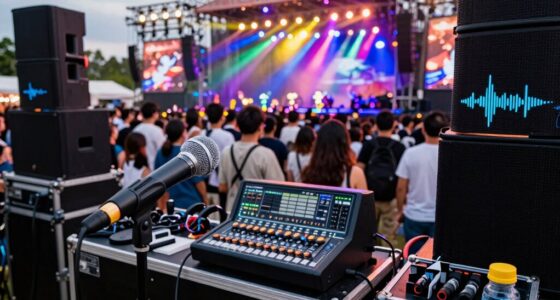
Building a simple shot list for sports videos starts with planning key moments, like fast plays and close-ups, along with diverse camera angles to keep footage exciting. Think about lighting early—whether natural or artificial—to enhance clarity and mood. Stay flexible for spontaneous highlights and organize your shots by game flow to avoid chaos. By understanding how camera angles and lighting influence storytelling, you can craft a compelling video—discover more tips to perfect your shot list.

Get sports gear delivered free — and shop member deals
- Fast, free delivery on millions of items
- Access to Prime Big Deal Days deals on October 6–7
- Prime Video, Amazon Music and more included
Key Takeaways
- Planning core shots and camera angles in advance ensures smooth coverage and enhances storytelling impact during unpredictable sports events.
- Incorporating lighting considerations into the shot list helps evoke emotions and maintains footage clarity throughout fast-paced action.
- A well-structured shot list balances variety (wide, close-up, angles) with flexibility to adapt to spontaneous game moments.
- Using lighting techniques strategically emphasizes key moments and improves overall footage quality, especially under challenging conditions.
- Organizing shots in expected sequence while allowing for spontaneous captures creates a dynamic, engaging sports video.
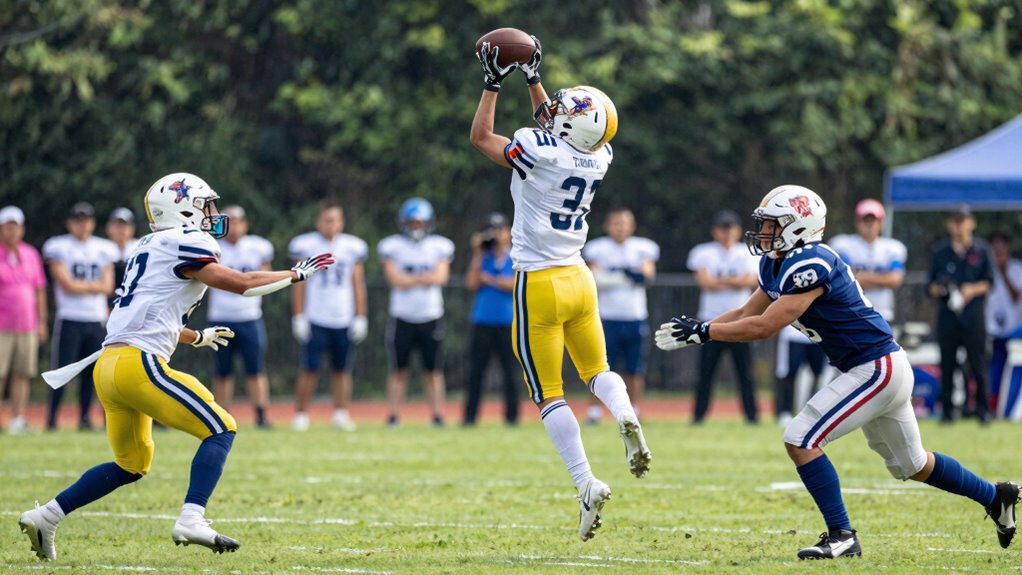
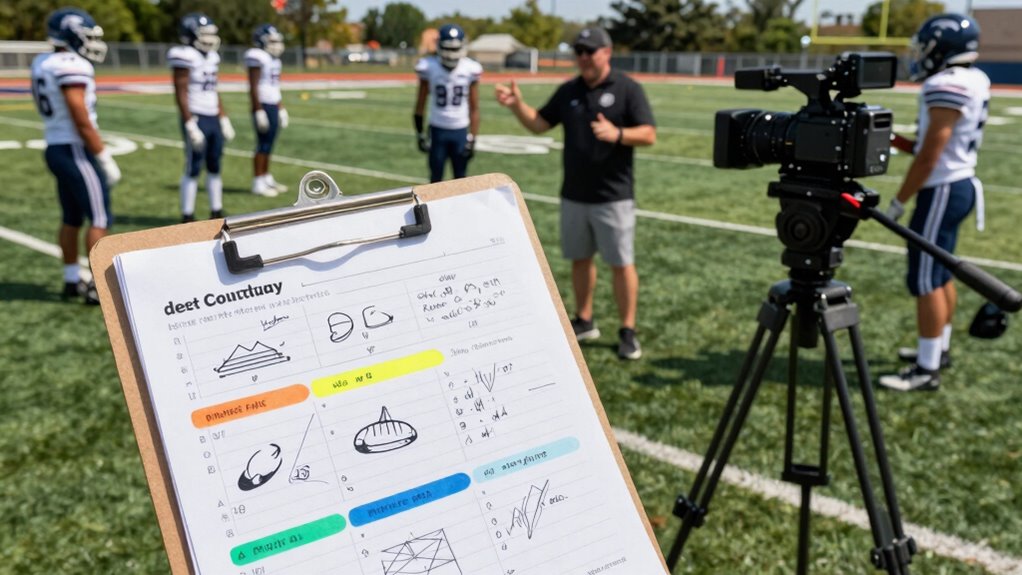
Creating a shot list for sports videos might seem intimidating, but breaking it down into simple steps can make the process straightforward and efficient. The key is understanding what shots will best capture the action and energy of the game. Start by visualizing the game’s most exciting moments—fast-paced plays, close-ups of players, and wide shots of the field or court. These are your core shots, and planning them ahead saves you from scrambling during the game. Think about camera angles early on; choosing the right angles can dramatically enhance the storytelling. For example, low angles can make players look powerful, while high angles give viewers a broad perspective of the play. Mixing these angles keeps the footage dynamic and engaging.
Plan core shots and camera angles in advance to capture the game’s energy and keep footage dynamic.
Lighting techniques also play an essential role in creating professional-looking sports videos. Good lighting enhances clarity and highlights key moments without distracting shadows or glare. If you’re filming outdoors, aim to shoot during the golden hour—early morning or late afternoon—when natural light is soft and warm. For indoor venues, ensure the lighting is evenly distributed across the field or court, avoiding harsh spots that can obscure details. Use additional lighting if necessary, but keep it natural-looking to preserve the authenticity of the game. Proper lighting combined with thoughtful camera angles creates a vivid, immersive experience for viewers. Additionally, understanding how lighting techniques can influence the mood and tone of your footage helps in telling a more compelling story. Being aware of how different lighting setups can evoke emotions or emphasize particular moments can elevate your footage further. Incorporating lighting considerations into your planning can make a significant difference in the overall quality of your video. Moreover, utilizing lighting equipment effectively ensures that your footage remains consistent regardless of changing conditions. You can also consider how lighting setup affects the visibility of fast-moving action, ensuring clarity even during rapid plays.
When building your shot list, consider the flow of the game. List shots in the order they’re likely to happen, but also plan for spontaneous moments. For instance, you might want a wide shot of the entire field at the start, then switch to close-ups during key plays. Include shots from different angles to add variety, such as sideline views, end-zone perspectives, or even behind-the-goal shots. Remember to specify the type of shot, camera angle, and lighting considerations for each entry. This ensures everyone involved knows what to capture, reducing chaos during filming. Incorporating shot diversity into your plan helps keep the footage visually interesting and engaging for viewers. Having a flexible plan allows you to adapt quickly to unexpected highlights, which are common in sports.
Finally, keep your shot list adaptable. Sports games are unpredictable, and sometimes the best moments happen unexpectedly. Having a clear plan doesn’t mean you can’t adapt on the fly. With a solid understanding of camera angles and lighting techniques, you’ll be able to capture high-quality footage that tells a compelling story. Building your shot list with these elements in mind makes shooting more organized and helps produce a polished, engaging sports video.
As an affiliate, we earn on qualifying purchases.
Frequently Asked Questions
How Do I Prioritize Shots During a Live Sports Event?
You prioritize shots during a live sports event by focusing on audience engagement and storytelling. Keep the camera on key moments like touchdowns or goals, and capture reactions from players and fans. Stay flexible, watching for unexpected action, and always think about how each shot contributes to the story you’re telling. By balancing these priorities, you guarantee viewers stay engaged and experience the game’s excitement from start to finish.
What Equipment Is Essential for Capturing Sports Footage?
You need a reliable camera and versatile lenses for capturing sports footage. Focus on camera angles that give dynamic perspectives, like wide shots and close-ups. An essential equipment setup includes a sturdy tripod or gimbal for stability and extra batteries to avoid interruptions. Consider using a zoom lens for flexibility during fast-paced action. Prioritize lightweight, durable gear, and make certain your camera settings are optimized for different lighting conditions to get clear, sharp footage.
How Can I Adapt My Shot List for Different Sports?
You can’t just wing it—adapting your shot list for different sports is essential. Focus on key moments, adjusting camera angles to capture fast-paced action or specific plays. Don’t forget audio considerations like crowd noise or referee whistles, which vary by sport. Tailor your shots to highlight unique aspects of each game, ensuring your footage feels dynamic and engaging, no matter the sport you’re filming.
What Are Common Mistakes to Avoid When Creating a Shot List?
When creating a shot list, avoid poor shot selection and overly similar camera angles that can make your footage monotonous. Don’t forget to plan varied angles to capture the action dynamically. Also, steer clear of missing key moments or angles that miss the emotion of the game. By thoughtfully selecting shots and diversifying camera angles, you guarantee your footage remains engaging and complete, making the game’s story come alive on screen.
How Do I Ensure Coverage of Key Moments Without Missing Action?
To guarantee coverage of key moments without missing action, you should plan diverse camera angles that capture different perspectives, emphasizing the most exciting plays. Use storytelling techniques like close-ups for emotional impact and wide shots for context. Stay flexible during filming to adapt to unexpected moments. A well-structured shot list focusing on these angles and techniques guarantees you don’t miss critical action, keeping your sports video engaging and thorough.
outdoor sports lighting equipment
As an affiliate, we earn on qualifying purchases.
As an affiliate, we earn on qualifying purchases.
Conclusion
Crafting a simple shot list is like planting seeds for a fruitful sports video. When you plan your shots thoughtfully, you’re guiding your story through the chaos of action, ensuring every moment shines. Remember, a well-organized shot list is your compass in the whirlwind of sports footage — it keeps you focused and ready to capture the essence without getting lost in the fray. With this approach, your video will resonate long after the game ends.
camera angles for sports filming
As an affiliate, we earn on qualifying purchases.
As an affiliate, we earn on qualifying purchases.
As an affiliate, we earn on qualifying purchases.
NFL season / tailgating Picks
team gear
As an affiliate, we earn on qualifying purchases.