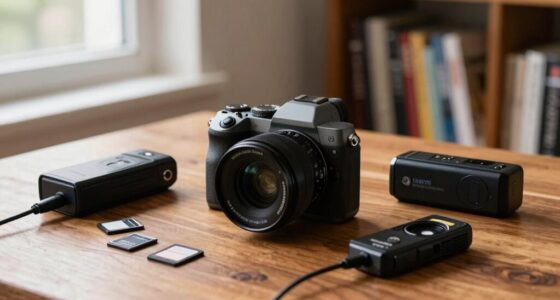

You should lock off a shot when stability, clarity, and emotional focus outweigh the need to follow action. Use a fixed shot to maintain control and keep the footage sharp, especially during interviews or scenes requiring emotional depth. It simplifies editing and preserves composition, ensuring viewers stay engaged with the content’s message. Recognize these moments and understand their impact—if you keep exploring, you’ll uncover how to master this essential filmmaking skill.

Get sports gear delivered free with Prime
- Fast, free delivery on millions of items
- Prime Video, Amazon Music and more included
- Member-only deals all year
Key Takeaways
- Lock off shots to maintain stability and focus during scenes with subtle emotional nuances or dialogue.
- Use locked shots when continuous action doesn’t require viewer movement, ensuring clarity and consistency.
- Lock off to emphasize a subject’s expression or important detail without distraction from camera movement.
- Choose to lock off when scene continuity and compositional consistency are critical across multiple takes.
- Lock off shots to create a sense of permanence and clarity in scenes with complex or dynamic actions.
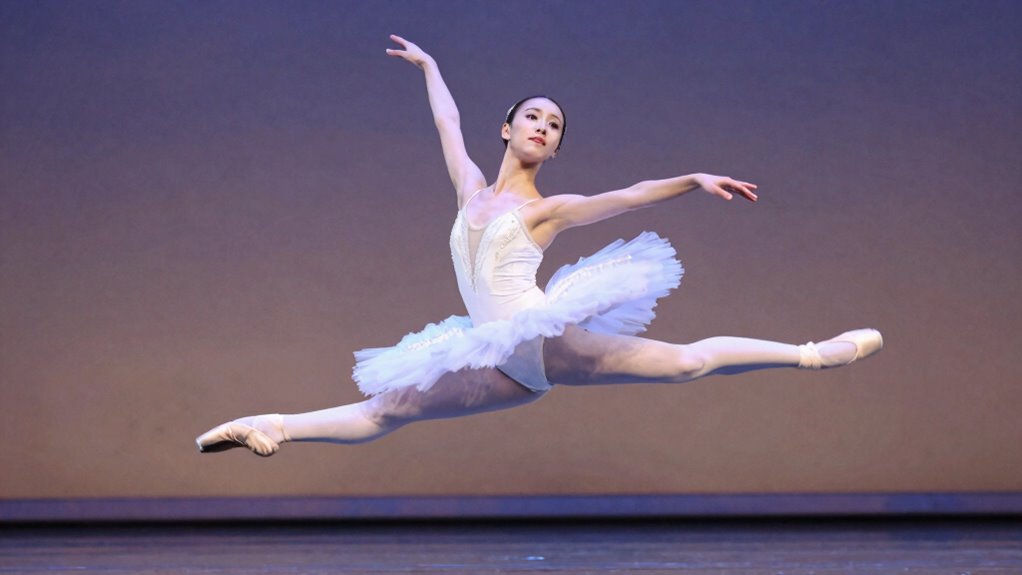
Knowing when to lock off a shot is essential for maintaining control and ensuring your footage stays sharp and steady. When you’re filming, especially in situations where camera stability is critical, locking off the shot can make all the difference. It provides a stable frame, free from unwanted movement or jitter, allowing viewers to focus entirely on what’s happening within the scene. This stability is fundamental when you want your audience to fully grasp the emotional impact of a moment without distraction. For example, a quiet conversation or a dramatic revelation benefits from a locked-off shot, as it lets the viewer immerse themselves in the subtle nuances and emotional depth of the scene.
Locking off a shot ensures stability, clarity, and focus on emotional depth without distraction.
Deciding to lock off a shot isn’t just about technical stability — it’s about storytelling. When action is ongoing or the scene is dynamic, following the movement might seem tempting, but it’s often better to lock the camera in place. By doing so, you give your audience a clear point of view, guiding their focus exactly where you want it. When the camera remains steady, it becomes easier to convey emotions powerfully, as viewers aren’t pulled away by camera shake or accidental shifts. It creates a sense of permanence and clarity, making the emotional beats resonate more deeply. Additionally, a locked-off shot can help maintain continuity across scenes, ensuring a cohesive visual narrative. Recognizing camera stabilization techniques and their role in storytelling can elevate your filmmaking skills significantly.
Sometimes, understanding the visual language of filmmaking helps you choose the most effective shot type for each scene. There are moments when locking off the shot is the best choice, even if it feels counterintuitive. For instance, in interviews or monologues, a locked-off shot keeps the subject centered and engaged, emphasizing their expressions and words. It also simplifies the editing process, as you can cut between locked-off shots smoothly, maintaining compositional consistency and avoiding distracting movement. Mastering these shot composition techniques will help you craft more polished and effective scenes. Recognizing those moments when a fixed shot serves your narrative best is key to becoming a more intentional and effective filmmaker. Additionally, understanding how camera stability impacts viewer perception can help you create more immersive and professional-looking content.
As an affiliate, we earn on qualifying purchases.
Frequently Asked Questions
How Do I Recognize the Perfect Moment to Lock off a Shot?
You recognize the perfect moment to lock off a shot when camera stability enhances the shot’s clarity and shot composition aligns with your storytelling goal. Look for moments when the action is steady or when a specific detail needs emphasis without movement. Lock off the camera to maintain focus, avoid distraction, and create a powerful, stable image that communicates your message effectively. Trust your instincts and the scene’s rhythm.
Does Locking off a Shot Affect the Storytelling Flow?
Locking off a shot can positively impact your storytelling flow by enhancing camera stability, which keeps viewers engaged and focused on the scene. It creates a calm, consistent visual that emphasizes key moments or emotions. While following action adds dynamism, locking off can give your story a steady, deliberate pace, allowing the audience to absorb details. Use it thoughtfully to balance movement and stability for maximum storytelling impact.
What Equipment Is Best for Locking off Shots Effectively?
To lock off shots effectively, you need stable equipment like a sturdy tripod or monopod that guarantees camera stability. Choosing the right lens, such as a wide-angle or telephoto, depends on your scene but always prioritize stability over zoom. Using a fluid head tripod allows smooth adjustments, keeping your shot steady. This setup helps you maintain a consistent composition, making your storytelling clearer and more professional.
How Does Lighting Influence the Decision to Lock off or Follow Action?
Lighting influences your decision to lock off or follow action by affecting camera stability and color grading. If the scene’s lighting is consistent, locking off the shot helps maintain stability and simplifies color grading, ensuring seamless visual continuity. However, if lighting changes dynamically, following the action allows you to adapt and capture the scene’s natural flow. Consider how lighting consistency impacts your shot’s stability and the ease of color grading when making your choice.
Can Locking off Shots Improve Overall Video Quality?
Locking off shots can considerably improve your overall video quality by ensuring better camera stability and consistent shot composition. When you lock the camera, it prevents unwanted movement, resulting in sharper images and a more polished look. This technique is especially useful for capturing detailed shots or establishing scenes, allowing viewers to focus on the content without distraction. Overall, locking off shots enhances professionalism and visual clarity in your videos.
professional video tripod with fluid head
As an affiliate, we earn on qualifying purchases.
As an affiliate, we earn on qualifying purchases.
Conclusion
Knowing when to lock off a shot instead of following the action is a skill that can elevate your storytelling. Sometimes, stepping back and holding a steady shot captures the moment’s gravity better than chasing it around. Remember, it’s not just about what you see, but what you choose to show. Wise creators know the value of patience—sometimes, you have to let the scene breathe and let the picture tell its own story.
As an affiliate, we earn on qualifying purchases.
As an affiliate, we earn on qualifying purchases.
Halloween Picks
halloween
As an affiliate, we earn on qualifying purchases.